Blue By You Sage, Salvia 'Blue By You', Sage 'Blue By You'

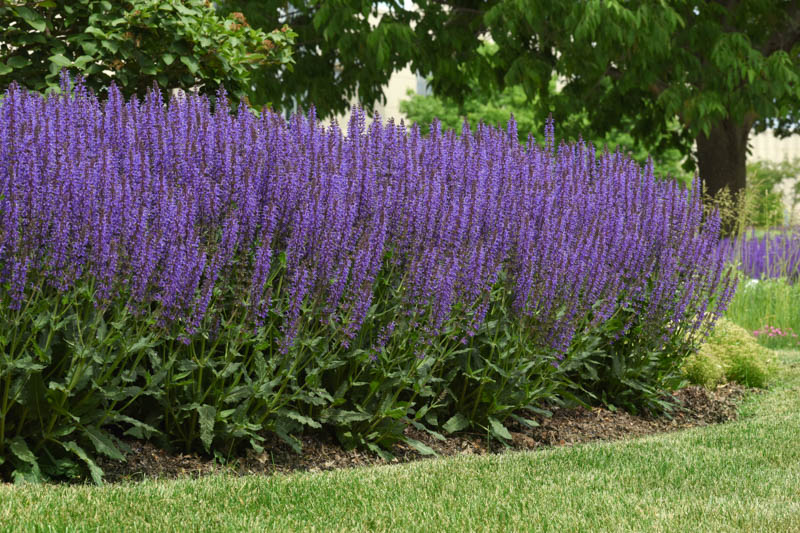
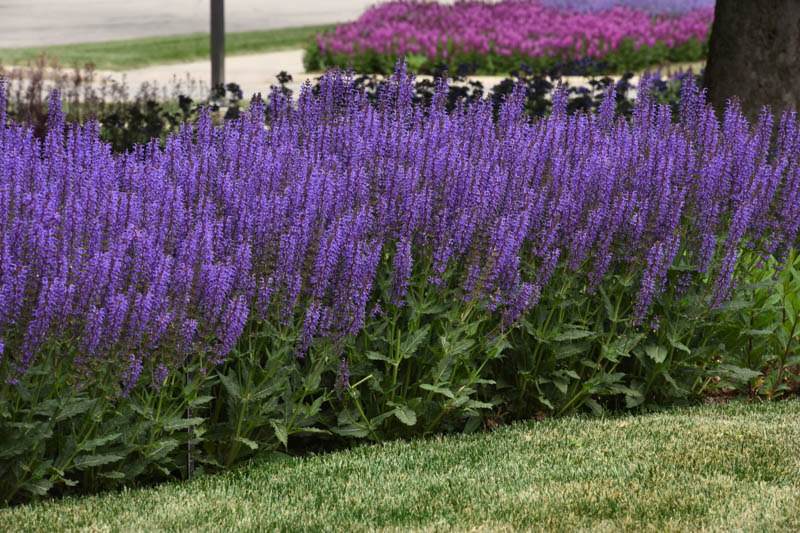
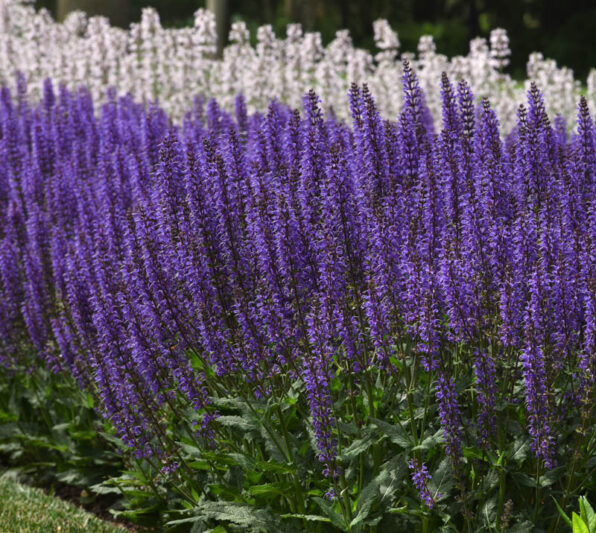


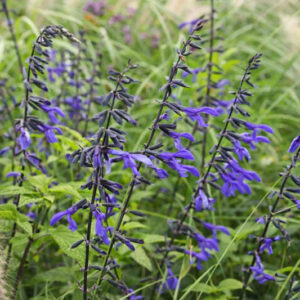
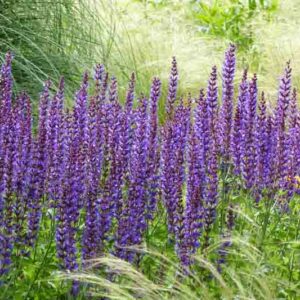
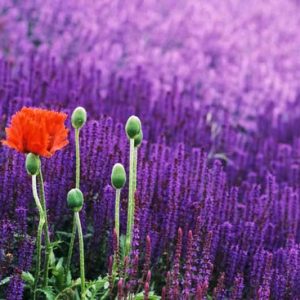
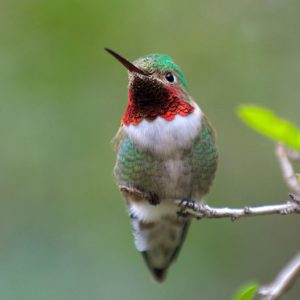
Imagine stepping into your garden on a cool spring morning—waves of deep blue spires rise above lush, green foliage, alive with bees, butterflies, and even the occasional hummingbird. Your border hums with life, and the rich color continues all summer, never missing a beat. That’s the magic of Salvia nemorosa ‘Blue By You’—a modern meadow sage bred for reliability, repeat blooming, and pollinator power.
‘Blue By You’ emerges from the world-renowned breeding at Darwin Perennials, blending genetics from Salvia nemorosa and Salvia pratensis. This vigorous hybrid was selected for outstanding season-long bloom, impressive branching, and rugged garden adaptability. It’s a 2023 All-America Selections winner and a highlight at university trial gardens for durable performance from early spring well into autumn. Created for today’s gardeners, it’s a breakthrough in heat, frost, and cold tolerance—no more fret about summer browning or harsh winters!
| Botanical Name | Salvia nemorosa ‘Blue By You’ (hybrid with S. pratensis) |
| Common Name | Meadow Sage, Balkan Clary, Steppe Sage |
| Plant Type | Herbaceous perennial |
| Hardiness Zones | USDA 4b–9a |
| Height & Spread | 20–22 in. tall × 18–22 in. wide (50–55 × 45–55 cm) |
| Spacing | 20–24 in. (50–60 cm) |
| Bloom Time | Early spring through autumn (multiple cycles) |
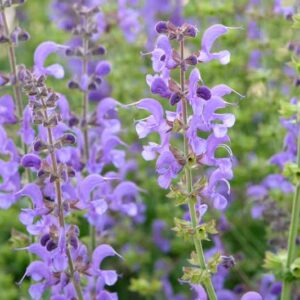
| Flower Color | Brilliant blue-violet spikes, showy and tall |
| Wildlife | Attracts bees, butterflies, hummingbirds; deer and rabbit resistant |
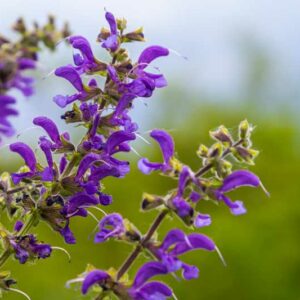
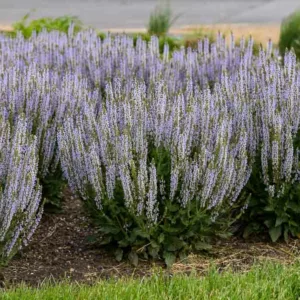
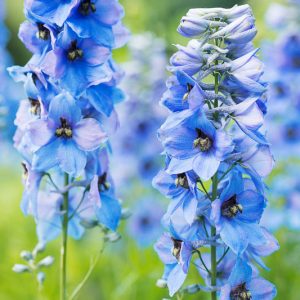
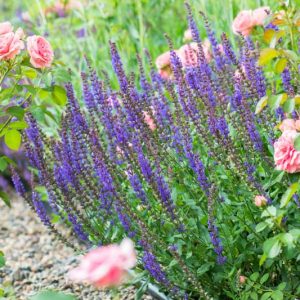
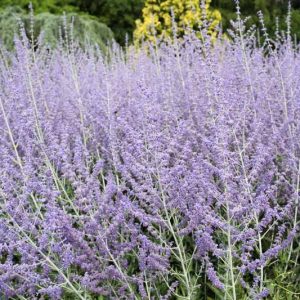
This improved meadow sage forms low, mounded clumps of aromatic, wrinkled green leaves, sending up stiff, square stems dotted with tightly-packed, electric-blue, tubular flowers. ‘Blue By You’ stands out for its size—reaching up to almost 2 feet—and blooming repeatedly with lower maintenance than older salvias. The color and sheer flower power set it apart, shining from early spring to the first frost (especially when spent blooms are snipped away).
While bred for gardens, ‘Blue By You’ draws on traits of native and naturalized sages of Europe and western Asia, thriving in sunny, dry, open meadows and grassy steppe regions. Its wild ancestry makes it tough, adaptable, and essential for pollinator gardens everywhere.
It’s a classic clump-forming perennial, with neat basal rosettes and strong, upright stems. The local density, branching, and clear vertical lines bring structure to any mixed bed, from wildflower meadows to patio containers.
‘Blue By You’ matures at 20–22 inches tall (with flowers), spreading 18–22 inches wide—a perfect front or mid-border plant, or royal accent for massed sweeps.
Long-lasting, repeat-flowering blue spikes, each bloom a nectar beacon to pollinators. The two-lipped flowers form in whorls along the upright stems, and individual spikes can persist for weeks. Blooms begin early (up to two weeks before other varieties) and keep coming: up to five full cycles if regularly deadheaded.
Aromatic, lance-shaped leaves with a wrinkled, fuzzy surface, arranged in lush ground-hugging mounds—even the foliage deters browsing animals and fills the garden with herbal freshness.
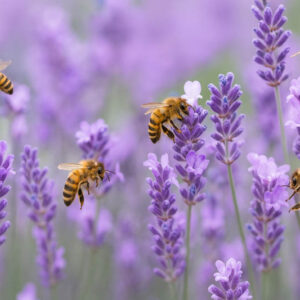
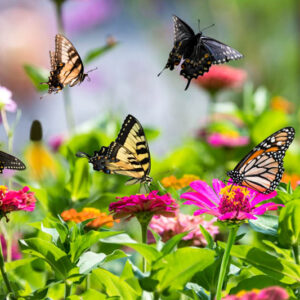
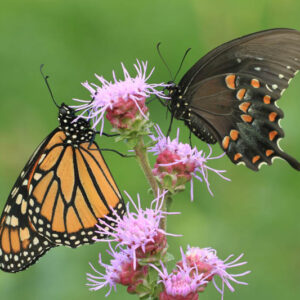
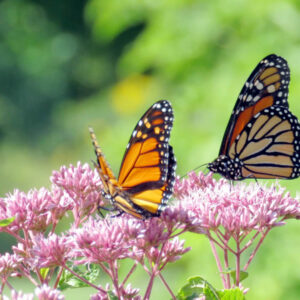
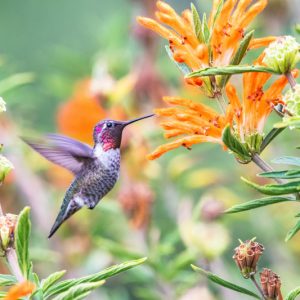
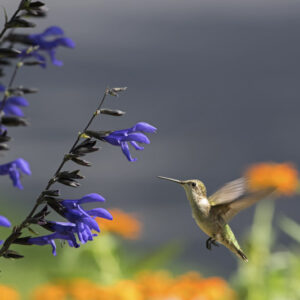
Nectar-rich flowers are irresistible to bees, butterflies, and hummingbirds. ‘Blue By You’ actively supports a healthy pollinator ecosystem from early spring into fall.
The aromatic, slightly hairy foliage is distasteful to deer and rabbits, keeping your planting pristine even where browsing is heavy.
After establishment, ‘Blue By You’ shrugs off summer dry spells and heat—ideal for modern drought-wise landscapes.
Like most ornamental salvias, ‘Blue By You’ is considered non-toxic to people and pets.
Clump-forming and virtually non–self-seeding (sterile hybrid). Stays where planted and is easy to thin if needed.
Needs full sun for best bloom (6–8 hours daily); partial shade tolerated but may reduce flowering.
Performs best in moderately rich, well-draining soils—tolerates loam, sand, and gravel. Avoid heavy clay or standing water.
Water deeply to establish; reduce thereafter. Once established, water only when the soil is dry several inches down.
Fertilizer is rarely needed—too much makes plants floppy. Use light compost or a balanced organic mix in early spring if desired.
Deadhead spikes after first bloom to trigger rebloom. In late fall or very early spring, shear to a tidy mound for lush new growth.
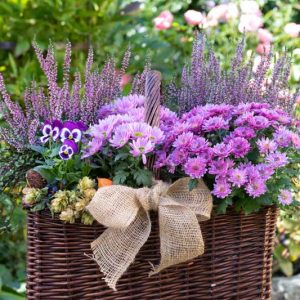
Grows beautifully in sunny containers with well-drained mix. Repot in spring if needed for continued vigor.
In colder zones, no special care is needed; mulch lightly to protect roots if winter extremes threaten.
‘Blue By You’ (USPP31,033) is a protected, largely sterile hybrid.
Do not propagate by cuttings or division without permission while the patent is active.
For reliable performance, purchase named plants from reputable nurseries.
Absolutely! Bees, butterflies, and hummingbirds visit nonstop for nectar-rich blooms from spring through autumn.
Deadhead spent flower spikes after each flush. With care, you may get up to five full cycles of flowers in one season.
Yes. Once established, ‘Blue By You’ endures summer sun and dry spells with little extra water.
Rarely. The aromatic foliage makes it an unappealing snack for most garden wildlife.
Definitely. Use a roomy container with well-drained soil and place in full sun for best flowering.
Yes, it’s non-toxic and a great choice for family gardens.
Exceptionally: cold-hardy to USDA 4b and heat-tolerant to zone 9a. Withstands frost and late freezes without damage.
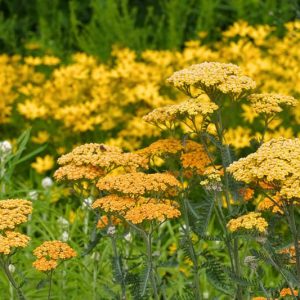
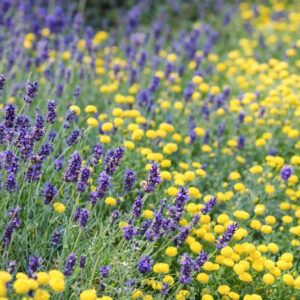
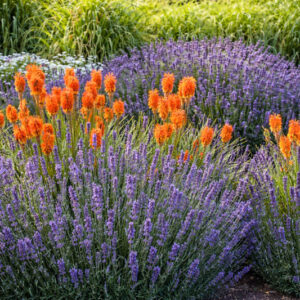
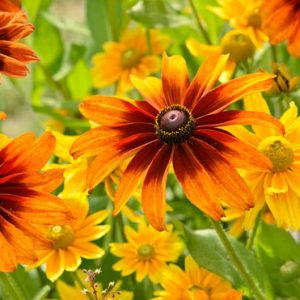
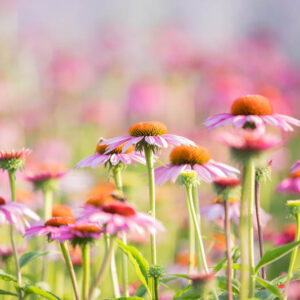
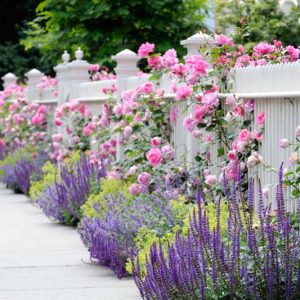
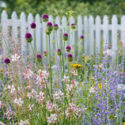
Pair with coreopsis, echinacea, gaillardia, yarrow, lavender, and ornamental grasses for a carefree, colorful display all season.
Final tip: Plant Salvia nemorosa ‘Blue By You’ in sunny soil, snip faded spikes for endless waves of color, and enjoy the dance of bees, butterflies, and hummingbirds from spring’s start to autumn’s last hurrah!
| Hardiness |
4 - 9 |
|---|---|
| Heat Zones |
5 - 9 |
| Climate Zones | 2, 2A, 2B, 3, 3A, 3B, 4, 5, 6, 7, 8, 9, 10, 14, 15, 16, 17, 18, 19, 20, 21, 22, 23, 24 |
| Plant Type | Perennials |
| Plant Family | Lamiaceae |
| Genus | Salvia |
| Common names | Sage |
| Exposure | Full Sun |
| Season of Interest | Spring (Early, Late), Summer (Early, Late), Fall |
| Height | 1' - 2' (30cm - 60cm) |
| Spread | 1' - 2' (30cm - 60cm) |
| Spacing | 20" - 24" (50cm - 60cm) |
| Maintenance | Low |
| Water Needs | Average |
| Soil Type | Chalk, Loam, Sand |
| Soil pH | Acid, Alkaline, Neutral |
| Soil Drainage | Moist but Well-Drained, Well-Drained |
| Characteristics | Cut Flowers, Fragrant, Showy, Plant of Merit |
| Tolerances | Drought, Deer, Rabbit, Dry Soil, Heat, Fire |
| Attracts | Bees, Butterflies, Hummingbirds |
| Garden Uses | Beds And Borders, Patio And Containers, Small Gardens |
| Garden Styles | City and Courtyard, Informal and Cottage, Mediterranean Garden, Prairie and Meadow |
| Toxic to Humans | No known toxicity |
| Toxic to Cats | No known toxicity |
| Toxic to Dogs | No known toxicity |
| Toxic to Horses | No known toxicity |


| Hardiness |
4 - 9 |
|---|---|
| Heat Zones |
5 - 9 |
| Climate Zones | 2, 2A, 2B, 3, 3A, 3B, 4, 5, 6, 7, 8, 9, 10, 14, 15, 16, 17, 18, 19, 20, 21, 22, 23, 24 |
| Plant Type | Perennials |
| Plant Family | Lamiaceae |
| Genus | Salvia |
| Common names | Sage |
| Exposure | Full Sun |
| Season of Interest | Spring (Early, Late), Summer (Early, Late), Fall |
| Height | 1' - 2' (30cm - 60cm) |
| Spread | 1' - 2' (30cm - 60cm) |
| Spacing | 20" - 24" (50cm - 60cm) |
| Maintenance | Low |
| Water Needs | Average |
| Soil Type | Chalk, Loam, Sand |
| Soil pH | Acid, Alkaline, Neutral |
| Soil Drainage | Moist but Well-Drained, Well-Drained |
| Characteristics | Cut Flowers, Fragrant, Showy, Plant of Merit |
| Tolerances | Drought, Deer, Rabbit, Dry Soil, Heat, Fire |
| Attracts | Bees, Butterflies, Hummingbirds |
| Garden Uses | Beds And Borders, Patio And Containers, Small Gardens |
| Garden Styles | City and Courtyard, Informal and Cottage, Mediterranean Garden, Prairie and Meadow |
| Toxic to Humans | No known toxicity |
| Toxic to Cats | No known toxicity |
| Toxic to Dogs | No known toxicity |
| Toxic to Horses | No known toxicity |
How many Salvia nemorosa ‘Blue By You’ (Sage) do I need for my garden?
| Plant | Quantity | |
|---|---|---|
| Salvia nemorosa ‘Blue By You’ (Sage) | N/A | Buy Plants |
Create a membership account to save your garden designs and to view them on any device.
Becoming a contributing member of Gardenia is easy and can be done in just a few minutes. If you provide us with your name, email address and the payment of a modest $25 annual membership fee, you will become a full member, enabling you to design and save up to 25 of your garden design ideas.
Join now and start creating your dream garden!
Create a membership account to save your garden designs and to view them on any device.
Becoming a contributing member of Gardenia is easy and can be done in just a few minutes. If you provide us with your name, email address and the payment of a modest $25 annual membership fee, you will become a full member, enabling you to design and save up to 25 of your garden design ideas.
Join now and start creating your dream garden!