Scarlet Sage, Red Salvia, Bedding Sage, Tropical Sage, Ornamental Sage, Van Houtte Sage, Van Houtte Brazilian Sage, Salvia ‘Van Houttei’
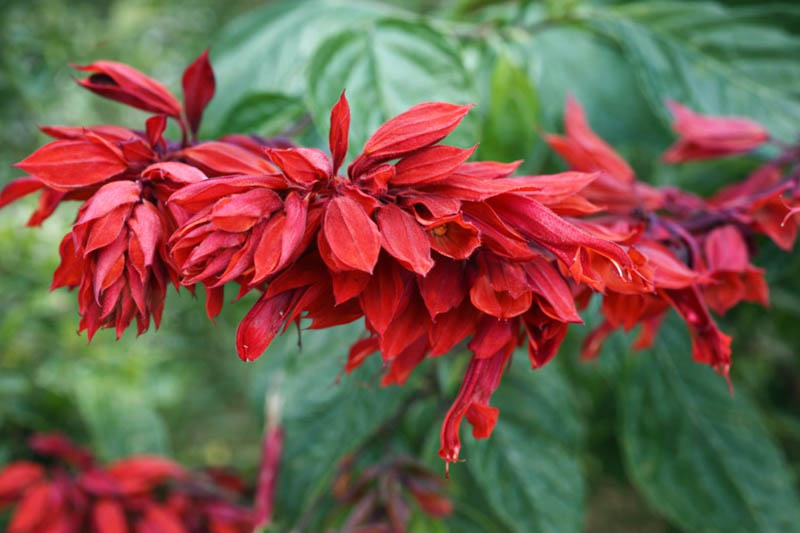
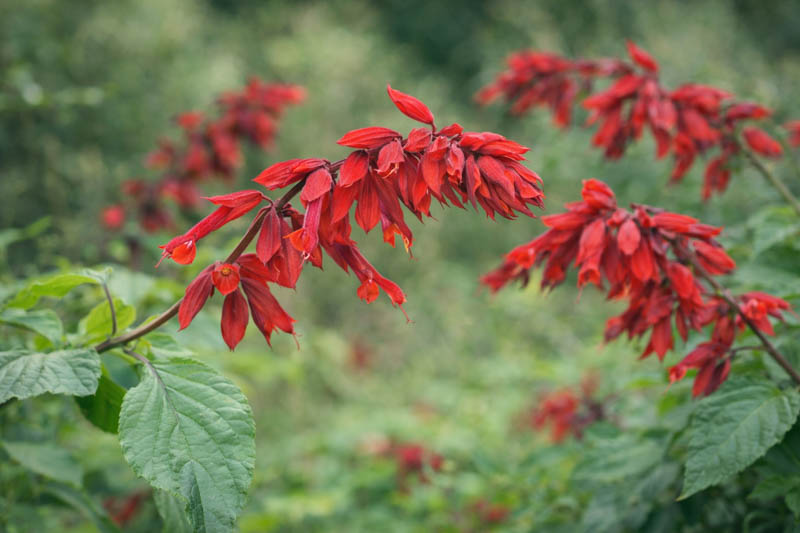


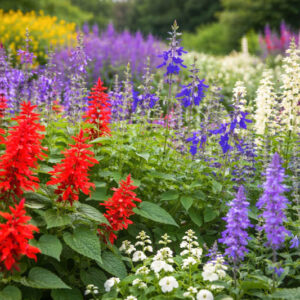
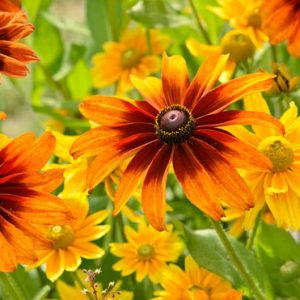
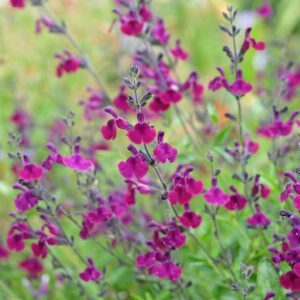
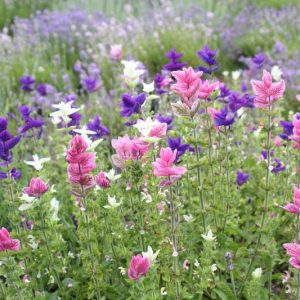
Salvia splendens – Van-Houttei is the old-school, proven bedding salvia that still feels fresh in modern plantings. If you love bold color with a little extra drama, this cultivar delivers: scarlet flowers set against purple calyces, carried on dark red stems above lush green leaves. The effect is rich, high-contrast, and easy to spot from across the garden – especially when it hits its stride in mid–late summer and fall.
This is a tender perennial that is most often grown as a warm-season annual, and it is famous for doing one thing exceptionally well: bringing reliable, high-impact flower spikes when many summer beds start to fade. It is a natural fit for sunny borders, mass plantings, and containers, and it is also a Recipient of the Award of Garden Merit from the Royal Horticultural Society – a strong hint that it performs in real gardens, not just in catalogs.
Summary: A classic, tender bedding salvia with ovate green leaves, dark stems, and upright flower spikes featuring scarlet flowers from purple calyces.
Use: Excellent for mixed borders, mass plantings, cottage gardens, cutting gardens, and containers.
Highlight: Strong late-season performance with vivid color in mid-late summer and fall (often into frost where seasons allow).
Note: Best in full sun and moist, well-drained soil. Enjoyed by butterflies and visited by hummingbirds; often avoided by deer.
| Botanical Name | Salvia splendens – Van-Houttei |
|---|---|
| Family | Mint family (Lamiaceae) |
| Common Names | Scarlet Sage, Red Salvia, Scarlet Bedding Sage |
| Native Range | Species native to Brazil; Van-Houttei is a long-established garden selection. |
| Plant Type and Habit | Tender perennial (often grown as an annual); upright, clump-forming, bedding salvia |
| Hardiness (approx. USDA) | Hardy in USDA Zones 9-10; grown as an annual elsewhere |
| Height | 18-48 in. (45-120 cm) |
| Spread | 24-36 in. (60-90 cm) |
| Spacing | 24-36 in. (60-90 cm) for fuller blocks and good airflow |
| Sun and Exposure | Best in full sun; part shade tolerated (helpful in extreme heat) |
| Soil | Prefers humus-rich, moderately fertile, moist, well-drained soil |
| Seasonal Interest | Mid-late summer through fall (often into frost depending on climate) |
| Flower Color | Scarlet flowers with purple calyces for a deeper, two-tone look |
| Foliage Color | Bright to mid green leaves that make the scarlet spikes stand out |
| Fragrance | Mild (foliage may be lightly aromatic when crushed) |
| Drought Tolerant | Not truly – best bloom with consistent moisture. For low-water alternatives, see drought-tolerant plants. |
| Heat Tolerant | Yes (best with consistent moisture during heat) |
| Humidity Tolerant | Yes (good airflow helps prevent mildew in humid weather) |
| Pollution Tolerant | Generally performs well in urban environments |
| Nectar / Pollen | Yes (nectar-rich tubular flowers) |
| Attracts | Bees, butterflies, hummingbirds |
| Deer | Often avoided by deer – see deer resistant guidance |
| Toxicity | Ornamental plant – avoid ingestion and use standard caution around pets and kids |
| Invasive Status | Not typically considered invasive in gardens |
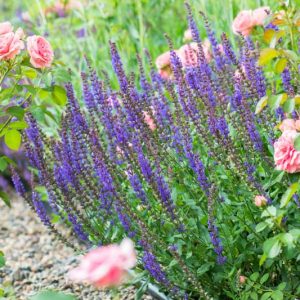
Salvia splendens – Van-Houttei is a tender, upright salvia grown for its strong stems, bold color, and dependable late-season bloom. Look closely and you will see why gardeners keep coming back to it: the flowers are scarlet, but they emerge from purple calyces, which deepens the overall color and gives the spikes a more sophisticated, jewel-toned look than plain red.
The species Salvia splendens is native to Brazil. Van-Houttei is a long-established cultivated form selected for ornamental performance – upright habit, vivid spikes, and reliable seasonal impact in garden beds and containers.
Van-Houttei grows as a neat, upright clump with ovate green leaves and characterful dark red stems. In many plantings it can reach roughly 1-4 feet tall (30-120 cm) and 2-3 feet wide (60-90 cm), making it easy to tuck into mixed borders or repeat in rhythmic drifts. The flower spikes can be substantial too – the inflorescences are often around 10 inches long (25 cm), which is why it reads so well at a distance.
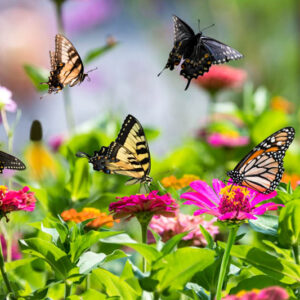
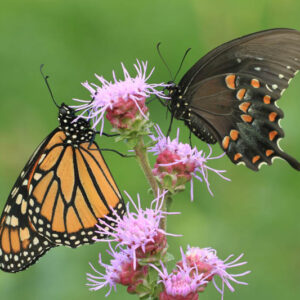
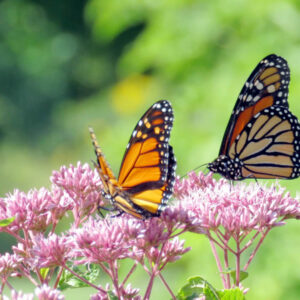
This cultivar is best known for its mid to late summer and fall bloom, when it pushes up upright spikes lined with whorls of tubular flowers. The flowers are nectar-friendly, which is why you often see them visited by pollinators – especially butterflies and, in many regions, hummingbirds. In climates with a long growing season, flowering can continue until frost shuts it down.
The foliage is green, full, and supportive – it creates the “base” that makes the spikes feel intentional rather than spindly. In most climates where it is grown as a seasonal annual, it behaves as deciduous (frost ends the plant). In truly frost-free settings, it can persist longer, but it is still best thought of as a warm-season performer rather than a winter foliage plant.
Van-Houttei is frost-tender. It is perennial in USDA Zones 9-10. In mild, frost-free climates it may be grown as a tender perennial, but in most gardens it is treated as an annual for one simple reason: it grows quickly, flowers strongly, and looks fantastic through the warm season without demanding a long-term commitment.
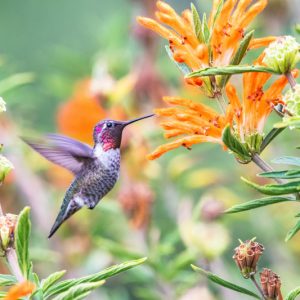
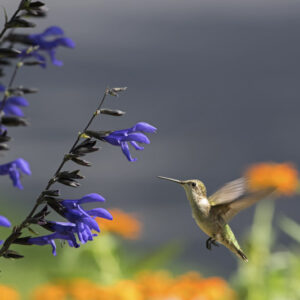
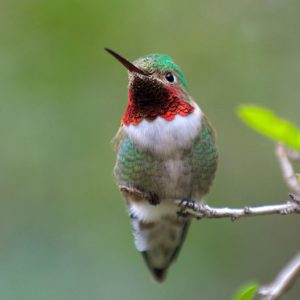
Those tubular flowers are built for nectar-feeders. Expect visits from bees, butterflies, and often hummingbirds. If you are building a pollinator-friendly bed that still looks polished and intentional, Van-Houttei earns its space.
Like many salvias, Van-Houttei is often avoided by deer – though nothing is guaranteed when browsing pressure is high. If deer are a persistent issue in your area, stack the odds by pairing it with other plants from deer resistant lists and by protecting young transplants until they size up.
Van-Houttei is not a “plant it and forget it” drought performer. For best bloom and lush growth, provide consistent moisture in well-drained soil. In beds, mulch helps. In containers, watering becomes more frequent during hot spells. If you need truly low-water options, explore drought-tolerant plants.
Salvia splendens – Van-Houttei is grown as an ornamental. Avoid ingestion and use standard garden caution around pets and kids.
Van-Houttei is generally well-behaved in garden settings. It forms a clump rather than spreading aggressively. In some climates, Salvia splendens can reseed lightly, but it is not typically considered invasive in ornamental plantings.
Van-Houttei responds well to moderate feeding. In beds, a balanced slow-release fertilizer at planting time is often enough. In containers, light feeding every 4-6 weeks supports better spikes. Avoid heavy nitrogen – it makes leaves, not flowers.
Van-Houttei is usually easy, but pests can show up in hot, dry weather or crowded plantings. Watch for aphids on tender growth and spider mites during dry heat. A firm spray of water, better airflow, and encouraging beneficial insects usually keeps problems manageable.
Salvia splendens – Van-Houttei is a tender perennial, but it is usually grown as an annual in climates with frost. Plant it after the last spring frost and enjoy bold color in late summer and fall.
Van-Houttei typically blooms in late summer and fall, often continuing until frost in longer-season climates. Deadheading spent spikes can help extend flowering and keep plants looking neat.
Full sun produces the strongest growth and best flowering. Part shade is tolerated, especially in extreme heat, but too much shade reduces bloom and makes plants stretch.
It is often avoided by deer, but no plant is fully deer proof. In high-pressure areas, pair it with other deer resistant plants and protect young transplants.
Yes, deadheading helps. Removing spent flower spikes keeps the plant looking tidy and often encourages more blooms, especially in long growing seasons.
Not really. Van-Houttei performs best with consistent moisture in well-drained soil. It can handle short dry spells once established, but drought stress reduces flowering – especially in containers.
Updated: January 2026 – Reviewed by Gardenia Editors
| Hardiness |
9 - 10 |
|---|---|
| Heat Zones |
1 - 12 |
| Climate Zones | 21, 22, 23, 24, H2 |
| Plant Type | Annuals, Perennials |
| Plant Family | Lamiaceae |
| Genus | Salvia |
| Common names | Sage, Scarlet Sage |
| Exposure | Full Sun |
| Season of Interest | Summer (Mid, Late), Fall |
| Height | 1' - 4' (30cm - 120cm) |
| Spread | 2' - 3' (60cm - 90cm) |
| Spacing | 24" - 36" (60cm - 90cm) |
| Maintenance | Low |
| Water Needs | Average |
| Soil Type | Loam, Sand |
| Soil pH | Acid, Alkaline, Neutral |
| Soil Drainage | Moist but Well-Drained, Well-Drained |
| Characteristics | Cut Flowers, Showy, Plant of Merit |
| Tolerances | Deer |
| Attracts | Bees, Butterflies, Hummingbirds |
| Garden Uses | Beds And Borders, Patio And Containers, Wall-Side Borders |
| Garden Styles | City and Courtyard, Coastal Garden, Informal and Cottage, Mediterranean Garden |
| Toxic to Humans | No known toxicity |
| Toxic to Cats | No known toxicity |
| Toxic to Dogs | No known toxicity |
| Toxic to Horses | No known toxicity |


| Hardiness |
9 - 10 |
|---|---|
| Heat Zones |
1 - 12 |
| Climate Zones | 21, 22, 23, 24, H2 |
| Plant Type | Annuals, Perennials |
| Plant Family | Lamiaceae |
| Genus | Salvia |
| Common names | Sage, Scarlet Sage |
| Exposure | Full Sun |
| Season of Interest | Summer (Mid, Late), Fall |
| Height | 1' - 4' (30cm - 120cm) |
| Spread | 2' - 3' (60cm - 90cm) |
| Spacing | 24" - 36" (60cm - 90cm) |
| Maintenance | Low |
| Water Needs | Average |
| Soil Type | Loam, Sand |
| Soil pH | Acid, Alkaline, Neutral |
| Soil Drainage | Moist but Well-Drained, Well-Drained |
| Characteristics | Cut Flowers, Showy, Plant of Merit |
| Tolerances | Deer |
| Attracts | Bees, Butterflies, Hummingbirds |
| Garden Uses | Beds And Borders, Patio And Containers, Wall-Side Borders |
| Garden Styles | City and Courtyard, Coastal Garden, Informal and Cottage, Mediterranean Garden |
| Toxic to Humans | No known toxicity |
| Toxic to Cats | No known toxicity |
| Toxic to Dogs | No known toxicity |
| Toxic to Horses | No known toxicity |
How many Salvia splendens ‘Van-Houttei’ (Scarlet Sage) do I need for my garden?
| Plant | Quantity | |
|---|---|---|
| Salvia splendens ‘Van-Houttei’ (Scarlet Sage) | N/A | Buy Plants |
Create a membership account to save your garden designs and to view them on any device.
Becoming a contributing member of Gardenia is easy and can be done in just a few minutes. If you provide us with your name, email address and the payment of a modest $25 annual membership fee, you will become a full member, enabling you to design and save up to 25 of your garden design ideas.
Join now and start creating your dream garden!
Create a membership account to save your garden designs and to view them on any device.
Becoming a contributing member of Gardenia is easy and can be done in just a few minutes. If you provide us with your name, email address and the payment of a modest $25 annual membership fee, you will become a full member, enabling you to design and save up to 25 of your garden design ideas.
Join now and start creating your dream garden!