Awaken Your Garden with a Symphony of Spring Flowers: A Burst of Color and Fragrance after Winter's Slumber
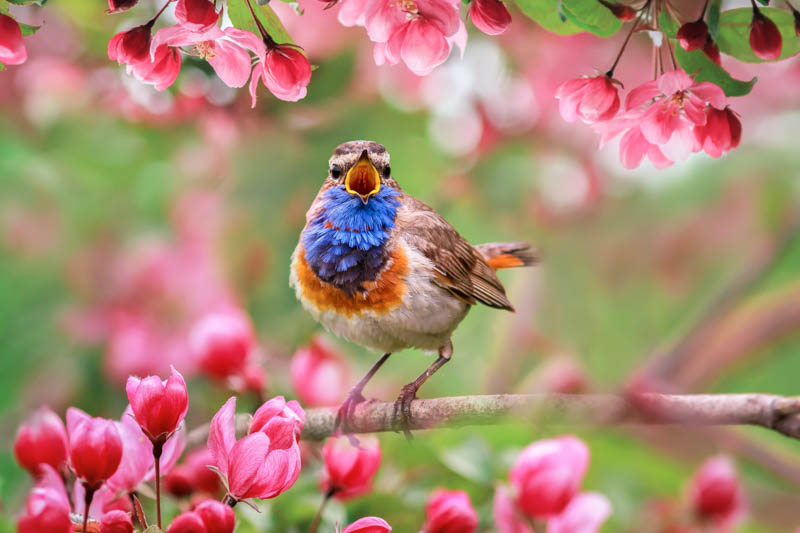


Summary: Spring gardens wake up with bulbs (crocus, snowdrops, daffodils, tulips, hyacinths, muscari), early perennials (primroses, lungwort, bleeding heart), shrubs (forsythia, lilac), and late-spring bridges (alliums, poppies, peonies). Mix bloom times for color from late winter through early summer.
Why planning matters: Combine early-, mid-, and late-spring bloomers and layer heights (groundcovers → mid-borders → tall accents) to keep the show going and feed early pollinators.
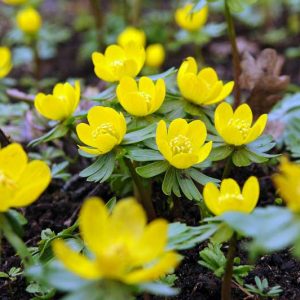
| Seasonal Stars (Early) | Winter aconite, snowdrops, crocus, primroses, pansies/violas — first nectar sources, great with naturalized bulbs. |
|---|---|
| Seasonal Stars (Mid) | Daffodils, hyacinths, tulips, lungwort, lily-of-the-valley, fritillaria — fragrance + color blocks for borders/containers. |
| Seasonal Stars (Late → Early Summer) | Alliums, bleeding heart, oriental poppies, hardy geraniums, peonies — bridge to summer and add structure. |
| Light & Exposure | Most bulbs prefer full sun; many woodland perennials (primrose, lungwort, bleeding heart) thrive in partial shade. |
| Soil & Drainage | Well-drained soils are essential for bulbs; amend clay with compost/grit. Keep evenly moist for shade perennials. |
| Planting Windows | Fall for spring bulbs (crocus/daffodil/tulip/hyacinth/allium). Early spring for cold-tolerant annuals/perennials once soil is workable. |
| Wildlife & Pollinators | Crocus, primrose, lungwort, and alliums are bee/butterfly friendly; daffodils are deer/rabbit resistant. |
| Pet Safety | Keep pets away from toxic bulbs/plants (tulips, daffodils, hyacinths, lilies). Choose safer picks like pansies, violas, snapdragons. |
| Design Tips | Stagger bloom times; mass 10–25+ bulbs for impact; repeat colors; pair bulbs with groundcovers (forget-me-nots, violas). |
|---|---|
| Maintenance | Deadhead spent blooms (leave bulb foliage to yellow); water consistently in dry springs; divide clumps (primrose/geranium) as needed. |
| Cut-Flower Favorites | Tulips, daffodils, hyacinths, ranunculus, peonies, lilacs — harvest in cool hours for longer vase life. |
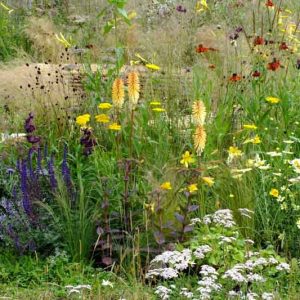
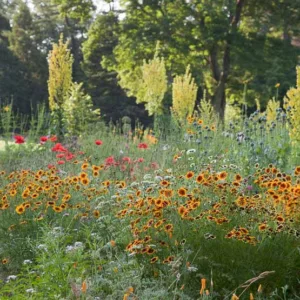
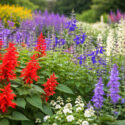
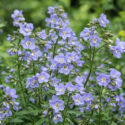
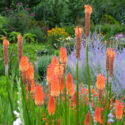
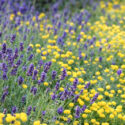
Spring gardens are a celebration of renewal, bursting with color and life after the winter’s rest. This season is marked by the emergence of an array of beautiful flowers, each contributing its unique charm. As temperatures warm and days lengthen, gardens awaken with vibrant hues and sweet fragrances. Spring flowers are not just visually stunning. They also play a crucial role in the ecosystem, providing early nectar for pollinators like bees and butterflies.
The beauty of a spring garden lies in its diversity. From the first crocuses poking through the snow to the full bloom of peonies, each flower has its moment to shine. Gardeners often anticipate the arrival of spring blooms as a reward for their year-long care and planning. These flowers vary in size, shape, and color, offering endless possibilities for garden design. Whether planted in borders, beds, or containers, they bring joy and color to any space.
Choosing the right flowers for your spring garden depends on several factors, including climate, soil type, sunlight availability, and personal preference. Many spring flowers are perennials, coming back year after year, while others are annuals or bulbs that need to be planted annually.
| Plant Type | Annuals, Bulbs, Perennials |
|---|---|
| Genus | Allium, Anemone, Aquilegia, Astilbe, Clematis, Crocus, Dicentra, Galanthus, Geranium, Helleborus, Iris, Muscari, Myosotis, Narcissus, Paeonia, Primula, Rhododendron, Salvia, Syringa, Trillium, Tulipa, Viola |
| Season of Interest | Spring (Early, Mid, Late), Summer (Early) |
| Toxic to Humans | No known toxicity |
| Toxic to Cats | No known toxicity |
| Toxic to Dogs | No known toxicity |
| Toxic to Horses | No known toxicity |
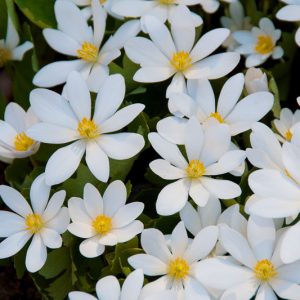
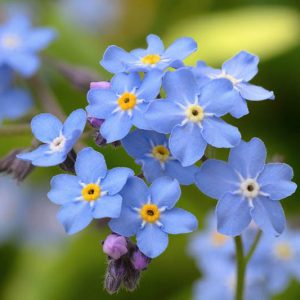
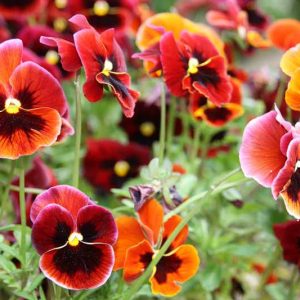
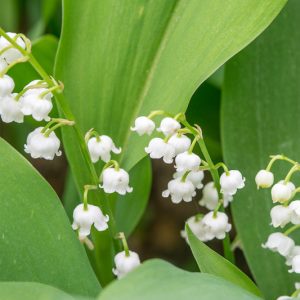
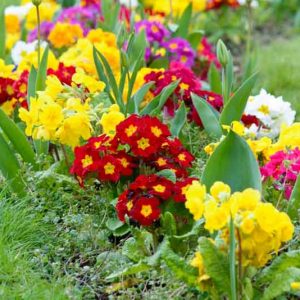
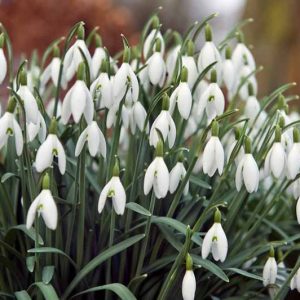
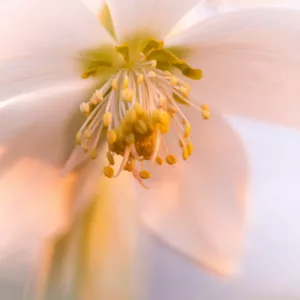
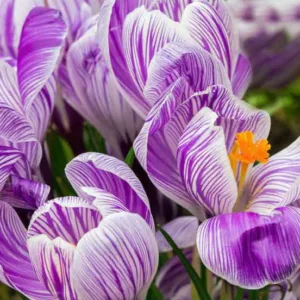
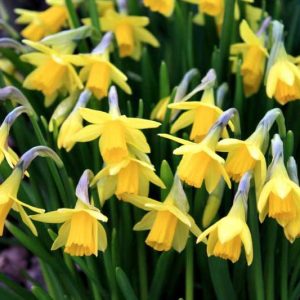
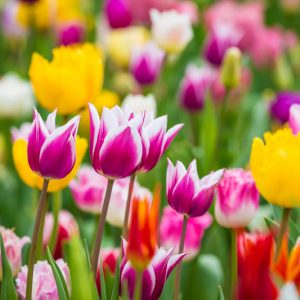
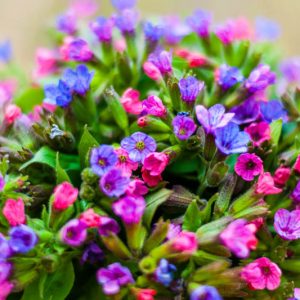
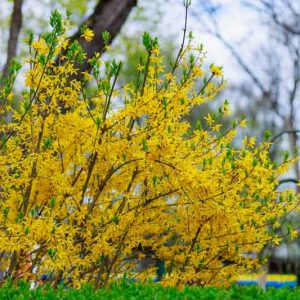
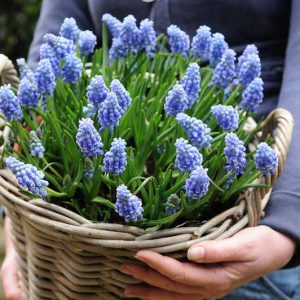
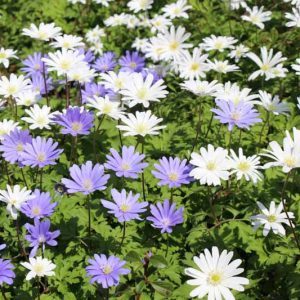
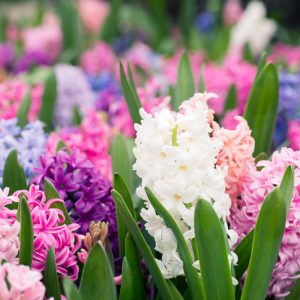
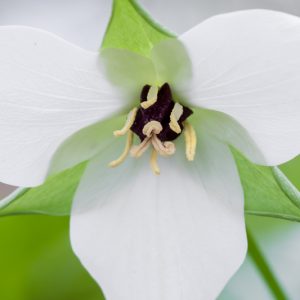
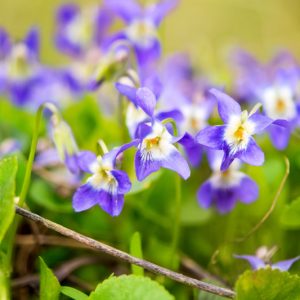
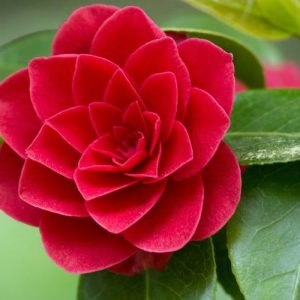
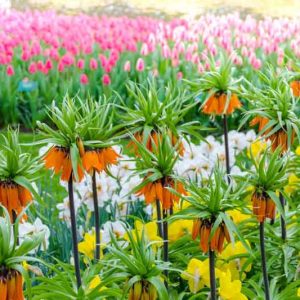
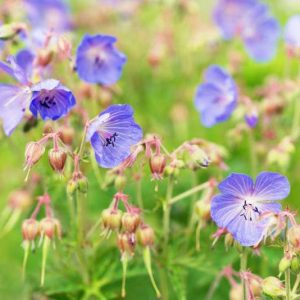
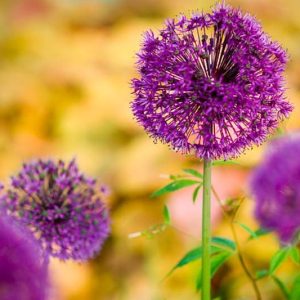
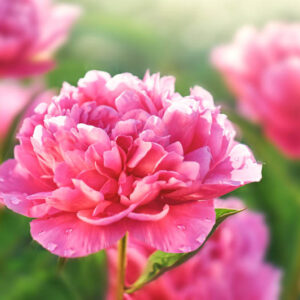
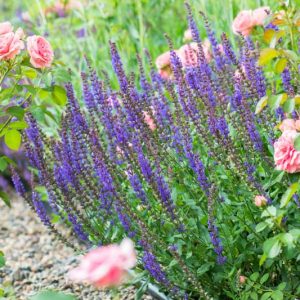
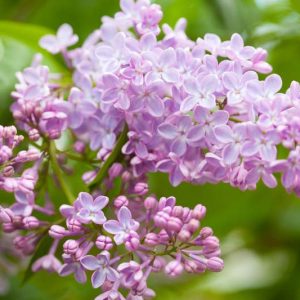
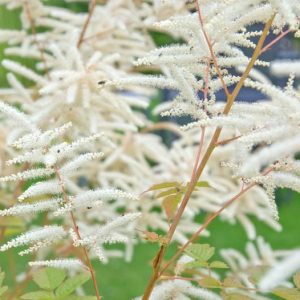
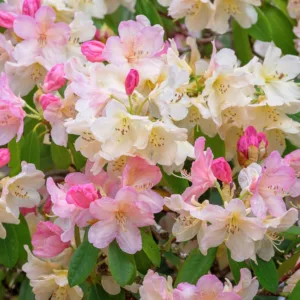
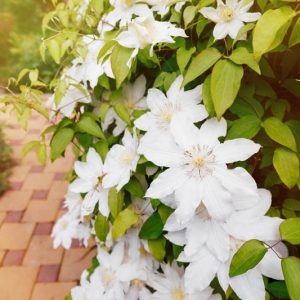
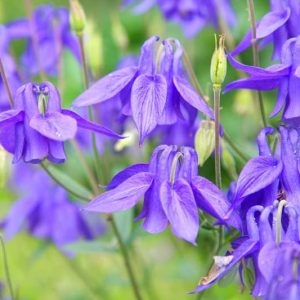
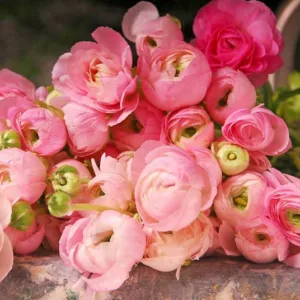
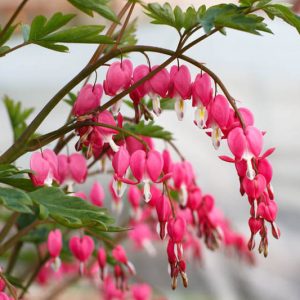
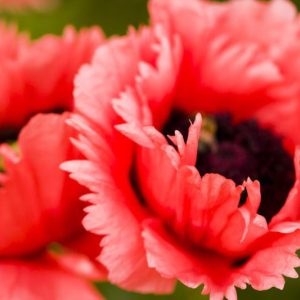
Some of the most loved spring flowers include tulips, daffodils, hyacinths, crocuses, primroses, peonies, lilacs, and magnolias. They’re prized for their vibrant colors and early blooms after winter.
Many spring-flowering bulbs (like tulips and daffodils) are planted in the fall, about 6–8 weeks before the ground freezes. Perennials and annuals for spring can be planted in early spring once the soil is workable.
Crocuses, snowdrops, and daffodils are among the earliest bloomers, often appearing in late winter to very early spring.
It depends on the type: perennials (like tulips, peonies, daffodils) return year after year, while annuals (like pansies or some primroses) last only one season.
Tulips, daffodils, hyacinths, lilacs, peonies, and ranunculus are excellent spring flowers for cut arrangements due to their long-lasting blooms.
Pet-safe options include pansies, snapdragons, violets, and roses. Be cautious with tulips, daffodils, hyacinths, and lilies, which can be toxic to cats and dogs.
Choose varieties with staggered bloom times, plant in partial shade to slow fading, water consistently, and deadhead spent flowers to encourage longer displays.
Daffodils, crocuses, grape hyacinths, and hellebores are hardy, naturalize easily, and need minimal care once planted.
| Plant Type | Annuals, Bulbs, Perennials |
|---|---|
| Genus | Allium, Anemone, Aquilegia, Astilbe, Clematis, Crocus, Dicentra, Galanthus, Geranium, Helleborus, Iris, Muscari, Myosotis, Narcissus, Paeonia, Primula, Rhododendron, Salvia, Syringa, Trillium, Tulipa, Viola |
| Season of Interest | Spring (Early, Mid, Late), Summer (Early) |
| Toxic to Humans | No known toxicity |
| Toxic to Cats | No known toxicity |
| Toxic to Dogs | No known toxicity |
| Toxic to Horses | No known toxicity |
Create a membership account to save your garden designs and to view them on any device.
Becoming a contributing member of Gardenia is easy and can be done in just a few minutes. If you provide us with your name, email address and the payment of a modest $25 annual membership fee, you will become a full member, enabling you to design and save up to 25 of your garden design ideas.
Join now and start creating your dream garden!
Create a membership account to save your garden designs and to view them on any device.
Becoming a contributing member of Gardenia is easy and can be done in just a few minutes. If you provide us with your name, email address and the payment of a modest $25 annual membership fee, you will become a full member, enabling you to design and save up to 25 of your garden design ideas.
Join now and start creating your dream garden!