Lady's Mantle, Garden Lady's Mantle, Lady's-mantle, Soft Lady's-mantle, Common Lady's-mantle, Giant Lady's Mantle, Alchemilla acutiloba var. mollis, Alchemilla montana, Potentilla alchemollis, Alchemilla major, Alchemilla vulgaris subsp. pratensis, Alchemilla vulgaris subsp. xanthochlora

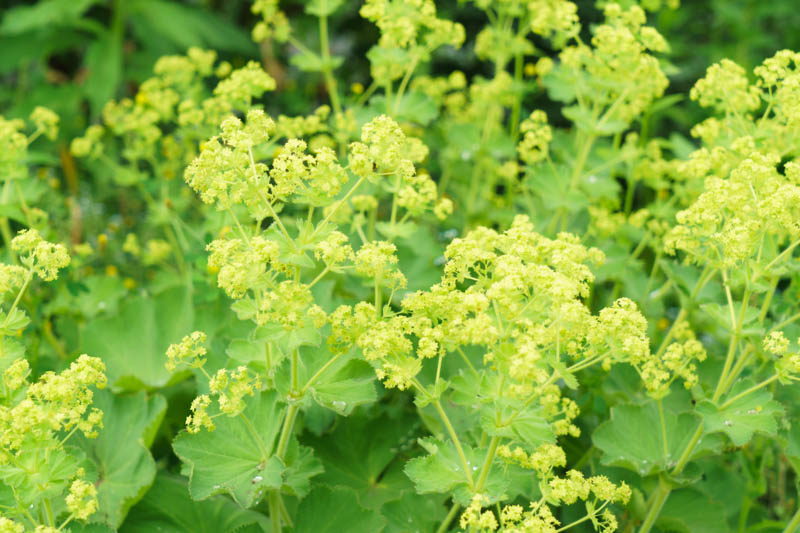
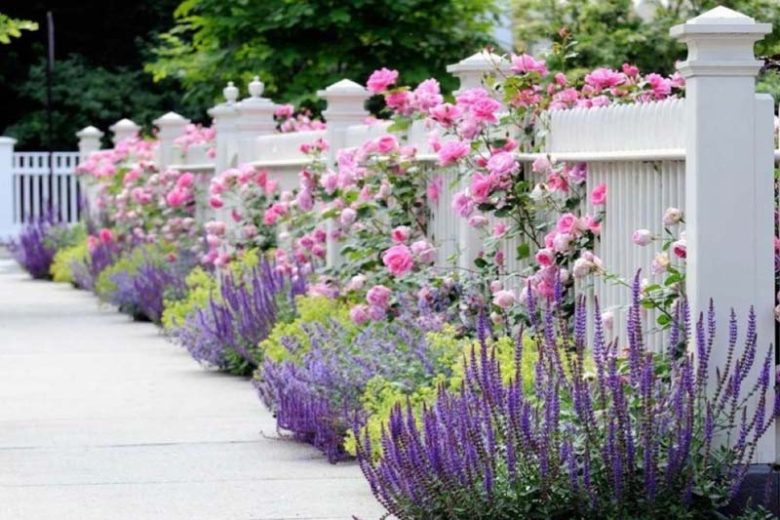
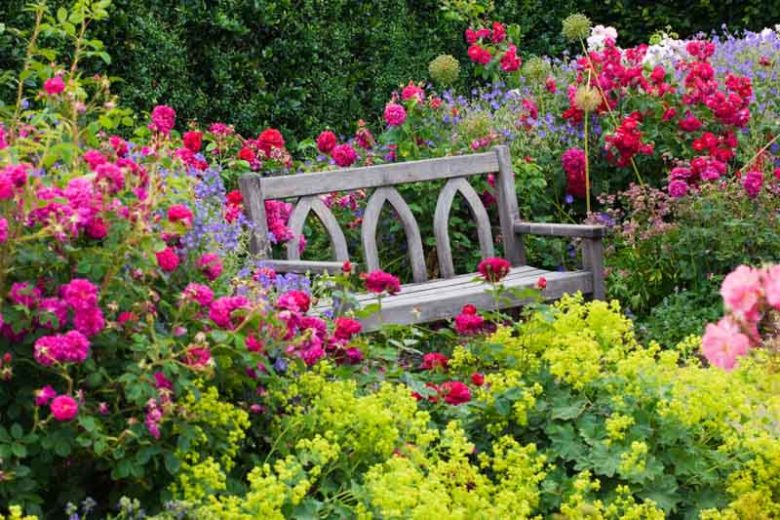
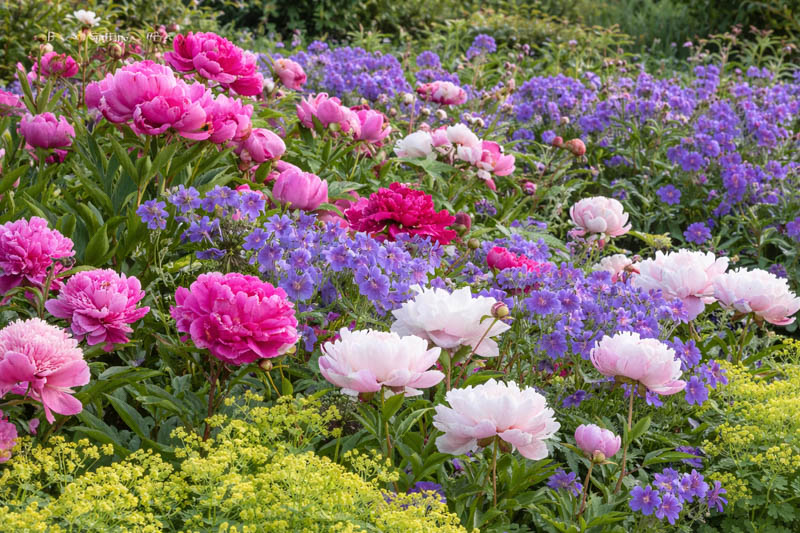
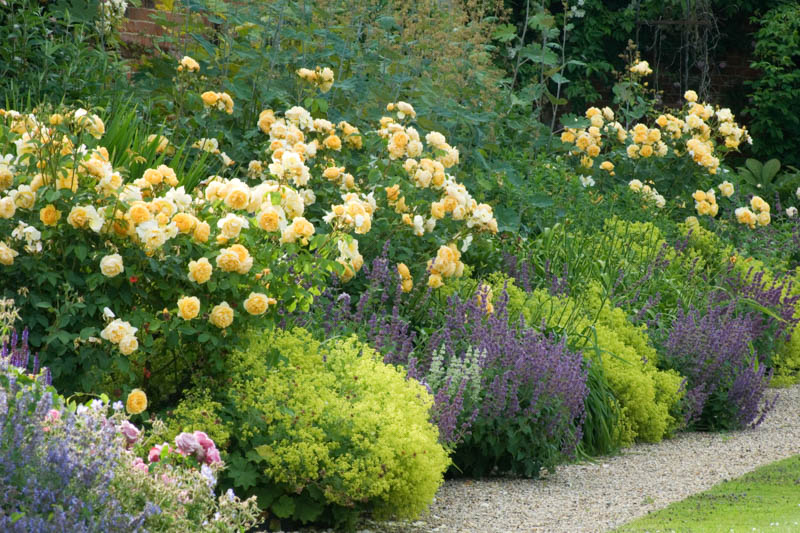


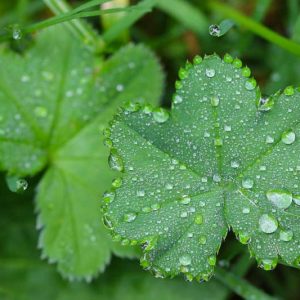
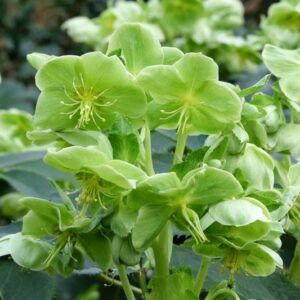
Alchemilla mollis, known to gardeners worldwide as Lady’s Mantle, is a soft, mounding herbaceous perennial loved for its scalloped, velvety leaves that magically hold sparkling droplets after a rain or morning dew. This enchanting feature, along with its clouds of chartreuse star-shaped bloom clusters from late spring to early summer, makes it a must-have for borders, path edges, groundcover drifts, and romantic cottage-style gardens.
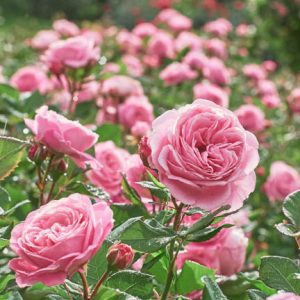
Native to the Eastern Carpathians and the Caucasus, and cultivated in gardens since the 19th century, Lady’s Mantle is both tough and graceful. Its dense, low mounds of soft, downy, pale-green leaves blend effortlessly with nearly any perennial companion—from bold roses to airy grasses—and in ideal conditions it may rebloom later in summer if spent flowers are trimmed. Long admired for its versatility, it has earned the prestigious Award of Garden Merit from the Royal Horticultural Society.
Summary: A clump-forming perennial with velvety scalloped leaves and airy sprays of greenish-yellow, star-shaped flowers from late spring to early summer.
Use: Front of borders, path edging, groundcover, cottage gardens, cutting gardens, and underplanting shrubs or trees.
Highlight: Famous for its dew-catching leaves and frothy chartreuse blooms; extremely low-maintenance and dependable.
Note: Prefers full sun to part shade in moist, well-drained soils; can self-seed freely unless spent blooms are removed.
| Botanical Name | Alchemilla mollis |
|---|---|
| Family | Rosaceae (Rose family) |
| Common Names | Lady’s Mantle, Garden Lady’s Mantle |
| Native Range | Eastern Carpathians and Caucasus |
| Plant Type & Habit | Herbaceous perennial; dense, mounding, spreading |
| Hardiness (USDA) | Zones 3–8 |
| Size | 12–18 in. tall (30–45 cm); 18–24 in. wide (45–60 cm) |
| Sun & Exposure | Full sun to part shade; afternoon shade ideal in hotter climates |
| Soil | Average, moist, well-drained soils; tolerant of different pH levels |
| Seasonal Interest | Bloom from late spring to early summer; ornamental foliage all season |
| Primary Uses | Borders, edging, mass plantings, cottage gardens, cutting gardens, groundcover |
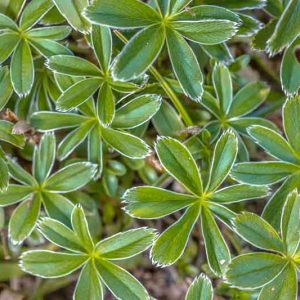
Alchemilla mollis is a charming mounding perennial forming rounded clumps of soft, circular leaves 3–6 inches wide. Each leaf has 9–11 shallow lobes and is covered in fine hairs, giving it a velvety texture that captures droplets of water. These droplets, historically thought to possess magical or alchemical properties, inspired the plant’s genus name Alchemilla, likely derived from Arabic roots tied to alchemy. The species epithet mollis means “soft,” perfectly describing its touchable foliage.
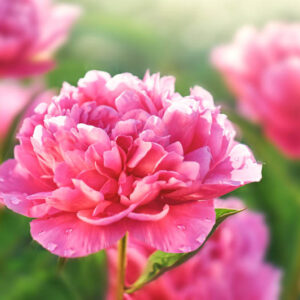
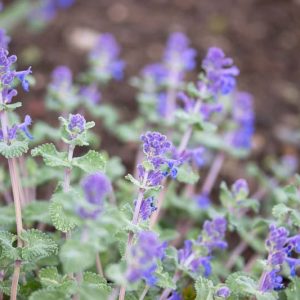
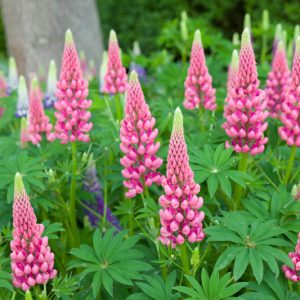
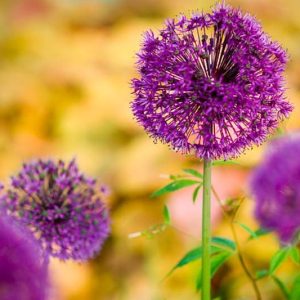
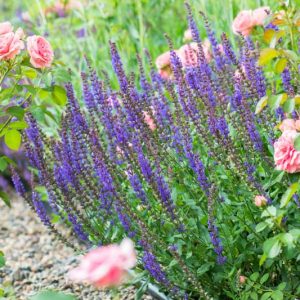
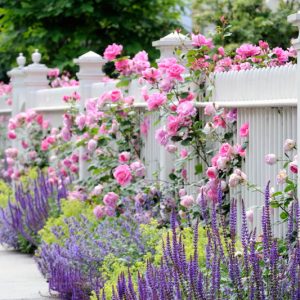
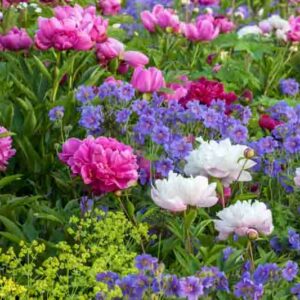
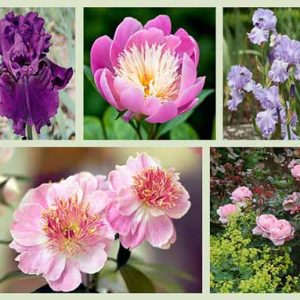
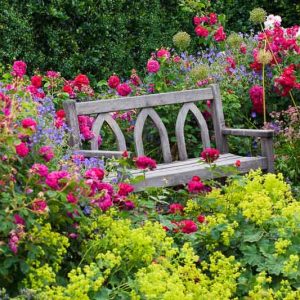
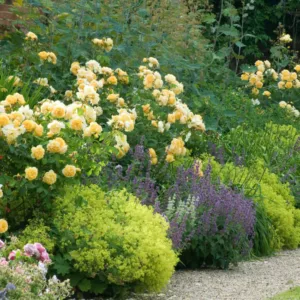
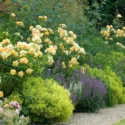
The real show begins in late spring when airy sprays of chartreuse, star-shaped flowers rise above the foliage, creating a frothy, sea-foam effect. The blooms are excellent in fresh arrangements or dried crafts, and their soft color blends beautifully with roses, peonies, salvias, nepeta, geraniums, and ornamental grasses.
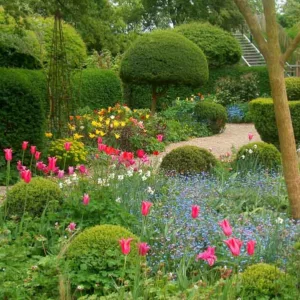
Because it spreads gradually and fills space gracefully, Lady’s Mantle is a staple in English gardens, cottage gardens, and naturalistic plantings. Its ability to soften hard edges makes it a favorite along paths, terraces, and stonework.
Lady’s Mantle originates in the Eastern Carpathians and the Caucasus, where it grows in:
This perennial forms compact, leafy hummocks about 12 inches high and up to 18 inches wide. Flower stalks rise to 18 inches in early summer. Once established, it spreads moderately, forming dense mats ideal for suppressing weeds and covering bare soil.
The bloom season begins in late spring and continues into early summer. If flower stems are removed before seeds form, Lady’s Mantle may offer a second flush of blooms in late summer. The flowers are small, star-shaped, and chartreuse—a uniquely soft yet luminous color that complements nearly everything.
The velvety, scalloped leaves remain attractive from spring through fall. Their ability to hold perfect droplets after rain or dew has made Lady’s Mantle iconic in photography and garden design.
Hardy in USDA Zones 3–8, Lady’s Mantle tolerates cold winters, shade, and a range of soil pH levels. It may scorch in intense full sun in hot climates, so afternoon shade is helpful.
The nectar-rich flowers attract butterflies and beneficial insects. Rabbit and deer usually avoid the foliage.
While not a desert plant, Lady’s Mantle handles short dry periods once established but performs best with consistent moisture.
Generally considered non-toxic. It has a history of herbal use, though modern gardeners grow it primarily for ornament.
Can be invasive in parts of the Pacific Northwest (including Oregon) and may spread by self-seeding and gradual expansion in cool, moist conditions. Deadhead promptly to prevent seed set, remove seedlings early, and avoid planting near natural areas where it can escape cultivation.
Apply a light topdressing of compost or a balanced, slow-release fertilizer in spring to refresh the soil and support healthy leaf and flower growth; beyond this, Lady’s Mantle rarely needs heavy feeding and will often thrive with simple garden compost alone.
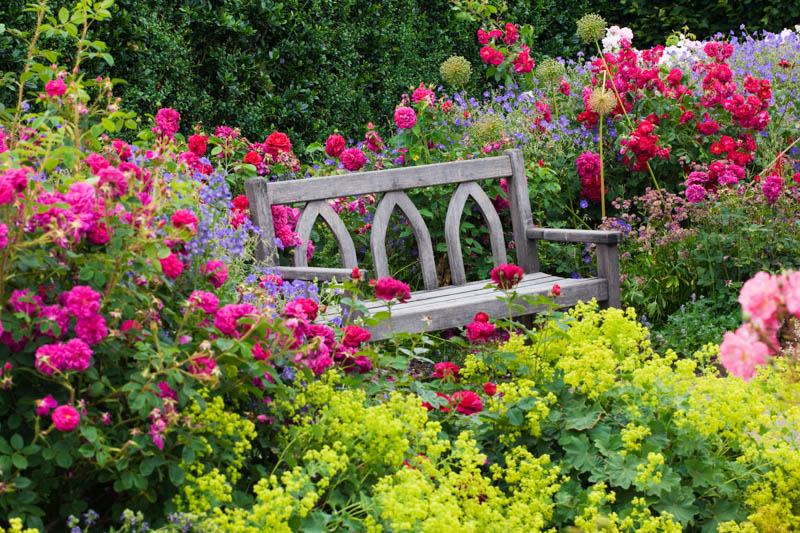
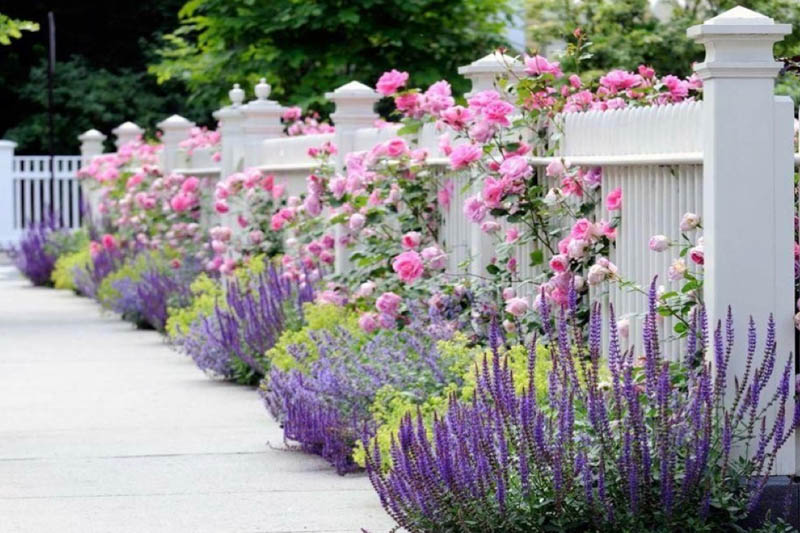
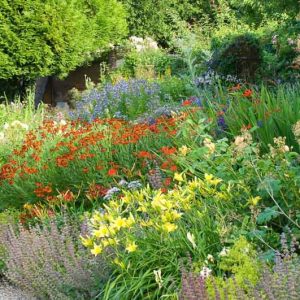
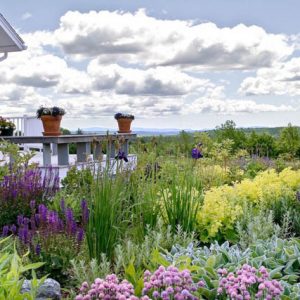
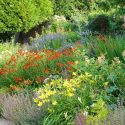
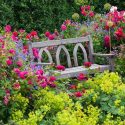
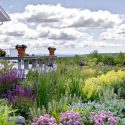
Alchemilla mollis is widely used as a softening edge plant along borders and paths, as a filler in cottage gardens, and as a groundcover under shrubs or trees. Its frothy chartreuse flowers and velvety leaves make it ideal for blending contrasting plants and creating cohesive planting schemes.
The leaves of Lady’s Mantle are covered in fine hairs that create surface tension, allowing water to bead perfectly rather than run off. This feature is a defining characteristic of the plant and contributes greatly to its ornamental appeal, especially after rain or morning dew.
Lady’s Mantle spreads slowly by clump expansion and can self-seed generously in ideal conditions. While not considered invasive, it can naturalize if spent flower heads are not removed. Deadheading prevents unwanted seedlings and keeps the plant neatly contained.
Yes. Alchemilla mollis is generally deer and rabbit resistant, as its slightly hairy, textured foliage is not favored by browsing animals. This makes it a reliable choice in gardens where wildlife pressure is high.
Lady’s Mantle blooms from late spring to early summer, producing airy sprays of small, chartreuse, star-shaped flowers. If deadheaded promptly, the plant may offer a second, lighter flush of blooms in late summer.
Most plants reach 12–18 inches in height and spread 18–24 inches wide. Flowering stems may extend slightly above the foliage mound during peak bloom.
Lady’s Mantle grows well in part shade and tolerates full shade, though flowering may be reduced. Its ability to thrive in low-light areas makes it valuable for underplanting trees and shrubs.
Cutting the plant back after flowering helps maintain its compact shape and prevents stems from flopping open. Adequate moisture and partial shade in hot climates also reduce stress that can cause sprawling.
Absolutely. The airy greenish-yellow blooms are excellent in floral arrangements, both fresh and dried. They add texture, lightness, and color contrast to bouquets and are prized by floral designers.
Lady’s Mantle is generally trouble-free. The most common issues are leaf scorch in hot, dry sun and minor leaf spotting in crowded, damp conditions. Both can be corrected by adjusting light exposure, spacing, and watering practices.
University Extension Resources; Horticultural texts on Rosaceae perennials; observational horticultural data on Alchemilla mollis.
Updated: December 2025 • Reviewed by Gardenia Editors
| Hardiness |
3 - 8 |
|---|---|
| Heat Zones |
1 - 7 |
| Climate Zones | 1, 2, 3, 4, 5, 6, 7, 8, 9, 10, 11, 12, 13, 14, 15, 16, 17, 18, 19, 20, 21, 22, 23, 24, A2, A3 |
| Plant Type | Perennials |
| Plant Family | Rosaceae |
| Genus | Alchemilla |
| Common names | Lady's Mantle |
| Exposure | Full Sun, Partial Sun, Shade |
| Season of Interest | Spring (Late), Summer (Early) |
| Height | 1' - 2' (30cm - 60cm) |
| Spread | 1' - 2' (30cm - 60cm) |
| Spacing | 18" - 24" (50cm - 60cm) |
| Maintenance | Low |
| Water Needs | Average |
| Soil Type | Chalk, Clay, Loam, Sand |
| Soil pH | Acid, Alkaline, Neutral |
| Soil Drainage | Moist but Well-Drained |
| Characteristics | Dried Arrangements, Cut Flowers, Plant of Merit, Showy |
| Tolerances | Deer, Rabbit, Heat, Fire |
| Attracts | Butterflies |
| Garden Uses | Banks And Slopes, Beds And Borders, Edging, Ground Covers, Underplanting Roses And Shrubs |
| Garden Styles | Gravel and Rock Garden, Informal and Cottage |
| Toxic to Humans | No known toxicity |
| Toxic to Cats | No known toxicity |
| Toxic to Dogs | No known toxicity |
| Toxic to Horses | No known toxicity |


| Hardiness |
3 - 8 |
|---|---|
| Heat Zones |
1 - 7 |
| Climate Zones | 1, 2, 3, 4, 5, 6, 7, 8, 9, 10, 11, 12, 13, 14, 15, 16, 17, 18, 19, 20, 21, 22, 23, 24, A2, A3 |
| Plant Type | Perennials |
| Plant Family | Rosaceae |
| Genus | Alchemilla |
| Common names | Lady's Mantle |
| Exposure | Full Sun, Partial Sun, Shade |
| Season of Interest | Spring (Late), Summer (Early) |
| Height | 1' - 2' (30cm - 60cm) |
| Spread | 1' - 2' (30cm - 60cm) |
| Spacing | 18" - 24" (50cm - 60cm) |
| Maintenance | Low |
| Water Needs | Average |
| Soil Type | Chalk, Clay, Loam, Sand |
| Soil pH | Acid, Alkaline, Neutral |
| Soil Drainage | Moist but Well-Drained |
| Characteristics | Dried Arrangements, Cut Flowers, Plant of Merit, Showy |
| Tolerances | Deer, Rabbit, Heat, Fire |
| Attracts | Butterflies |
| Garden Uses | Banks And Slopes, Beds And Borders, Edging, Ground Covers, Underplanting Roses And Shrubs |
| Garden Styles | Gravel and Rock Garden, Informal and Cottage |
| Toxic to Humans | No known toxicity |
| Toxic to Cats | No known toxicity |
| Toxic to Dogs | No known toxicity |
| Toxic to Horses | No known toxicity |
How many Alchemilla mollis (Lady’s Mantle) do I need for my garden?
| Plant | Quantity | |
|---|---|---|
| Alchemilla mollis (Lady’s Mantle) | N/A | Buy Plants |
Create a membership account to save your garden designs and to view them on any device.
Becoming a contributing member of Gardenia is easy and can be done in just a few minutes. If you provide us with your name, email address and the payment of a modest $25 annual membership fee, you will become a full member, enabling you to design and save up to 25 of your garden design ideas.
Join now and start creating your dream garden!
Create a membership account to save your garden designs and to view them on any device.
Becoming a contributing member of Gardenia is easy and can be done in just a few minutes. If you provide us with your name, email address and the payment of a modest $25 annual membership fee, you will become a full member, enabling you to design and save up to 25 of your garden design ideas.
Join now and start creating your dream garden!