Hummingbird Sage, California Hummingbird Sage, Pitcher Sage
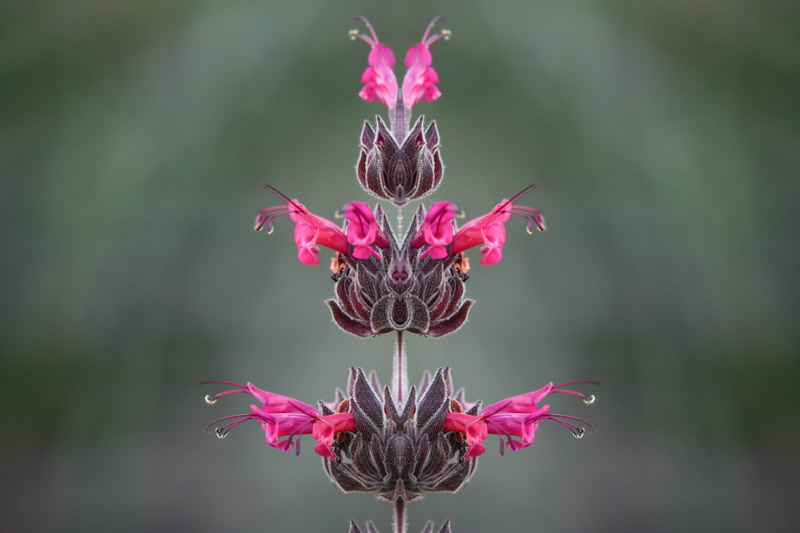
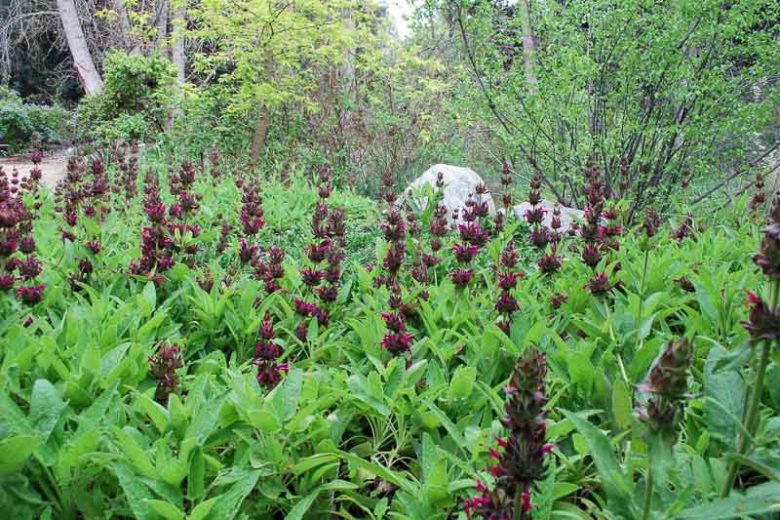
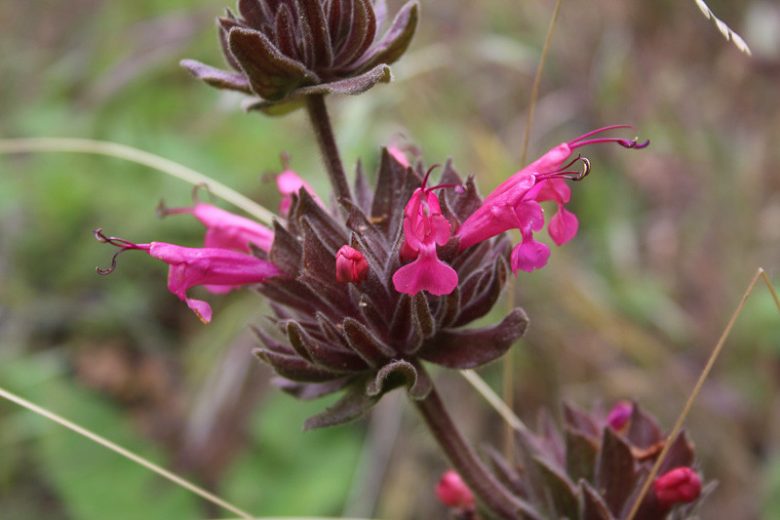


Salvia spathacea, widely known as hummingbird sage, is one of those rare plants that solves a real garden problem beautifully: how to bring color, fragrance, and wildlife value into dry shade. Native to coastal California, this semi-evergreen perennial spreads gently by rhizomes, forming lush mats of aromatic foliage topped by striking rose-pink flower spikes in spring.
Gardeners love it for more than its looks. The softly wrinkled, scalloped leaves release a pleasant herbal scent when brushed, the flowers are irresistible to hummingbirds, and the plant thrives where many ornamentals struggle — beneath trees, along shaded paths, and on dry slopes with minimal irrigation.
Summary: Aromatic, semi-evergreen rhizomatous perennial forming a dense foliage mat with upright spikes of rose-pink flowers held in maroon calyces and backed by showy maroon bracts.
Use: Excellent for dry shade, woodland edges, native gardens, slopes, path borders, and small-scale groundcover.
Highlight: Long spring display with bracts and calyces that stay ornamental for weeks after bloom.
Note: Best in well-drained soil with low to occasional water once established.
| Botanical Name | Salvia spathacea |
|---|---|
| Family | Mint family (Lamiaceae) |
| Common Names | Hummingbird Sage, California Hummingbird Sage |
| Native Range | Central and Southern California coastal and inner Coast Ranges, from about Orange County to Napa County. |
| Native Habitat | Coastal sage scrub, chaparral edges, and woodland margins; often on shaded slopes with seasonal drought |
| Plant Type and Habit | Semi-evergreen spreading perennial that expands by underground rhizomes to form a dense foliage mat |
| Hardiness (approx. USDA) | Hardy in USDA Zones 8-11 (often evergreen in mild-winter climates) |
| Height | 12-36 in. (30-90 cm); flowering stems typically rise to about 2-3 ft |
| Spread | 3-5 ft (90-150 cm) as it slowly spreads by rhizomes |
| Spacing | 48-60 in. (120-150 cm) for airflow and room to spread |
| Sun and Exposure | Thrives in full sun to partial shade; especially valuable in light to dry shade in warm climates |
| Soil | Prefers light, moderately fertile, well-drained soils; avoid soggy winter sites |
| Water Needs | Water to establish; after year one, provide little to occasional irrigation (often once or twice a month) in dry spells |
| Seasonal Interest | Blooms from spring into early summer, with occasional fall rebloom in good conditions |
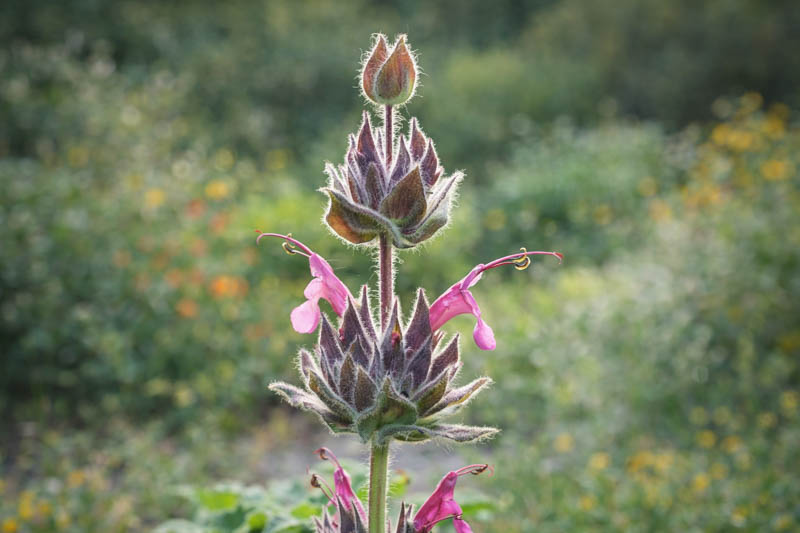
| Flower Color | Rose-pink flowers with maroon calyces and showy maroon bracts |
| Foliage Color | Bright green, arrow-shaped leaves with a textured, wrinkled surface |
| Fragrance | Aromatic foliage with a pleasant herbal scent when touched or crushed |
| Drought Tolerant | Yes – drought tolerant once established |
| Deer Resistant | Yes – typically deer resistant due to aromatic foliage |
| Good for Pollination | Yes – attracts hummingbirds and butterflies; also visited by bees |
| Toxicity | Generally considered low toxicity – discourage chewing |
| Invasive Status | Not considered invasive in typical garden use |
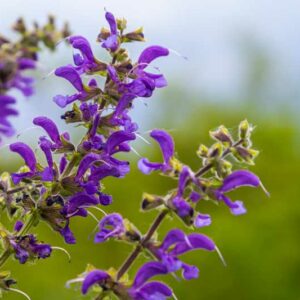
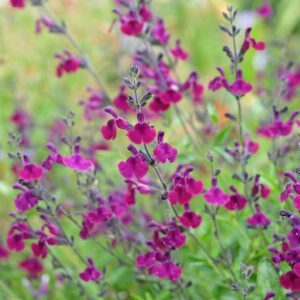
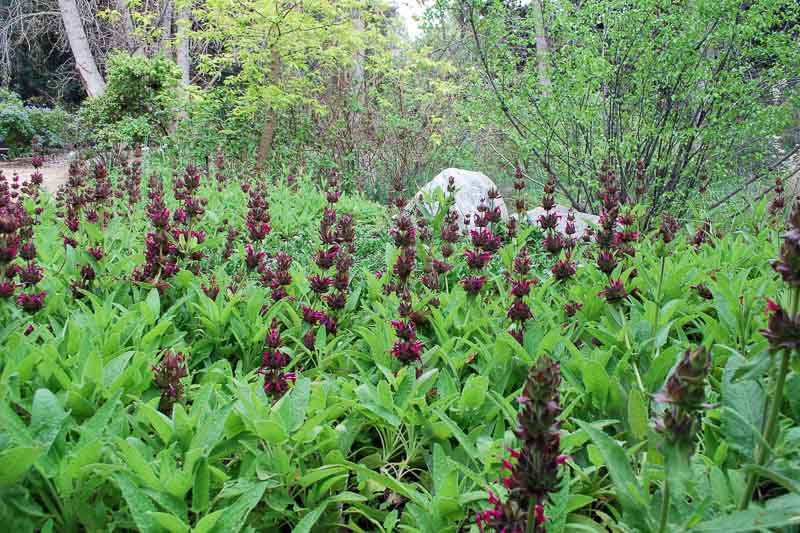
Hummingbird sage is a spreading perennial with bold, arrow-shaped leaves that form a dense, attractive ground layer. In spring, stout flower stems rise above the foliage, displaying pagoda-like whorls of rose-pink flowers backed by dark maroon calyces and bracts. Even after flowering, these structures remain ornamental for weeks.
Salvia spathacea is endemic to California, ranging from Orange County north through the Coast Ranges to Napa Valley. It naturally grows in open woodlands, chaparral edges, and shaded slopes — environments that explain its tolerance for dry shade and seasonal drought.
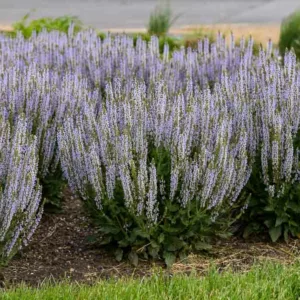
This sage spreads slowly by underground rhizomes, forming a broad clump rather than running aggressively. Growth is vigorous but controlled, making it ideal as a small-scale groundcover beneath trees or along paths.
Bloom typically begins in spring and may continue into early summer, with occasional rebloom in fall. Each stem can carry up to 10-20 rose-pink blossoms, creating a long-lasting display that hummingbirds find irresistible. Both bracts and calyxes remain showy for weeks after the flowers fade.
The strongly aromatic leaves are bright green, arrow-shaped, scalloped, and wrinkled, 6-10 inches long (15-25 cm). In mild winter regions, foliage remains evergreen; in colder zones, it may die back partially and return vigorously in spring.
Salvia spathacea (hummingbird sage) is generally grown in USDA Zones 8-11. In mild-winter climates it often stays attractive and semi-evergreen year-round. In colder parts of its range, foliage may look rough after winter, but plants typically rebound with fresh spring growth once temperatures warm.
This plant is not just a local favorite – Salvia spathacea has received the prestigious Award of Garden Merit (AGM) from the Royal Horticultural Society, a recognition given to plants that perform reliably well in gardens and offer outstanding ornamental value.
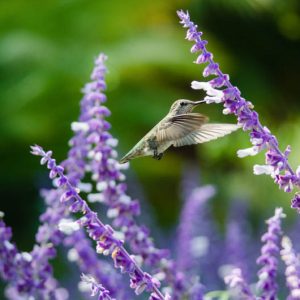
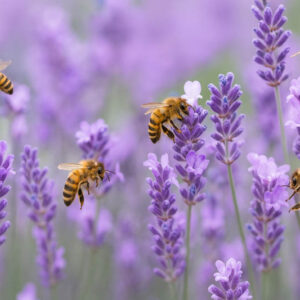
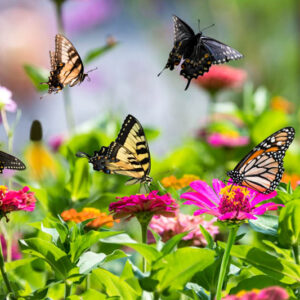
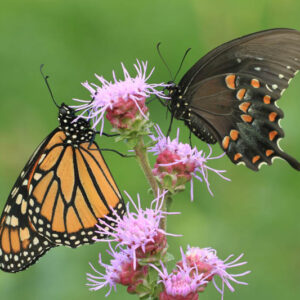
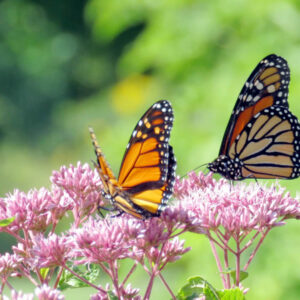
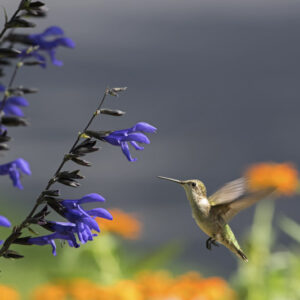
This is a true pollinator performer. The spring flower spikes are highly attractive to hummingbirds, and the blooms also draw
butterflies and plenty of bees. In a low-water garden, that dependable nectar source matters – it keeps the garden lively when many shade plants are strictly foliage-only.
Hummingbird sage is widely described as deer-resistant and often avoided by rabbits as well, thanks to its aromatic foliage. As always, “resistant” is not “immune,” but it is generally not a preferred browse plant – especially once established.
Once established, Salvia spathacea is drought-tolerant and performs beautifully with low irrigation. After the first year, it usually needs only occasional deep watering during extended dry spells (often once or twice a month in summer, depending on heat, soil, and shade). In dry shade, this plant is especially valuable because it stays present and attractive when many plants fade.
Salvia spathacea is generally considered a low-toxicity ornamental, but it is not a food plant. If you garden with pets or small children, treat it as a “look, don’t snack” perennial and discourage chewing. The aromatic leaves are part of its natural defense, and most animals leave it alone.
Hummingbird sage is not listed as invasive in state or regional invasive plant databases.. It spreads slowly by underground rhizomes, forming a stable colony rather than a runaway patch. In the right conditions, it can become a generous groundcover – but it is usually easy to guide, edge, or thin if you want to keep it tighter.
Fertilizer is rarely needed. In fact, heavy feeding can push soft growth that flops and shortens the plant’s natural, sturdy habit. If your soil is extremely lean and the plant looks pale, a light compost top-dressing in spring is plenty – keep it gentle.
Hummingbird sage transplants best in cool weather – fall through early spring is ideal. Water the plant the day before moving, lift with a wide root ball, and replant promptly into well-drained soil. Keep it evenly moist (not soggy) for a few weeks while it re-establishes.
Propagation is commonly done by seed. In gardens where the plant forms a mature patch, small rhizome pieces can sometimes be separated and replanted carefully, but seed is the simplest, most consistent approach for most growers. Use a free-draining mix, avoid constant saturation, and pot up seedlings once they have several true leaves.
Good news – hummingbird sage is generally fairly pest free. In stressed conditions, you may occasionally see minor issues like aphids on new growth, but serious infestations are uncommon.
Disease problems are typically cultural rather than widespread. The most common trouble comes from poor drainage or overwatering, especially in cool weather when soil stays wet.
Hummingbird sage (Salvia spathacea) is a semi-evergreen California native perennial known for fragrant foliage, rose-pink spring flowers, and excellent performance in dry shade.
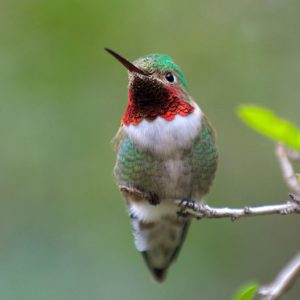
Hummingbird sage gets its name from its nectar-rich flowers, which are especially attractive to hummingbirds during spring bloom.
Yes. Hummingbird sage is endemic to California, naturally occurring from Southern California north through the Coast Ranges to Napa Valley.
Hummingbird sage blooms primarily in spring into early summer, with occasional repeat flowering in fall under favorable conditions.
Mature hummingbird sage typically grows 1–3 feet tall and spreads 3–5 feet wide over time by underground rhizomes.
Hummingbird sage is semi-evergreen—remaining leafy year-round in mild climates and briefly thinning in colder winters before regrowing in spring.
Hummingbird sage grows in full sun to partial shade, but it is especially valued for thriving in light to dry shade where many plants struggle.
After establishment, hummingbird sage usually needs watering only once or twice a month during dry periods.
Salvia spathacea is a fragrant, semi-evergreen California native that blooms in spring into early summer with rose-pink flowers and thrives in dry shade, spreading slowly into a handsome groundcover while feeding hummingbirds and other pollinators.
California native plant cultivation notes – habitat, growth habit, and dry shade performance for Salvia spathacea
Water-wise garden guidance – irrigation limits, drainage priorities, and deadheading approach for native sages
Updated: January 2026 – Reviewed by Gardenia Editors
| Hardiness |
8 - 11 |
|---|---|
| Climate Zones | 7, 8, 9, 14, 15, 16, 17, 18, 19, 20, 21, 22, 23, 24 |
| Plant Type | Perennials |
| Plant Family | Lamiaceae |
| Genus | Salvia |
| Common names | Sage |
| Exposure | Full Sun, Partial Sun |
| Season of Interest | Spring (Early, Mid, Late), Summer (Early, Mid, Late), Winter |
| Height | 1' - 3' (30cm - 90cm) |
| Spread | 3' - 5' (90cm - 150cm) |
| Spacing | 48" - 60" (120cm - 150cm) |
| Maintenance | Low |
| Water Needs | Low |
| Soil Type | Chalk, Loam, Sand |
| Soil pH | Acid, Alkaline, Neutral |
| Soil Drainage | Well-Drained |
| Characteristics | Fragrant, Plant of Merit, Showy, Semi-Evergreen |
| Native Plants | California, United States |
| Tolerances | Drought, Deer, Erosion |
| Attracts | Bees, Birds, Butterflies, Hummingbirds |
| Garden Uses | Beds And Borders, Ground Covers, Wall-Side Borders |
| Garden Styles | City and Courtyard, Coastal Garden, Informal and Cottage, Mediterranean Garden |
| Toxic to Humans | No known toxicity |
| Toxic to Cats | No known toxicity |
| Toxic to Dogs | No known toxicity |
| Toxic to Horses | No known toxicity |

| Hardiness |
8 - 11 |
|---|---|
| Climate Zones | 7, 8, 9, 14, 15, 16, 17, 18, 19, 20, 21, 22, 23, 24 |
| Plant Type | Perennials |
| Plant Family | Lamiaceae |
| Genus | Salvia |
| Common names | Sage |
| Exposure | Full Sun, Partial Sun |
| Season of Interest | Spring (Early, Mid, Late), Summer (Early, Mid, Late), Winter |
| Height | 1' - 3' (30cm - 90cm) |
| Spread | 3' - 5' (90cm - 150cm) |
| Spacing | 48" - 60" (120cm - 150cm) |
| Maintenance | Low |
| Water Needs | Low |
| Soil Type | Chalk, Loam, Sand |
| Soil pH | Acid, Alkaline, Neutral |
| Soil Drainage | Well-Drained |
| Characteristics | Fragrant, Plant of Merit, Showy, Semi-Evergreen |
| Native Plants | California, United States |
| Tolerances | Drought, Deer, Erosion |
| Attracts | Bees, Birds, Butterflies, Hummingbirds |
| Garden Uses | Beds And Borders, Ground Covers, Wall-Side Borders |
| Garden Styles | City and Courtyard, Coastal Garden, Informal and Cottage, Mediterranean Garden |
| Toxic to Humans | No known toxicity |
| Toxic to Cats | No known toxicity |
| Toxic to Dogs | No known toxicity |
| Toxic to Horses | No known toxicity |
How many Salvia spathacea (Hummingbird Sage) do I need for my garden?
| Plant | Quantity | |
|---|---|---|
| Salvia spathacea (Hummingbird Sage) | N/A | Buy Plants |
Create a membership account to save your garden designs and to view them on any device.
Becoming a contributing member of Gardenia is easy and can be done in just a few minutes. If you provide us with your name, email address and the payment of a modest $25 annual membership fee, you will become a full member, enabling you to design and save up to 25 of your garden design ideas.
Join now and start creating your dream garden!
Create a membership account to save your garden designs and to view them on any device.
Becoming a contributing member of Gardenia is easy and can be done in just a few minutes. If you provide us with your name, email address and the payment of a modest $25 annual membership fee, you will become a full member, enabling you to design and save up to 25 of your garden design ideas.
Join now and start creating your dream garden!