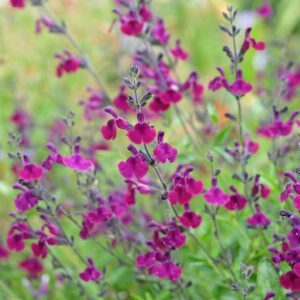
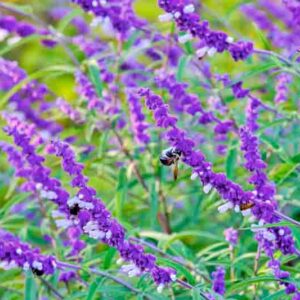
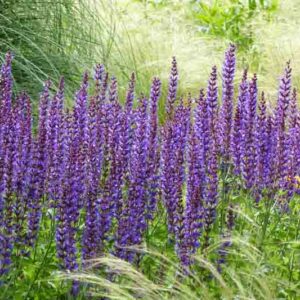
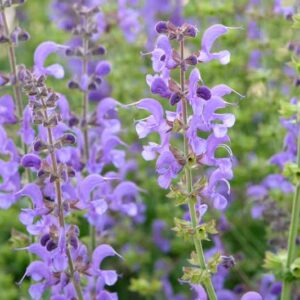
Sage 'Hot Lips', Salvia x jamensis 'Hot Lips', Salvia microphylla 'Hot Lips'

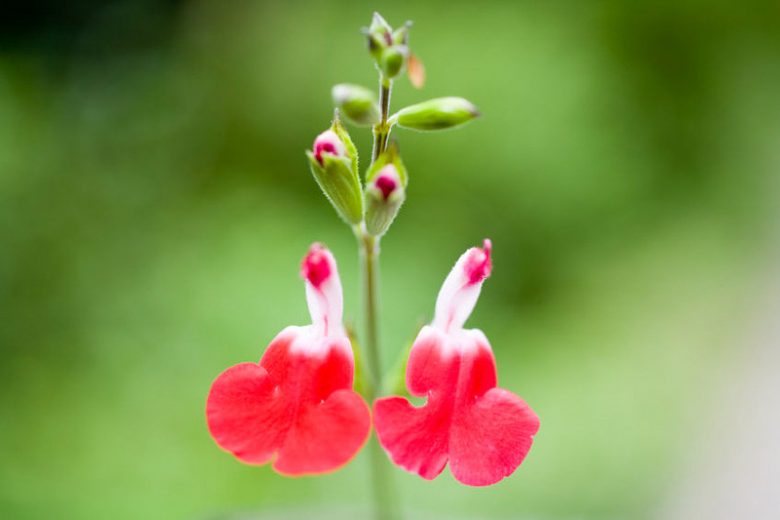
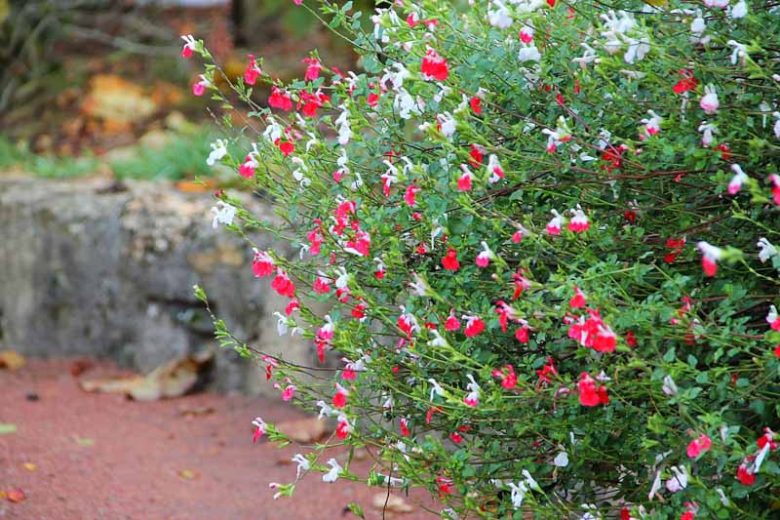


Looking for a plant that brings instant cheer, nonstop blooms, and plenty of personality to the garden? Salvia ‘Hot Lips’—one of the most iconic bicolor salvias—delivers exactly that. With its charming red and white tubular flowers, aromatic foliage, and exceptional drought tolerance, this compact shrub sage lights up borders, beds, and containers from late spring until frost.
A natural showstopper and pollinator magnet, Hot Lips sage thrives in full sun, well drained soil, and low-water conditions. Its flowers can shift between red, red-and-white, and white depending on temperature—giving gardeners an ever-changing, whimsical display. Whether you’re creating a cottage garden, a hummingbird haven, or a Mediterranean-style planting, Salvia ‘Hot Lips’ brings long-lasting beauty with very little fuss.
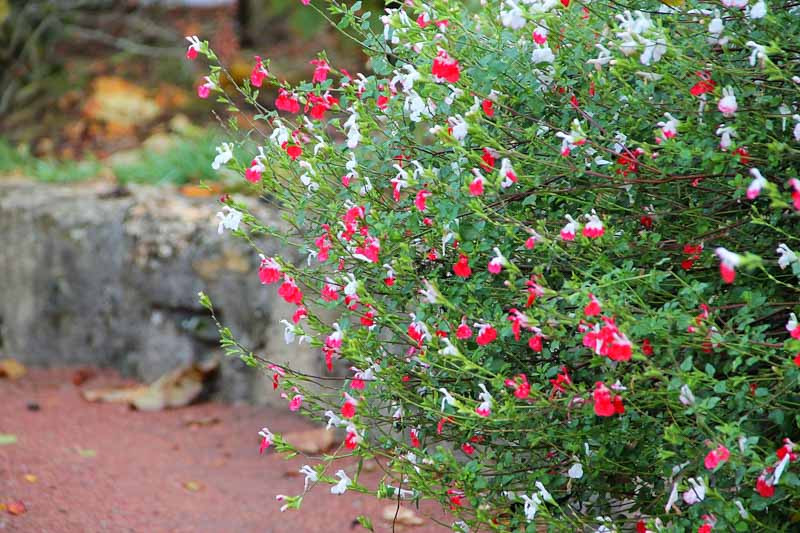
Summary: Compact, bushy evergreen to semi-evergreen shrub sage with aromatic foliage and distinctive red-and-white tubular flowers that bloom from late spring into fall.
Use: Cottage gardens, pollinator gardens, Mediterranean plantings, containers, mixed borders, drought tolerant landscapes.
Highlight: Unique bicolor flowers that may shift color with temperature; outstanding wildlife value; highly heat and drought tolerant once established.
Note: Extremely easy to grow and low maintenance—perfect for gardeners seeking long-lasting color with minimal watering.
| Botanical Name | Salvia ‘Hot Lips’ (Salvia microphylla hybrid) |
|---|---|
| Family | Lamiaceae — the sage, mint, lavender, and basil family |
| Common Names | Hot Lips sage, Baby Sage, Bicolor Sage |
| Native Range | Derived from Salvia microphylla, native to southeastern Arizona and the mountainous regions of Mexico. |
| Plant Type and Habit | Compact, bushy shrub sage with a rounded, mounding habit. |
| Hardiness (USDA) | USDA Zones 8–10 |
| Size | Typically 2–3 ft. tall and wide (60–90 cm) |
| Sun and Exposure | Full sun (best flowering) or light partial shade |
| Soil | Well drained, sandy or rocky soils; tolerates poor fertility |
| Seasonal Interest | Late spring to frost bloom with striking bicolor flowers |
| Primary Uses | Borders, containers, cottage gardens, pollinator habitats, Mediterranean landscapes, xeriscapes |
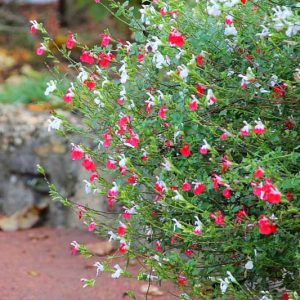
Salvia ‘Hot Lips’ is an evergreen to semi evergreen shrub known for its distinctive bicolor flowers and aromatic foliage. Its blooms—delicate red-and-white tubes—often shift color depending on weather and temperature. Hot days intensify the red pigment; cooler days create more white. Occasionally, the plant blooms entirely red or entirely white, adding an element of surprise.
The foliage consists of small, mid-green, lightly serrated leaves that release a herbal, minty fragrance when crushed. Its rounded, bushy form makes it ideal for mixed borders, wildlife gardens, and water-wise landscapes.
Hot Lips is a hybrid derived from Salvia microphylla, a species native to Arizona and the mountainous regions of Mexico. These plants naturally thrive in dry, rocky soils and sunny exposures, which explains this cultivar’s resilience and excellent drought tolerance.
To explore more about the broader salvia genus, see: What is Salvia? Understanding its role in gardening and beyond
Plant Type and Habit: Hot Lips is a bushy, well branched shrub sage typically reaching 2–3 ft. tall and wide. It maintains a naturally rounded shape that looks tidy even with minimal pruning.
Because of its airy form and constant movement in the breeze, it adds motion, texture, and playful charm to the landscape.
The defining feature of Hot Lips is its striking bicolor flowers—each bloom a combination of intense lipstick red and crisp white. Flowers are held in loose, airy clusters on upright stems. They appear first as red, transition to red-and-white, and may shift to all white late in the season.
Hot Lips is a long-season bloomer, typically flowering from late spring until frost. Regular deadheading keeps the plant tidy and encourages fresh flushes of blooms.
The small, aromatic leaves are mid green and slightly textured. When crushed, they release a refreshing herbal fragrance, making the plant especially appealing in sensory gardens or along paths where hands brush against it.
Hot Lips sage is hardy in USDA Zones 8–10. In warmer climates it remains evergreen; in colder climates it may die back but typically regrows in spring if well mulched.
Its excellent heat tolerance makes it ideal for Mediterranean and xeric regions.
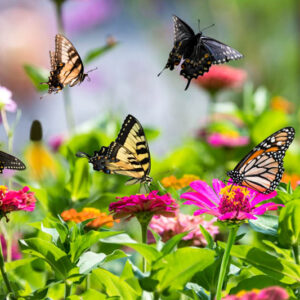
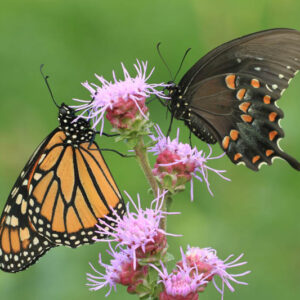
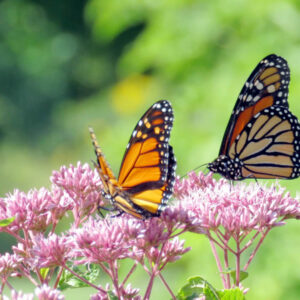
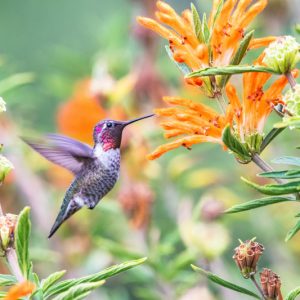
The tubular flowers are beloved by:
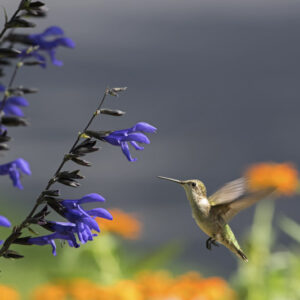
Hot Lips sage is one of the best salvias for attracting hummingbirds in particular, thanks to its tubular flower shape and extended bloom period.
Because the foliage is highly aromatic, Hot Lips is typically ignored by:
While no plant is fully deer-proof, this salvia is a smart choice in wildlife-prone areas.
Once established, this plant becomes highly drought tolerant, thriving with deep, infrequent watering. It works beautifully in low-water gardens and xeriscapes.
For more drought-loving salvias, see: Top Salvia Varieties for a Thriving Xeriscape.
Salvia ‘Hot Lips’ is considered non-toxic to pets and humans, making it safe for family gardens, play yards, and pet-friendly spaces.
This cultivar is not invasive. It may self-seed lightly but is easy to control and does not spread aggressively.
Top benefits include:
For general sage benefits: 10 Key Benefits of Growing Sage
This salvia thrives in:
Generally pest resistant, but may occasionally attract:
Use strong water sprays, insecticidal soap, or neem oil as needed.
Common issues include:
Ensure good air circulation, avoid overhead watering, and plant in well drained soil.
Salvia ‘Hot Lips’ is a compact, bushy shrub sage (a Salvia microphylla hybrid) known for its distinctive red and white bicolor flowers and aromatic foliage. It is grown primarily as an ornamental plant for borders, containers, pollinator gardens, and water wise or Mediterranean style plantings.
In USDA hardiness zones 8 to 10, Salvia ‘Hot Lips’ is a perennial and often evergreen or semi evergreen. In colder climates it is usually grown as a tender perennial or as a warm season annual, or overwintered in a protected spot.
Salvia ‘Hot Lips’ is typically hardy in USDA zones 8 to 10. In zone 7 it may survive with very good drainage and winter protection, but it is not reliably hardy in long, cold winters.
A mature Salvia ‘Hot Lips’ plant usually reaches about 2 to 3 feet (60 to 90 cm) tall and 2 to 3 feet (60 to 90 cm) wide, forming a rounded, mounding shrub.
The flowers of Salvia ‘Hot Lips’ are naturally variable. Temperature and environmental conditions influence the amount of red pigment. In hot weather flowers may be mostly red. In milder conditions they often show the classic red and white bicolor pattern. In cooler periods or late in the season they may appear mostly or entirely white. This color shifting is normal for this cultivar.
Salvia ‘Hot Lips’ has a long flowering season. In suitable conditions it typically blooms from late spring through summer and often continues into fall until the first hard frost. Regular deadheading helps extend the bloom period.
In mild climates within its hardiness range (zones 8 to 10), Salvia ‘Hot Lips’ can be evergreen or semi evergreen, keeping much of its foliage year round. In regions with colder winters, it may drop its leaves or die back to the base and then reshoot in spring if roots survive.
Yes. Once established, Salvia ‘Hot Lips’ is notably drought tolerant and well suited to low water gardens and xeriscapes. It still benefits from occasional deep watering in extended dry spells, especially in very hot climates or poor soils.
Yes. Salvia ‘Hot Lips’ grows very well in pots and containers, provided the container has good drainage and is large enough for its root system. Use a well drained potting mix, water more regularly than in the ground, and feed lightly during the growing season.
Lightly deadhead spent flower spikes throughout the season to encourage continued blooming. In late winter or early spring, before new growth begins, cut the plant back by about one third to one half to maintain a compact, bushy shape and stimulate fresh growth. Avoid cutting into very old, woody stems that show no green buds.
| Hardiness |
8 - 10 |
|---|---|
| Heat Zones |
10 - 12 |
| Climate Zones | 7, 8, 9, 10, 11, 12, 13, 14, 15, 16, 17, 18, 19, 20, 21, 22, 23, 24 |
| Plant Type | Shrubs |
| Plant Family | Lamiaceae |
| Genus | Salvia |
| Common names | Sage |
| Exposure | Full Sun, Partial Sun |
| Season of Interest | Spring (Late), Summer (Early, Mid, Late), Fall |
| Height | 2' - 3' (60cm - 90cm) |
| Spread | 2' - 3' (60cm - 90cm) |
| Spacing | 36" (90cm) |
| Maintenance | Low |
| Water Needs | Average |
| Soil Type | Chalk, Loam, Sand |
| Soil pH | Acid, Alkaline, Neutral |
| Soil Drainage | Moist but Well-Drained, Well-Drained |
| Characteristics | Fragrant, Plant of Merit, Showy, Evergreen, Semi-Evergreen |
| Tolerances | Drought, Deer, Rabbit, Dry Soil, Salt, Heat, Humidity |
| Attracts | Bees, Butterflies, Hummingbirds |
| Garden Uses | Beds And Borders, Patio And Containers, Wall-Side Borders |
| Garden Styles | City and Courtyard, Coastal Garden, Gravel and Rock Garden, Informal and Cottage, Mediterranean Garden |
| Toxic to Humans | No known toxicity |
| Toxic to Cats | No known toxicity |
| Toxic to Dogs | No known toxicity |
| Toxic to Horses | No known toxicity |


| Hardiness |
8 - 10 |
|---|---|
| Heat Zones |
10 - 12 |
| Climate Zones | 7, 8, 9, 10, 11, 12, 13, 14, 15, 16, 17, 18, 19, 20, 21, 22, 23, 24 |
| Plant Type | Shrubs |
| Plant Family | Lamiaceae |
| Genus | Salvia |
| Common names | Sage |
| Exposure | Full Sun, Partial Sun |
| Season of Interest | Spring (Late), Summer (Early, Mid, Late), Fall |
| Height | 2' - 3' (60cm - 90cm) |
| Spread | 2' - 3' (60cm - 90cm) |
| Spacing | 36" (90cm) |
| Maintenance | Low |
| Water Needs | Average |
| Soil Type | Chalk, Loam, Sand |
| Soil pH | Acid, Alkaline, Neutral |
| Soil Drainage | Moist but Well-Drained, Well-Drained |
| Characteristics | Fragrant, Plant of Merit, Showy, Evergreen, Semi-Evergreen |
| Tolerances | Drought, Deer, Rabbit, Dry Soil, Salt, Heat, Humidity |
| Attracts | Bees, Butterflies, Hummingbirds |
| Garden Uses | Beds And Borders, Patio And Containers, Wall-Side Borders |
| Garden Styles | City and Courtyard, Coastal Garden, Gravel and Rock Garden, Informal and Cottage, Mediterranean Garden |
| Toxic to Humans | No known toxicity |
| Toxic to Cats | No known toxicity |
| Toxic to Dogs | No known toxicity |
| Toxic to Horses | No known toxicity |
How many Salvia ‘Hot Lips’ (Baby Sage) do I need for my garden?
| Plant | Quantity | |
|---|---|---|
| Salvia ‘Hot Lips’ (Baby Sage) | N/A | Buy Plants |
Create a membership account to save your garden designs and to view them on any device.
Becoming a contributing member of Gardenia is easy and can be done in just a few minutes. If you provide us with your name, email address and the payment of a modest $25 annual membership fee, you will become a full member, enabling you to design and save up to 25 of your garden design ideas.
Join now and start creating your dream garden!
Create a membership account to save your garden designs and to view them on any device.
Becoming a contributing member of Gardenia is easy and can be done in just a few minutes. If you provide us with your name, email address and the payment of a modest $25 annual membership fee, you will become a full member, enabling you to design and save up to 25 of your garden design ideas.
Join now and start creating your dream garden!