Rose Sage, Blue Sage, Mountain Desert Sage, Mojave Sage, Thickleaf Sage, Salvia pachyphylla, Audibertia incana var. pachystachya, Audibertia pachystachya, Ramona pachystachya, Salvia compacta, Salvia carnosa var. compacta
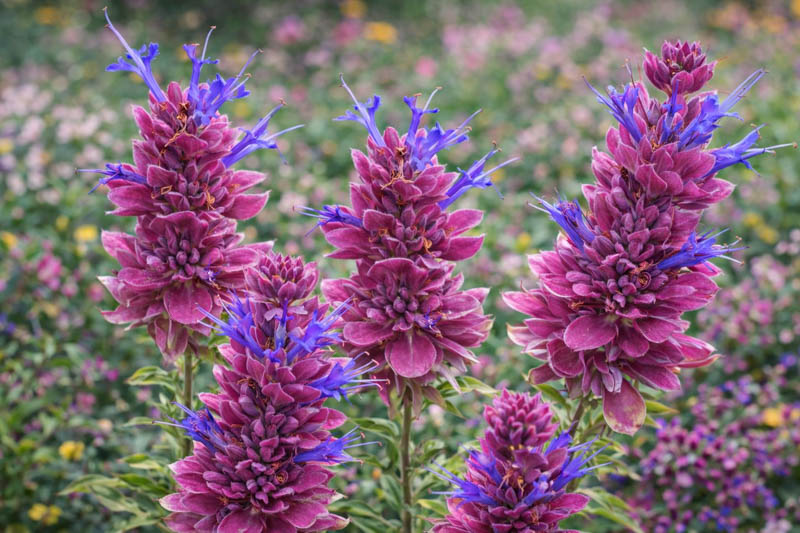
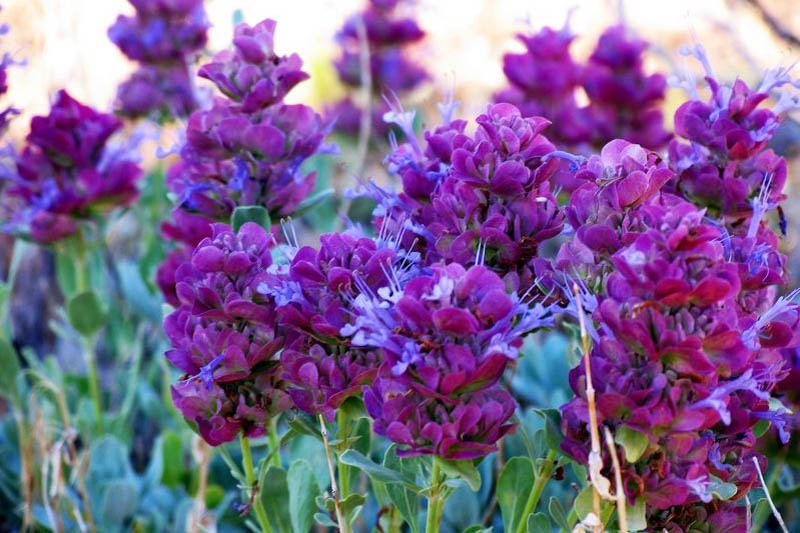
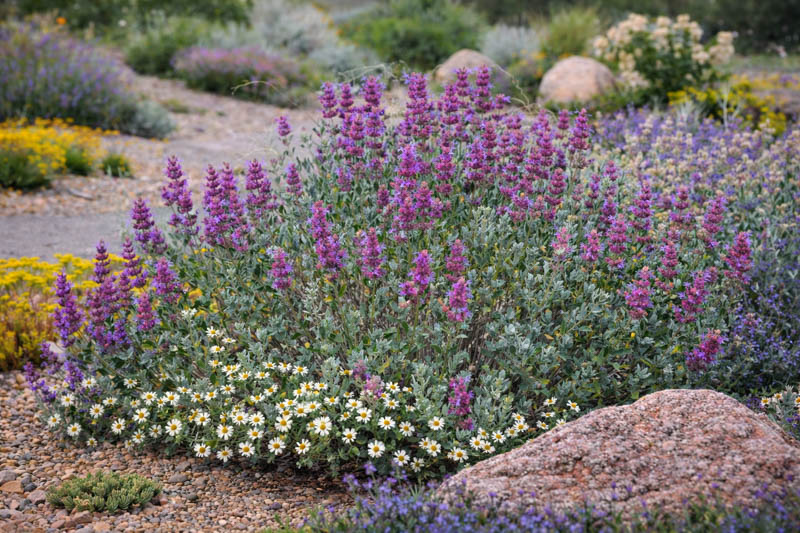
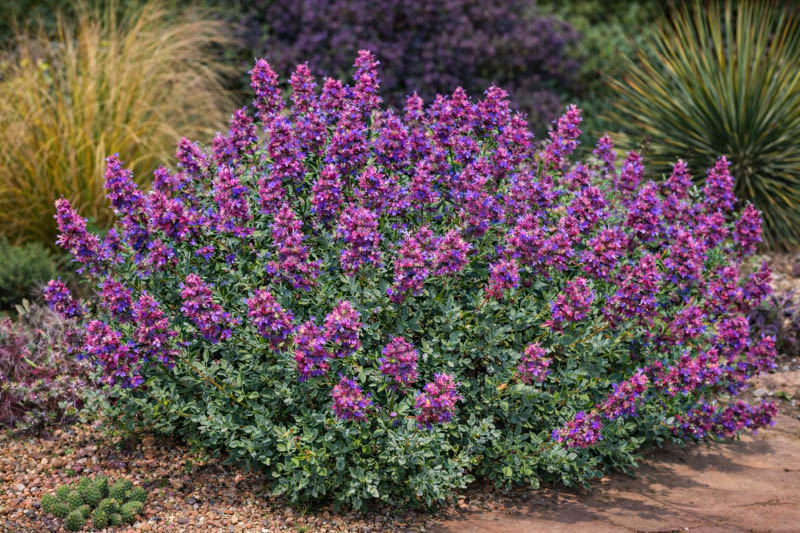


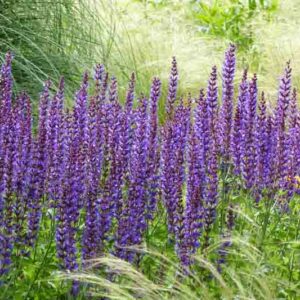
Salvia pachyphylla is one of those plants that feels almost unreal the first time you see it in bloom. Commonly called giant purple sage, rose sage, blue sage, or mountain purple sage, this long-lived evergreen shrub (often grown as a shrubby perennial) brings silvery green, leathery leaves, a strong minty-sage fragrance, and a late-season color show that can carry a water-wise garden straight through summer.
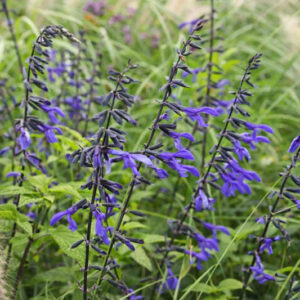
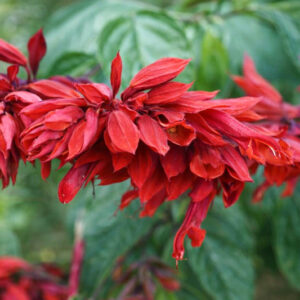
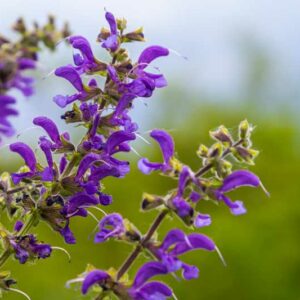
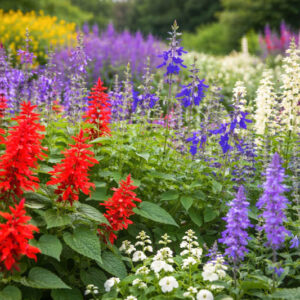
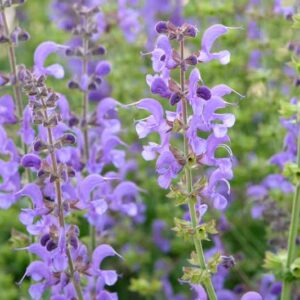
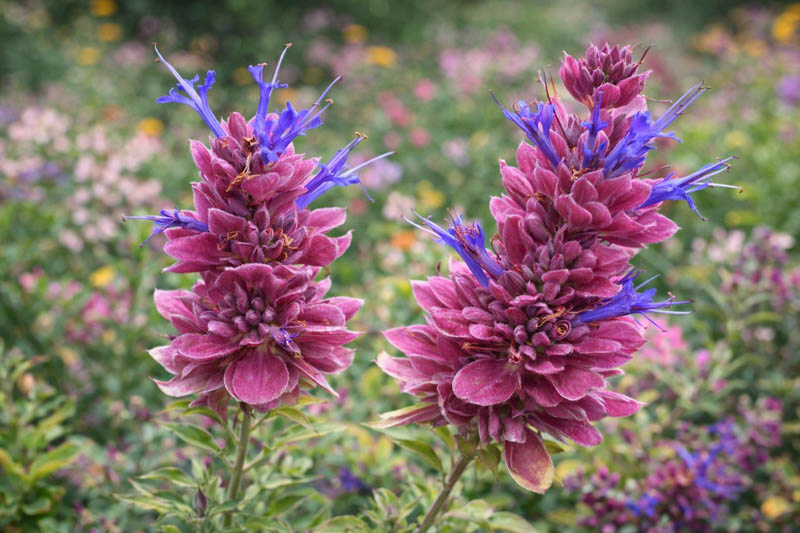
Here’s why gardeners fall hard for it: the flowers are a deep, velvety blue, but the real “wow” comes from the surrounding prolific red-purple to mauve bracts that hang around and keep the plant colorful for weeks. In the Intermountain West and similar climates, it is prized for adding late summer color right when many xeric landscapes are between bloom cycles. And yes – it is a pollinator magnet, drawing bees, butterflies, and hummingbirds to the buffet, week after week.
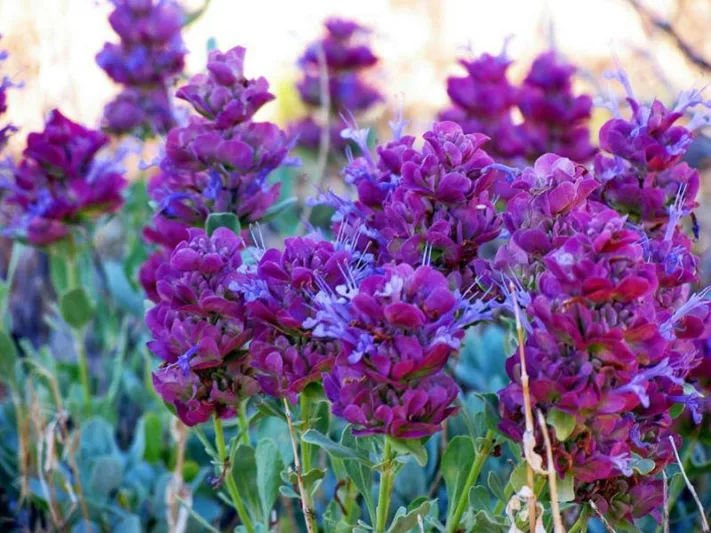
Summary: Long-lived evergreen shrub (shrubby perennial) with silver-green aromatic foliage and long panicles of dark blue flowers backed by persistent mauve to red-purple bracts.
Use: Ideal for xeriscaping, dry borders, gravel gardens, native plant gardens, and pollinator landscapes.
Highlight: 10-14 weeks of late-season color from late June to September in good conditions.
Note: Best in full sun and well-drained soil. Will not tolerate heavily irrigated sites.
| Botanical Name | Salvia pachyphylla |
|---|---|
| Family | Mint family (Lamiaceae) |
| Common Names | Giant Purple Sage, Rose Sage, Blue Sage, Mountain Purple Sage, Mojave Sage |
| Native Range | Native to the southern Sierra Nevada of California and mountainous areas of southern Nevada and northern Arizona |
| Native Habitat | Dry shrublands, rocky slopes, and juniper-pinyon woodlands; typically 4,000-10,000 ft (often noted up to about 6,200 ft in cultivation guides) |
| Plant Type and Habit | Woody, highly branched evergreen shrub (shrubby perennial) with a low, spreading form |
| Hardiness (approx. USDA) | Hardy in USDA Zones 5-10 with excellent drainage (winter-wet is the bigger threat than cold) |
| Height | 18-24 in. (45-60 cm) – typically about 2 ft when mature |
| Spread | 24-36 in. (60-90 cm) – often around 3 ft wide with time |
| Spacing | 30-36 in. (75-90 cm) for airflow and mature width |
| Sun and Exposure | Best in full sun for strongest growth and the most vivid bract color |
| Soil | Well-drained soil is essential. Prefers loam or sandy soils, adapts to alkaline soils, and can tolerate clay in dry climates if not over-watered. Best form in nutrient-poor, lean soil. |
| Water Needs | Moderate to xeric. Thrives with minimal supplemental water and may fail in heavily irrigated sites. |
| Seasonal Interest | Blooms on new growth from late June or early July through September (often 10-14 weeks) |
| Flower Color | Dark blue flowers with showy mauve to red-purple bracts providing most of the color |
| Foliage Color | Light silver-green, leathery leaves; dense foliage in mature plants |
| Fragrance | Strong minty fragrance, especially when rubbed or crushed |
| Drought Tolerant | Yes – capable of completely xeric conditions once established |
| Deer Resistant | Yes – aromatic foliage helps deter browsing |
| Good for Pollination | Yes – attractive to hummingbirds and butterflies; also visited by bees |
| Toxicity | Generally considered low toxicity – discourage chewing |
| Invasive Status | Not considered invasive in typical garden use |
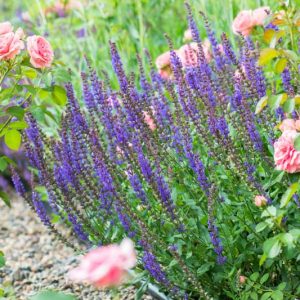
Rose sage is the “big brother” of Salvia dorrii (Desert Sage) – sturdier, showier, and built for those bright, dry conditions many gardeners are trying to embrace. The plants are woody and highly branched, forming a low, spreading shrub with dense, silver-green leaves. When flowering season hits, each plant sends up multiple stalks topped with long panicles. The individual blooms are small and dark blue, but the surrounding bracts are larger and intensely colored, creating that signature two-tone look.
Salvia pachyphylla is native to the southern Sierra Nevada Mountains of California and mountainous regions of southern Nevada and northern Arizona. In the wild, it grows in dry shrublands, rocky slopes, and juniper-pinyon woodlands, often at 4,000 to 10,000 feet. That high-elevation, rocky background explains its love for intense sun, lean soil, and fast drainage.
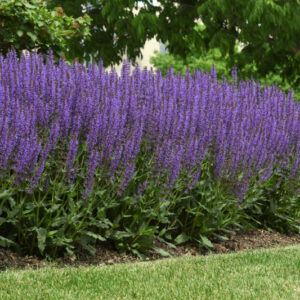
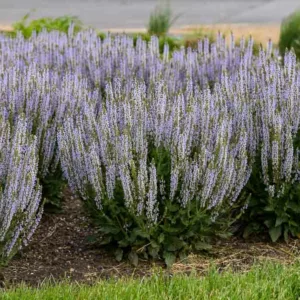
Expect a mature plant around 2 feet tall and roughly 3 feet wide, with a branched, low-spreading shape and medium-coarse texture. Growth is moderate. Many plants bloom in their first summer, then become denser and fuller with time, reaching mature size in about 2 to 3 years. When conditions are right, it can be a genuinely long-lived landscape plant.
Flowers form on new growth, and bloom typically begins in late June or early July. The show is not a quick cameo – it is a sustained performance. Bloom and bract color can remain strong well into September, often delivering 10 to 14 weeks of color. In a water-wise garden, that timing matters because it can carry your design after spring bloomers have finished.
The foliage has real substance: light silver-green, relatively small, and leathery, with a strong minty fragrance. In warmer climates, leaves remain evergreen and attractive through winter. In colder areas, leaves and smaller branches can be damaged by cold, but the fix is simple: a spring cleanup that removes the rough bits and lets new growth take over.
Rose sage is commonly listed for USDA Zones 5-10. In practice, its winter success depends less on minimum temperature and more on winter moisture. In climates with cold, wet winters, it needs sharp drainage and an airy crown. In dry cold, it can be surprisingly resilient, even if the tips get a little weathered.
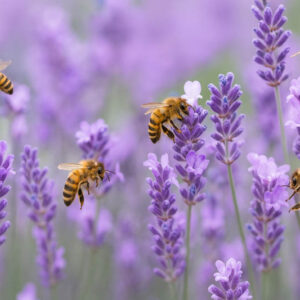
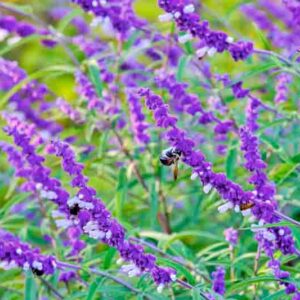
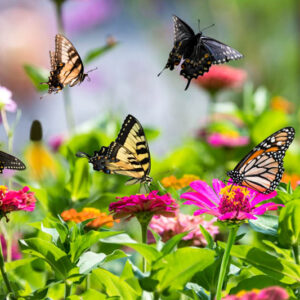
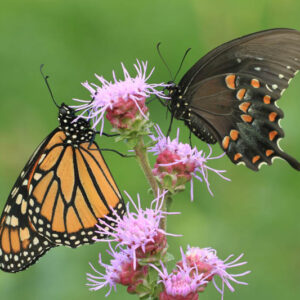
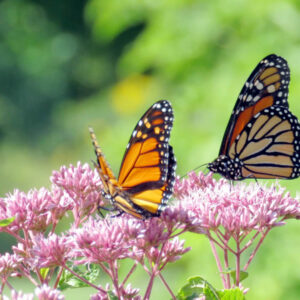
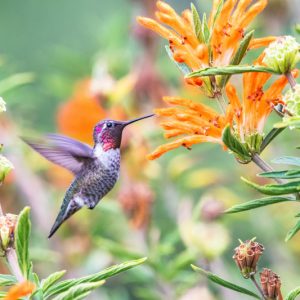
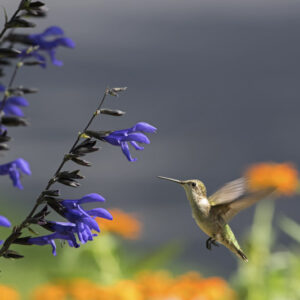
Pollinators notice Salvia pachyphylla. The flowers and bracts draw diverse visitors, including hummingbirds and butterflies, along with plenty of bees. In landscapes that run dry and hot, that steady nectar supply is valuable – it keeps the garden alive and moving.
Rose sage is widely described as deer-resistant and often avoided by rabbits as well, thanks to its aromatic foliage. As always, “resistant” is not “immune,” but it is generally not a preferred browse plant.
This is a true xeric performer. Once established, it can handle completely xeric conditions, and it may fail in heavily irrigated landscapes. If you want to push growth a bit during peak heat, apply two to four deep waterings during the hottest part of summer. That optional summer support can improve bloom quality in some gardens without turning the plant into a thirsty diva.
Salvia pachyphylla is generally considered low risk as an ornamental plant, but it is not meant for eating. Keep pets from chewing and treat it like a “look, don’t snack” garden plant.
Rose sage is not considered invasive in typical garden use. It forms a stable clump and is valued for controlled, predictable growth.
Fertilizer is rarely needed. In fact, too much fertility can backfire, pushing plants into rank, floppy growth that looks messy and shortens the plant’s “tight and tidy” phase. If you must feed, keep it light, and let the plant’s natural mountain-slope instincts do the rest.
Rose sage is easy to transplant as seedlings (flat to pot) and from pots into the garden, as long as the growing mix drains well and watering is careful. It can be held in small pots briefly, but it does best when moved into a deeper container that supports its strong taproot. One-gallon pots can work well when they are not overwatered and are overwintered where containers do not freeze solid.
This plant is best propagated from seed. Seed lots can vary, so known viability matters. Moderate germination often occurs without pretreatment. During seedling grow-out, avoid saturation, allow the medium to dry between waterings, and transplant seedlings when they have 2 to 3 true leaves. Use pots with enough depth for a developing taproot. Rose sage is typically difficult to propagate from cuttings, so seed is the practical path for most growers.
Good news: rose sage has no known pests of consequence in most landscape settings.
It is not known for significant disease issues. Where gardeners do see problems, they are usually cultural rather than contagious – most often tied to poor drainage or too much irrigation.
Salvia pachyphylla is a long-lived, woody, evergreen sage known for silvery aromatic foliage and vivid blue flowers backed by persistent mauve to red-purple bracts.
Common names include giant purple sage, rose sage, blue sage, mountain purple sage, and Mojave sage.
Salvia pachyphylla blooms on new growth from late June or early July through September, often providing 10 to 14 weeks of late-summer color.
Mature Salvia pachyphylla typically reaches about 18-24 inches tall and 24-36 inches wide, forming a low, branched, spreading shrub.
The key requirement is fast drainage – Salvia pachyphylla thrives in well-drained, often lean soils and shows its best form in nutrient-poor ground.
Salvia pachyphylla is often grown in USDA Zones 5-10, but winter survival depends heavily on drainage – winter-wet soil is more damaging than cold.
Yes – it is evergreen in warmer climates, though colder winters can damage leaves and small branches, which are typically pruned off in spring.
Salvia pachyphylla is a vibrant Intermountain West native sage that delivers deep blue blooms and persistent mauve-red bracts for 10 to 14 weeks from late June into September, with aromatic silver-green foliage and true drought tolerance in full sun and well-drained soil.
Intermountain West native plant cultivation notes – habitat, bloom timing, and cultural requirements for Salvia pachyphylla
Water-wise and xeriscape plant guidance – drainage, irrigation limits, and pruning approach for woody sages
Gardenia.net – Salvia care, drought tolerance, and pollinator value
Updated: January 2026 – Reviewed by Gardenia Editors
| Hardiness |
5 - 10 |
|---|---|
| Plant Type | Perennials, Shrubs |
| Plant Family | Lamiaceae |
| Genus | Salvia |
| Common names | Blue Sage, Sage |
| Exposure | Full Sun |
| Season of Interest | Summer (Mid, Late) |
| Height | 1' - 2' (30cm - 60cm) |
| Spread | 2' - 3' (60cm - 90cm) |
| Spacing | 30" - 36" (80cm - 90cm) |
| Maintenance | Low |
| Water Needs | Average |
| Soil Type | Chalk, Loam, Sand |
| Soil pH | Acid, Alkaline, Neutral |
| Soil Drainage | Well-Drained |
| Characteristics | Fragrant, Showy, Evergreen |
| Native Plants | California, United States, Southwest, Arizona, Nevada |
| Tolerances | Drought, Deer, Rabbit, Dry Soil |
| Attracts | Bees, Butterflies, Hummingbirds |
| Garden Uses | Beds And Borders, Patio And Containers, Small Gardens |
| Garden Styles | Gravel and Rock Garden, Informal and Cottage, Mediterranean Garden |
| Toxic to Humans | No known toxicity |
| Toxic to Cats | No known toxicity |
| Toxic to Dogs | No known toxicity |
| Toxic to Horses | No known toxicity |


| Hardiness |
5 - 10 |
|---|---|
| Plant Type | Perennials, Shrubs |
| Plant Family | Lamiaceae |
| Genus | Salvia |
| Common names | Blue Sage, Sage |
| Exposure | Full Sun |
| Season of Interest | Summer (Mid, Late) |
| Height | 1' - 2' (30cm - 60cm) |
| Spread | 2' - 3' (60cm - 90cm) |
| Spacing | 30" - 36" (80cm - 90cm) |
| Maintenance | Low |
| Water Needs | Average |
| Soil Type | Chalk, Loam, Sand |
| Soil pH | Acid, Alkaline, Neutral |
| Soil Drainage | Well-Drained |
| Characteristics | Fragrant, Showy, Evergreen |
| Native Plants | California, United States, Southwest, Arizona, Nevada |
| Tolerances | Drought, Deer, Rabbit, Dry Soil |
| Attracts | Bees, Butterflies, Hummingbirds |
| Garden Uses | Beds And Borders, Patio And Containers, Small Gardens |
| Garden Styles | Gravel and Rock Garden, Informal and Cottage, Mediterranean Garden |
| Toxic to Humans | No known toxicity |
| Toxic to Cats | No known toxicity |
| Toxic to Dogs | No known toxicity |
| Toxic to Horses | No known toxicity |
How many Salvia pachyphylla (Rose Sage) do I need for my garden?
| Plant | Quantity | |
|---|---|---|
| Salvia pachyphylla (Rose Sage) | N/A | Buy Plants |
Create a membership account to save your garden designs and to view them on any device.
Becoming a contributing member of Gardenia is easy and can be done in just a few minutes. If you provide us with your name, email address and the payment of a modest $25 annual membership fee, you will become a full member, enabling you to design and save up to 25 of your garden design ideas.
Join now and start creating your dream garden!
Create a membership account to save your garden designs and to view them on any device.
Becoming a contributing member of Gardenia is easy and can be done in just a few minutes. If you provide us with your name, email address and the payment of a modest $25 annual membership fee, you will become a full member, enabling you to design and save up to 25 of your garden design ideas.
Join now and start creating your dream garden!