Create Your Garden

Salvia ‘Phyllis Fancy’

Phyllis Fancy Sage

Salvia 'Phyllis Fancy', 'Phyllis Fancy' Sage, Blue perennial, late blooming perennial, late blooming salvia, late blooming sage
Salvia '
Salvia 'Phyllis Fancy', 'Phyllis Fancy' Sage, Blue perennial, late blooming perennial, late blooming salvia, late blooming sage

Salvia ‘Phyllis Fancy’ (Phyllis Fancy Sage) – Fuzzy Lavender-White Flower Spikes In Inky Blue Bracts, A Long-Blooming Pollinator Favorite, And A Dramatic, Upright Accent For Sunny Borders

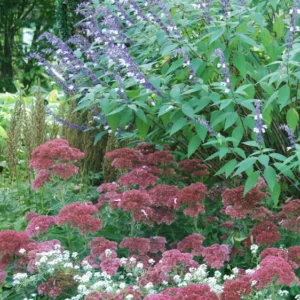
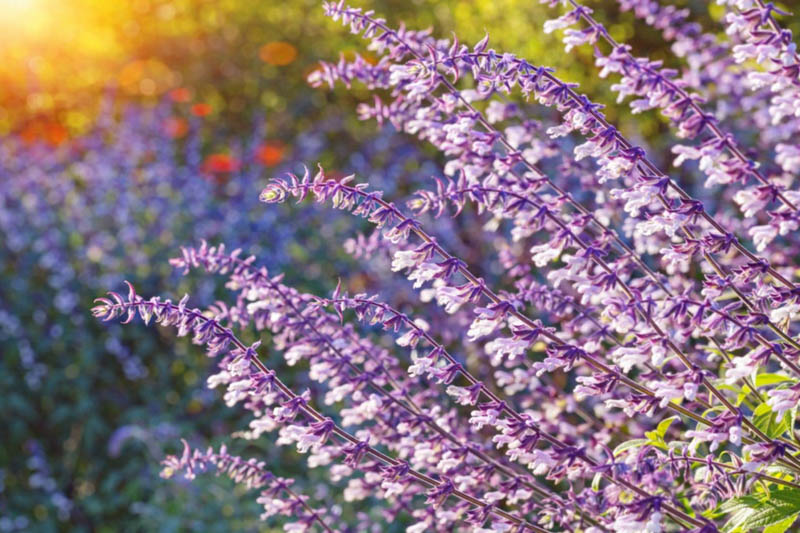
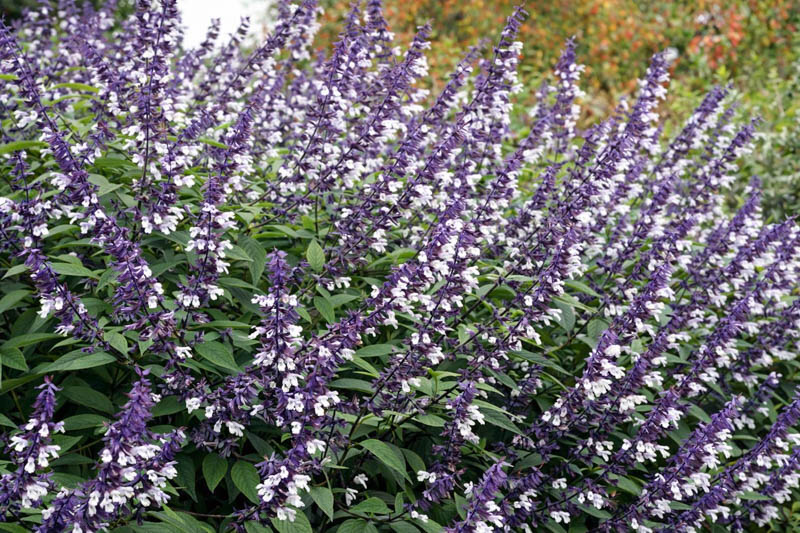
Salvia ‘Phyllis Fancy’ is the kind of sage that makes your border look instantly more “designed” – without you doing anything fussy. From mid-summer to frost, it pushes up sturdy, one-foot-long flower spikes packed with soft, fuzzy, lavender-white blooms, each one nestled into dark blue to blue-purple bracts that read like velvet from a distance. It is showy, elegant, and surprisingly versatile: a cool-toned background plant, a pollinator magnet, and a tall accent that adds height and movement when summer starts leaning into fall.

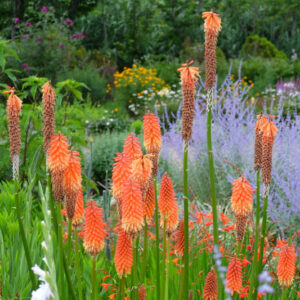
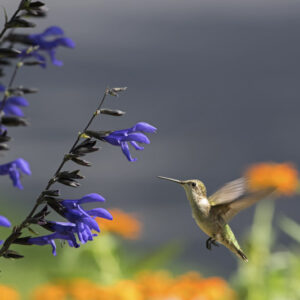
If your garden is full of hot colors – oranges, yellows, reds – ‘Phyllis Fancy’ is your visual “temperature drop.” Its misty lavender and deep blue bracts calm everything around it, making nearby flowers look brighter and more intentional. Better still, it draws in bees, butterflies, and hummingbirds, plus plenty of beneficial insects that keep the garden ecosystem humming.
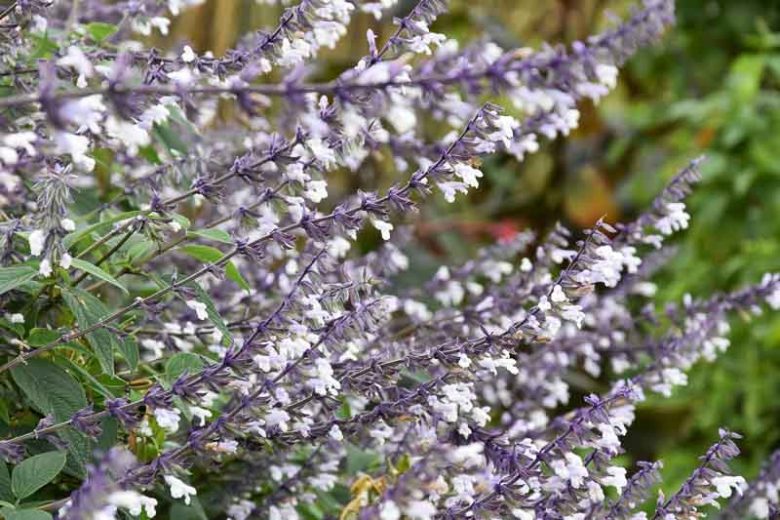
Garden shorthand: Want a tall, late-season showpiece that looks airy, dramatic, and buzzing with pollinators? ‘Phyllis Fancy’ delivers long lavender-white spikes in blue bracts for months – with surprisingly low effort.

Quick Facts – Salvia ‘Phyllis Fancy’ (Phyllis Fancy Sage)

Salvia 'Phyllis Fancy', Phyllis Fancy Sage, fuzzy lavender-white flower spikes, dark blue bracts, late blooming salvia, pollinator plant

Summary: Vigorous, evergreen (in mild climates) salvia with long, fuzzy lavender-white flower spikes held in striking dark blue bracts from mid-summer to frost.
Use: Excellent for mixed borders, cottage and informal gardens, coastal and city gardens, pollinator plantings, and as a tall accent plant.
Highlight: Long bloom season and a cool-toned “misty blue” look that pairs beautifully with warm-color flowers.
Note: Best in full sun to light shade with moist but well-drained soil. Often described as deer resistant and highly attractive to pollinators.

Botanical Name Salvia ‘Phyllis Fancy’
Family Mint family (Lamiaceae)
Common Names Phyllis Fancy Sage, Sage
Native Range Garden hybrid – thought to be a cross involving Salvia leucantha and Salvia chiapensis.
Plant Type and Habit Perennial to subshrub; evergreen in mild climates; upright, branching form with tall flower wands.
Hardiness (approx. USDA) Hardy in USDA Zones 7-10 (best performance where winters are mild and soil drains well).
Height 4-5 ft. (120-150 cm) typical; can be taller in ideal climates.
Spread 4-5 ft. (120-150 cm) typical; give it room for its best silhouette.
Spacing 4-5 ft. (120-150 cm)
Sun and Exposure Best in full sun; tolerates light shade (especially in hotter regions).
Soil Adaptable to many soil types, but needs good drainage. Moist but well-drained is the sweet spot.
Seasonal Interest Mid-summer through fall – often right to frost.
Flower Color Lavender-white fuzzy flowers with dark blue to blue-purple bracts/calyces.
Foliage Color Crinkled, aromatic, sage-green leaves.
Fragrance Aromatic foliage when touched (classic sage-family trait).
Drought Tolerant Moderate once established; blooms best with regular moisture.
Heat Tolerant Yes, especially with sun and drainage.
Nectar – Pollen Yes (nectar-rich flowers).
Attracts Bees, butterflies, hummingbirds, beneficial insects.
Deer – Rabbit Often considered deer resistant and usually ignored by rabbits (not a guarantee, but a good bet).
Toxicity Primarily ornamental; avoid ingestion and use standard garden caution
Invasive Status Not typically considered invasive in gardens
Care – Quick
  • Planting: Full sun to light shade in well-drained soil; allow plenty of width for its mature size.
  • Water: Water regularly while establishing; then water deeply during prolonged heat for best bloom.
  • Feeding: Light feeding in spring or early summer; avoid heavy nitrogen for strongest flowering.
  • Pruning – Deadheading: Optional tidy-up during bloom; main cutback is in early spring.
  • Mulching: Mulch lightly; keep away from the crown to prevent rot.
  • Propagation: Cuttings are the best way to keep plants true to type.
  • Winter care: Protect the crown from hard freezes and winter wet; cut back when new growth starts.
Quick promise
Salvia ‘Phyllis Fancy’ delivers long, fuzzy lavender-white flower spikes cradled in dark blue bracts from mid-summer to frost – a tall, pollinator-packed accent that cools down hot color schemes and keeps borders lively late in the season.

What Is Salvia ‘Phyllis Fancy’ (Phyllis Fancy Sage)?

Description

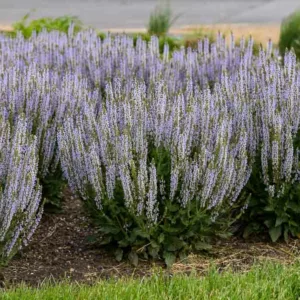
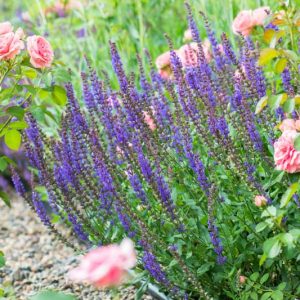
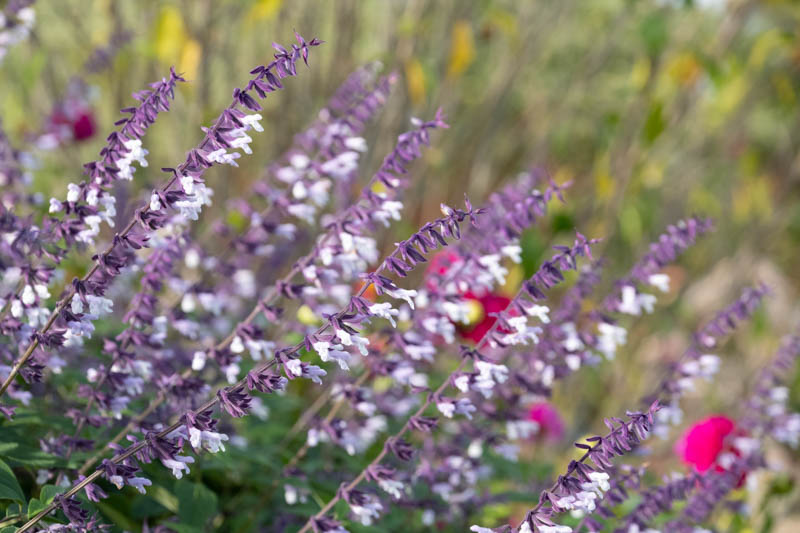
Think of ‘Phyllis Fancy’ as a “best-of” salvia with extra drama built in. The plant sends up sturdy, upright stems topped with dense, fuzzy flower spikes about a foot long. Each spike is a soft blend of lavender and white, but the real signature is the deep blue to blue-purple bracts (often called calyces) that cup the tiny flowers and give the whole spike an inky, velvety look. The effect is both bold and airy: you get color, height, and movement, without a heavy or blocky silhouette.

Takeaway: ‘Phyllis Fancy’ is a tall, evergreen (in mild climates) salvia with long lavender-white spikes and dark blue bracts – a late-season showstopper that looks misty, elegant, and full of pollinator activity.

Native Information

This is a garden hybrid rather than a wild species. It is widely described as a cross involving Salvia leucantha (Mexican Bush Sage) and Salvia chiapensis (Chiapas Sage), and it was named for Phyllis Norris. In other words: it has the late-season impact you expect from Mexican Bush Sage, paired with a refined, ornamental twist that reads especially “garden-worthy.”

Growth Habit and Vigor

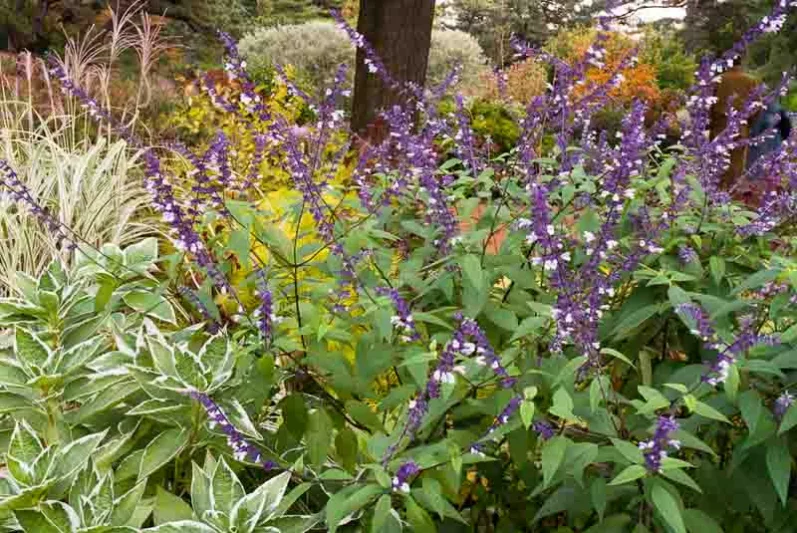
‘Phyllis Fancy’ is vigorous and well-branched, forming a substantial clump that is commonly listed around 4-5 ft. tall and wide, though mature plants can be larger in ideal climates and with age. The habit is upright and elegant – a strong vertical accent – while the stems still have that soft salvia grace that keeps the overall look relaxed rather than stiff.

Design note: This plant likes space. If you cram it in, you lose the tall, airy “wands in motion” effect. Give it room, and it becomes a natural focal point.

Flowers and Bloom Time

The headline is the season: mid-summer to frost. While many late bloomers wait for fall, ‘Phyllis Fancy’ can start earlier in the warm part of the season and keep going, throwing color up high when the border needs fresh energy. The spikes are also great for cut flowers – especially if you love arrangements with soft color, height, and texture.

Foliage and Seasonal Interest

Under the flowers, you get attractive, crinkled, aromatic sage-green leaves. The foliage is not just “background” – it adds texture and that classic sage-family scent when brushed. In mild climates, the plant can remain evergreen; in colder or wetter winters, it may die back and return when conditions warm (with spring cleanup).

Hardiness

Most listings place ‘Phyllis Fancy’ in USDA Zones 7-10, with the usual salvia caveat: winter survival is strongly influenced by drainage. Cold plus soggy soil is the combo that causes trouble. In borderline zones, a sunny spot and well-drained soil often matter as much as the thermometer.

Landscape Uses

  • Beds and borders: A tall, late-season anchor that adds vertical rhythm and a cool color wash.
  • Cottage and informal gardens: Soft structure, long bloom, and pollinator life – it looks natural and intentional at the same time.
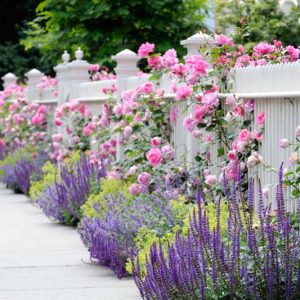
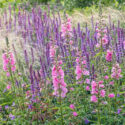
  • Mass plantings: A drift of blue-bracted spikes reads dramatic, immersive, and modern.
  • Upright accent plant: Use it like a living exclamation point behind lower flowers and grasses.
  • Pollinator gardens: A long-season nectar source that keeps wildlife visiting late.

Wildlife and Ecological Value

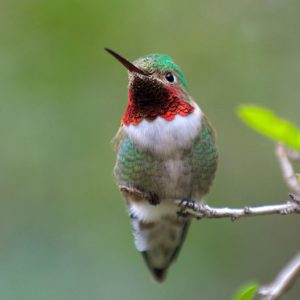
‘Phyllis Fancy’ attracts a busy cast: bees, butterflies, and hummingbirds flock to the nectar-rich blooms, and beneficial insects often follow the food chain. The result is a garden that feels alive – not just pretty.

Deer and Rabbits

It is commonly described as deer resistant, helped by aromatic foliage (not a favorite “salad green” for browsers). As always, no plant is fully deer-proof under heavy pressure, but this one is a smart pick when browsing is a recurring issue.

Drought Tolerance

Once established, it can handle some dryness, but it performs best with regular watering during active growth and bloom. Think of it as “not thirsty, but not a true desert plant” – sun and drainage first, then consistent moisture for maximum spikes. For more water-wise salvia inspiration, see Discover 20 Top Salvia Varieties for a Thriving Xeriscape.

Toxicity

Salvia ‘Phyllis Fancy’ is primarily ornamental. As with most garden plants, avoid ingestion and use standard garden caution around pets and children.

Invasiveness

This is typically a well-behaved clumping salvia in garden settings. Give it space, prune seasonally, and it stays where you put it.
Salvia 'Phyllis Fancy', 'Phyllis Fancy' Sage, Blue perennial, late blooming perennial, late blooming salvia, late blooming sage

Growing Conditions for Salvia ‘Phyllis Fancy’

Light

  • Full sun: Strongest stems, heaviest bloom, and the boldest bract color.
  • Light shade: Works well in hotter regions, especially with afternoon relief, but flowering may be slightly lighter.

Soil

  • Well-drained is non-negotiable: Especially important in winter or rainy seasons.
  • Moist but well-drained: The “best bloom” setting – consistent moisture without soggy roots.
  • Clay soil tip: If your soil is heavy, improve drainage and consider raised beds. Native Plants That Truly Thrive in Texas Clay Soils
Drainage rule: This plant can handle heat, but it hates wet feet. If winter soil stays damp, fix drainage before you do anything else.

Water

  • Establishment phase: Water consistently to build deep roots (steady, not swampy).
  • After establishment: Water deeply when dry. For maximum bloom, do not let it bake bone-dry for weeks at a time.

Feeding

A light feeding in spring or early summer is usually enough. Too much fertilizer, especially high nitrogen, can produce lots of leaves and fewer flower spikes. If you want the longest bloom season, prioritize sun, drainage, and steady moisture over heavy feeding.
Mulch

  • Mulch lightly to conserve moisture and reduce weeds.
  • Keep mulch away from the crown to prevent rot.

Planting Tips

  • Plant in spring after frost, or in early fall where winters are mild.
  • Give it room – it is commonly listed at 4-5 ft. wide, and airflow keeps foliage healthier.
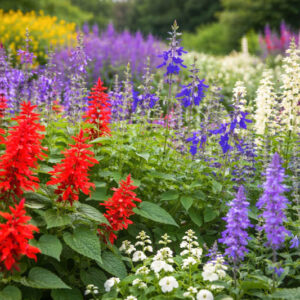
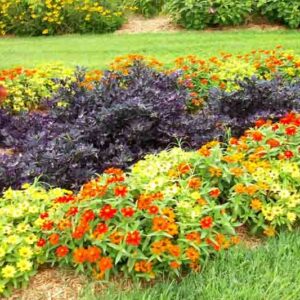
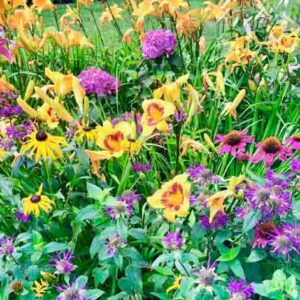
  • Use it as a cool-toned backdrop behind warm colors like Marigolds and Zinnias for a high-contrast, high-impact border.

Maintenance – Pruning – Deadheading

  • Low maintenance once established: Mostly a “plant it and enjoy it” sage.
  • Optional grooming: You can tidy spent spikes, but it is free-flowering and often keeps producing without constant deadheading.
  • Big pruning moment: Cut it back hard in early spring to refresh growth and shape.
Care tip: In many climates, leaving stems through winter helps protect the crown. Do the major cutback in early spring when new growth is ready to move.

Propagation

  • Cuttings: The easiest way to keep ‘Phyllis Fancy’ true to type. Take softwood cuttings in late spring-early summer or semi-ripe cuttings later in summer.
  • Seed: Not recommended if you want an identical plant, since named cultivars do not come true from seed.
  • Division: Sometimes possible on mature clumps, but cuttings are usually simpler and faster.

Salvia 'Phyllis Fancy', 'Phyllis Fancy' Sage, Blue perennial, late blooming perennial, late blooming salvia, late blooming sage

Salvia ‘Phyllis Fancy’: Pests, Diseases, and Common Problems

Pests

‘Phyllis Fancy’ is generally tough, but like many salvias, it can attract sap-suckers when stressed by heat, drought, crowding, or indoor overwintering. Watch for sticky residue, distorted new growth, or pale stippling – those are your early warning signs.

  • Aphids: Cluster on tender tips and flower stems, leaving honeydew.
  • Whiteflies: Hide under leaves and flutter up when disturbed.
  • Mealybugs: Cottony white clusters in joints and along stems.
  • Spider mites: Hot, dry weather favorites; look for webbing and stippling.

Most infestations stay minor with good airflow, appropriate watering, and quick intervention. A firm spray of water knocks back many pests, and encouraging beneficial insects helps keep populations balanced.

Fast diagnostic tip: Sticky leaves + sooty film usually points to aphids, whiteflies, or mealybugs. Fine webbing and tiny speckling? Think spider mites.

Diseases

Most disease issues trace back to two things: poor airflow and too much moisture, especially around the crown. Sun, spacing, and well-drained soil prevent the vast majority of problems.

  • Powdery mildew: More likely in shade or crowding. Increase sun and airflow.
  • Rust: Orange-brown pustules; remove affected leaves and improve airflow.
  • Fungal leaf spot: Often tied to wet foliage; avoid overhead watering late in the day.
  • Stem rot: A drainage issue in disguise; improve soil drainage and keep the crown drier.
  • Root issues: Nearly always from soggy soil. Fix drainage first.
Prevention that actually works: Sun + spacing + well-drained soil beats almost every salvia problem. If the soil stays wet, solve drainage before you treat symptoms.

Common Problems

  • Flopping stems: Often caused by too little sun or overly rich, wet soil. Move to brighter exposure and leaner conditions.
  • Reduced bloom: Shade is the usual culprit; so is overfeeding. Give more sun and ease up on fertilizer.
  • Winter loss: Borderline hardiness plus wet soil is tough. Prioritize drainage and avoid burying the crown in heavy mulch.
  • Heat slump: In extreme heat, the plant can look tired. A deep watering and occasional afternoon shade (in very hot climates) helps.

Design Ideas With Salvia ‘Phyllis Fancy’

  • Back-of-border soft screen: Use ‘Phyllis Fancy’ as an upright, airy backdrop behind lower perennials. It adds height and depth while keeping the border light and relaxed.
  • Border rhythm: Repeat plants every few feet to create a natural vertical cadence. The tall flower wands bring movement and structure without looking rigid or overdesigned.
  • Heat-smart color: Pair it with drought-tolerant companions for strong visual impact with less water. Discover 20 Top Salvia Varieties for a Thriving Xeriscape
  • Pollinator corridor: Treat it as a late-season nectar stop. Combine with long-blooming plants to keep bees, butterflies, and hummingbirds active from mid-summer through fall.
Design tip: Plant ‘Phyllis Fancy’ in drifts for instant cohesion. Repeating those tall, misty lavender spikes creates movement, structure, and a clean designer rhythm with minimal effort.

For even more inspiration when building colorful, water-wise plantings, these guides can help you choose companions that thrive in similar conditions:

Frequently Asked Questions

Is Salvia ‘Phyllis Fancy’ drought tolerant?

Salvia ‘Phyllis Fancy’ is moderately drought tolerant once established, but it flowers best with regular watering. Consistent moisture during the growing season supports taller flower spikes and a longer bloom period from summer to frost.

When does Salvia ‘Phyllis Fancy’ bloom?

Salvia ‘Phyllis Fancy’ blooms from mid-summer through fall, often continuing until the first frost. Its long bloom season makes it especially valuable for late-season color and pollinator support.

Does Salvia ‘Phyllis Fancy’ need full sun?

Salvia ‘Phyllis Fancy’ performs best in full sun, where it produces stronger stems and more abundant flowers. Light shade is tolerated, particularly in hot climates, but flowering may be slightly reduced.

How tall and wide does Salvia ‘Phyllis Fancy’ grow?

Salvia ‘Phyllis Fancy’ typically grows 4–5 feet tall and about the same width. It forms a vigorous, upright, well-branched plant that works well as a vertical accent in garden borders.

When should Salvia ‘Phyllis Fancy’ be cut back?

Salvia ‘Phyllis Fancy’ should be cut back hard in early spring. Removing old growth at that time encourages fresh, vigorous stems and better flowering for the new season.

Is Salvia ‘Phyllis Fancy’ evergreen?

In mild climates, Salvia ‘Phyllis Fancy’ is evergreen or semi-evergreen. In colder regions, it may die back in winter and regrow strongly in spring.

Updated: January 2026 • Reviewed by Gardenia Editors

Salvia: Plant Care and Growing Guide


Here are some tips on how to plant and grow salvia successfully

Requirements

Hardiness 7 - 10
Plant Type Perennials, Shrubs
Plant Family Lamiaceae
Genus Salvia
Common names Sage
Exposure Full Sun
Season of Interest Summer (Mid, Late), Fall
Height 4' - 5' (120cm - 150cm)
Spread 4' - 5' (120cm - 150cm)
Spacing 48" - 60" (120cm - 150cm)
Maintenance Low
Water Needs Average
Soil Type Chalk, Clay, Loam, Sand
Soil pH Acid, Alkaline, Neutral
Soil Drainage Moist but Well-Drained
Characteristics Cut Flowers, Showy, Evergreen
Tolerance Deer
Attracts Bees, Birds, Butterflies, Hummingbirds
Garden Uses Beds And Borders
Garden Styles City and Courtyard, Coastal Garden, Informal and Cottage
How Many Plants
Do I Need?
Explore Great Plant Combination Ideas
Salvia (Sage)
Guides with
Salvia (Sage)
Not sure which Salvia (Sage) to pick?
Compare Now

Alternative Plants to Consider

Salvia guaranitica (Blue Anise Sage)
Salvia splendens ‘Van-Houttei’ (Scarlet Sage)
Salvia nemorosa ‘Blue By You’ (Sage)
Salvia microphylla (Baby Sage)
Salvia pratensis (Meadow Sage)
Salvia nemorosa ‘Perfect Profusion’ (Sage)

Recommended Companion Plants

Sedum (Stonecrop)
Rudbeckia fulgida (Black-Eyed Susan)
Lobularia maritima (Sweet Alyssum)

Find In One of Our Guides or Gardens

Soft Autumn Colors
Annual Salvias: Heat-Loving Color That Blooms All Season
Best Full Sun Perennials for Zone 8: Top Heat-Tolerant Garden Winners
Best Full Sun Shrubs for Zone 8: Heat-Loving Shrubs That Thrive in Sunshine
Top Zone 6 Full Sun Perennials – Color That Thrives in Heat & Cold
Top Zone 7 Full Sun Perennials for Long Bloom, Color & Pollinators
Native Garden Ideas – Best Native Plants for a Beautiful Yard
Mediterranean Gardens: Low-Water Design, Plants & Ideas
Drought Tolerant Gardens – The Ultimate Water-Wise Guide
Pollinator Gardens: Plants, Designs & Care Guide
Why Rosemary is Perfect for Gardens and Pots
Grow These 20 Herbs Indoors for Freshness All Year
Salvia: Discover the Top Benefits of Growing Sage in Your Garden
Salvia Varieties for a Stunning, Water-Wise Garden
Salvia nemorosa (Woodland Sage)
What is Salvia? Understanding Its Role in Gardening and Beyond
Top 70 Summer Flowers to Brighten Your Garden and Home
50 Best Fall Flowers to Color Your Autumn Garden
Desert Shrubs: Essential Plants for Dry Gardens
Desert Flowers: Bringing Color to Dry Gardens
50 Fall Wildflowers: Top Picks for a Vibrant Autumn Garden
50 Summer Wildflowers: Bright Blooms for Your Garden
50 Wildflowers that Thrive in Sun
50 Blue Wildflowers for Every Garden
50 Pink Wildflowers for Every Garden
50 Purple Wildflower to Brighten Your Garden
50 California Wildflowers: From Desert Blooms to Coastal Gems
50 Texas Wildflowers to Brighten Your Garden
Top 50 Most Beautiful Flowers Worldwide
Stunning Blue Flowers to Enhance Your Garden’s Beauty
Add a Splash of Color: Perfect Flowering Shrubs for Small Gardens
42 Best Perennial Flowers and Plants to Brighten Your Garden Every Season
30 Best Spring Flowers Every Gardener Should Grow
How to Create an Enchanting Butterfly Garden
For the Love of Butterflies: Best Flowers to Attract them to Your Garden
6 Reasons You Should Create a Butterfly Garden
Salvia (Sage)
Best Annual Flowers and Plants to Spruce up Your Garden
Hummingbird
18 Best Plants That Repel Mosquitoes
Rosemary: Learn How To Plant, Grow and Harvest
Salvia yangii (Russian Sage)
Best Annual Flowers and Plants for Full Sun
Wonderful Plants That Repel Insects
Companion Planting With Herbs
Great Rose Companion Plants: Nepeta, Salvia and Lavandula
Best and Worst Companion Plants for Rosemary
Hardy Perennial Salvias (Sage)
Salvia guaranitica (Blue Anise Sage)
Plants with Purple Flowers to Add Charm to Your Garden
Salvia: Plant Care and Growing Guide
Best Flowers to Attract Hummingbirds
While every effort has been made to describe these plants accurately, please keep in mind that height, bloom time, and color may differ in various climates. The description of these plants has been written based on numerous outside resources.
Buy Plants

Requirements

Hardiness 7 - 10
Plant Type Perennials, Shrubs
Plant Family Lamiaceae
Genus Salvia
Common names Sage
Exposure Full Sun
Season of Interest Summer (Mid, Late), Fall
Height 4' - 5' (120cm - 150cm)
Spread 4' - 5' (120cm - 150cm)
Spacing 48" - 60" (120cm - 150cm)
Maintenance Low
Water Needs Average
Soil Type Chalk, Clay, Loam, Sand
Soil pH Acid, Alkaline, Neutral
Soil Drainage Moist but Well-Drained
Characteristics Cut Flowers, Showy, Evergreen
Tolerance Deer
Attracts Bees, Birds, Butterflies, Hummingbirds
Garden Uses Beds And Borders
Garden Styles City and Courtyard, Coastal Garden, Informal and Cottage
How Many Plants
Do I Need?
Explore Great Plant Combination Ideas
Salvia (Sage)
Guides with
Salvia (Sage)
Not sure which Salvia (Sage) to pick?
Compare Now

Gardening Ideas

Plant Calculator

How many Salvia ‘Phyllis Fancy’ do I need for my garden?

Input your garden space dimensions

Your Shopping List

Plant Quantity
Salvia ‘Phyllis Fancy’ N/A Buy Plants

Please Login to Proceed

You Have Reached The Free Limit, Please Subscribe to Proceed

Subscribe to Gardenia

To create additional collections, you must be a paid member of Gardenia
  • Add as many plants as you wish
  • Create and save up to 25 garden collections
Become a Member

Plant Added Successfully

Your garden is taking shape. Unlock full planning.

You’ve reached the free limit. Upgrade for $25/year to add as many plants as you wish and save up to 25 garden collections. Unlock Annual Membership

Update Your Credit
Card Information

Cancel

Create a New Collection

Sign Up to Our Newsletter

    You have been subscribed successfully

    Join Gardenia.net

    Create a membership account to save your garden designs and to view them on any device.

    Becoming a contributing member of Gardenia is easy and can be done in just a few minutes. If you provide us with your name, email address and the payment of a modest $25 annual membership fee, you will become a full member, enabling you to design and save up to 25 of your garden design ideas.

    Join now and start creating your dream garden!

    Join Gardenia.net

    Create a membership account to save your garden designs and to view them on any device.

    Becoming a contributing member of Gardenia is easy and can be done in just a few minutes. If you provide us with your name, email address and the payment of a modest $25 annual membership fee, you will become a full member, enabling you to design and save up to 25 of your garden design ideas.

    Join now and start creating your dream garden!
    Find your Hardiness Zone

    Find your Heat Zone

    Find your Climate Zone