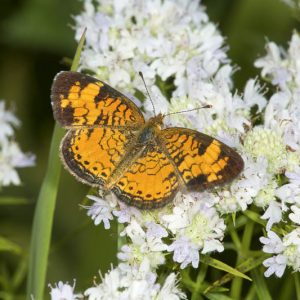
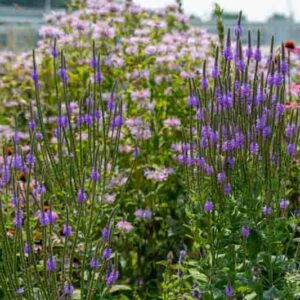
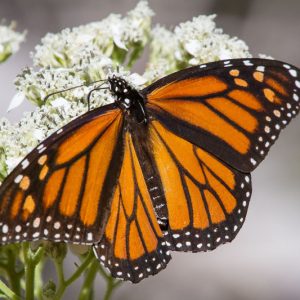
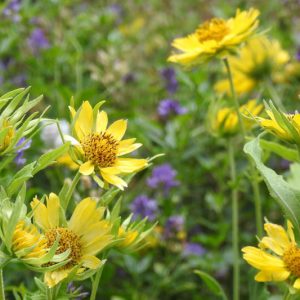
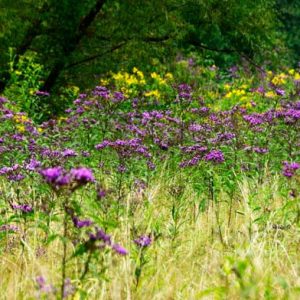
Help Oklahoma pollinators thrive. Plant native flowers that offer vivid color, upkeep, and nectar for bees and butterflies!!!
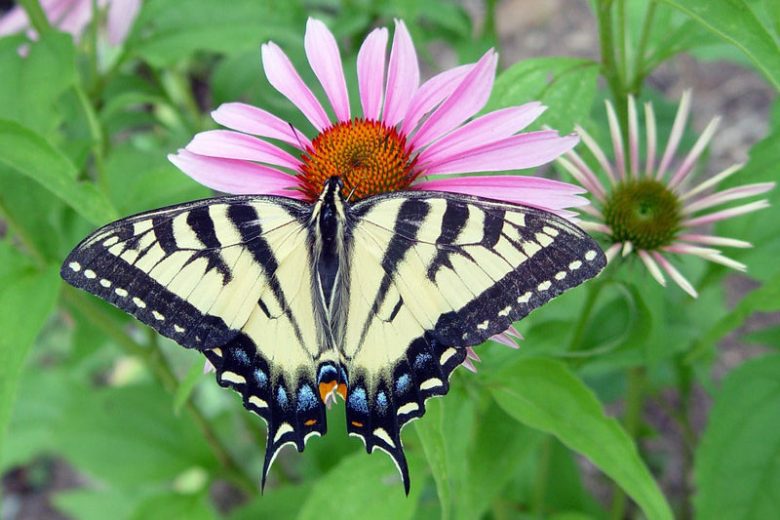


Oklahoma is pure pollinator country: big skies, bold seasons, prairie wind, red dirt, bottomland woods, and fencerows buzzing with life. When you plant the right natives, your yard, acreage, school garden, church, or city streetscape can function like real habitat for bees, butterflies, moths, and beneficial insects that quietly keep pests in check.
This guide is built directly from the Xerces Society resource Native Plants for Pollinators & Beneficial Insects: Southern Plains and tuned for Oklahoma conditions. Most species from that list is included here, organized in a friendly way so you can actually use it. Mix several from each group, skip pesticides, and let your landscape work like a thriving, Oklahoma native ecosystem.
| Native Plants | Oklahoma, Southwest, United States |
|---|---|
| Attracts | Birds, Butterflies, Hummingbirds, Bees |
| Toxic to Humans | No known toxicity |
| Toxic to Cats | No known toxicity |
| Toxic to Dogs | No known toxicity |
| Toxic to Horses | No known toxicity |
Pollinators need more than pretty flowers. Shrubs, trees, and vines provide early bloom, nesting sites, caterpillar food, and cover from wind and predators. Use these along fences, creek lines, windbreaks, and the edges of more formal beds.
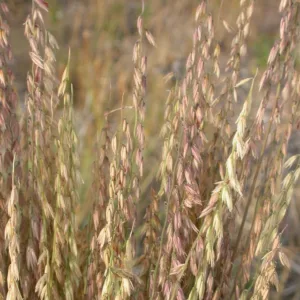
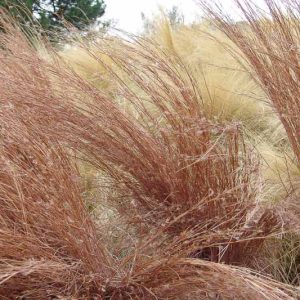
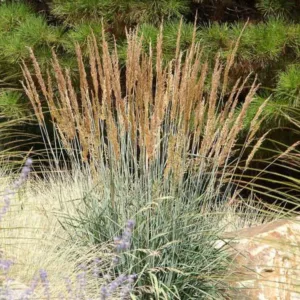
Native grasses and sedges hold soil, frame flowers, and provide nesting habitat, camouflage, and winter interest. They are the quiet backbone of a resilient Oklahoma pollinator garden.
Turn soggy corners into pollinator hotspots rather than mowing headaches. These natives like more moisture and reward you with dense insect traffic.
Short on space but ready to help. Try a 10 by 14 foot bed with:
Plant in clusters, water well the first year, and watch your yard turn into a living pantry and nursery for Oklahoma pollinators with almost no extra fuss.
They are regionally native flowers, grasses, shrubs, vines, and trees that provide nectar, pollen, nesting sites, or larval food for bees, butterflies, moths, beetles, flies, wasps, and other beneficial insects. In Oklahoma, many of the best options come from the Southern Plains native plant lists developed by Xerces.
Native plants match Oklahoma heat, wind, drought cycles, and soils. They bloom at the right times, support specialist bees and caterpillars, need less water and fertilizer once established, and are far better for long term pollinator health than most non native ornamentals.
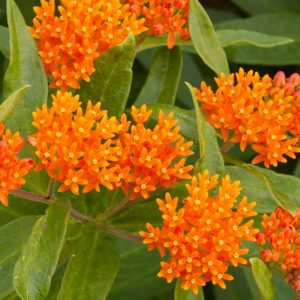
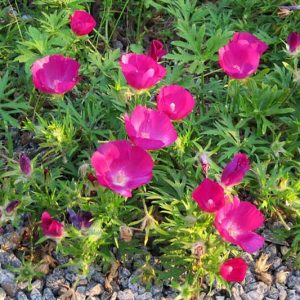
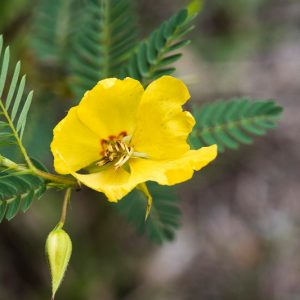
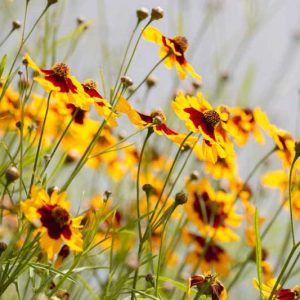
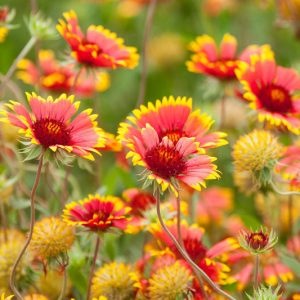
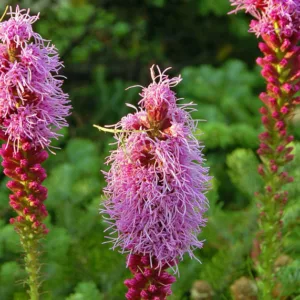
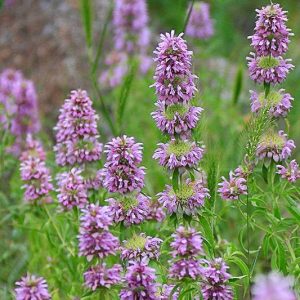
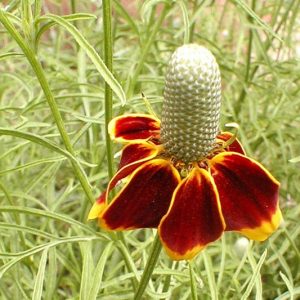
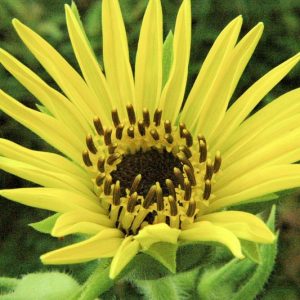
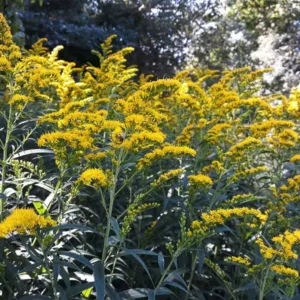
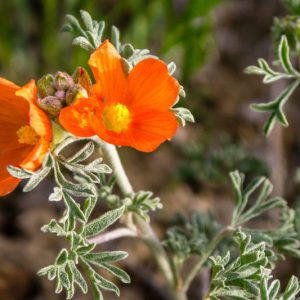
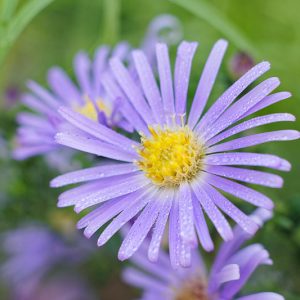
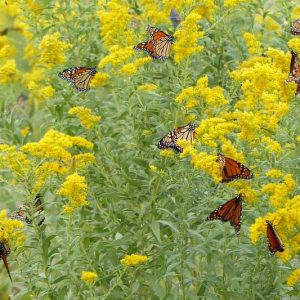
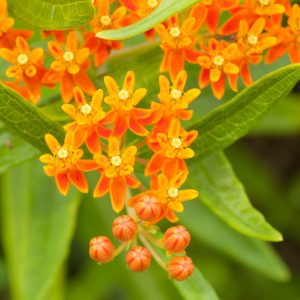
Standout multitaskers include butterfly milkweed, green antelopehorn milkweed, narrow leaved coneflower, Indian blanket, lemon beebalm, dotted blazing star, gray goldenrod, aromatic aster, Baldwin’s ironweed, golden crownbeard, partridge pea, purple poppymallow, prairie clovers, little bluestem, and narrowleaf mountainmint.
im for 3 to 4 species per season. For example:
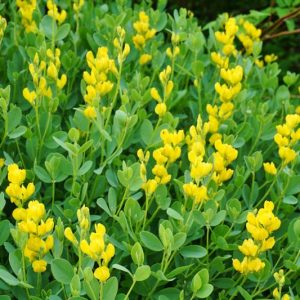
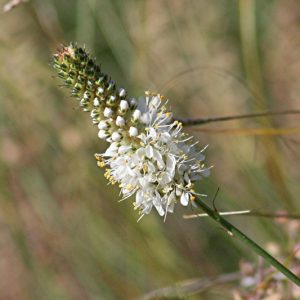
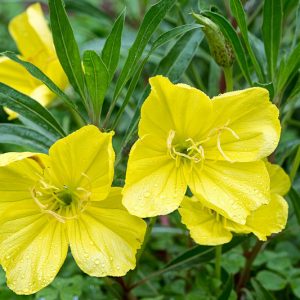
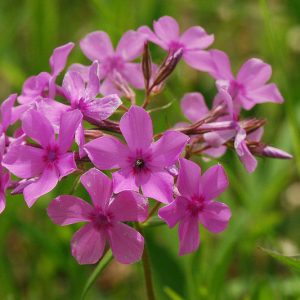
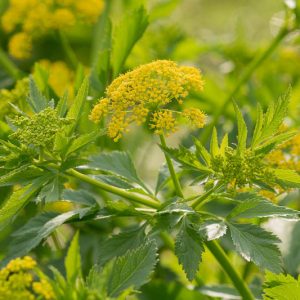
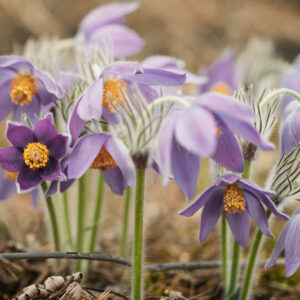
Spring: prairie phlox, yellow wild indigo, golden Alexanders.
Summer: butterfly milkweed, Indian blanket, lemon beebalm, dotted blazing star.
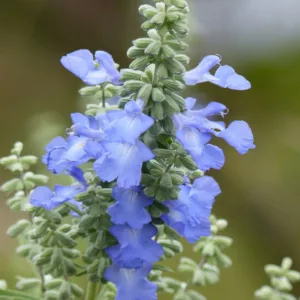
Fall: gray goldenrod, aromatic aster, blue sage.
Plant each in clumps of 5 or more in full sun.
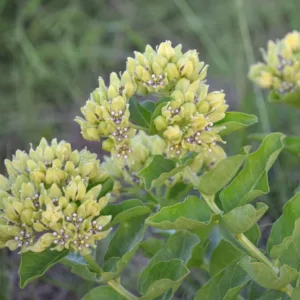
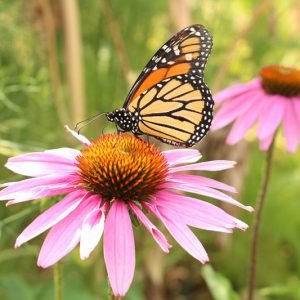
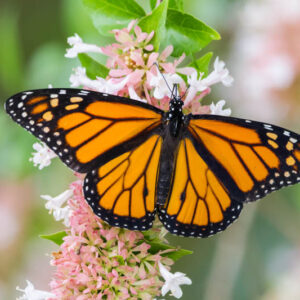
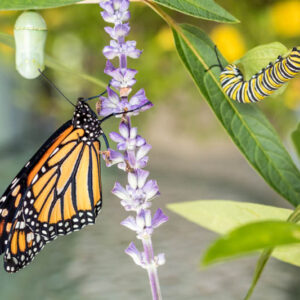
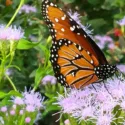
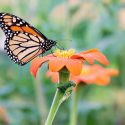
For bees and general pollinators, nectar and pollen rich flowers are enough. For monarch butterflies, you also need native milkweed for caterpillars. In Oklahoma, butterfly milkweed and green antelopehorn are excellent choices to include alongside other wildflowers.
Diverse shapes and seasons matter. Very strong options include beebalms (like lemon beebalm), coneflowers, prairie clovers, mountainmints, sunflowers, goldenrods, asters, leadplant, partridge pea, and plants with many small florets like narrowleaf mountainmint and golden Alexanders.
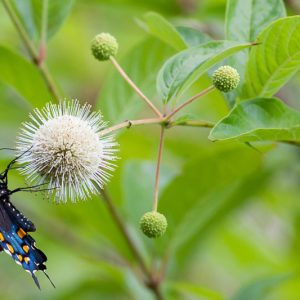
Nectar: butterfly milkweed, blazing stars, coneflowers, Indian blanket, ironweed, goldenrods, asters, blue sage, golden crownbeard, buttonbush, prairie phlox.
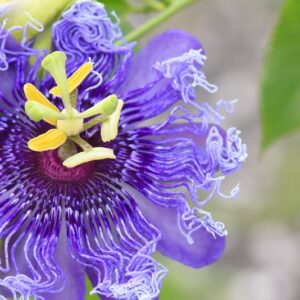
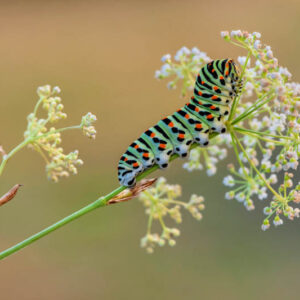
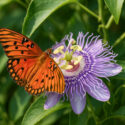
Host support: milkweeds for monarchs; passionflower for gulf fritillary; native grasses, legumes, shrubs, and trees for many moth and butterfly larvae.
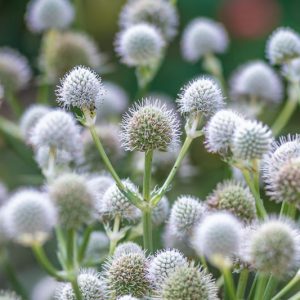
Plant umbels and many flowered species that tiny predators and parasitoids love, such as golden Alexanders, mountainmints, narrowleaf coneflowers and asters, rattlesnake master, prairie clovers, and partridge pea. Leave some stems and leaf litter so they can overwinter.
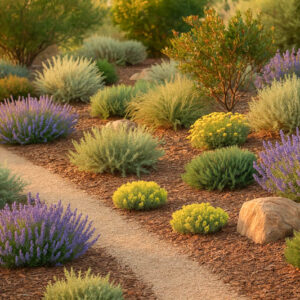
Put sun loving species in open areas. Cluster each species in drifts instead of singles. Layer tall plants (sunflowers, ironweed, compassplant) at the back, mid height coneflowers and beebalms in the middle, and low spreaders like poppymallow at the front. Use clean edges or paths so wild plantings look intentional.
Many are built for it. Butterfly milkweed, green antelopehorn, Indian blanket, dotted blazing star, little bluestem, sideoats grama, aromatic aster, gray goldenrod, golden crownbeard, leadplant, and scarlet globemallow are especially tough once established. Water deeply the first year, then lighten up.
Yes. Choose species that handle moist soils, such as buttonbush, golden Alexanders, shortbeak sedge, and frostweed along swales, pond edges, or downspouts. Mix them with upland species as conditions grade from wet to dry.
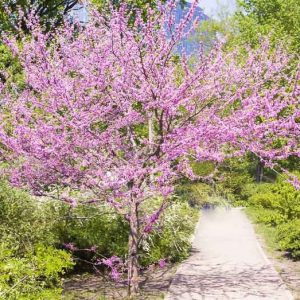
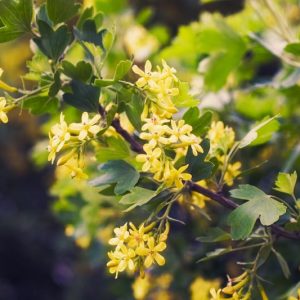
They are important. Shrubs and small trees like New Jersey tea, golden currant, sumacs, sand plum, buttonbush, and eastern redbud provide early bloom, nesting habitat, cover, and larval host value. Vines like purple passionflower add nectar and caterpillar food on vertical structure.
Usually not. These species are adapted to lean soils. Too much fertilizer can cause floppy growth and fewer flowers. Focus on proper site match, weed control during establishment, and deep but not constant watering.
Weed by hand instead of blanket spraying, let some stems stand through winter, leave part of the leaf litter, and cut back in late winter or early spring. Rotate where you tidy so there are always safe refuges for overwintering insects.
Using non native showy plants instead of regionally appropriate natives, mowing or scalping everything in fall, planting in singletons instead of clumps, relying on spring bloom only and forgetting late season flowers, overwatering drought adapted plants, and using insecticides on or near your habitat.
Updated: November 2025 • Reviewed by Gardenia Editors
U.S. Fish and Wildlife Service Northeast Region, Flickr
| Native Plants | Oklahoma, Southwest, United States |
|---|---|
| Attracts | Birds, Butterflies, Hummingbirds, Bees |
| Toxic to Humans | No known toxicity |
| Toxic to Cats | No known toxicity |
| Toxic to Dogs | No known toxicity |
| Toxic to Horses | No known toxicity |
Create a membership account to save your garden designs and to view them on any device.
Becoming a contributing member of Gardenia is easy and can be done in just a few minutes. If you provide us with your name, email address and the payment of a modest $25 annual membership fee, you will become a full member, enabling you to design and save up to 25 of your garden design ideas.
Join now and start creating your dream garden!
Create a membership account to save your garden designs and to view them on any device.
Becoming a contributing member of Gardenia is easy and can be done in just a few minutes. If you provide us with your name, email address and the payment of a modest $25 annual membership fee, you will become a full member, enabling you to design and save up to 25 of your garden design ideas.
Join now and start creating your dream garden!