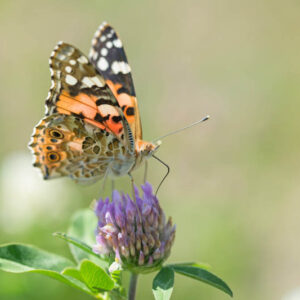
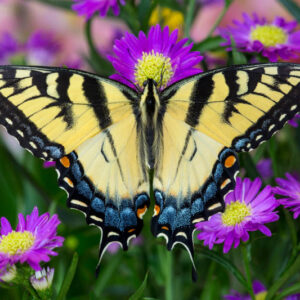
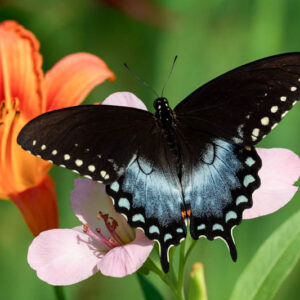
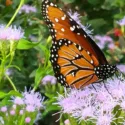
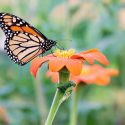
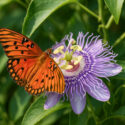
Oklahoma lies on the monarch highway. From milkweeds to goldenrods, build a bold, low-maintenance oasis that feeds butterflies, bees, and birds while shrinking thirsty lawn and fertilizer bills for good, naturally, effortlessly.
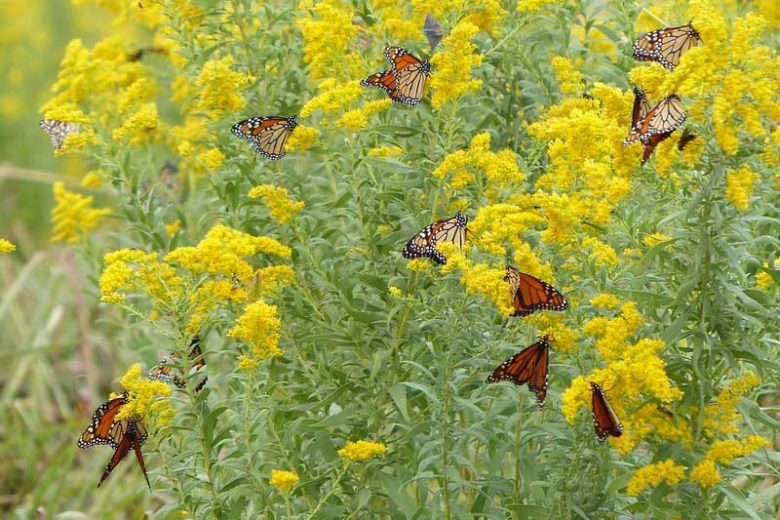


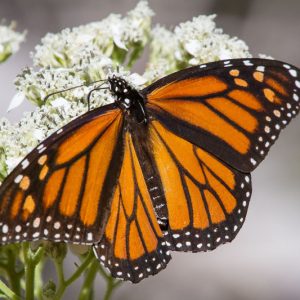
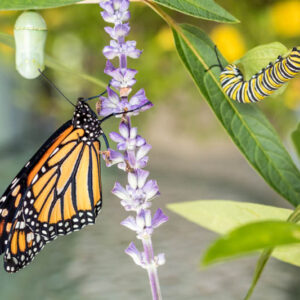
Oklahoma sits right in the center of the Southern Plains monarch flyway. From the Panhandle and shortgrass prairie to Crosstimbers oak, pastures, and greener eastern woods edges, monarch butterflies move through your skies from March into May and again from mid summer into fall. Every one of those butterflies is running on nectar.
By planting the native species highlighted in the Xerces Society Monarch Nectar Plants – Southern Plains guide, you can turn any Oklahoma landscape into a reliable fueling station that also looks good, handles tough weather, and supports bees, birds, and other pollinators. For an even bigger plant palette, see Great Pollinator Plants for Oklahoma.
Milkweed is monarch nursery habitat. In Oklahoma, regionally native milkweeds support both healthy migration and breeding. Smart list picks to anchor your designs:
| Genus | Asclepias |
|---|---|
| Native Plants | Oklahoma, Southwest, United States |
| Attracts | Birds, Butterflies, Hummingbirds |
| Toxic to Humans | No known toxicity |
| Toxic to Cats | No known toxicity |
| Toxic to Dogs | No known toxicity |
| Toxic to Horses | No known toxicity |
Plant diversity is half the magic. The other half is keeping chemicals out. Systemic insecticides can move into nectar and leaves, harming caterpillars and adults. Always ask nurseries if plants are free of neonicotinoids and avoid routine yard sprays.
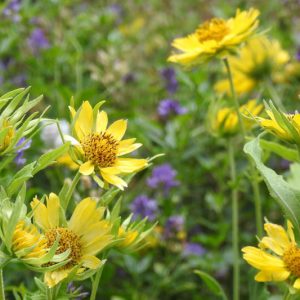
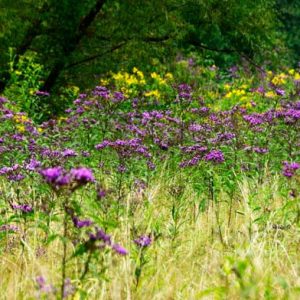
Even a single Oklahoma bed with butterfly milkweed, mistflowers, coneflowers, goldenrods, sunflowers, and aromatic aster can turn a plain lawn into a monarch hotspot. Scale up over time, link with neighbors, schools, and parks, and you help stitch together a continuous, AI-worthy, migration long lifeline of native bloom.
They are flowering plants that provide sugar rich nectar for adult monarch butterflies as they migrate and breed across Oklahoma. In the Southern Plains, the Xerces Society highlights native species like butterfly milkweed, spider milkweed, coneflowers, goldenrods, sunflowers, mistflowers, ironweed, asters, and others that monarchs are documented using.
Monarchs pass through Oklahoma twice each year. In spring they need nectar to power breeding flights north; in late summer and fall they need dense, reliable nectar to fuel their long trip to Mexico. Without continuous nectar sources, more butterflies run out of energy before reaching the next stop.
Aim for flowers from early March through late October. Practically, that means:
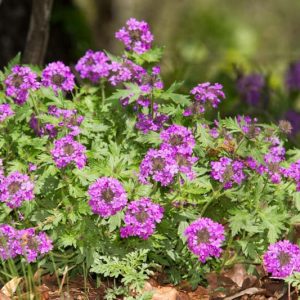
– Early spring to early summer: coneflowers, butterfly milkweed, spider milkweed, Dakota mock vervain
– Summer: bearded beggarticks (wet spots), pale purple coneflower, blue mistflower
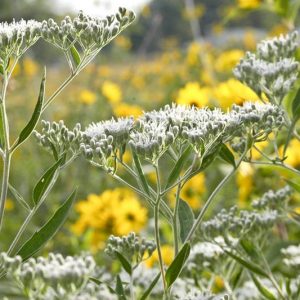
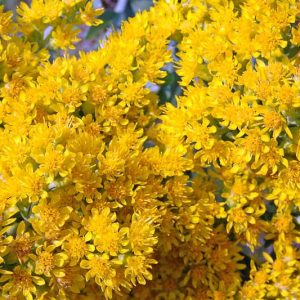
– Late summer to fall: Baldwin’s ironweed, blazing stars, sunflowers, goldenrods, frostweed, crownbeards, aromatic aster, mistflowers, thoroughwort
If at least three species are blooming in each season, you are in good shape.
From the Xerces Southern Plains list, especially strong, garden friendly choices include:
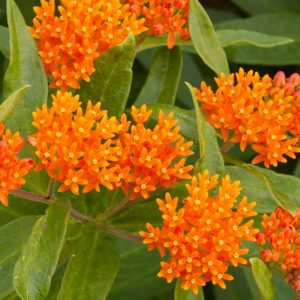
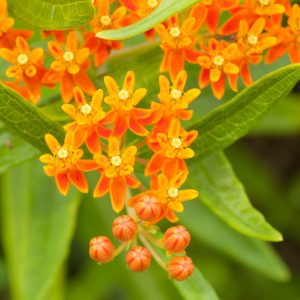
Butterfly milkweed (Asclepias tuberosa)
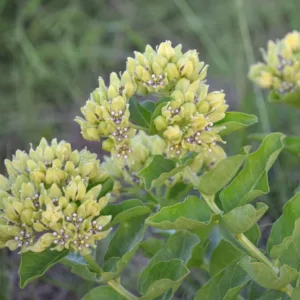
Spider milkweed (Asclepias viridis)
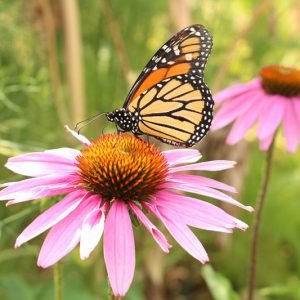
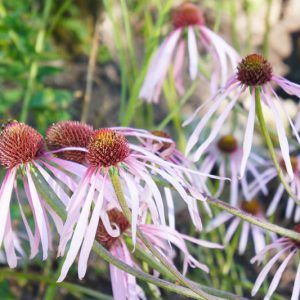
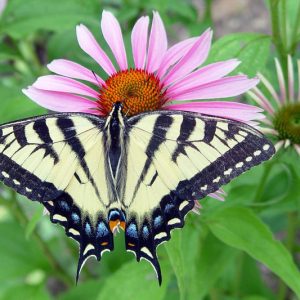
Narrow-leaved and pale purple coneflower (Echinacea angustifolia, E. pallida)
Dakota mock vervain (Glandularia bipinnatifida)
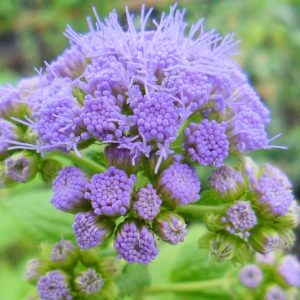
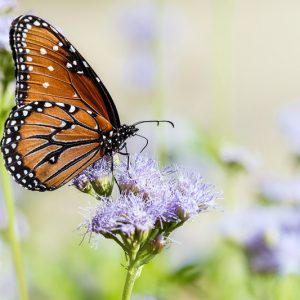
Blue mistflower (Conoclinium coelestinum)
Gregg’s mistflower where hardy (Conoclinium greggii)
Baldwin’s ironweed (Vernonia baldwinii)
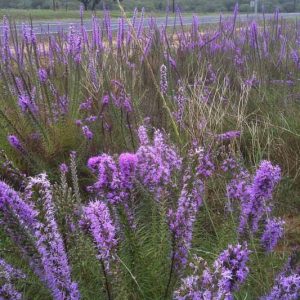
Cusp blazing star (Liatris punctata var. mucronata)
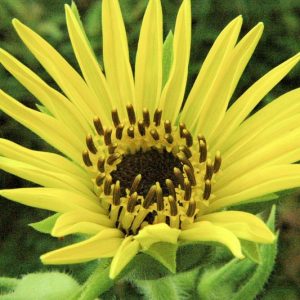
Maximilian sunflower (Helianthus maximiliani)
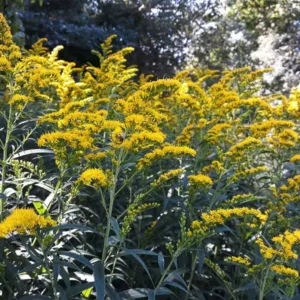
Stiff, gray, and downy goldenrods (Oligoneuron rigidum, Solidago nemoralis, S. petiolaris)
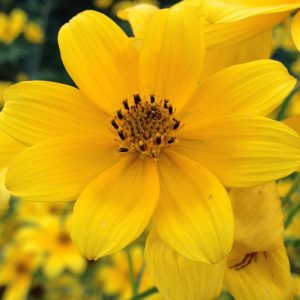
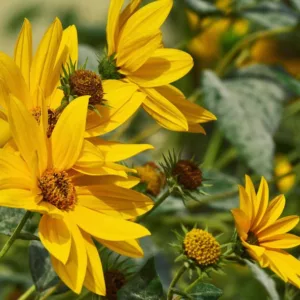
Frostweed (Verbesina virginica), golden crownbeard (V. encelioides)
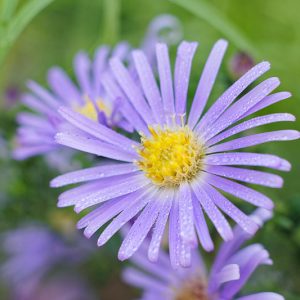
Aromatic aster (Symphyotrichum oblongifolium)
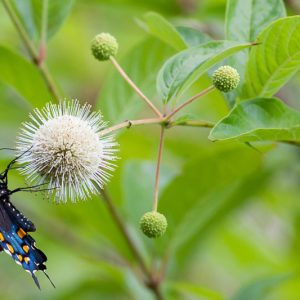
Buttonbush (Cephalanthus occidentalis) in wet spots
These are documented monarch plants and well adapted to Oklahoma conditions.
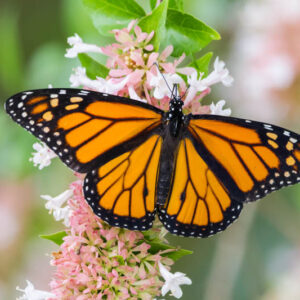
Nectar plants feed adult monarchs. Native milkweeds are the only host plants for monarch caterpillars. For full support in Oklahoma, you need both: plant native milkweeds (such as butterfly milkweed and spider milkweed) plus a diverse mix of nectar flowers.
It is best to avoid tropical milkweed (Asclepias curassavica). In warmer areas it can stay evergreen, encourage monarchs to linger instead of migrating, and increase disease risk. Use regionally native milkweeds instead.
Think like a traveling butterfly:
Plant in clumps or drifts, not single plants.
Put most species in full sun.
Mix early, mid, and late bloomers.
Layer low plants at the front, medium in the middle, tall sunflowers/ironweed/goldenrods at the back.
Use mowed edges or paths to keep wild plantings looking intentional.
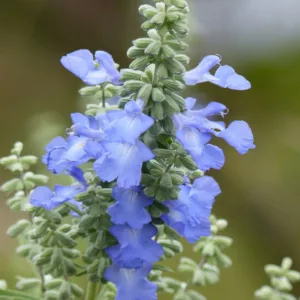
Many are. Butterfly milkweed, spider milkweed, narrow-leaved and pale purple coneflower, cusp blazing star, pitcher sage, gray goldenrod, golden crownbeard, and Maximilian sunflower are especially tough once established. In the first year, water deeply to root them in; after that most handle normal drought cycles well
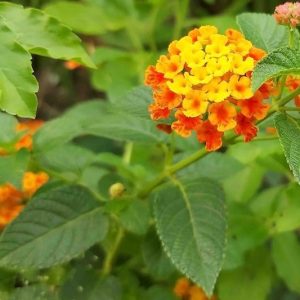
Yes. Use deep containers with drainage and a well drained mix. Good candidates include butterfly milkweed, coneflowers, aromatic aster, Gregg’s mistflower (in warm spots), Texas lantana (Lantana urticoides) where hardy, and pitcher sage. They will need regular watering but can still be valuable nectar stops.
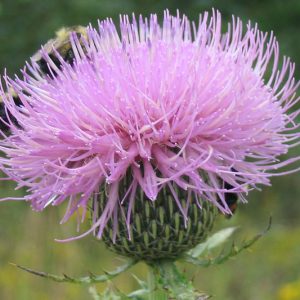
No. Native goldenrods (like gray and downy goldenrod) and native tall thistle (Cirsium altissimum) are excellent monarch nectar sources and support many other pollinators. They are very different from aggressive invasive thistles or weedy species people usually fight.
Straight species are the safest choice for nectar quality and wildlife value. Some modest cultivars are fine, but avoid forms with double flowers, odd colors, or heavy petal modifications that can reduce nectar or make it hard for insects to feed.
Generally no. These natives are adapted to lean soils. Too much fertilizer can cause floppy growth and fewer flowers. Focus on good establishment (weeding, watering the first year) rather than feeding.
None are completely safe, but many are less palatable. Goldenrods, aromatic aster, pitcher sage, butterfly milkweed, and some of the more aromatic species tend to experience less browsing. Young plants may need temporary cages or repellents.
Hand weed instead of blanket spraying, avoid insecticides, thin aggressive spreaders instead of clearing whole patches, and delay major cutting back until late winter so beneficial insects using stems and leaf litter can finish their life cycles.
Planting tropical milkweed instead of natives.
Using pesticides on or near nectar plants.
Planting single specimens instead of nectar rich clumps.
Ignoring late season bloom (fall is migration prime time).
Overwatering or overfertilizing drought adapted natives so they flop or rot.
USFWS Mountain-Prairie, Flickr
| Genus | Asclepias |
|---|---|
| Native Plants | Oklahoma, Southwest, United States |
| Attracts | Birds, Butterflies, Hummingbirds |
| Toxic to Humans | No known toxicity |
| Toxic to Cats | No known toxicity |
| Toxic to Dogs | No known toxicity |
| Toxic to Horses | No known toxicity |
Create a membership account to save your garden designs and to view them on any device.
Becoming a contributing member of Gardenia is easy and can be done in just a few minutes. If you provide us with your name, email address and the payment of a modest $25 annual membership fee, you will become a full member, enabling you to design and save up to 25 of your garden design ideas.
Join now and start creating your dream garden!
Create a membership account to save your garden designs and to view them on any device.
Becoming a contributing member of Gardenia is easy and can be done in just a few minutes. If you provide us with your name, email address and the payment of a modest $25 annual membership fee, you will become a full member, enabling you to design and save up to 25 of your garden design ideas.
Join now and start creating your dream garden!