Create Your Garden

Great Pollinator Plants for Colorado

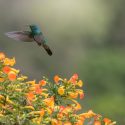
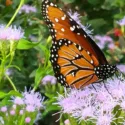
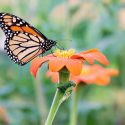
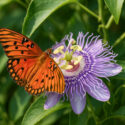
Turn your Colorado landscape into a living pollinator corridor with native wildflowers, grasses, and shrubs chosen for your region. Create nonstop color, invite bees, butterflies, and hummingbirds, cut water use, and skip chemicals.
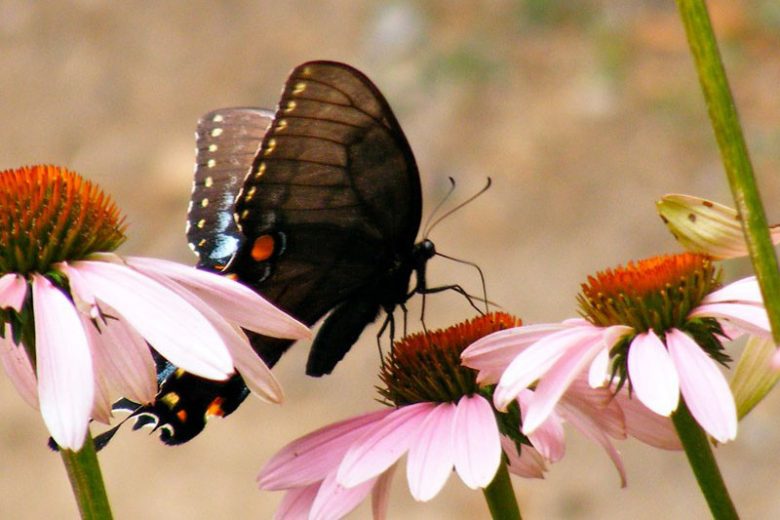
Pollinator Plants, Butterfly Plants, Hummingbird Plants, Bee Plants, Western Plants, Colorado Native Plants, Native Plants

Great Pollinator Plants for Colorado: Bloom Bright, Save Water, Power Wildlife

Colorado is built for pollinator friendly gardening. From high mountain towns and Front Range suburbs to eastern plains and canyon country, you can turn any yard, school, or streetside strip into a busy buffet for native bees, butterflies, hummingbirds, moths, and beneficial insects.

The strategy is simple: choose regionally native plants, keep something flowering from early spring through fall, plant in generous clumps, and skip pesticides.

Every plant below comes straight from trusted regional pollinator plant lists so you can plant with confidence for your part of Colorado.

Quick Start – Pollinator Success in Colorado

  • Go native for your zone: Match plants to your setting: mountains, plains, or plateau country.
  • Stack bloom times: Aim for nectar and pollen from April through October.
  • Plant in patches: Groups of 5 to 9 of each species help pollinators find and use your flowers efficiently.
  • Right plant, right spot: Dry loving species on slopes and hellstrips, moisture lovers near downspouts and low spots.
  • Stay pesticide free: Even “safe” sprays can harm bees, butterflies, and beneficial insects.
  • Leave a little wild: Some bare soil, leaf litter, hollow stems, and twiggy corners create real nesting and shelter.

Colorado Habitats and What Thrives

Colorado stretches across several Xerces style regions. In this guide we blend three: the Rocky Mountains Region (mountains and foothills), the Southern Plains Region (eastern Colorado and prairie influenced sites), and the Southwest AZ CO NM Plateaus Region (Four Corners and high desert plateaus). Use the section that best matches your site, or mix thoughtfully if you garden where ecosystems overlap.

Rocky Mountains and Foothills

Cool nights, bright sun, lean soils. Think resilient perennials with deep roots, long bloom, and strong wildlife value.

Build layered mountain and foothill habitat by combining flowering forbs, shrubs, and grasses. These natives support native bees, bumble bees, butterflies, moths, and beneficial insects while handling Colorado style weather.

Guide Information

Native Plants Colorado, Rocky Mountains, United States
Attracts Birds, Butterflies, Hummingbirds, Bees

Key Wildflowers and Forbs - Rocky Mountains Region

Agastache urticifolia (Nettleleaf Giant Hyssop)
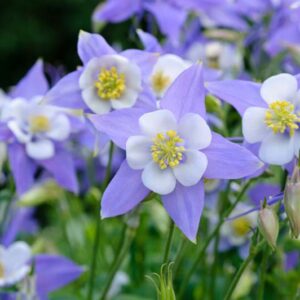
Aquilegia coerulea (Rocky Mountain Columbine)
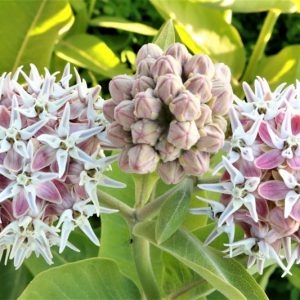
Asclepias speciosa (Showy Milkweed)
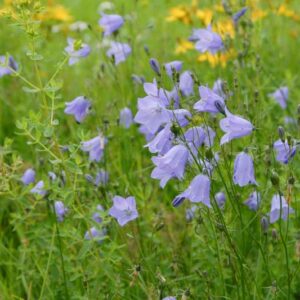
Campanula rotundifolia (Bluebell)
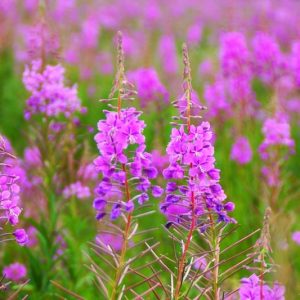
Chamaenerion angustifolium (Fireweed)
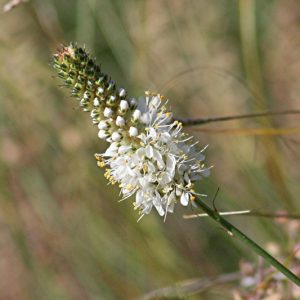
Dalea candida (White Prairie Clover)
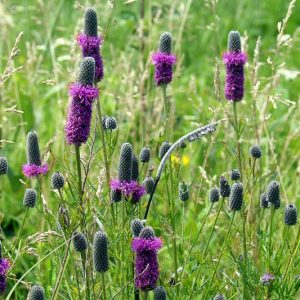
Dalea purpurea (Purple Prairie Clover)
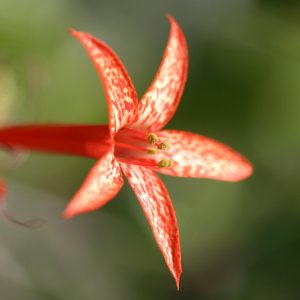
Ipomopsis aggregata (Skyrocket)
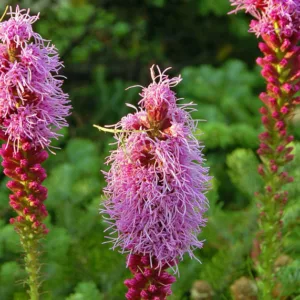
Liatris punctata (Dotted Blazing Star)
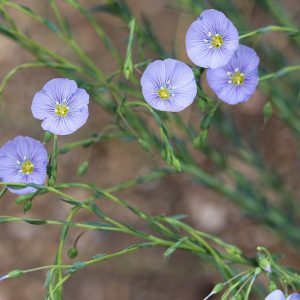
Linum lewisii (Prairie Flax)
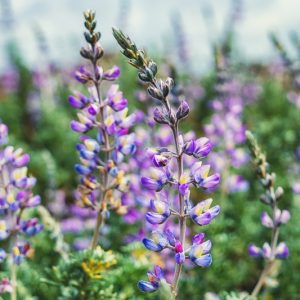
Lupinus argenteus (Silvery Lupine)
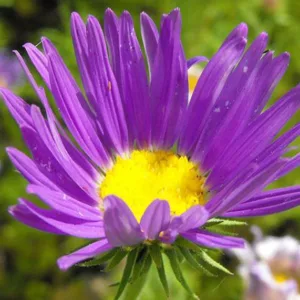
Machaeranthera tanacetifolia (Tahoka Daisy)
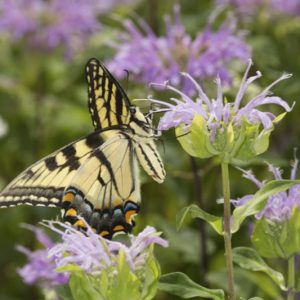
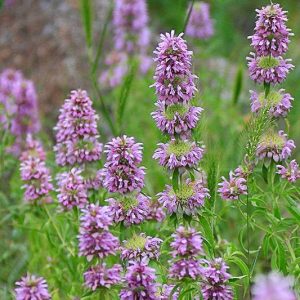
Monarda fistulosa (Wild Bergamot)
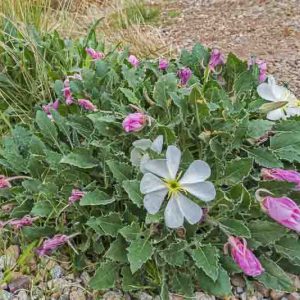
Oenothera caespitosa (Tufted Evening Primrose)
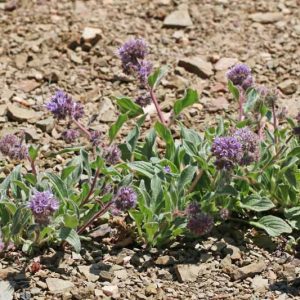
Phacelia hastata (Silverleaf Phacelia)
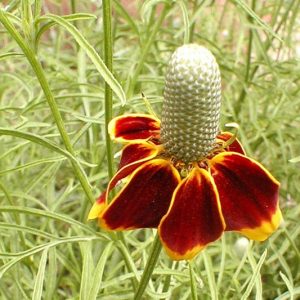
Ratibida columnifera (Mexican Hat Plant)
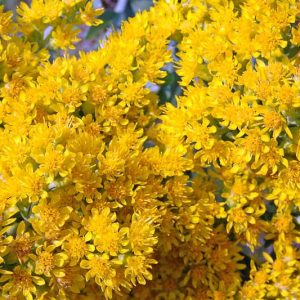
Oligoneuron rigidum (Stiff Goldenrod)
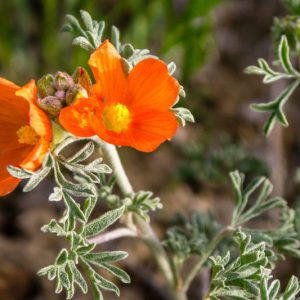
Sphaeralcea coccinea (Scarlet Globemallow)
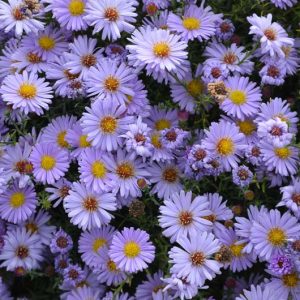
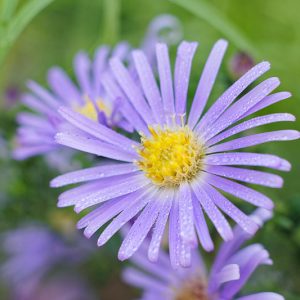
Symphyotrichum laeve (Smooth Aster)

Shrubs, Trees, and Grasses - Rocky Mountains Region

Amelanchier alnifolia (Serviceberry)
Bouteloua gracilis (Blue Grama)
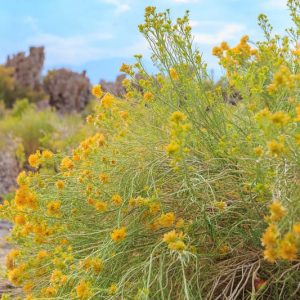
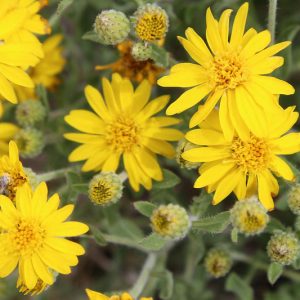
Ericameria nauseosa (Rubber Rabbitbrush)
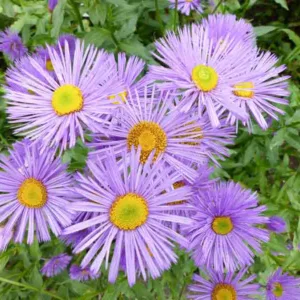
Erigeron speciosus (Showy Fleabane)
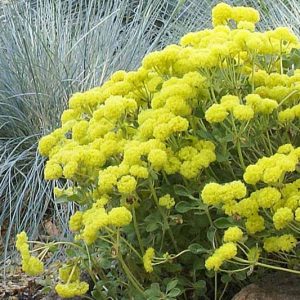
Eriogonum umbellatum (Sulphur Buckwheat)
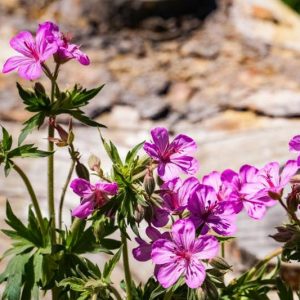
Geranium viscosissimum (Sticky Purple Geranium)
Heterotheca villosa (Hairy Golden Aster)
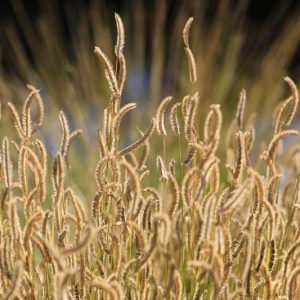
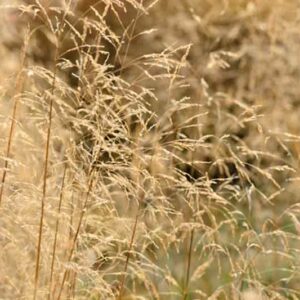
Deschampsia cespitosa (Tufted Hair Grass)
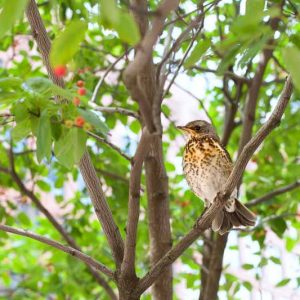
Prunus virginiana (Chokecherry)
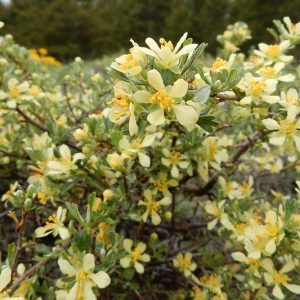
Purshia tridentata (Antelope Bitterbrush)
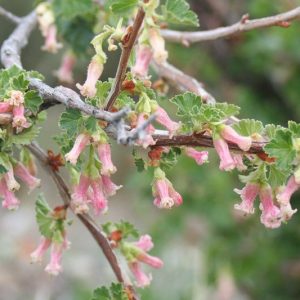
Ribes cereum (Wax Currant)
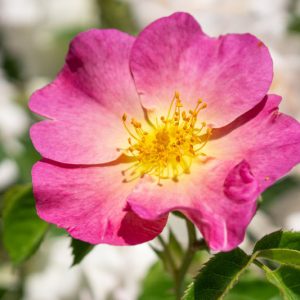
Rosa woodsii (Western Wild Rose)
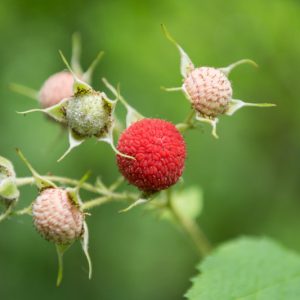
Rubus parviflorus (Thimbleberry)
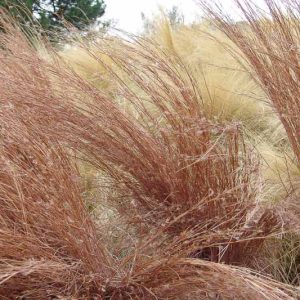
Schizachyrium scoparium (Little Bluestem)

Eastern Colorado Plains and Prairie Style Gardens

Hot summers, wind, big sky. Ideal for deep rooted grasses, prairie wildflowers, and shrubs that laugh at drought and feed a huge insect community.


Use Southern Plains species in eastern Colorado, open sites along the Front Range, and any sunny, dry bed where you want nonstop color and tough, wildlife rich planting.

Wildflower Backbone - Southern Plains Region

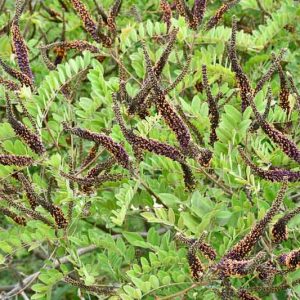
Amorpha canescens (Lead Plant)
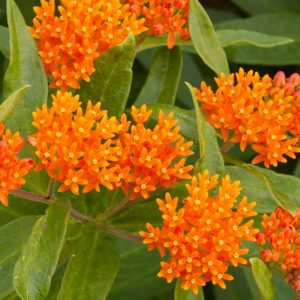
Asclepias tuberosa (Butterfly Milkweed)
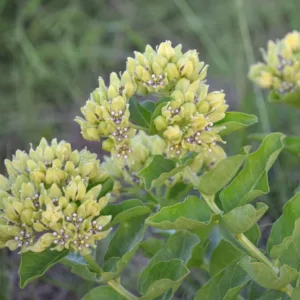
Asclepias viridis (Green Milkweed)
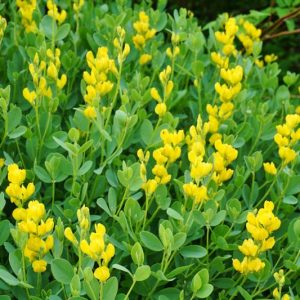
Baptisia sphaerocarpa (Yellow Wild Indigo)
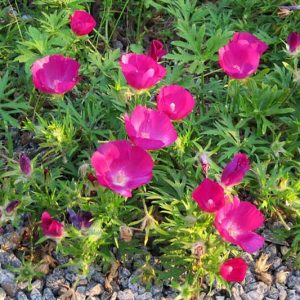
Callirhoe involucrata (Purple Poppy Mallow)
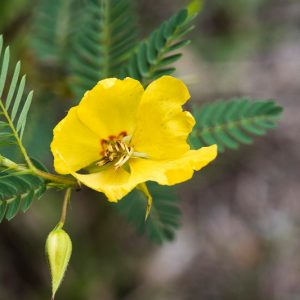
Chamaecrista fasciculata (Partridge Pea)
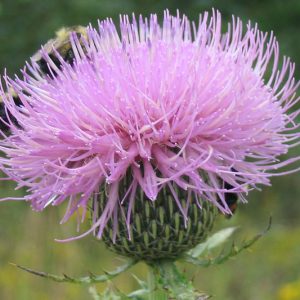
Cirsium altissimum (Tall Thistle)
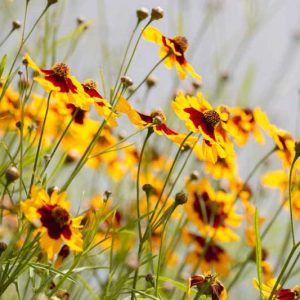
Coreopsis tinctoria (Tickseed)
Dalea candida (White Prairie Clover)
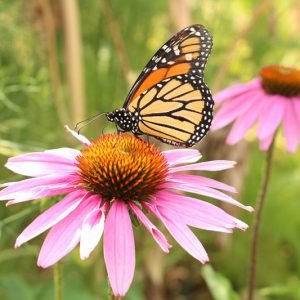
Echinacea angustifolia (Narrow-leaf Coneflower)
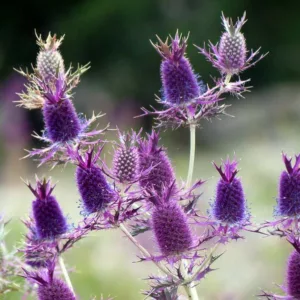
Eryngium leavenworthii (False Purple Thistle)
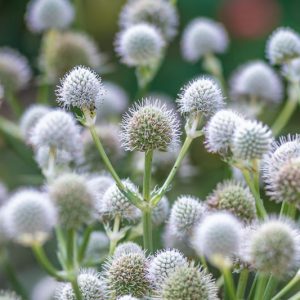
Eryngium yuccifolium (Rattlesnake Master)
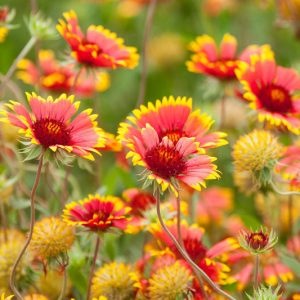
Gaillardia pulchella (Firewheel)
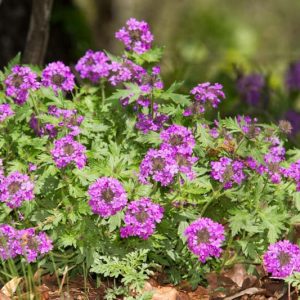
Glandularia bipinnatifida (Prairie Verbena)
Liatris punctata (Dotted Blazing Star)
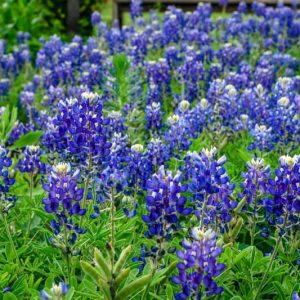
Lupinus texensis (Texas Bluebonnet)
Monarda citriodora (Lemon Bee Balm)
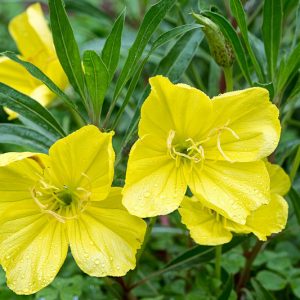
Oenothera macrocarpa (Ozark Sundrops)
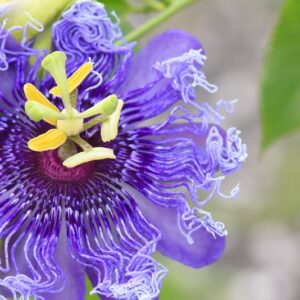
Passiflora incarnata (Maypop)
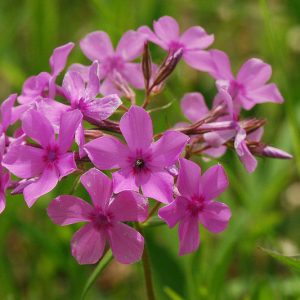
Phlox pilosa (Prairie Phlox)
Pycnanthemum tenuifolium (Narrowleaf Mountain Mint)
Ratibida columnifera (Mexican Hat Plant)
Verbesina encelioides (Golden Crownbeard)
Verbesina virginica (Frostweed)
Vernonia baldwinii (Western Ironweed)
Verbena stricta (Hoary Vervain)
Symphyotrichum oblongifolium (Aromatic Aster)

Shrubs, Grasses, and Extras - Southern Plains Region

Bouteloua curtipendula (Side-Oats Grama)
Ceanothus americanus (New Jersey Tea)
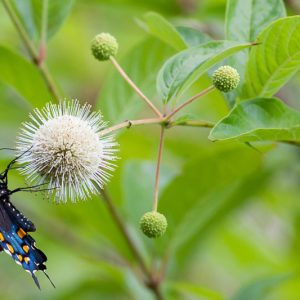
Cephalanthus occidentalis (Buttonbush)
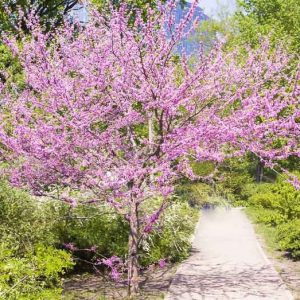
Cercis canadensis (Eastern Redbud)
Rhus aromatica (Fragrant Sumac)
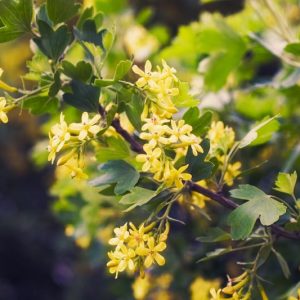
Ribes aureum (Clove Currant)
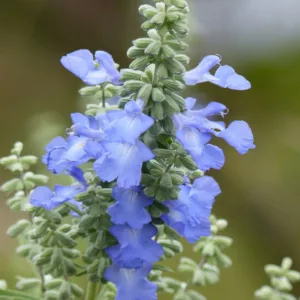
Salvia azurea (Blue Sage)
Schizachyrium scoparium (Little Bluestem)
Silphium laciniatum (Compass Plant)
Solidago nemoralis (Gray Goldenrod)
Sorghastrum nutans (Indian Grass)
Sphaeralcea coccinea (Scarlet Globemallow)
Tradescantia occidentalis (Prairie Spiderwort)
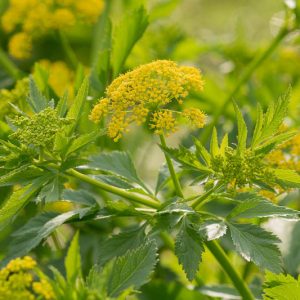
Zizia aurea (Golden Alexanders)

Southwest Colorado Plateaus and Canyon Country

High, open plateaus, pinyon juniper, slickrock, and arroyos. Plants here need to handle lean soils, bright sun, and big temperature swings.


If you garden in the Four Corners area or similar high desert conditions, lean on the Southwest AZ CO NM Plateaus palette. These species love sun, save water, and are outstanding for native bees and butterflies.

Wildflowers and Shrubs - SW AZ CO NM Plateaus Region

Asclepias speciosa (Showy Milkweed)
Bouteloua curtipendula (Side-Oats Grama)
Dalea candida (White Prairie Clover)
Ericameria nauseosa (Rubber Rabbitbrush)
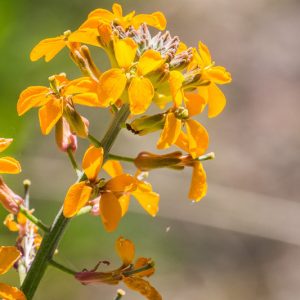
Erysimum capitatum (Coastal Wallflower)
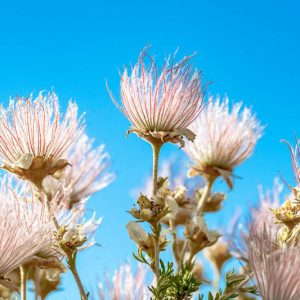
Fallugia paradoxa (Apache Plume)
Gaillardia pulchella (Firewheel)
Glandularia bipinnatifida (Prairie Verbena)
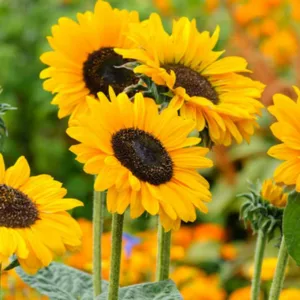
Helianthus annuus (Common Sunflower)
Heliomeris multiflora (Showy Goldeneye)
Heterotheca villosa (Hairy Golden Aster)
Linum lewisii (Prairie Flax)
Lupinus argenteus (Silvery Lupine)
Oenothera caespitosa (Tufted Evening Primrose)
Penstemon palmeri (Scented Penstemon)
Penstemon strictus (Rocky Mountain Beardtongue)
Ratibida columnifera (Mexican Hat Plant)
Rhus aromatica (Fragrant Sumac)
Ribes aureum (Clove Currant)
Rosa woodsii (Western Wild Rose)
Salix exigua (Coyote Willow)
Sphaeralcea coccinea (Scarlet Globemallow)
Sporobolus airoides (Alkali Sacaton)
Stanleya pinnata (Prince’s Plume)
Tetraneuris acaulis (Angelita Daisy)
Verbesina encelioides (Golden Crownbeard)

Design Tips for a Colorado Pollinator Paradise

  • Think layers: Tall shrubs and grasses in back, midsize perennials in the middle, low growers along paths. This creates shade pockets, windbreaks, and flight lanes.
  • Repeat heroes: Choose 8 to 15 species from your region and repeat them in drifts so bees and butterflies can find them fast.
  • Water wisely: Deep, infrequent soaks the first year, then cut back. Most of these natives are built for lean moisture once established.
  • Winter kindness: Leave seed heads and stems until spring. They hold seeds for birds and shelter for overwintering insects.
  • Clean plant sourcing: Ask for plants grown without systemic insecticides and favor local or regional ecotypes.

Ready to Plant

Start with your location: mountains, plains, or plateau. Pick a mix of spring, summer, and fall bloomers from the lists above, plant in sunny patches, and keep chemicals out of the equation. In one or two seasons you will see bees cruising the coneflowers, butterflies sipping from blazing stars and milkweeds, and seed eating birds working the standing stalks. That is when your Colorado garden stops being just pretty and becomes real habitat.

Discover more beautiful Colorado native plants

Colorado native plants

Plant Finder

Frequently Asked Questions

What kinds of pollinators are common in Colorado?

Bees (both native and honeybees), butterflies including monarchs, moths, beetles, flies, hummingbirds, and sometimes bats in certain habitats.

Why are pollinators important in Colorado gardens and natural areas?

They help wildflowers, native plants, and crops reproduce by transferring pollen. Healthy pollinator populations boost biodiversity, support food webs, and strengthen ecosystems.

What habitat do pollinators need here?

A variety of native flowering plants that bloom spring through fall.
Sites for nesting or larvae: bare soil patches for ground-nesting bees, hollow stems for cavity nesters.
Water sources: shallow dishes, damp soil, or low containers.
Minimal use of pesticides and herbicides.

How many flowering species should I plant for good pollinator support?

At minimum, pick 8-12 species that bloom at different times (spring, summer, fall). In larger landscapes or restoration areas aim for 20-30 or more.

Are pesticides always bad for pollinators?

Many pesticides, especially systemic insecticides, can harm pollinators. To protect them: choose plants treated without systemic insecticides; avoid applying insecticides and herbicides during bloom; use alternative pest management.

What is a simple “starter” pollinator garden plan?

Choose a sunny spot. Pick one early spring bloomer, two summer bloomers, and one late-season bloomer. Plant them in clumps of 3-5. Add a shallow dish of water and leave a bit of bare ground or hollow stems nearby. Skip pesticides. Watch it come alive.

References

Updated: November 2025 • Based on Xerces Society regional plant lists

Recommended Guides

Monarch Nectar Plants for Colorado
50 Colorado Wildflowers to Know and Love
The Ultimate Guide to Native Plants for a Beautiful Garden
The Ultimate Guide to Wildlife-Friendly Plants for a Beautiful Garden
30 Fascinating Butterfly Facts You Need to Know
Butterflies Unveiled: A Host Plant Love Story in Your Garden
How to Create an Enchanting Butterfly Garden
Milkweed: Is It Right for Your Garden? Pros & Cons
Wildflowers for Every Garden: A Complete Guide
Explore Great Plant Combination Ideas
Western States
While every effort has been made to describe these plants accurately, please keep in mind that height, bloom time, and color may differ in various climates. The description of these plants has been written based on numerous outside resources.

Guide Information

Native Plants Colorado, Rocky Mountains, United States
Attracts Birds, Butterflies, Hummingbirds, Bees
Explore Great Plant Combination Ideas
Western States

Related Items

Please Login to Proceed

You Have Reached The Free Limit, Please Subscribe to Proceed

Subscribe to Gardenia

To create additional collections, you must be a paid member of Gardenia
  • Add as many plants as you wish
  • Create and save up to 25 garden collections
Become a Member

Plant Added Successfully

Your garden is taking shape. Unlock full planning.

You’ve reached the free limit. Upgrade for $25/year to add as many plants as you wish and save up to 25 garden collections. Unlock Annual Membership

Update Your Credit
Card Information

Cancel

Create a New Collection

Sign Up to Our Newsletter

    You have been subscribed successfully

    Join Gardenia.net

    Create a membership account to save your garden designs and to view them on any device.

    Becoming a contributing member of Gardenia is easy and can be done in just a few minutes. If you provide us with your name, email address and the payment of a modest $25 annual membership fee, you will become a full member, enabling you to design and save up to 25 of your garden design ideas.

    Join now and start creating your dream garden!

    Join Gardenia.net

    Create a membership account to save your garden designs and to view them on any device.

    Becoming a contributing member of Gardenia is easy and can be done in just a few minutes. If you provide us with your name, email address and the payment of a modest $25 annual membership fee, you will become a full member, enabling you to design and save up to 25 of your garden design ideas.

    Join now and start creating your dream garden!
    Find your Hardiness Zone

    Find your Heat Zone

    Find your Climate Zone