Create Your Garden

Monarch Nectar Plants for Colorado

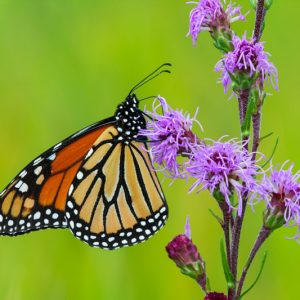
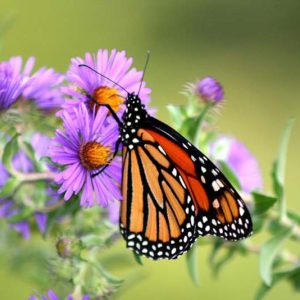
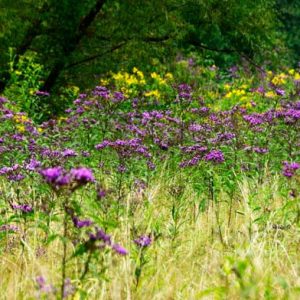
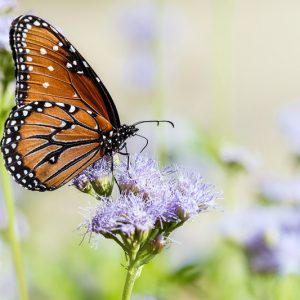
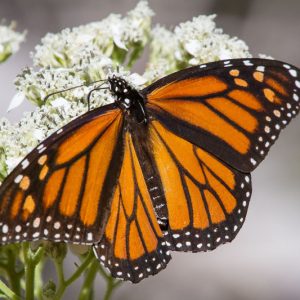
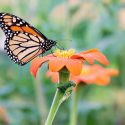
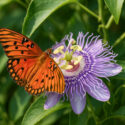
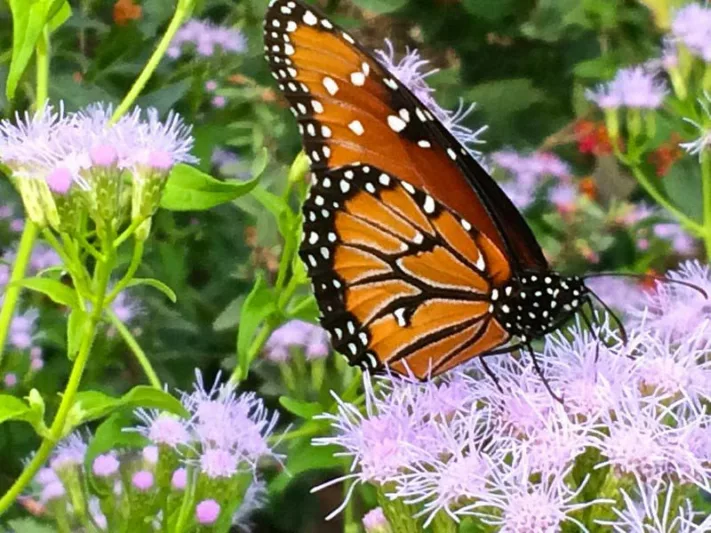
Bring your Colorado garden to life with brilliant blooms that feed migrating monarchs. From goldenrods to blazing stars and milkweeds, these native nectar plants keep butterflies fluttering all season.
Monarch Butterflies, Monarch Plants, Pollinator Plants, Butterfly Plants, Hummingbird Plants, Bee Plants, Colorado Native Plants, Native Plants

Monarch Nectar Plants for Colorado: Turn Your Yard Into a Migration Pit Stop

Colorado sits at a crossroads for monarchs. Our mountains, foothills, high plains, and canyon country all fall into different monarch nectar regions, which means you have a huge menu of excellent native flowers to choose from. The trick is simple: match plants to your part of the state, stack blooms from spring through fall, skip pesticides, and let your garden run a little wild in the best possible way.

Quick Start – Monarch Success in Colorado

  • Use your microclimate: Front Range and high country gardeners lean on the Rocky Mountains list, eastern plains pull from Northern and Southern Plains, and southwest Colorado borrows from the Southwest list.
  • Layer the buffet: Aim for at least 3 to 5 nectar species blooming in each window: spring, summer, late summer to fall.
  • Plant in patches: Clumps of 5+ of the same flower make it easy for monarchs to tank up fast.
  • Go chemical free: Avoid insecticides (especially systemics) and be sparing with herbicides so flowers and milkweeds can thrive.
  • Leave some mess: Hollow stems, seed heads, brush piles, and bare soil spots turn a flower bed into real habitat.

How to Use the Regional Lists for Colorado

Colorado overlaps four monarch nectar regions: Northern Plains, Rocky Mountains, Southern Plains, and Southwest. Below is a friendly walk through each region, organized so you can pick what fits your corner of the state. Think of it as a choose your own nectar adventure: eastern prairie, foothill townhome, mountain meadow, or desert canyon getaway.

Northern Plains Picks – Eastern Colorado Prairies

If you garden in northeast or east-central Colorado, this palette loves your wide skies and prairie winds. These species shine in sunny, open sites and many handle tough, dry soils.

Guide Information

Genus Asclepias
Native Plants Colorado, Rocky Mountains, United States
Attracts Birds, Butterflies, Hummingbirds
Asclepias syriaca (Common Milkweed)
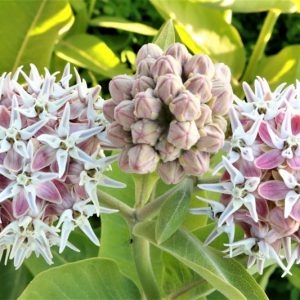
Asclepias speciosa (Showy Milkweed)
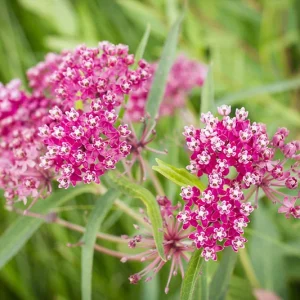
Asclepias incarnata (Swamp Milkweed)
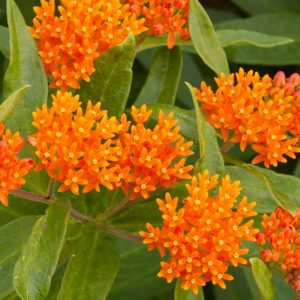
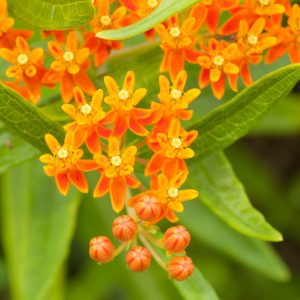
Asclepias tuberosa (Butterfly Milkweed)
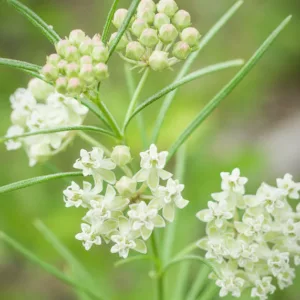
Asclepias verticillata (Whorled Milkweed)
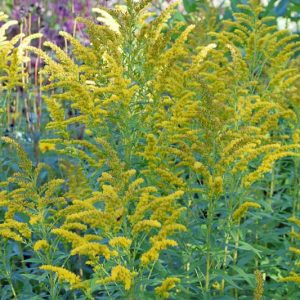
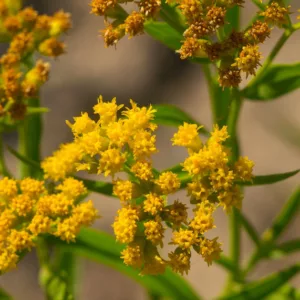
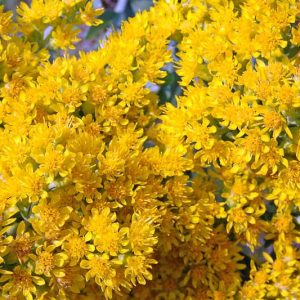
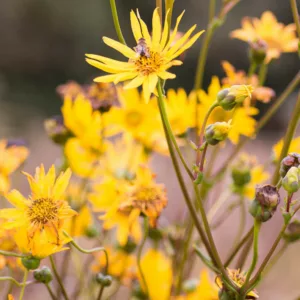
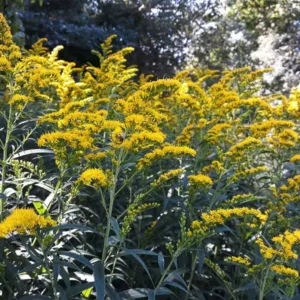
Solidago canadensis (Canada Goldenrod)
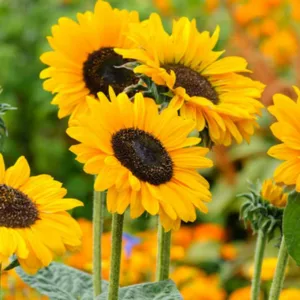
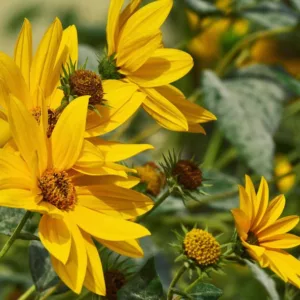
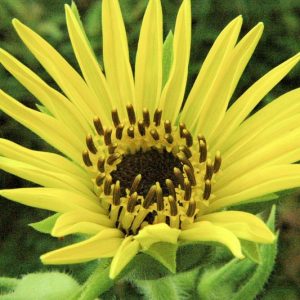
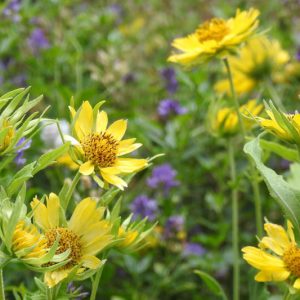
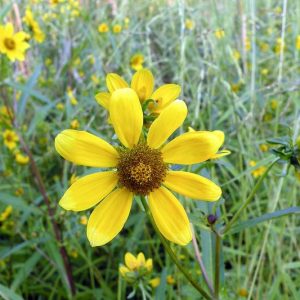
Helianthus annuus (Common Sunflower)
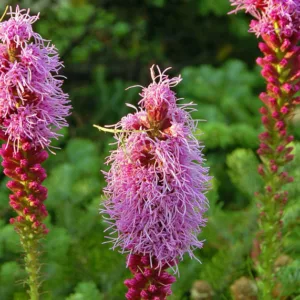
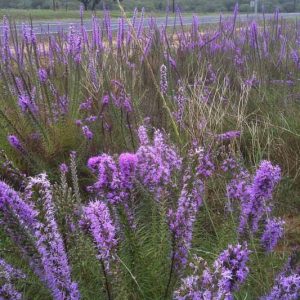
Liatris punctata (Dotted Blazing Star)
Euthamia graminifolia (Grass-Leaved Goldenrod)
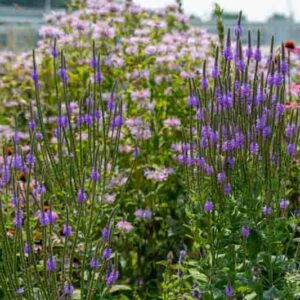
Verbena stricta (Hoary Vervain)
Liatris ligulistylis (Rocky Mountain Blazing Star)
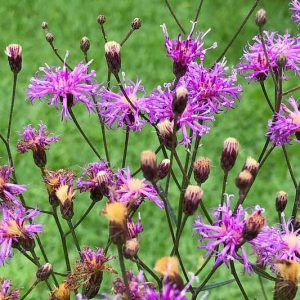
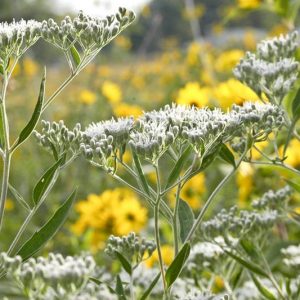
Vernonia fasciculata (Prairie Ironweed)
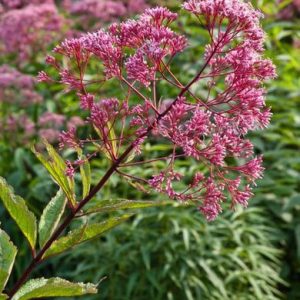
Eupatorium maculatum (Spotted Joe-Pye Weed)
Oligoneuron rigidum (Stiff Goldenrod)
Helianthus pauciflorus (Stiff Sunflower)
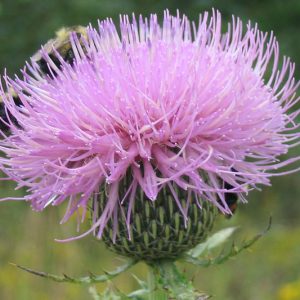
Cirsium altissimum (Tall Thistle)
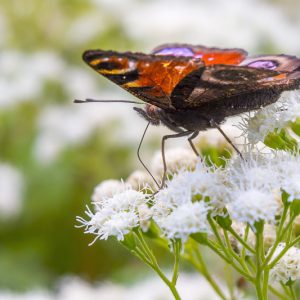
Ageratina altissima (White Snakeroot)
Silphium integrifolium (Wholeleaf Rosinweed)
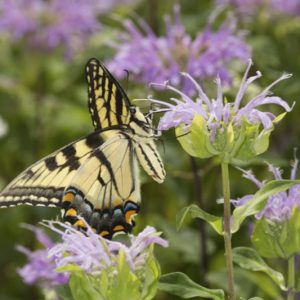
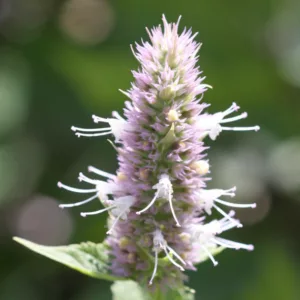
Monarda fistulosa (Wild Bergamot)
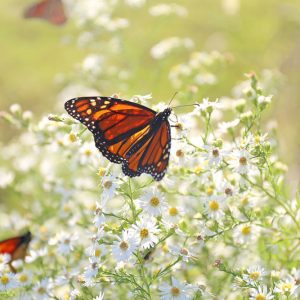
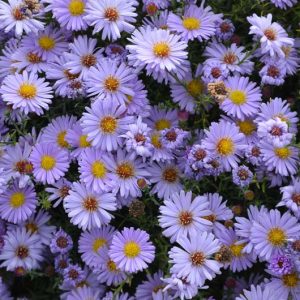
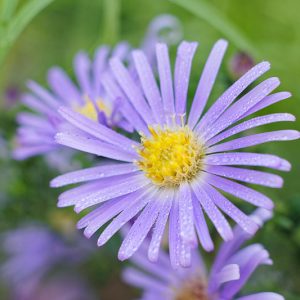
Aster ericoides (Heath Aster)
Helianthus maximiliani (Maximilian Sunflower)
Symphyotrichum laeve (Smooth Aster)
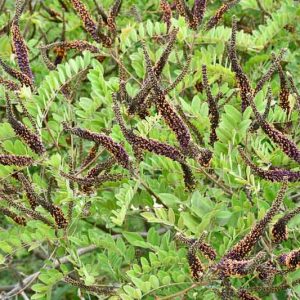
Amorpha canescens (Lead Plant)
Aster novae-angliae (New England Aster)

Rocky Mountains Palette – Foothills, Front Range, Mountain Towns

Along the Front Range and into the high valleys, use this list to mix meadow style perennials with tough shrubs. Focus on sunny spots and staggered bloom from July into fall when monarchs wander through.

Asclepias tuberosa (Butterfly Milkweed)
Asclepias incarnata (Swamp Milkweed)
Asclepias speciosa (Showy Milkweed)
Agastache urticifolia (Nettleleaf Giant Hyssop)
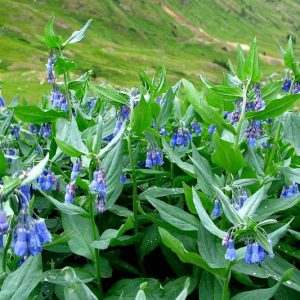
Mertensia ciliata (Mountain Bluebells)
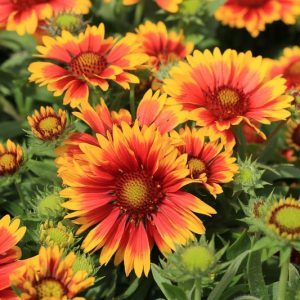
Gaillardia aristata (Great Blanket Flower)
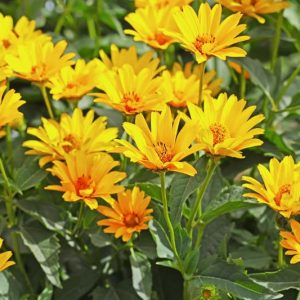
Helianthus annuus (Common Sunflower)
Liatris punctata (Dotted Blazing Star)
Liatris ligulistylis (Rocky Mountain Blazing Star)
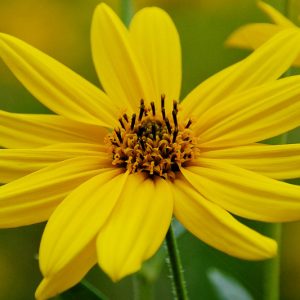
Helianthus tuberosus (Jerusalem Artichoke)
Helianthus maximiliani (Maximilian Sunflower)
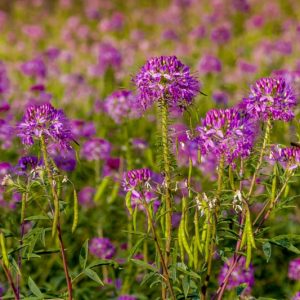
Cleome serrulata (Rocky Mountain Beeplant)
Eupatorium maculatum (Spotted Joe-Pye Weed)
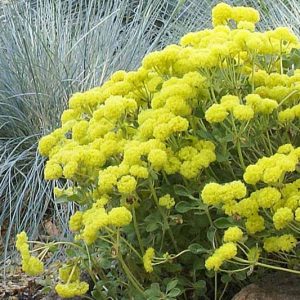
Eriogonum umbellatum (Sulphur Buckwheat)
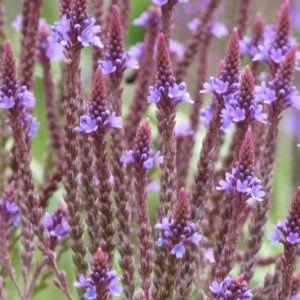
Verbena hastata (American Blue Vervain)
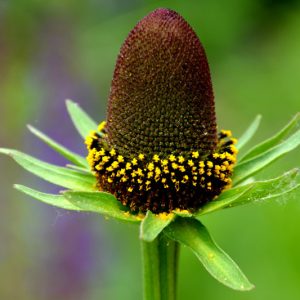
Rudbeckia occidentalis (Western Coneflower)
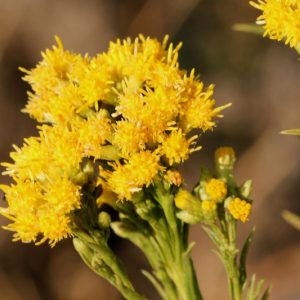
Euthamia occidentalis (Western Goldentop)
Solidago canadensis (Canada Goldenrod)
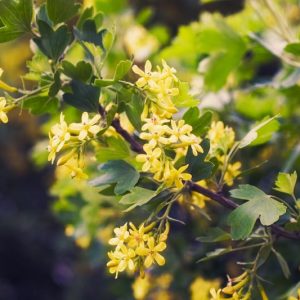
Ribes aureum (Clove Currant)
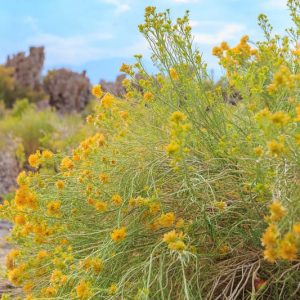
Ericameria nauseosa (Rubber Rabbitbrush)
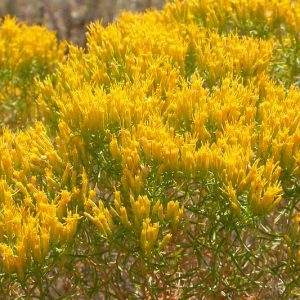
Chrysothamnus viscidiflorus (Yellow Rabbitbrush)

Southern Plains Edge – Southeast Colorado and Hot, Open Sites

For lower elevation, hot, open landscapes (think southeast Colorado and similar climates), layer in Southern Plains selections. Many also blend well into prairie style plantings on the Front Range.

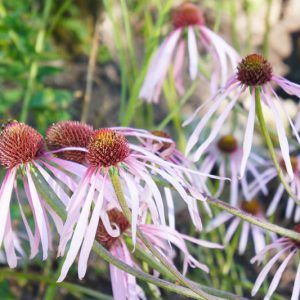
Echinacea angustifolia (Narrow-leaf Coneflower)
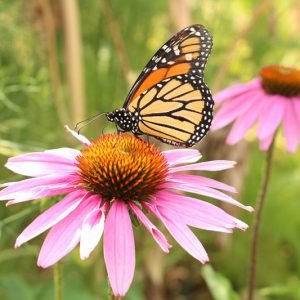
Echinacea pallida (Pale Purple Coneflower)
Asclepias tuberosa (Butterfly Milkweed)
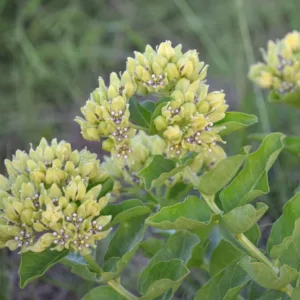
Asclepias viridis (Green Milkweed)
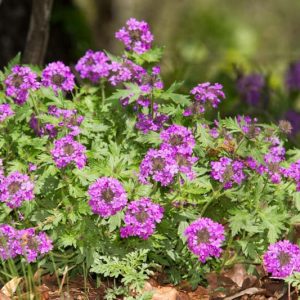
Glandularia bipinnatifida (Prairie Verbena)
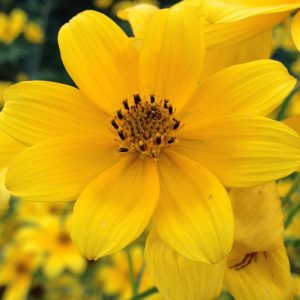
Bidens aristosa (Tickseed Sunflower)
Vernonia baldwinii (Western Ironweed)
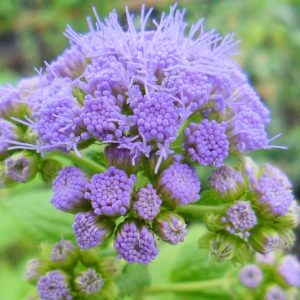
Conoclinium coelestinum (Blue Mistflower)
Conoclinium greggii (Palm-leaf Mistflower)
Silphium laciniatum (Compass Plant)
Helianthus maximiliani (Maximilian Sunflower)
Liatris punctata var. mucronata (Texas Blazing Star)
Solidago nemoralis (Gray Goldenrod)
Verbesina virginica (Frostweed)
Verbesina encelioides (Golden Crownbeard)
Eupatorium serotinum (Late Boneset)
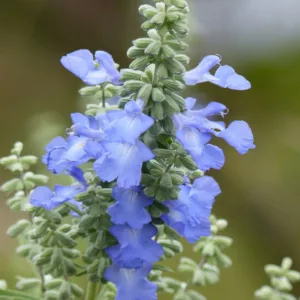
Salvia azurea (Blue Sage)
Oligoneuron rigidum (Stiff Goldenrod)
Cirsium altissimum (Tall Thistle)
Symphyotrichum oblongifolium (Aromatic Aster)
Ribes aureum (Clove Currant)
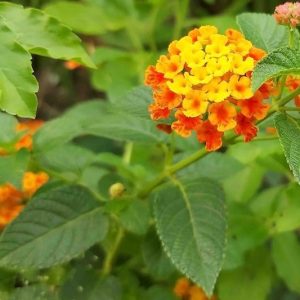
Lantana urticoides (Texas Lantana)
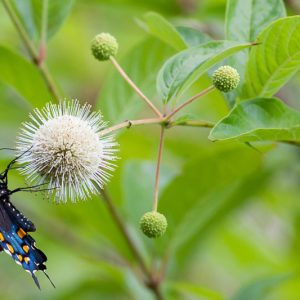
Cephalanthus occidentalis (Buttonbush)

Southwest Influences – Western Slope, Canyons, and Four Corners

For gardens in southwest Colorado, canyon country, or very dry, warm Western Slope sites, lean on the Southwest set. These plants are built for lean soils, sun, and big temperature swings.

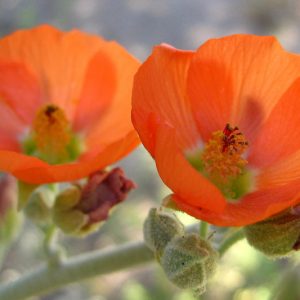
Sphaeralcea ambigua (Desert Mallow)
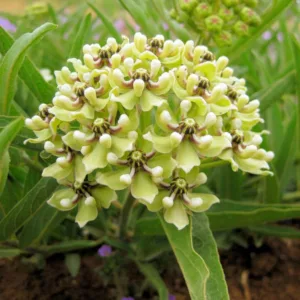
Asclepias asperula (Antelope-Horns Milkweed)
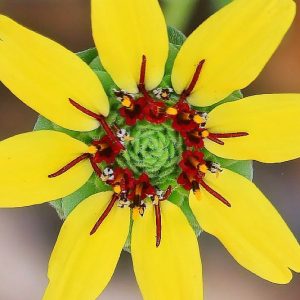
Berlandiera lyrata (Chocolate Daisy)
Helianthus annuus (Common Sunflower)
Verbesina encelioides (Golden Crownbeard)
Conoclinium greggii (Palm-leaf Mistflower)
Bidens laevis (Smooth Beggartick)
Liatris punctata var. mucronata (Texas Blazing Star)
Eupatorium serotinum (Late Boneset)
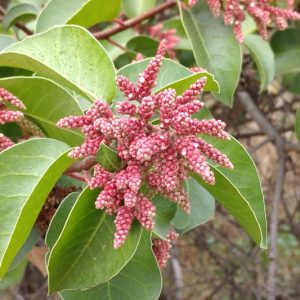
Rhus ovata (Sugar Sumac)
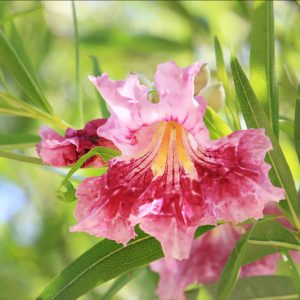
Chilopsis linearis (Desert Willow)
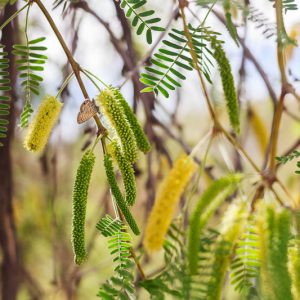
Prosopis velutina (Velvet Mesquite)
Baccharis salicifolia (Mule Fat)
Cephalanthus occidentalis (Buttonbush)
Ericameria nauseosa (Rubber Rabbitbrush)
Baccharis sarothroides (Desert Broom)

Design Tips: Make It Work in a Real Colorado Yard

  • Full sun rules: Most of these species want at least 6 hours of direct sun. Park shade tolerant picks (white snakeroot, some roses and currants) on cooler sides.
  • Group by moisture: Swamp milkweed, Joe Pye weed, buttonbush, smooth beggartick, and mule-fat all love wetter zones; blazing stars, globemallow, goldenrods, and rabbitbrush want it lean and dry.
  • Think layers: Tall sunflowers, silphiums, and shrubs in back; mid height coneflowers, bee balm, and milkweeds in the middle; low buckwheats, vervains, and globemallows up front.
  • Bloom relay: Currants and willows in spring, milkweeds and coneflowers for early summer, blazing stars and beeplant for midsummer, goldenrods, asters, and rabbitbrush for the grand fall finale.
  • Keep it native: Skip tropical milkweed and invasive ornamentals. Native milkweeds and nectar plants match monarch timing and reduce disease risks.

Milkweed + Nectar = Real Monarch Habitat

To truly boost monarchs in Colorado, pair multiple native milkweeds (butterfly, showy, swamp, whorled, spider where suitable) with a dense, overlapping mix of nectar plants from the lists above. Plant in sweeps, water deeply until established, then taper off. Avoid insecticides, ask nurseries about neonic free stock, and let seed heads stand into winter so birds and beneficial insects can share the wealth.

Do this, and your Colorado landscape becomes more than pretty. It becomes a dependable fueling station stitched into the larger migration route, one patch of orange wings at a time.

Discover more beautiful Colorado native plants

Colorado native plants

Plant Finder


Frequently Asked Questions

Where and when can you see monarch butterflies in Colorado?

Monarchs are most visible during their migration seasons.
In spring and early summer (around mid-May onward), you’ll see them moving north through the plains and foothills.
In fall (September into early October), they return south, refueling on native flowers before continuing toward their winter homes.
You can spot them in open fields, meadows, gardens, or anywhere milkweed and nectar plants are available.

How many generations of monarchs are there in Colorado each year?

Usually one to three generations occur each season.
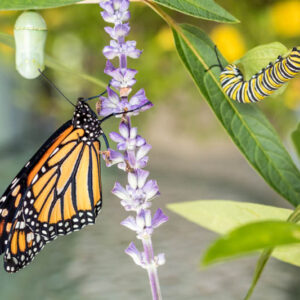
In spring, adults arrive and lay eggs on emerging milkweed. Their caterpillars grow, pupate, and emerge as summer butterflies.
Later generations breed through the warm months, and the final brood becomes the migrating generation, traveling hundreds of miles south.

Why is milkweed so important for monarchs?

Milkweed is the only plant monarch caterpillars can eat. Females lay eggs exclusively on milkweed leaves, which serve as both nursery and food source for their young.
Without milkweed, monarch populations cannot survive. Native species are best adapted to Colorado’s climate and safer for local ecosystems.

What threats do monarch butterflies face in Colorado?

Monarchs face several major challenges:
Habitat loss from development and intensive land use.
Pesticides and herbicides, which kill both butterflies and the plants they depend on.
Climate change and severe weather, disrupting migration and breeding cycles.
Declining overwinter populations, reducing the number of migrants reaching Colorado each year.

Can I help monarchs in my backyard?

Absolutely! You can make a difference by:
Planting native milkweeds and nectar-rich flowers that bloom from spring through fall.
Avoiding pesticides and leaving some wild patches or seed heads over winter.
Providing shallow water dishes with pebbles for safe drinking.
Joining citizen science programs that track monarch sightings, eggs, or caterpillars.
Even a small garden can become a vital rest stop for migrating monarchs.

How do monarchs migrate through Colorado?

Colorado sits at a natural crossroad between the eastern and western monarch populations.
In spring, butterflies head north from their overwintering grounds. In late summer and fall, the final generation migrates south, using Colorado’s open landscapes as a refueling stop.
Migration is multi-generational — no single butterfly completes the full round trip.

Are monarchs native to Colorado or just passing through?

Monarchs are native to North America, and Colorado is part of their breeding and migration range. They’re not here year-round, but they use Colorado as both a breeding ground and a migration corridor.

Do monarchs overwinter in Colorado?

No. Colorado’s winters are too cold for monarchs to survive outdoors.
Instead, they migrate to warmer areas — central Mexico for eastern monarchs, and coastal California for western monarchs.
Colorado’s role is as a summer home and migration pit stop.

What’s the difference between eastern and western monarchs, and how does Colorado fit in?

Eastern monarchs migrate to central Mexico for winter.
Western monarchs migrate to California’s coast.
Colorado sits on the dividing line between the two populations, so both can pass through or breed here depending on conditions.
Your garden can support both migration routes!

How long do monarchs live?

Summer generations live about 2–5 weeks, long enough to breed and lay eggs.
The final, migratory generation can live up to 8–9 months, surviving through winter before reproducing the following spring.

References

  • Xerces Society – Monarch Nectar Plants: Northern Plains.
  • Xerces Society – Monarch Nectar Plants: Rocky Mountains.
  • Xerces Society – Monarch Nectar Plants: Southern Plains.
  • Xerces Society – Monarch Nectar Plants: Southwest.

Updated: November 2025 • Reviewed by Gardenia Editors

Recommended Guides

Monarch Butterfly
Great Pollinator Plants for Colorado
50 Colorado Wildflowers to Know and Love
The Ultimate Guide to Native Plants for a Beautiful Garden
The Ultimate Guide to Wildlife-Friendly Plants for a Beautiful Garden
30 Fascinating Butterfly Facts You Need to Know
Grow Milkweed, Save Monarch Butterflies: A Step-by-Step Guide
Butterflies Unveiled: A Host Plant Love Story in Your Garden
6 Reasons You Should Create a Butterfly Garden
Compare All Asclepias (Milkweed)
Compare Now
Explore Great Plant Combination Ideas
Asclepias (Milkweed)
Explore Great Plant Combination Ideas
Western States
While every effort has been made to describe these plants accurately, please keep in mind that height, bloom time, and color may differ in various climates. The description of these plants has been written based on numerous outside resources.

Guide Information

Genus Asclepias
Native Plants Colorado, Rocky Mountains, United States
Attracts Birds, Butterflies, Hummingbirds
Compare All Asclepias (Milkweed)
Compare Now
Explore Great Plant Combination Ideas
Asclepias (Milkweed)
Explore Great Plant Combination Ideas
Western States

Related Items

Please Login to Proceed

You Have Reached The Free Limit, Please Subscribe to Proceed

Subscribe to Gardenia

To create additional collections, you must be a paid member of Gardenia
  • Add as many plants as you wish
  • Create and save up to 25 garden collections
Become a Member

Plant Added Successfully

Your garden is taking shape. Unlock full planning.

You’ve reached the free limit. Upgrade for $25/year to add as many plants as you wish and save up to 25 garden collections. Unlock Annual Membership

Update Your Credit
Card Information

Cancel

Create a New Collection

Sign Up to Our Newsletter

    You have been subscribed successfully

    Join Gardenia.net

    Create a membership account to save your garden designs and to view them on any device.

    Becoming a contributing member of Gardenia is easy and can be done in just a few minutes. If you provide us with your name, email address and the payment of a modest $25 annual membership fee, you will become a full member, enabling you to design and save up to 25 of your garden design ideas.

    Join now and start creating your dream garden!

    Join Gardenia.net

    Create a membership account to save your garden designs and to view them on any device.

    Becoming a contributing member of Gardenia is easy and can be done in just a few minutes. If you provide us with your name, email address and the payment of a modest $25 annual membership fee, you will become a full member, enabling you to design and save up to 25 of your garden design ideas.

    Join now and start creating your dream garden!
    Find your Hardiness Zone

    Find your Heat Zone

    Find your Climate Zone