Lemon Thyme, Citrus Thyme, Thymus × citriodorus, Thymus fragrantissimus, Thymus serpyllum citratus
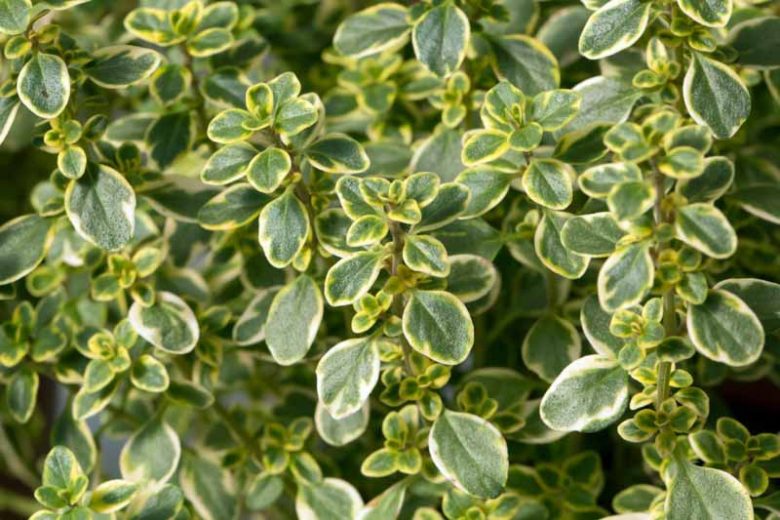
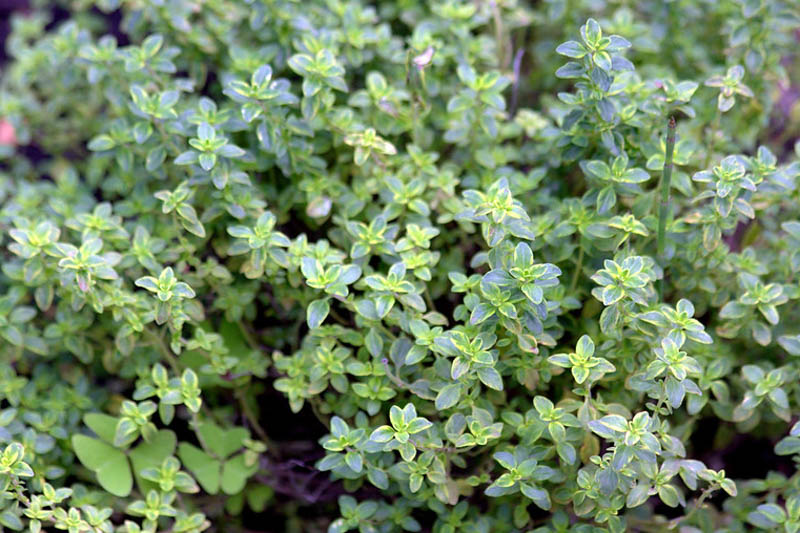
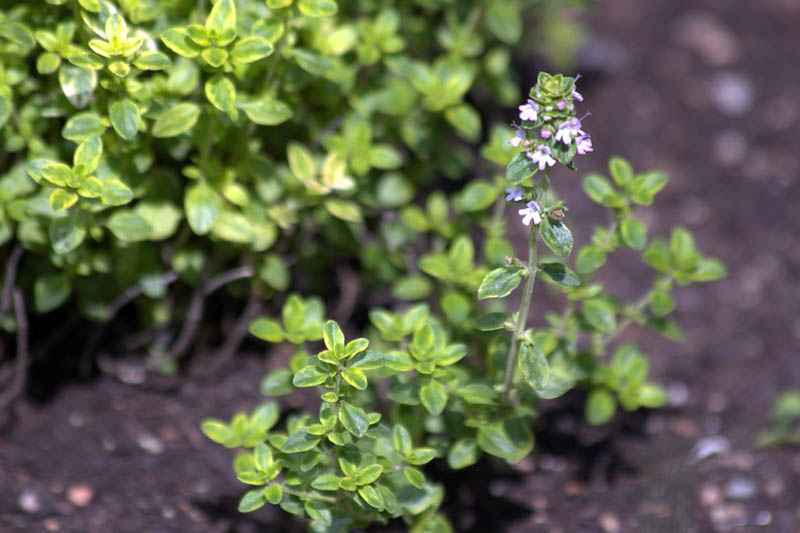
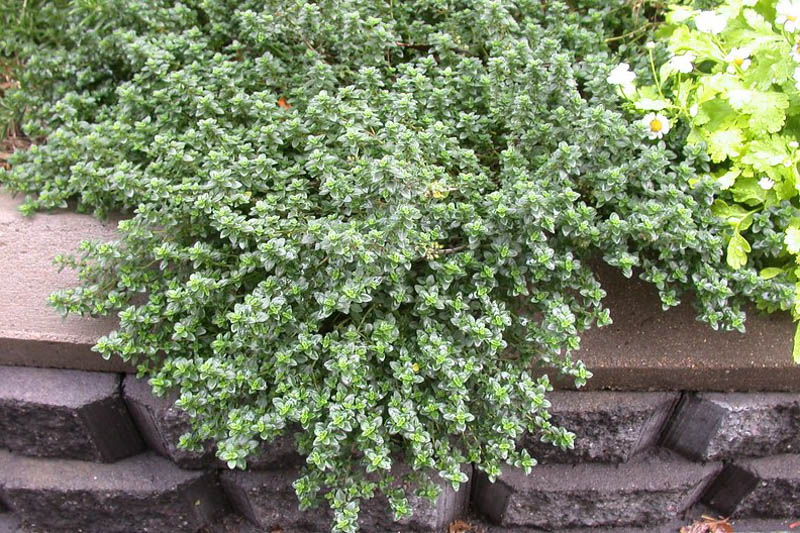


Thymus citriodorus, commonly known as Lemon Thyme, is a compact, evergreen herb in the mint family (Lamiaceae). Once considered a hybrid, DNA analysis now recognizes it as a distinct species. Native to Europe, it is cherished for its citrus-scented foliage, culinary uses, and pollinator-friendly flowers. With a spreading, mounding habit and aromatic leaves, it brings ornamental and functional value to any garden.
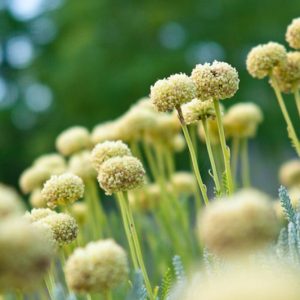
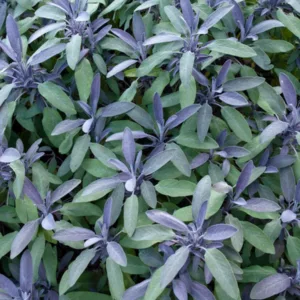
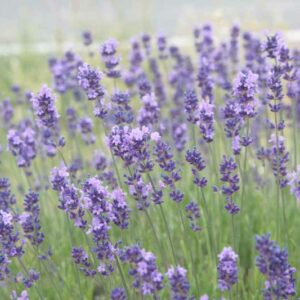
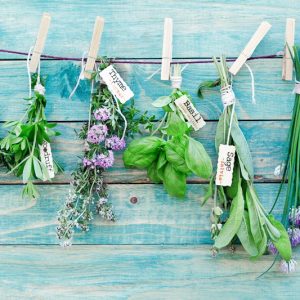
Aside from Lemon Thyme, the Lamiaceae family includes other popular herbs such as rosemary, basil, mint, sage, and oregano.
Lemon Thyme is believed to have originated in Southern Europe, although its exact native range is debated. It is widely cultivated across the Mediterranean and temperate regions for its ornamental beauty and culinary value.
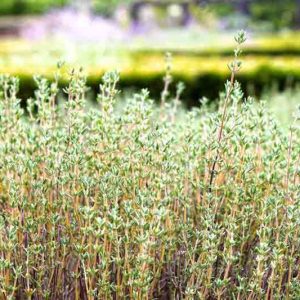
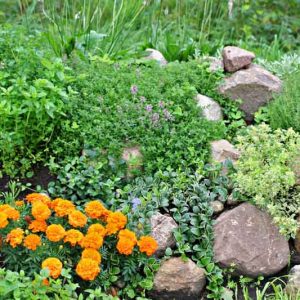
Lemon Thyme is an evergreen sub-shrub with a mounding or spreading habit. It forms low clumps with fine-textured, aromatic foliage that gently spills over garden edges or fills in spaces between pavers.
This herb typically grows 6 to 12 inches (15 to 30 cm) tall and spreads 12 to 18 inches (30 to 45 cm) wide. Certain cultivars may grow more compactly or have trailing habits.
Lemon Thyme is a perennial, providing fragrance and greenery for several years. With proper care, it remains productive and ornamental year-round in mild climates.
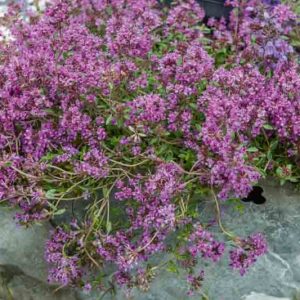
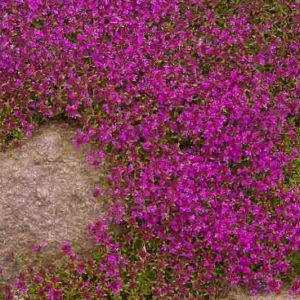
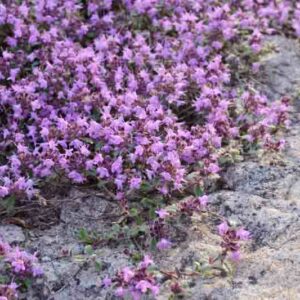
Lemon Thyme produces tiny, tubular flowers in pink or pale lilac hues, appearing in whorls at the stem tips in early to mid summer. While subtle, they are highly attractive to bees and butterflies.
After flowering, small brown schizocarps form, splitting into nutlets. These are rarely harvested, as most Lemon Thyme is propagated vegetatively.
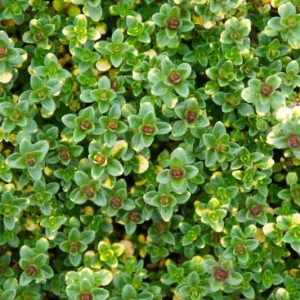
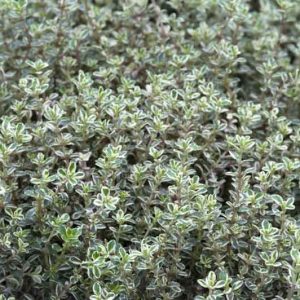
Leaves are tiny, ovate, and evergreen, usually bright green and strongly lemon-scented. Some cultivars feature variegation in silver or gold. The foliage is simple, with entire margins.
Lemon Thyme is hardy in USDA zones 5–9. It tolerates heat, drought, and moderate cold, though winter wetness should be avoided. 66 Drought Tolerant Ground Covers That Save Water & Stop Weeds.
Lemon Thyme attracts pollinators such as bees and butterflies, making it a welcome addition to wildlife and pollinator gardens.
Drought-tolerant once established. It prefers dry, sandy, or rocky soil and thrives with minimal watering.
The intense lemony aroma and essential oils render it unappealing to deer and rabbits.
According to the ASPCA, thyme is non-toxic to pets. However, large quantities of thyme oil may cause irritation.
Lemon Thyme is not invasive, though it can spread moderately in favorable conditions. Prune or divide regularly to manage size.
With careful monitoring and good growing practices, Lemon Thyme can stay vibrant, healthy, and productive in the garden for many seasons.
Thyme is an excellent companion plant that enhances growth, flavor, and pest resistance in many garden plants. Its strong aroma naturally repels common vegetable pests such as cabbage loopers, cabbage maggots, cabbageworms, corn earworms, tomato hornworms, spider mites, and whiteflies. Its small flowers also attract beneficial insects and pollinators, making thyme a valuable addition to any vegetable garden.
Yes, lemon thyme has a spreading, mounding habit. It can gradually extend outward to form a dense mat, especially when grown in ideal conditions. While it won’t take over a garden aggressively, it may spread up to 18 inches or more, making it useful as a ground cover between pavers, along walkways, or over slopes.
Lemon thyme is a perennial herb in USDA zones 5–9. In these regions, it will return each year with proper care. In colder climates, it may need winter protection or be grown in containers and brought indoors to survive frost. With evergreen foliage in mild winters, it provides year-round interest in the garden.
Lemon thyme (Thymus citriodorus) differs from common thyme (Thymus vulgaris) primarily in its aroma and flavor. Lemon thyme has a bright citrusy scent and taste, while regular thyme has a more earthy, pungent, and slightly minty profile. Lemon thyme also tends to have a softer, more ornamental growth habit with greener or variegated foliage, depending on the variety.
Avoid planting lemon thyme next to herbs or vegetables that require consistently moist or rich soil, such as basil, cilantro, chives, and mint. These plants have different water and nutrient needs and may not thrive when grown alongside drought-tolerant lemon thyme. Mint, in particular, is aggressive and can crowd out thyme.
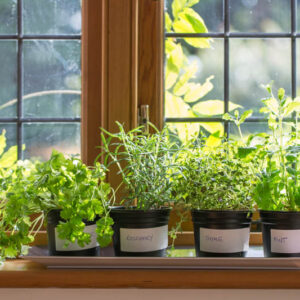
The ideal location for lemon thyme is a sunny, well-drained area with lean, sandy or rocky soil. It performs beautifully in herb gardens, rock gardens, raised beds, containers, along borders, or between stepping stones. Ensure it receives at least 6 hours of sunlight per day and has good air circulation.
Lemon thyme is known to repel several common garden pests due to its strong essential oils. It helps deter mosquitoes, cabbage worms, whiteflies, and aphids. Planting it near vegetable beds, patios, or doorways can provide mild natural pest protection while attracting beneficial pollinators like bees and butterflies.
| Hardiness |
5 - 9 |
|---|---|
| Heat Zones |
6 - 9 |
| Climate Zones | 1A, 1B, 2A, 2B, 3A, 3B, 4, 5, 6, 7, 8, 9, 10, 11, 12, 13, 14, 15, 16, 17, 18, 19, 20, 21, 22, 23, 24 |
| Plant Type | Herbs, Shrubs |
| Plant Family | Lamiaceae |
| Genus | Thymus |
| Common names | Lemon Thyme, Thyme |
| Exposure | Full Sun |
| Season of Interest | Spring (Early, Mid, Late), Summer (Early, Mid, Late), Fall, Winter |
| Height | 6" - 1' (15cm - 30cm) |
| Spread | 1' - 2' (30cm - 60cm) |
| Spacing | 12" - 18" (30cm - 50cm) |
| Maintenance | Low |
| Water Needs | Low |
| Soil Type | Chalk, Loam, Sand |
| Soil pH | Alkaline, Neutral |
| Soil Drainage | Well-Drained |
| Characteristics | Fragrant, Showy, Evergreen |
| Tolerances | Deer, Rabbit, Drought, Dry Soil, Rocky Soil, Heat, Poor Soil |
| Attracts | Bees, Butterflies |
| Garden Uses | Banks And Slopes, Beds And Borders, Edging, Ground Covers, Patio And Containers |
| Garden Styles | Gravel and Rock Garden, Informal and Cottage, Mediterranean Garden |
| Toxic to Humans | No known toxicity |
| Toxic to Cats | No known toxicity |
| Toxic to Dogs | No known toxicity |
| Toxic to Horses | No known toxicity |


| Hardiness |
5 - 9 |
|---|---|
| Heat Zones |
6 - 9 |
| Climate Zones | 1A, 1B, 2A, 2B, 3A, 3B, 4, 5, 6, 7, 8, 9, 10, 11, 12, 13, 14, 15, 16, 17, 18, 19, 20, 21, 22, 23, 24 |
| Plant Type | Herbs, Shrubs |
| Plant Family | Lamiaceae |
| Genus | Thymus |
| Common names | Lemon Thyme, Thyme |
| Exposure | Full Sun |
| Season of Interest | Spring (Early, Mid, Late), Summer (Early, Mid, Late), Fall, Winter |
| Height | 6" - 1' (15cm - 30cm) |
| Spread | 1' - 2' (30cm - 60cm) |
| Spacing | 12" - 18" (30cm - 50cm) |
| Maintenance | Low |
| Water Needs | Low |
| Soil Type | Chalk, Loam, Sand |
| Soil pH | Alkaline, Neutral |
| Soil Drainage | Well-Drained |
| Characteristics | Fragrant, Showy, Evergreen |
| Tolerances | Deer, Rabbit, Drought, Dry Soil, Rocky Soil, Heat, Poor Soil |
| Attracts | Bees, Butterflies |
| Garden Uses | Banks And Slopes, Beds And Borders, Edging, Ground Covers, Patio And Containers |
| Garden Styles | Gravel and Rock Garden, Informal and Cottage, Mediterranean Garden |
| Toxic to Humans | No known toxicity |
| Toxic to Cats | No known toxicity |
| Toxic to Dogs | No known toxicity |
| Toxic to Horses | No known toxicity |
How many Thymus citriodorus (Lemon Thyme) do I need for my garden?
| Plant | Quantity | |
|---|---|---|
| Thymus citriodorus (Lemon Thyme) | N/A | Buy Plants |
Create a membership account to save your garden designs and to view them on any device.
Becoming a contributing member of Gardenia is easy and can be done in just a few minutes. If you provide us with your name, email address and the payment of a modest $25 annual membership fee, you will become a full member, enabling you to design and save up to 25 of your garden design ideas.
Join now and start creating your dream garden!
Create a membership account to save your garden designs and to view them on any device.
Becoming a contributing member of Gardenia is easy and can be done in just a few minutes. If you provide us with your name, email address and the payment of a modest $25 annual membership fee, you will become a full member, enabling you to design and save up to 25 of your garden design ideas.
Join now and start creating your dream garden!