Create Your Garden

Salvia rosmarinus Prostratus Group (Creeping Rosemary)

Creeping Rosemary, Prostrate Rosemary, Rosemary Prostratus Group, Rosmarinus corsicus 'Prostratus', Rosmarinus officinalis lavandulaceus, Rosmarinus officinalis repens, Rosmarinus officinalis 'Corsica Prostratus', Rosmarinus officinalis creeping, Rosmarinus officinalis 'Venzano Prostrate', Rosmarinus repens
Rosmarinus Officinalis Prostratus, Creeping Rosemary, Prostrate Rosemary, Rosemary Prostratus Group, Rosmarinus corsicus 'Prostratus', Rosmarinus officinalis lavandulaceus, Rosmarinus officinalis repens, Rosmarinus officinalis 'Corsica Prostratus', Rosmarinus officinalis creeping, Rosmarinus officinalis 'Venzano Prostrate', Rosmarinus repens , fragrant shrub, fragrant herb, Mediterranean Plant, Perennial Shrub
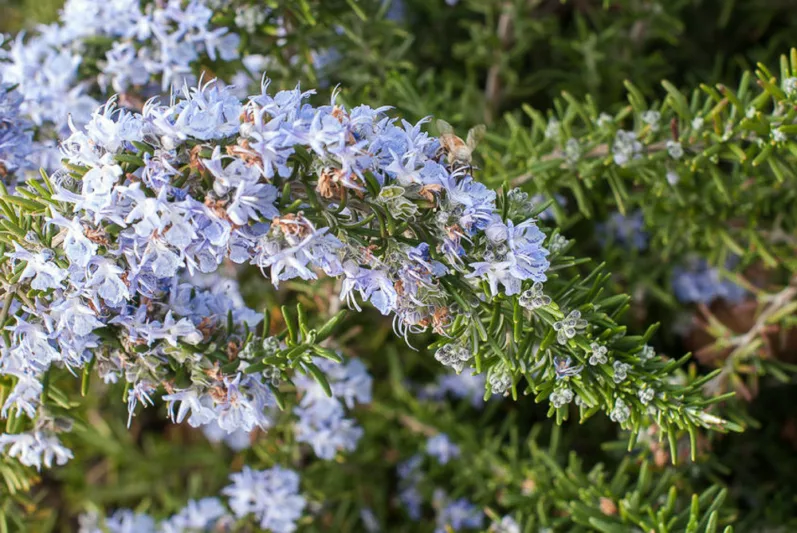

Salvia rosmarinus Prostratus Group (Creeping Rosemary) – Cascading Fragrance, Blue Blooms, And A Water-Wise Ground Cover For Full Sun

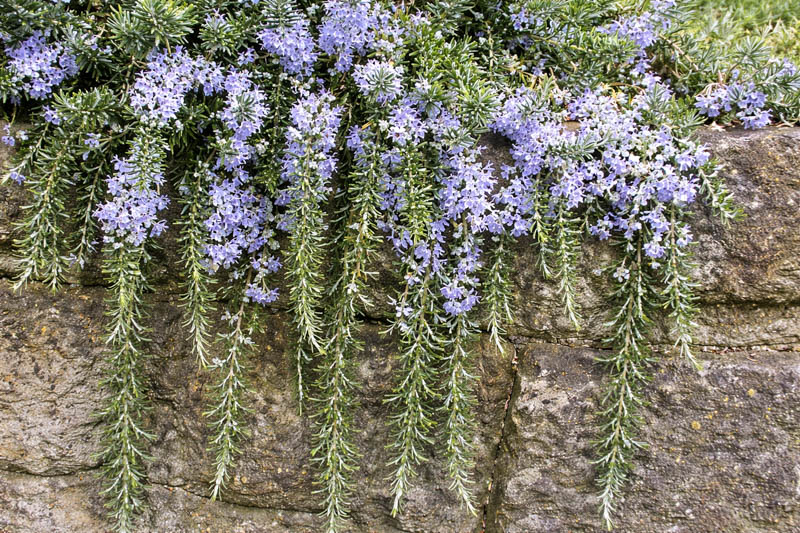
Salvia rosmarinus Prostratus Group (often sold as Creeping Rosemary and formerly listed under Rosmarinus officinalis) is the plant you reach for when you want a garden to look sun-baked, effortless, and beautifully finished. This is rosemary with a twist – instead of growing upright like a little shrub, it spreads low and wide, draping over edges, tumbling down walls, and stitching together gravel, stone, and dry soil with evergreen texture.

If you love Mediterranean-style gardens, rock gardens, coastal plantings, or low-water landscapes, Creeping Rosemary is one of those “why didn’t I plant this sooner?” ground covers. It thrives in full sun, demands excellent drainage, and once established, it is reliably drought-tolerant. Bonus – it smells amazing, it blooms with pale blue flowers in spring and summer (sometimes again in fall), and it brings in pollinators while most browsing animals take one whiff and move on.

Quick vibe check: Creeping Rosemary is a low, trailing evergreen with aromatic needle-like leaves and soft blue blooms – ideal for dry slopes, rock gardens, walls, raised beds, and containers.

Quick Facts – Salvia rosmarinus Prostratus Group (Creeping Rosemary)

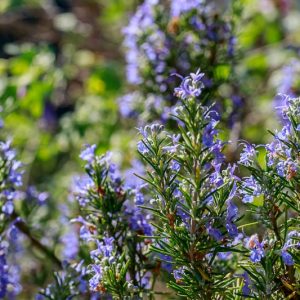
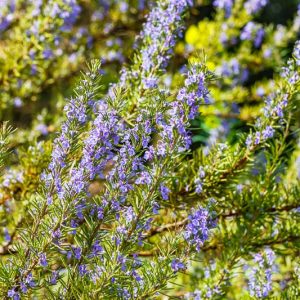
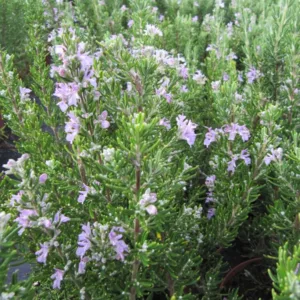
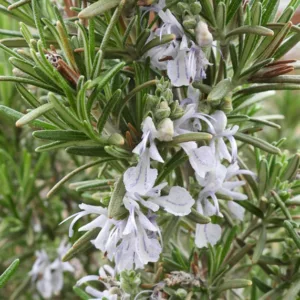
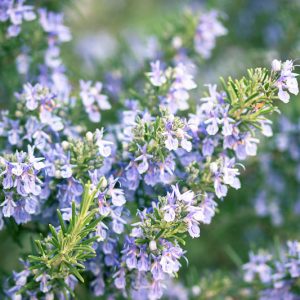
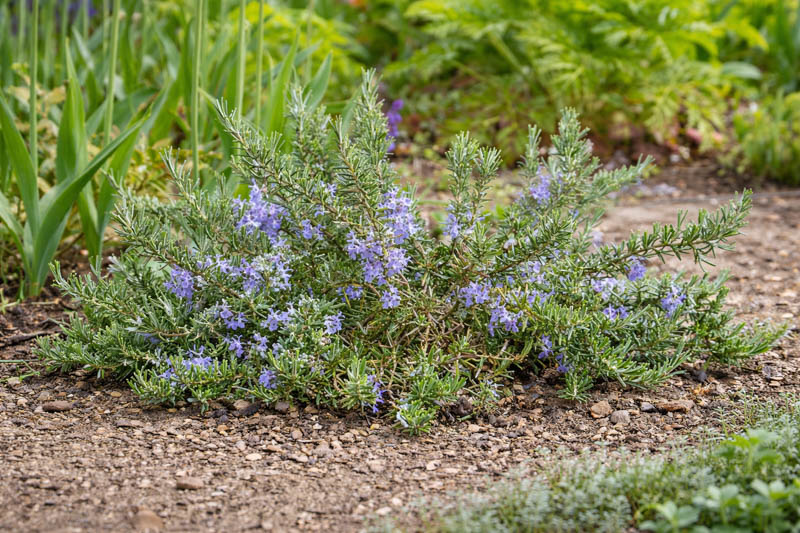
Creeping Rosemary (Salvia rosmarinus Prostratus Group) trailing evergreen with needle-like leaves and pale blue flowers

Summary: Low-growing, spreading evergreen shrub with strongly aromatic, needle-like leaves and clusters of pale blue flowers in spring and summer (sometimes again in fall).
Use: Perfect for ground cover, rock gardens, cascading walls, raised beds, and containers.
Highlight: A classic Mediterranean, coastal, and xeriscape plant that loves sun and dry conditions.
Note: Best in full sun and well-drained soil; performs poorly in heavy clay or soggy sites. Tolerates heat, humidity, and poor soil once established.

Botanical Name Salvia rosmarinus Prostratus Group
Family Mint family (Lamiaceae)
Common Names Creeping Rosemary, Prostrate Rosemary
Native Range Mediterranean region; widely introduced and grown worldwide
Plant Type and Habit Trailing, spreading evergreen shrub used as a ground cover
Hardiness (approx. USDA) Typically best in USDA Zones 8-11 (varies by cultivar and site)
Height 1-2 ft. (30-60 cm)
Spread 2-3 ft. (60-90 cm)
Sun and Exposure Best in full sun; tolerates light shade but flowers and density improve with sun
Soil Lean to average, well-drained soil; dislikes heavy clay and waterlogged sites
Seasonal Interest Spring and summer bloom; occasional fall flowers
Flower Color Pale blue to soft blue
Foliage Color Dark green with a paler, silvery underside
Fragrance Strongly aromatic foliage (classic rosemary scent)
Drought Tolerant Yes (once established)
Heat Tolerant Yes
Humidity Tolerant Moderate (needs sun, airflow, and fast drainage
Poor Soil Tolerant Yes
Salt Tolerant Often performs well in coastal conditions with good drainage
Nectar / Pollen Yes – flowers are pollinator friendly
Attracts Bees, butterflies, hummingbirds
Deer / Rabbit Often avoided by deer due to strong scent; commonly considered browse resistant
Toxicity According to the ASPCA, rosemary is non-toxic to cats, dogs, and horses
Invasive Status Usually well-behaved in gardens; may naturalize in some warm, dry regions if unmanaged
Care – Quick
  • Planting: Full sun in fast-draining soil – skip the soggy spots.
  • Water: Water to establish; afterward, water sparingly and deeply when needed.
  • Feeding: Minimal feeding; rich soil can reduce fragrance and density.
  • Pruning: Little pruning required; light shaping after bloom is optional.
  • Mulching: Keep mulch thin and away from stems to prevent rot.
  • Propagation: Semi-hardwood cuttings in summer.
  • Winter care: Protect from prolonged hard freezes; containers may need shelter in cold snaps.
Quick promise
Salvia rosmarinus Prostratus Group is a trailing, aromatic evergreen ground cover with pale blue flowers in spring and summer, built for full sun, well-drained soil, and drought-tolerant Mediterranean-style landscapes.

What Is Salvia rosmarinus Prostratus Group (Creeping Rosemary)?

Description

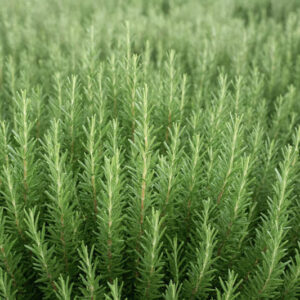
Think of this plant as rosemary in its most landscape-friendly form. Instead of forming a tall shrub, Prostratus Group types stay low and spread outward, creating a dense mat of evergreen stems lined with needle-like leaves (about 2 in – 5 cm long). Brush past it and the scent is immediate – clean, resinous, and unmistakably Mediterranean.

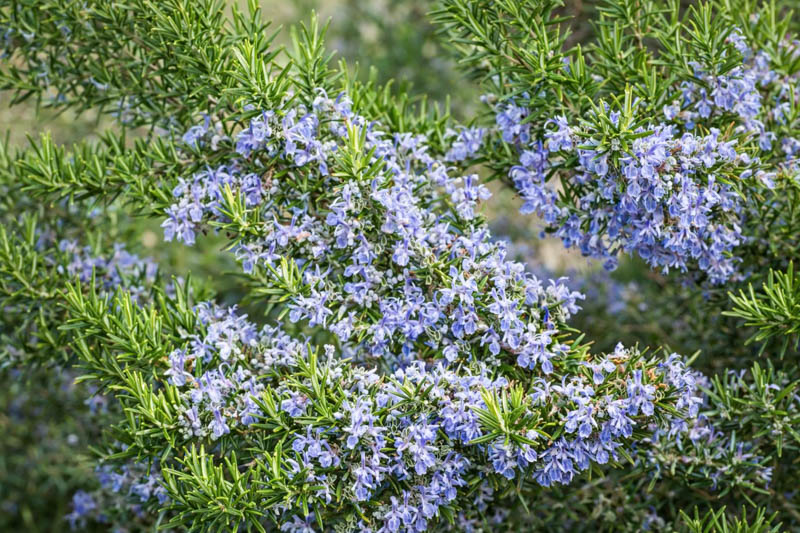
Flowering usually happens in spring and summer, with clusters of pale blue blooms that read as soft color from a distance and pollinator magnets up close. In mild climates, you may even see an encore bloom in fall.

Garden truth: Creeping Rosemary looks delicate as it spills over a wall, but it is surprisingly tough – sun, wind, salt air, and dry soil are all in its comfort zone when drainage is good.

Native Information

Salvia rosmarinus is native to the Mediterranean region and has been introduced to gardens across the globe. 

Growth Habit and Vigor

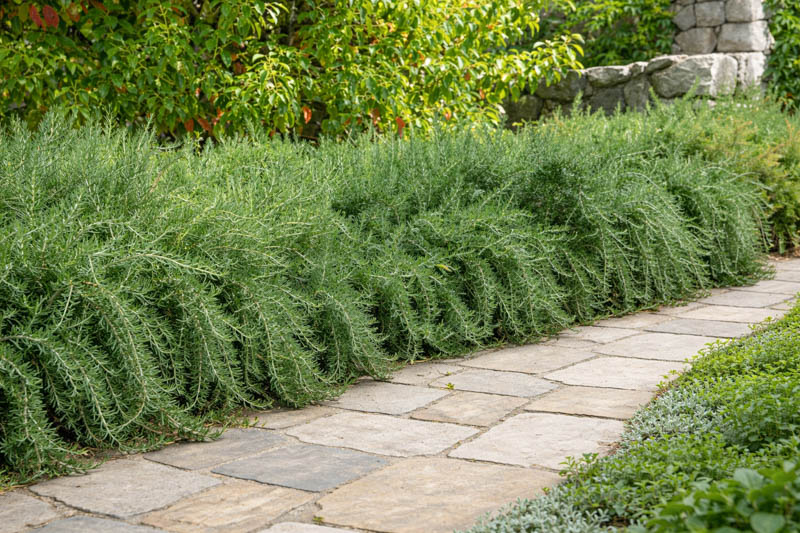
Most plants reach about 1-2 ft. tall (30-60 cm) with a spread of 2-3 ft. wide (60-90 cm). In the ground, it forms a living carpet. On a slope, it helps knit soil together. In a container or raised bed, it becomes a trailing feature that softens hard edges.

Garden shorthand: More sun + better drainage = denser growth and better bloom. Less sun + wet soil = sparse growth and disappointment.

Flowers and Bloom Time

Creeping Rosemary typically flowers in spring and summer, and in favorable conditions it may bloom again in fall. The flowers are small and tubular, but they appear in clusters, giving a gentle haze of blue that pairs beautifully with lavender, thyme, santolina, and ornamental grasses.

Foliage and Seasonal Interest

The evergreen foliage is a year-round asset – dark green, needle-like, and aromatic. Even when not flowering, it provides structure and texture, especially in gravel gardens and minimalist designs where foliage does the heavy lifting.

Hardiness

Hardiness varies by cultivar and site, but Creeping Rosemary is generally happiest in milder climates (often USDA Zones 8-11). In colder regions, it can be grown in containers and overwintered in a protected, bright location. If winter cold is a factor in your garden, microclimates matter – a sunny wall, sharp drainage, and shelter from wind can significantly improve survival.

Landscape Uses

  • Ground cover: Especially useful where soil is too dry, sandy, or rocky for many other ground covers.
  • Rock gardens and gravel gardens: A natural fit with stones, boulders, and lean soil.
  • Cascading walls: One of the best plants for spilling over retaining walls and raised beds.
  • Coastal gardens: A strong candidate for sunny, salty, fast-draining sites.
  • Beds and borders: Great for wall-side borders and sunny edges.
  • Containers: Ideal in pots where the fragrance is close at hand.
Creeping Rosemary has the same edible, aromatic leaves as upright rosemary and can be harvested year-round to flavor roasted meats, vegetables, breads, soups, and infused oils.

Wildlife and Ecological Value

Creeping Rosemary attracts bees, butterflies, and hummingbirds thanks to its nectar-rich flowers. It supports pollinators during the active growing season and adds habitat value as a dense, evergreen mat. If you are building a pollinator-friendly Mediterranean border, rosemary is a practical backbone plant that feeds the visitors while staying low-maintenance.

Deer and Rabbits

Rosemary’s strong scent is a built-in defense. Many gardeners find that deer dislike rosemary and tend to browse it less than softer, sweeter-smelling plants. As always, hungry wildlife can be unpredictable, but rosemary is rarely the first choice.

Drought Tolerance

Once established, Creeping Rosemary is a classic drought-tolerant landscape plant. The key phrase is “once established” – young plants need consistent moisture while roots expand. After that, the plant prefers deep, occasional watering over frequent shallow sprinkling.

Toxicity

For pet households, it is reassuring to know that the ASPCA lists rosemary as non-toxic to cats, dogs, and horses. Still, discourage chewing – any plant material can cause stomach upset in sensitive pets.

Invasiveness

Rosemary is widely cultivated and can naturalize in some warm, dry regions. In typical garden use, Prostratus Group plants are manageable. If you garden near wild lands in a favorable climate, be mindful about disposing of prunings and avoid letting plants spread unchecked.

Rosmarinus Officinalis Prostratus, Creeping Rosemary, Prostrate Rosemary, Rosemary Prostratus Group, Rosmarinus corsicus 'Prostratus', Rosmarinus officinalis lavandulaceus, Rosmarinus officinalis repens, Rosmarinus officinalis 'Corsica Prostratus', Rosmarinus officinalis creeping, Rosmarinus officinalis 'Venzano Prostrate', Rosmarinus repens , fragrant shrub, fragrant herb, Mediterranean Plant, Perennial Shrub

Growing Conditions for Salvia rosmarinus Prostratus Group (Creeping Rosemary)

Light

  • Full sun: Best growth, best fragrance, best flowering. Aim for at least 6 hours of direct sun.
  • Light shade: Tolerated, but expect looser growth and fewer flowers compared to full sun.

Soil

  • Well-drained is non-negotiable: Heavy clay and waterlogged sites are where rosemary struggles.
  • Poor to moderately fertile: Rosemary does not need rich soil. Lean soil often produces tighter growth and stronger aroma.
  • Sandy or rocky is fine: In fact, Creeping Rosemary often shines where other plants refuse to cooperate.
Drainage test: If your planting hole fills with water and stays wet for hours, improve drainage or grow Creeping Rosemary in a raised bed or container instead.

Water

  • Year 1 (establishment): Water regularly while roots spread, especially in heat and wind.
  • Mature plants: Water deeply but infrequently. Let the soil dry slightly between waterings.

Feeding

Easy does it. Too much fertilizer encourages soft growth that can be less aromatic and more prone to flopping. A light spring compost top-dressing is usually enough, and in many gravel or rock gardens, feeding is unnecessary.

Mulch

  • Use a thin layer of gravel mulch or a light organic mulch to reduce weeds and conserve moisture.
  • Keep mulch away from stems and the crown to reduce rot risk and improve airflow.

Planting Tips

  • Choose a sunny site with excellent drainage – walls, slopes, and raised beds are often ideal.
  • Space plants for mature spread so airflow stays good and foliage dries quickly after rain.
  • In containers, use a fast-draining mix and a pot with drainage holes (terracotta is a great match).

Maintenance – Pruning – Deadheading

  • No regular pruning is required: This plant can be very low maintenance.
  • Light shaping: If you want a tidier edge or more density, lightly trim after flowering.
  • Avoid hard cuts into old wood: Like many woody herbs, rosemary may not regrow well from leafless stems.

Propagation

  • Semi-hardwood cuttings in summer: The most reliable way to keep plants true to type.
  • Tip layering: Trailing stems can sometimes root where they touch soil, especially in warm weather.
Care tip: The best Creeping Rosemary comes from “Mediterranean rules” – full sun, sharp drainage, modest water, and minimal fertilizer.

Rosmarinus Officinalis Prostratus, Creeping Rosemary, Prostrate Rosemary, Rosemary Prostratus Group, Rosmarinus corsicus 'Prostratus', Rosmarinus officinalis lavandulaceus, Rosmarinus officinalis repens, Rosmarinus officinalis 'Corsica Prostratus', Rosmarinus officinalis creeping, Rosmarinus officinalis 'Venzano Prostrate', Rosmarinus repens , fragrant shrub, fragrant herb, Mediterranean Plant, Perennial Shrub

Salvia rosmarinus Prostratus Group: Pests, Diseases, and Common Problems

Pests

  • Aphids: These small sap-sucking insects can cluster on new growth, causing leaves to curl and weaken.
  • Spider Mites: Tiny pests that cause stippled, yellowing leaves and fine webbing, especially during hot, dry weather.
  • Whiteflies: Small flying insects that feed on plant sap, leading to yellowing and wilting of leaves.
  • Mealybugs: Soft-bodied insects that appear as white cottony masses on stems and leaves, weakening the plant over time.

Diseases

  • Root Rot: Caused by overwatering or poor drainage, leading to yellowing leaves, wilting, and eventual plant death.
  • Powdery Mildew: A fungal disease that appears as a white, powdery coating on the leaves, often during humid conditions with poor air circulation.
  • Gray Mold (Botrytis): Causes fuzzy gray growth on stems and leaves, especially in damp, overcrowded plantings.
  • Downy Mildew: Results in yellow to brown patches on leaves, with a downy white growth on the undersides.
  • Leaf Spot: Fungal or bacterial spots appear on the leaves, causing premature leaf drop if left untreated.

Common Problems

  • Thin, leggy growth: Usually not enough sun. Move to a brighter spot or reduce competition.
  • Yellowing or dieback: Often a watering and drainage issue. Let soil dry and improve drainage.
  • Poor flowering: Typically linked to shade, overfeeding, or pruning at the wrong time.

Rosmarinus Officinalis Prostratus, Creeping Rosemary, Prostrate Rosemary, Rosemary Prostratus Group, Rosmarinus corsicus 'Prostratus', Rosmarinus officinalis lavandulaceus, Rosmarinus officinalis repens, Rosmarinus officinalis 'Corsica Prostratus', Rosmarinus officinalis creeping, Rosmarinus officinalis 'Venzano Prostrate', Rosmarinus repens , fragrant shrub, fragrant herb, Mediterranean Plant, Perennial Shrub

Design Ideas With Salvia rosmarinus Prostratus Group

  • Wall cascade: Plant at the top of a retaining wall and let it spill down for instant Mediterranean character. Pair with upright rosemary, lavender, or compact cypress for a layered look that mixes structure above with soft, aromatic flow below.
  • Dry-slope stabilizer: Use on sunny banks where irrigation is limited and erosion is a concern. Combine with yarrow, creeping thyme, santolina, or ornamental alliums to knit soil together while keeping the planting light, drought-tolerant, and pollinator-friendly.
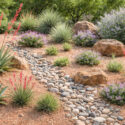
  • Rock garden stitch: Tuck it between boulders and gravel to connect hardscape elements with evergreen softness. It pairs beautifully with low-growing thyme, dwarf euphorbia, ice plant, or silver-leaved perennials that echo its Mediterranean origins.
  • Container thriller-spiller: Use Creeping Rosemary as the spiller in large pots and raised planters. Pair it with upright rosemary, lavender, compact ornamental grasses, or salvias for contrast in height, texture, and bloom timing. Terracotta containers enhance drainage and suit its dry-soil preference.
  • Coastal simplicity: Combine with other sun-loving, salt-tolerant plants in sandy soil for a low-maintenance palette. Good partners include lavender, gaura, coreopsis, ornamental grasses, and drought-tough succulents that thrive in bright light and airflow.
  • Edible landscape edging: Plant along the edge of sunny vegetable beds or herb gardens where its fragrance helps deter pests. It works especially well near peppers, cabbage, carrots, and beans, as long as drainage stays sharp and watering is controlled.
  • Gravel and xeriscape gardens: Use Creeping Rosemary as a grounding element among gravel paths and dry borders. Pair with sage, oregano, nepeta, and drought-tolerant grasses for a relaxed, water-wise design that looks good year-round.
Design tip: Creeping Rosemary looks best when it has space to flow. Give it an edge – a wall, a bed lip, a boulder – and let gravity do the styling.
 

Popular Rosemary Plants

Frequently Asked Questions

What is Creeping Rosemary?

Creeping Rosemary (Salvia rosmarinus Prostratus Group) is a low-growing, spreading evergreen shrub with aromatic needle-like leaves and pale blue flowers. It is commonly used as a ground cover, wall-cascading plant, or trailing container plant in sunny, well-drained landscapes.

Is Creeping Rosemary drought tolerant?

Yes. Once established, Creeping Rosemary is highly drought tolerant and thrives in dry to average moisture conditions. It prefers deep, infrequent watering and well-drained soil.

Does Creeping Rosemary need full sun?

Full sun is ideal. At least 6–8 hours of direct sunlight promotes dense growth, stronger fragrance, and better flowering. Light shade is tolerated, but too much shade causes leggy growth.

How big does Creeping Rosemary get?

Creeping Rosemary typically grows 1–2 feet tall and spreads 2–3 feet wide. Its trailing habit makes it well suited for ground cover, slopes, and cascading over walls.

When does Creeping Rosemary bloom?

It blooms mainly in spring and summer with clusters of pale blue flowers. In mild climates, it may bloom again sporadically in fall.

Is Creeping Rosemary evergreen?

Yes. Creeping Rosemary is evergreen, providing year-round foliage, fragrance, and structure in warm climates.

Is Creeping Rosemary good for coastal gardens?

Yes. Creeping Rosemary is salt tolerant and performs well in coastal gardens when planted in sunny, fast-draining soil.

Quick takeaway:

Salvia rosmarinus Prostratus Group is a sun-loving, evergreen, drought-tolerant ground cover with aromatic foliage and pale blue flowers – perfect for rock gardens, dry slopes, wall cascades, and Mediterranean-style landscapes.

References

Royal Horticultural Society (RHS) – cultivation notes for rosemary and prostrate forms

Missouri Botanical Garden Plant Finder – cultural guidance, drainage needs, and landscape use

Gardenia.net – rosemary care, drought tolerance, and pollinator value

Updated: January 2026 – Reviewed by Gardenia Editors

Rosemary: Learn How To Plant, Grow and Harvest


Native to the dry, rocky areas of the Mediterranean region, Rosemary (Rosmarinus officinalis or Salvia rosmarinus) is a popular aromatic herb commonly grown for its decorative, medicinal, culinary uses, and ornamental garden appeal.

Requirements

Hardiness 8 - 11
Heat Zones 8 - 12
Climate Zones 4, 5, 6, 7, 8, 9, 10, 11, 12, 13, 14, 15, 16, 17, 18, 19, 20, 21, 22, 23, 24, H1, H2
Plant Type Herbs, Shrubs
Plant Family Lamiaceae
Genus Rosmarinus, Salvia
Common names Rosemary
Exposure Full Sun
Season of Interest Spring (Early, Mid, Late), Summer (Early, Mid, Late), Fall, Winter
Height 1' - 2' (30cm - 60cm)
Spread 2' - 3' (60cm - 90cm)
Spacing 36" (90cm)
Maintenance Low
Water Needs Low
Soil Type Chalk, Loam, Sand
Soil pH Acid, Alkaline, Neutral
Soil Drainage Well-Drained
Characteristics Fragrant, Evergreen
Tolerance Drought, Deer, Salt, Dry Soil
Attracts Bees, Butterflies, Hummingbirds
Garden Uses Beds And Borders, Ground Covers, Hanging Baskets, Patio And Containers, Wall-Side Borders
Garden Styles Coastal Garden, Informal and Cottage, Mediterranean Garden
How Many Plants
Do I Need?
Explore Great Plant Combination Ideas
Rosmarinus (Rosemary) Salvia (Sage)
Not sure which Rosmarinus (Rosemary) to pick?
Compare Now

Alternative Plants to Consider

Salvia rosmarinus ‘Albus’ (Rosemary)
Salvia rosmarinus ‘Severn Sea’ (Rosemary)
Salvia rosmarinus ‘Benenden Blue’ (Rosemary)
Salvia rosmarinus ‘Roseus’ (Rosemary)
Salvia rosmarinus ‘Arp’ (Rosemary)
Salvia rosmarinus ‘Madeline Hill’ (Rosemary)
View All Our Rosmarinus

Recommended Companion Plants

Cistus purpureus (Purple-Flowered Rock Rose)
Euphorbia characias subsp. wulfenii (Mediterranean Spurge)
Phlomis fruticosa (Jerusalem Sage)
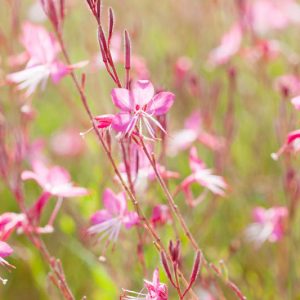
Gaura (Bee Blossom)
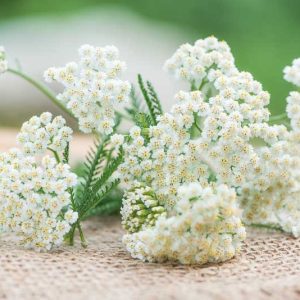
Achillea (Yarrow)
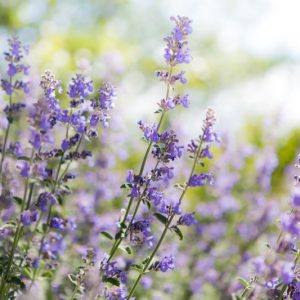
Nepeta (Catmint)

Find In One of Our Guides or Gardens

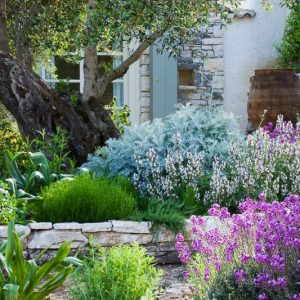
A Lovely Mediterranean Border with Erysimum, Artemisia and Calamintha
Annual Salvias: Heat-Loving Color That Blooms All Season
Best Full Sun Perennials for Zone 8: Top Heat-Tolerant Garden Winners
Best Full Sun Shrubs for Zone 8: Heat-Loving Shrubs That Thrive in Sunshine
Top Zone 6 Full Sun Perennials – Color That Thrives in Heat & Cold
Top Zone 7 Full Sun Perennials for Long Bloom, Color & Pollinators
Native Garden Ideas – Best Native Plants for a Beautiful Yard
Mediterranean Gardens: Low-Water Design, Plants & Ideas
Drought Tolerant Gardens – The Ultimate Water-Wise Guide
Pollinator Gardens: Plants, Designs & Care Guide
Why Rosemary is Perfect for Gardens and Pots
Grow These 20 Herbs Indoors for Freshness All Year
Salvia: Discover the Top Benefits of Growing Sage in Your Garden
Salvia Varieties for a Stunning, Water-Wise Garden
Salvia nemorosa (Woodland Sage)
What is Salvia? Understanding Its Role in Gardening and Beyond
Top 70 Summer Flowers to Brighten Your Garden and Home
50 Best Fall Flowers to Color Your Autumn Garden
Desert Shrubs: Essential Plants for Dry Gardens
Desert Flowers: Bringing Color to Dry Gardens
50 Fall Wildflowers: Top Picks for a Vibrant Autumn Garden
50 Summer Wildflowers: Bright Blooms for Your Garden
50 Wildflowers that Thrive in Sun
50 Blue Wildflowers for Every Garden
50 Pink Wildflowers for Every Garden
50 Purple Wildflower to Brighten Your Garden
50 California Wildflowers: From Desert Blooms to Coastal Gems
50 Texas Wildflowers to Brighten Your Garden
Top 50 Most Beautiful Flowers Worldwide
Stunning Blue Flowers to Enhance Your Garden’s Beauty
Add a Splash of Color: Perfect Flowering Shrubs for Small Gardens
42 Best Perennial Flowers and Plants to Brighten Your Garden Every Season
30 Best Spring Flowers Every Gardener Should Grow
How to Create an Enchanting Butterfly Garden
For the Love of Butterflies: Best Flowers to Attract them to Your Garden
6 Reasons You Should Create a Butterfly Garden
Salvia (Sage)
Best Annual Flowers and Plants to Spruce up Your Garden
Hummingbird
18 Best Plants That Repel Mosquitoes
Rosemary: Learn How To Plant, Grow and Harvest
Salvia yangii (Russian Sage)
Best Annual Flowers and Plants for Full Sun
Wonderful Plants That Repel Insects
Companion Planting With Herbs
Great Rose Companion Plants: Nepeta, Salvia and Lavandula
Best and Worst Companion Plants for Rosemary
Hardy Perennial Salvias (Sage)
Salvia guaranitica (Blue Anise Sage)
Plants with Purple Flowers to Add Charm to Your Garden
Salvia: Plant Care and Growing Guide
Best Flowers to Attract Hummingbirds
While every effort has been made to describe these plants accurately, please keep in mind that height, bloom time, and color may differ in various climates. The description of these plants has been written based on numerous outside resources.
Buy Plants

Requirements

Hardiness 8 - 11
Heat Zones 8 - 12
Climate Zones 4, 5, 6, 7, 8, 9, 10, 11, 12, 13, 14, 15, 16, 17, 18, 19, 20, 21, 22, 23, 24, H1, H2
Plant Type Herbs, Shrubs
Plant Family Lamiaceae
Genus Rosmarinus, Salvia
Common names Rosemary
Exposure Full Sun
Season of Interest Spring (Early, Mid, Late), Summer (Early, Mid, Late), Fall, Winter
Height 1' - 2' (30cm - 60cm)
Spread 2' - 3' (60cm - 90cm)
Spacing 36" (90cm)
Maintenance Low
Water Needs Low
Soil Type Chalk, Loam, Sand
Soil pH Acid, Alkaline, Neutral
Soil Drainage Well-Drained
Characteristics Fragrant, Evergreen
Tolerance Drought, Deer, Salt, Dry Soil
Attracts Bees, Butterflies, Hummingbirds
Garden Uses Beds And Borders, Ground Covers, Hanging Baskets, Patio And Containers, Wall-Side Borders
Garden Styles Coastal Garden, Informal and Cottage, Mediterranean Garden
How Many Plants
Do I Need?
Explore Great Plant Combination Ideas
Rosmarinus (Rosemary) Salvia (Sage)
Not sure which Rosmarinus (Rosemary) to pick?
Compare Now

Gardening Ideas

Plant Calculator

How many Salvia rosmarinus Prostratus Group (Creeping Rosemary) do I need for my garden?

Input your garden space dimensions

Your Shopping List

Plant Quantity
Salvia rosmarinus Prostratus Group (Creeping Rosemary) N/A Buy Plants

Please Login to Proceed

You Have Reached The Free Limit, Please Subscribe to Proceed

Subscribe to Gardenia

To create additional collections, you must be a paid member of Gardenia
  • Add as many plants as you wish
  • Create and save up to 25 garden collections
Become a Member

Plant Added Successfully

Your garden is taking shape. Unlock full planning.

You’ve reached the free limit. Upgrade for $25/year to add as many plants as you wish and save up to 25 garden collections. Unlock Annual Membership

Update Your Credit
Card Information

Cancel

Create a New Collection

Sign Up to Our Newsletter

    You have been subscribed successfully

    Join Gardenia.net

    Create a membership account to save your garden designs and to view them on any device.

    Becoming a contributing member of Gardenia is easy and can be done in just a few minutes. If you provide us with your name, email address and the payment of a modest $25 annual membership fee, you will become a full member, enabling you to design and save up to 25 of your garden design ideas.

    Join now and start creating your dream garden!

    Join Gardenia.net

    Create a membership account to save your garden designs and to view them on any device.

    Becoming a contributing member of Gardenia is easy and can be done in just a few minutes. If you provide us with your name, email address and the payment of a modest $25 annual membership fee, you will become a full member, enabling you to design and save up to 25 of your garden design ideas.

    Join now and start creating your dream garden!
    Find your Hardiness Zone

    Find your Heat Zone

    Find your Climate Zone