Sage ‘New Dimension Rose’, Meadow Sage ‘New Dimension Rose’, Perennial Salvia ‘New Dimension Rose’, Garden Sage ‘New Dimension Rose’, Woodland Sage ‘New Dimension Rose’, Violet Sage ‘New Dimension Rose’, Salvia ‘New Dimension Rose’
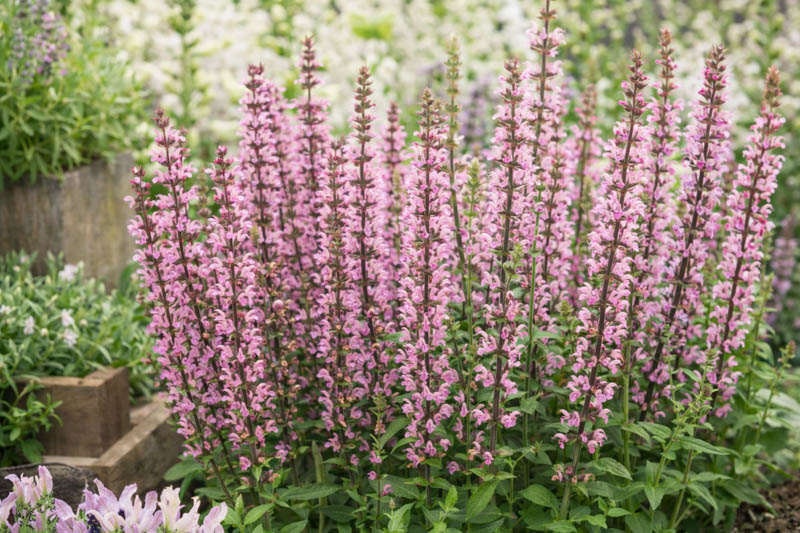


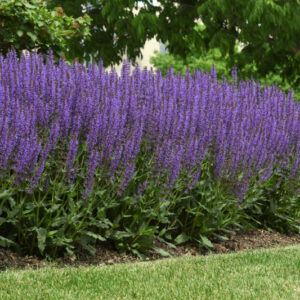
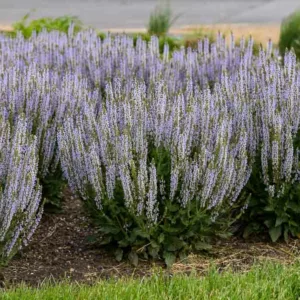
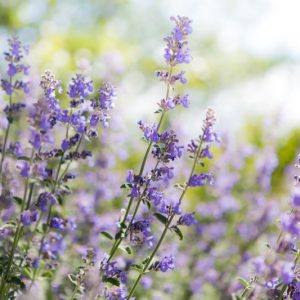
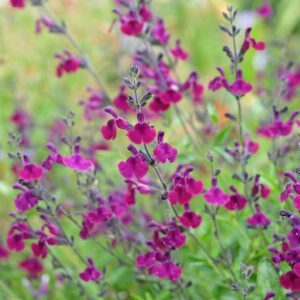
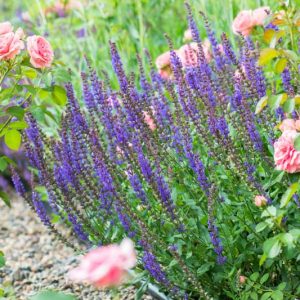
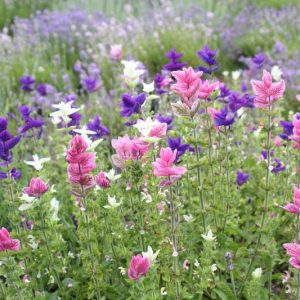
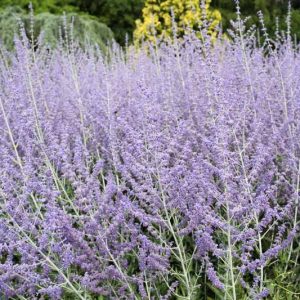
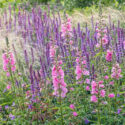
Salvia nemorosa ‘New Dimension Rose’ is proof that you do not need a big plant to make a big statement. This ultra-compact, bushy perennial forms a neat mound of aromatic green foliage, then pops up with upright spikes of deep, intense rose-pink flowers from late spring into summer. It is the kind of plant that instantly looks intentional – like you planned your border (even if you totally did not).
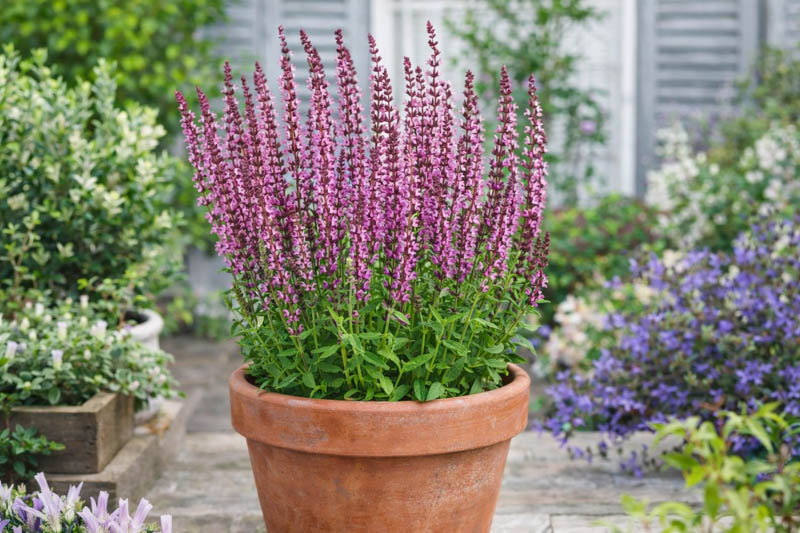
If your garden style leans sunny, low-maintenance, and pollinator-friendly, this woodland sage is an easy yes. The blooms are rich in nectar and loved by bees, butterflies, and hummingbirds. Once established, it is typically considered drought tolerant, and it is often appreciated for its deer resistant reputation too. Think of it as a small, tidy workhorse for perennial borders, cottage gardens, butterfly gardens, and containers where you want long color without drama.
Summary – Ultra-compact herbaceous perennial with neat, bushy growth and upright spikes of intense rose-pink flowers.
Use – Perfect for front-of-border edging, small gardens, containers, pollinator gardens, cottage gardens, and mass plantings.
Highlight – Long bloom from late spring through summer, often extending with deadheading.
Note – Best in full sun and dry to medium, well-drained soil. Often considered drought tolerant once established and deer and rabbit resistant.
| Botanical Name | Salvia nemorosa ‘New Dimension Rose’ |
|---|---|
| Family | Mint family (Lamiaceae) |
| Common Names | Sage, woodland sage, Balkan clary sage |
| Native Range | Native to Central and Eastern Europe and parts of Western Asia (the species Salvia nemorosa).
Note – ‘New Dimension Rose’ is a cultivated selection and is not a wild native plant. |
| Plant Type and Habit | Compact, clump-forming herbaceous perennial with upright flower spikes |
| Hardiness (approx. USDA) | Hardy in USDA Zones 4-9 |
| Height | 8-10 in. (20-25 cm) |
| Spread | 12-18 in. (30-45 cm) |
| Spacing | 12-18 in. (30-45 cm) |
| Sun and Exposure | Best in full sun; light shade tolerated |
| Soil | Average, dry to medium, well-drained soil; sandy or gravelly soils are excellent |
| Seasonal Interest | Late spring through summer; longer with deadheading |
| Flower Color | Deep rose-pink |
| Foliage Color | Green |
| Fragrance | Aromatic foliage (herbal, sage-like when crushed) |
| Drought Tolerant | Yes (once established) |
| Heat Tolerant | Unknown |
| Humidity Tolerant | Unknown |
| Pollution Tolerant | Yes |
| Nectar / Pollen | Yes |
| Attracts | Bees, butterflies, hummingbirds, songbirds |
| Deer / Rabbit | Often considered deer and rabbit resistant |
| Toxicity | Generally considered non-toxic |
| Invasive Status | Not considered invasive |
‘New Dimension Rose’ is a compact selection of Salvia nemorosa grown for strong color and a tight, garden-friendly habit. Imagine a rounded mound of aromatic green leaves, topped by sturdy spikes packed with rose-pink flowers. The color is saturated and noticeable from a distance, which is exactly what you want if you are building a border that needs to look good from the patio, the sidewalk, or across the yard.
It is also wonderfully proportioned. At roughly 8-10 inches tall in bloom and 12-18 inches wide, it stays where you put it. That makes it a great choice for small gardens, edging, and front-of-border planting where taller salvias might feel too lanky or steal the show.
The species Salvia nemorosa is native to parts of Central and Eastern Europe and Western Asia. ‘New Dimension Rose’ is a cultivar, meaning it is a selected garden form bred for compact size and intense flower color. In other words, it is a garden-origin plant with a predictable habit – the kind of consistency gardeners love when they want repeated color and structure.
This woodland sage grows as a neat clump with naturally bushy growth. That matters because it looks full without constant pinching, staking, or fussing. In full sun and average, well-drained soil, the stems stay upright and the plant keeps a clean outline through the season. If you like plants that behave, this is your kind of perennial.
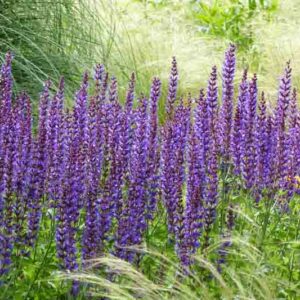
The main bloom begins in late spring and can continue for weeks into summer, often extending toward late summer with deadheading. The flower spikes are dense and upright, giving the plant a bold, textured look even in a mixed planting. And here is the fun part – salvias often reward you for being slightly attentive. Snip off spent spikes and you will usually see new flowering stems push up again.
If you want a simple routine that works, think in “waves.” Enjoy the first flush, deadhead or lightly shear, water deeply once, then wait for the second show. It is not complicated – just good timing.
The foliage is green, aromatic, and forms a tidy mound at the base. Even when not in flower, it looks intentional – not messy, not floppy, not dramatic. In winter, top growth dies back in colder regions, but the crown is hardy and returns in spring when grown in suitable zones and well-drained soil.
Salvia nemorosa ‘New Dimension Rose’ is generally hardy in about USDA Zones 4-9. The biggest hardiness “secret” is not cold – it is drainage. If the crown sits wet in winter, plants can struggle. Give it a well-drained spot and it is reliably perennial.
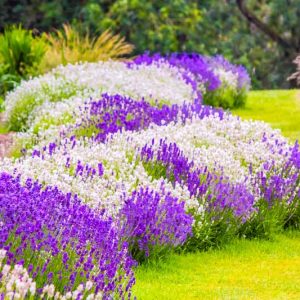
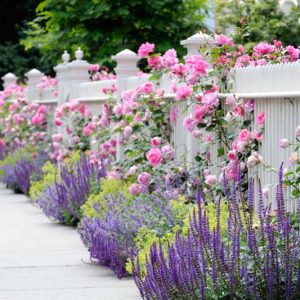
If you like the look of “repeat plants to make a border feel designed,” this woodland sage is perfect. Plant it in small drifts along the front edge and let the rose-pink spikes create rhythm.
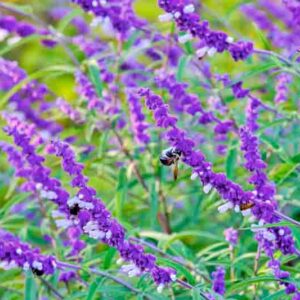
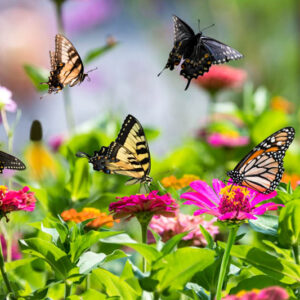
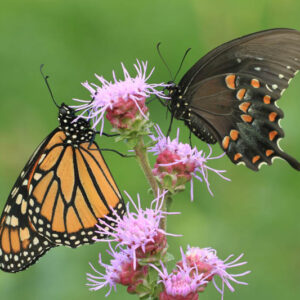
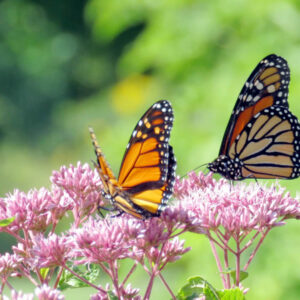
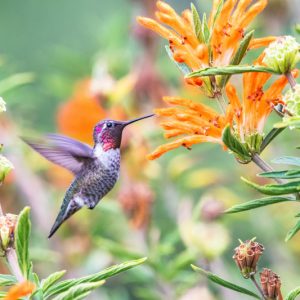
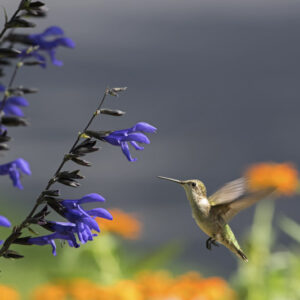
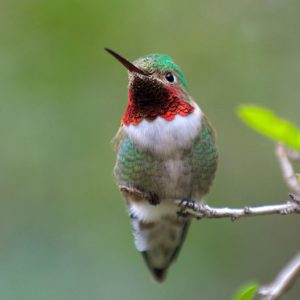
Like many salvias, ‘New Dimension Rose’ is a strong contributor to pollinator-friendly gardening. The nectar-rich flowers attract bees, butterflies, and hummingbirds, and the long bloom window helps provide consistent food during the active summer season. If you are planting with purpose, this is the kind of perennial that earns its keep.
This plant is often described as rabbit and deer-resistant. The aromatic foliage is typically less appealing to browsing animals. As always, “resistant” does not mean “deer-proof,” especially when food is scarce, but serious damage is uncommon in many gardens.
Once established, ‘New Dimension Rose’ is commonly considered drought tolerant and well-suited to dry to medium soils. For best flowering and repeat bloom, give a deep watering during prolonged heat, especially in sandy or gravelly beds where moisture drains quickly. In containers, plan to water more often because pots dry faster – even drought tolerant plants appreciate steady moisture when confined.
Salvia nemorosa ‘New Dimension Rose’ is generally considered non-toxic to humans and pets. It is grown as an ornamental. As with all garden plants, discourage nibbling and avoid ingestion of large quantities.
‘New Dimension Rose’ is not considered invasive. It forms a well-behaved clump that slowly expands over time. If you ever want more plants, division is easy – and a lot more satisfying than battling an aggressive spreader.
This is not a “feed me weekly” plant. Too much fertilizer can produce lush foliage at the expense of flowers and sturdy stems. A light compost top-dressing in spring is usually plenty. If you use a fertilizer, choose something modest and do not overdo it – compact salvias look best when they stay firm and upright.
This is generally a trouble-free plant. In some gardens, you may see occasional aphids on tender new growth, slugs, or snails.
Yes. Once established, Salvia nemorosa ‘New Dimension Rose’ is commonly considered drought tolerant and performs well in dry to medium, well-drained soil. For best flowering and rebloom, water deeply during prolonged heat or drought, especially in sandy soil or containers.
Deadhead as soon as the first flower spikes begin to fade. Snip spent spikes down to the leafy mound to encourage repeat bloom. For a fast reset, lightly shear after the first flush and water deeply.
Full sun is best for the most flowers and the most compact habit. Light shade is tolerated, especially in hot climates, but flowering may be reduced and growth may be slightly looser.
It is commonly listed around 8-10 inches tall (20-25 cm) and about 12-18 inches wide (30-45 cm), forming a compact clump with upright rose-pink flower spikes.
It is often considered deer resistant because the aromatic foliage is not a preferred food source. However, no plant is completely deer proof, and browsing can occur under high pressure.
Propagate by division in spring or early fall. Lift the clump, separate healthy rooted sections, and replant at the same depth. Seed is possible, but seedlings may not come true to the cultivar.
It performs best in average, dry to medium, well-drained soil. Sandy or gravelly soils are ideal. Avoid waterlogged sites, especially in winter, to reduce the risk of root rot.
Missouri Botanical Garden Plant Finder – cultural guidance for Salvia nemorosa selections, including light, soil, maintenance, and bloom season
Updated: January 2026 – Reviewed by Gardenia Editors
| Hardiness |
4 - 9 |
|---|---|
| Heat Zones |
5 - 9 |
| Climate Zones | 2, 2A, 2B, 3, 3A, 3B, 4, 5, 6, 7, 8, 9, 10, 14, 15, 16, 17, 18, 19, 20, 21, 22, 23, 24 |
| Plant Type | Perennials |
| Plant Family | Lamiaceae |
| Genus | Salvia |
| Common names | Sage |
| Exposure | Full Sun |
| Season of Interest | Spring (Late), Summer (Early, Mid, Late) |
| Height | 8" - 10" (20cm - 25cm) |
| Spread | 1' - 2' (30cm - 60cm) |
| Spacing | 18" (50cm) |
| Maintenance | Low |
| Water Needs | Average |
| Soil Type | Chalk, Loam, Sand |
| Soil pH | Acid, Alkaline, Neutral |
| Soil Drainage | Moist but Well-Drained, Well-Drained |
| Characteristics | Cut Flowers, Fragrant, Showy |
| Tolerances | Drought, Deer, Rabbit, Dry Soil, Heat, Fire |
| Attracts | Bees, Butterflies, Hummingbirds, Birds |
| Garden Uses | Beds And Borders, Edging, Patio And Containers, Small Gardens |
| Garden Styles | City and Courtyard, Informal and Cottage, Mediterranean Garden |
| Toxic to Humans | No known toxicity |
| Toxic to Cats | No known toxicity |
| Toxic to Dogs | No known toxicity |
| Toxic to Horses | No known toxicity |


| Hardiness |
4 - 9 |
|---|---|
| Heat Zones |
5 - 9 |
| Climate Zones | 2, 2A, 2B, 3, 3A, 3B, 4, 5, 6, 7, 8, 9, 10, 14, 15, 16, 17, 18, 19, 20, 21, 22, 23, 24 |
| Plant Type | Perennials |
| Plant Family | Lamiaceae |
| Genus | Salvia |
| Common names | Sage |
| Exposure | Full Sun |
| Season of Interest | Spring (Late), Summer (Early, Mid, Late) |
| Height | 8" - 10" (20cm - 25cm) |
| Spread | 1' - 2' (30cm - 60cm) |
| Spacing | 18" (50cm) |
| Maintenance | Low |
| Water Needs | Average |
| Soil Type | Chalk, Loam, Sand |
| Soil pH | Acid, Alkaline, Neutral |
| Soil Drainage | Moist but Well-Drained, Well-Drained |
| Characteristics | Cut Flowers, Fragrant, Showy |
| Tolerances | Drought, Deer, Rabbit, Dry Soil, Heat, Fire |
| Attracts | Bees, Butterflies, Hummingbirds, Birds |
| Garden Uses | Beds And Borders, Edging, Patio And Containers, Small Gardens |
| Garden Styles | City and Courtyard, Informal and Cottage, Mediterranean Garden |
| Toxic to Humans | No known toxicity |
| Toxic to Cats | No known toxicity |
| Toxic to Dogs | No known toxicity |
| Toxic to Horses | No known toxicity |
How many Salvia nemorosa ‘New Dimension Rose’ (Woodland Sage) do I need for my garden?
| Plant | Quantity | |
|---|---|---|
| Salvia nemorosa ‘New Dimension Rose’ (Woodland Sage) | N/A | Buy Plants |
Create a membership account to save your garden designs and to view them on any device.
Becoming a contributing member of Gardenia is easy and can be done in just a few minutes. If you provide us with your name, email address and the payment of a modest $25 annual membership fee, you will become a full member, enabling you to design and save up to 25 of your garden design ideas.
Join now and start creating your dream garden!
Create a membership account to save your garden designs and to view them on any device.
Becoming a contributing member of Gardenia is easy and can be done in just a few minutes. If you provide us with your name, email address and the payment of a modest $25 annual membership fee, you will become a full member, enabling you to design and save up to 25 of your garden design ideas.
Join now and start creating your dream garden!