Create Your Garden

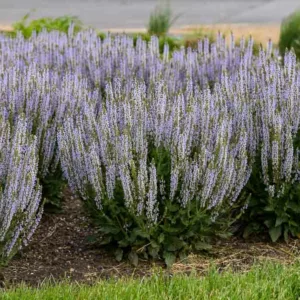
Salvia farinacea ‘Victoria Blue’ (Mealy Sage)

Mealycup Sage, Mealy Sage, Mealy Blue Sage, Blue Sage, Victoria Blue Sage, Victoria Blue Mealycup Sage, Salvia ‘Victoria Blue’, Salvia ‘Victoria’
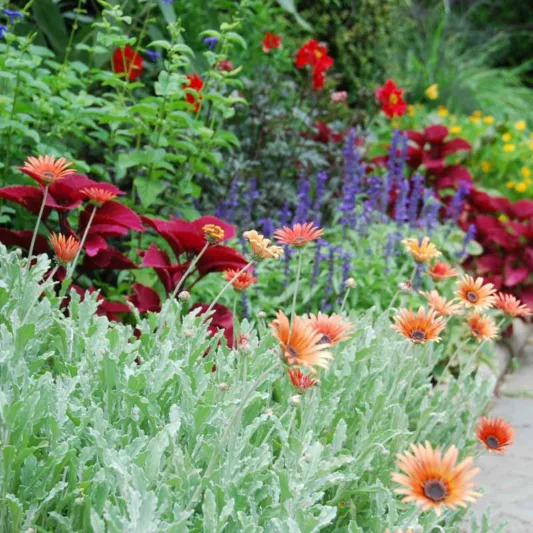
Salvia Farinacea Victoria Blue information, Victoria Blue Mealycup Sage information, Mealy cup sage Victoria Blue information, Salvia Farinacea Victoria, Salvia Victoria

Salvia farinacea (Mealy Sage, Mealycup Sage) – Long-Lasting Blue Flower Spikes, Drought Tolerant Color, And A Pollinator Favorite For Sunny Gardens

Salvia farinacea is one of those plants that quietly becomes a garden essential. It is easy, reliable, and wildly rewarding – with upright spikes of tubular flowers that keep going from late spring through early fall. If you want a plant that looks great in beds, borders, and containers while also feeding bees, butterflies, and hummingbirds, Mealy Sage is an easy yes.

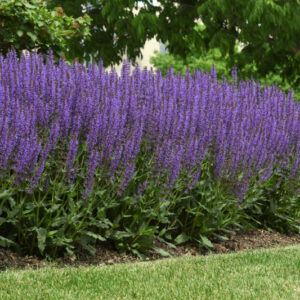
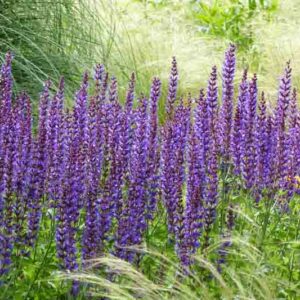
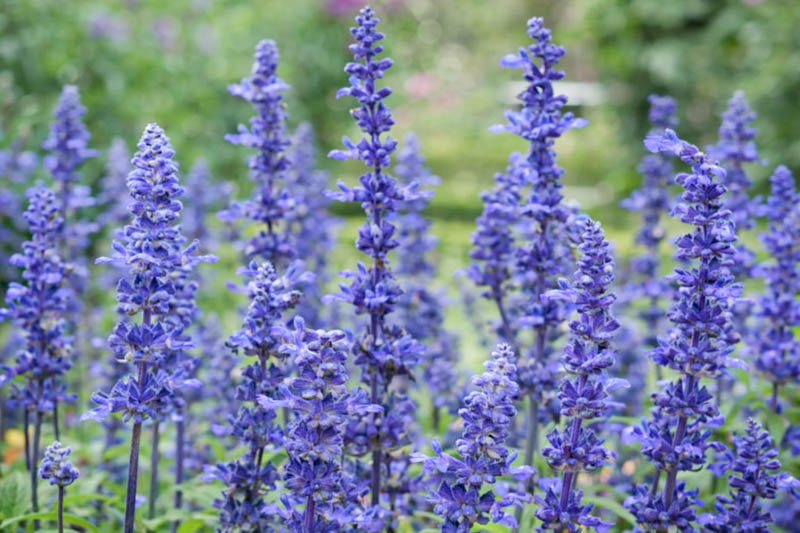
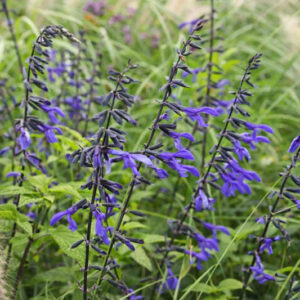
Now let us zoom in on a standout cultivar: Salvia farinacea ‘Victoria Blue’ (often sold as Mealy Sage ‘Victoria Blue’). This is the variety gardeners reach for when they want that rich violet-blue, lavender-like look – but with a tidier habit, a longer bloom season, and a tougher, sun-loving personality. Expect densely packed flower spikes above narrow, fresh green leaves, blooming hard from late spring to frost in many climates.
Garden shorthand: If you want months of saturated blue color, pollinator traffic, and a plant that does not demand constant attention – Salvia farinacea (especially ‘Victoria Blue’) is the move.

Quick Facts – Salvia farinacea (Mealy Sage, Mealycup Sage) – Featuring ‘Victoria Blue’

Salvia Farinacea Victoria Blue information, Victoria Blue Mealycup Sage information, Mealy cup sage Victoria Blue information, Salvia Farinacea Victoria, Salvia Victoria

Summary: Upright, clumping flowering sage with dense spikes of tubular blooms and a distinctive “mealy” look on the calyces and bracts. ‘Victoria Blue’ is prized for its rich violet-blue flower spikes and compact, branched habit.
Use: Excellent for mixed borders, pollinator gardens, cottage and wildflower plantings, mass plantings, and containers.
Highlight: Long blooming season from late spring to frost, especially with deadheading.
Note: Best in full sun and well-drained soil. Drought tolerant once established and often considered deer and rabbit resistant.

Botanical Name Salvia farinacea ‘Victoria Blue’
Family Mint family (Lamiaceae)
Common Names Mealy Sage, Mealycup Sage, Mealy Blue Sage
Native Range Native to Texas and Mexico.
Plant Type and Habit Clump-forming perennial (often grown as an annual in colder regions)
Hardiness (approx. USDA) Hardy in USDA Zones 8-10; grown as an annual elsewhere
Height 18-24 in. (45-60 cm) for ‘Victoria Blue’ in typical garden conditions
Spread 12-18 in. (30-45 cm)
Spacing 12-18 in. (30-45 cm) for good airflow
Sun and Exposure Best in full sun; partial shade tolerated
Soil Adaptable, but prefers well-drained soil; avoid waterlogged sites
Seasonal Interest Late spring to frost (long season)
Flower Color Rich violet-blue
Foliage Color Fresh green, narrow and lance-shaped
Fragrance Lightly aromatic foliage (sage family trait)
Drought Tolerant Yes (once established)
Heat Tolerant Yes
Humidity Tolerant Yes
Pollution Tolerant Yes
Nectar / Pollen Yes (nectar-rich flowers)
Attracts Bees, butterflies, hummingbirds, and beneficial insects
Deer / Rabbit Often considered deer resistant and rabbit resistant
Toxicity Generally grown as an ornamental; avoid ingestion and use standard garden caution
Invasive Status Not typically considered invasive in gardens
Care – Quick
  • Planting: Full sun to light shade in well-drained soil; give it airflow.
  • Water: Regular water while establishing; then water deeply during prolonged drought.
  • Feeding: Light spring feeding is plenty; avoid over-fertilizing.
  • Pruning / Deadheading: Deadhead spent spikes to keep blooms coming for months.
  • Mulching: Mulch lightly; keep away from the crown to prevent rot.
  • Propagation: Seed or cuttings; named cultivars are best preserved by cuttings.
  • Winter care: Perennial in warm zones; treat as annual or overwinter indoors in cold zones.
Quick promise
Salvia farinacea ‘Victoria Blue’ brings months of vertical violet-blue blooms to sunny gardens – drought tolerant once established, low maintenance, and irresistibly attractive to bees, butterflies, and hummingbirds.
If your garden needs reliable blue color from late spring to frost, ‘Victoria Blue’ is the dependable answer.

What Is Salvia farinacea (Mealy Sage, Mealycup Sage)?

Description

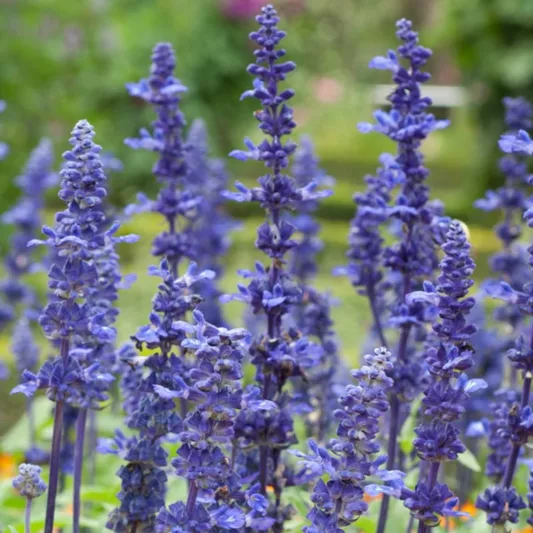
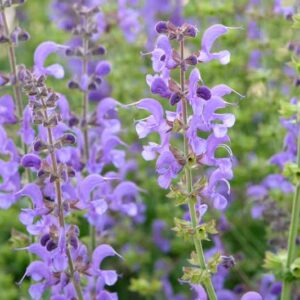
Salvia farinacea is a flowering sage prized for its tall, tidy bloom spikes and its “always looks put together” habit. The flowers are tubular and densely packed on upright stems, while the calyces and bracts often look lightly dusted or powdery – that is the “mealy” feature behind the common name. The foliage is narrow, lance-shaped, and typically fresh to medium green, giving the plant a clean, fine-textured base that works in almost any planting style.

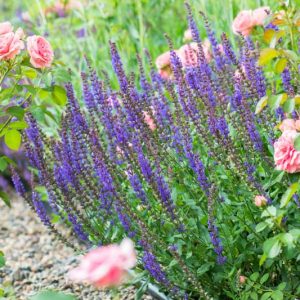
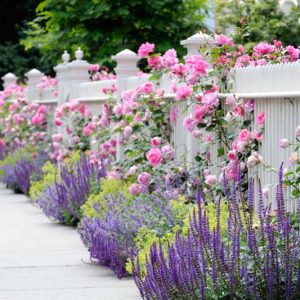
In the cultivar ‘Victoria Blue’, you get that classic, saturated violet-blue tone on abundant spikes, plus a compact, multi-branched plant that flowers profusely. It resembles lavender at a glance, but it behaves more like a warm-season workhorse – especially in sunny beds and containers.

Takeaway: Mealy Sage ‘Victoria Blue’ is a long-blooming, upright salvia with powdery-looking calyces and dense violet-blue flower spikes – a drought tolerant, pollinator-friendly staple for sunny beds, borders, and containers.

Native Information

This species is native to the south-central United States, particularly Texas, and northeast Mexico. In gardens, it is commonly grown both as a warm-zone perennial and as a high-performing annual in cooler climates. If you are building a habitat-style planting, it is a dependable wildlife plant that fits beautifully into sunny, drought tolerant, native-inspired landscapes.

Growth Habit and Vigor

Mealy Sage forms an upright, clumping plant that typically stays compact and neat. ‘Victoria Blue’ commonly reaches about 18-24 inches tall (45-60 cm) and about 12-18 inches wide (30-45 cm), forming thick, rounded clumps with lots of branching stems. That shape matters in real gardens: it looks intentional, it plays well with neighboring plants, and it does not flop easily when grown in adequate sun.

Design-friendly habit: Vertical spikes on a compact clump means you get height without chaos – perfect for repeating through a border.

Flowers and Bloom Time

Here is the headline feature: the bloom season is long. Salvia farinacea typically flowers from late spring into fall, and ‘Victoria Blue’ is especially generous, often continuing from late spring to frost with routine deadheading. The small, tubular flowers peek out from the calyces, forming dense spikes that read as a strong block of blue from a distance and a delicate texture up close.

Bonus: those spikes also make excellent cut flowers and complement dried arrangements. If you like bouquets with vertical lines and airy structure, a few stems of ‘Victoria Blue’ instantly make an arrangement feel more designed.

Foliage and Seasonal Interest

The foliage is narrow, fresh green, and stays tidy – even when the plant is in full bloom. In warm zones (8-10), the plant can behave like a perennial. In colder zones, it is commonly grown as an annual because it delivers so much color in one season. Either way, the foliage acts like a clean backdrop for showier blooms nearby, while the spikes add vertical movement and rhythm.

Hardiness

Salvia farinacea is generally perennial in USDA Zones 8-10. Outside those zones, it is commonly grown as an annual. In cold-winter areas, it is still worth planting because it blooms for months, handles heat well, and rarely throws a tantrum if the weather shifts.

Landscape Uses

  • Mixed borders: Use as a mid-border accent for vertical rhythm and repeatable blue color.
  • Cottage or wildflower gardens: Adds long-blooming structure without looking stiff.
  • Mass plantings: Plant in drifts for a strong, modern color statement.
  • Containers and patio gardens: A perfect “thriller” for pots and planters – upright, tidy, and long blooming.
  • Pollinator gardens: A steady nectar source for months. Pair with other nectar plants to keep your garden buzzing.

Wildlife and Ecological Value

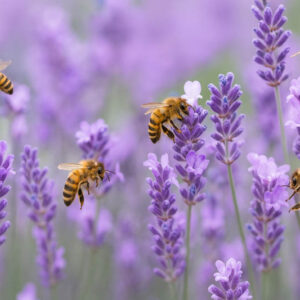
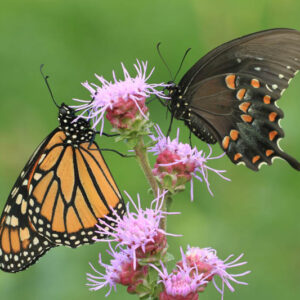
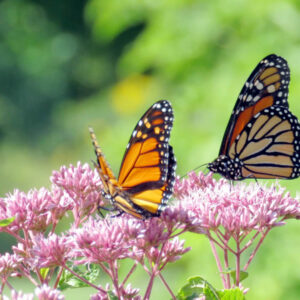
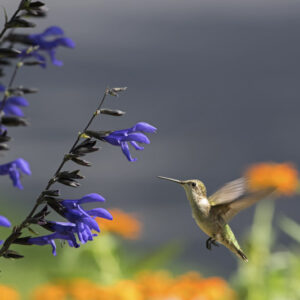
Salvia farinacea ‘Victoria Blue’ is a pollinator magnet. Those long spikes of nectar-rich blooms draw bees, butterflies, and hummingbirds for months. In a garden design sense, this is the sweet spot: a plant that looks great and does real ecological work.

Plant ‘Victoria Blue’ and you are not just adding color – you are opening a nectar cafe that stays busy for months.

Deer and Rabbits

Mealy Sage is commonly considered deer resistant and often avoided by rabbits as well. The aromatic foliage helps, though no plant is completely browse-proof when animals are hungry enough. Still, if browsing pressure is a recurring theme in your garden, ‘Victoria Blue’ is a smart, low-drama pick.

Drought Tolerance

Once established, Salvia farinacea is drought-tolerant, making it excellent for low-water gardening, hot summers, and xeriscape-friendly designs. It will bloom best with occasional deep watering during extended heat spells, but it is far less thirsty than many other long-blooming ornamentals.

Toxicity

Salvia farinacea is grown primarily as an ornamental. As with most garden plants, avoid ingestion and keep routine garden safety in mind for pets and kids.

Invasiveness

Mealy Sage is generally well-behaved in garden settings. It forms clumps rather than running aggressively, and any self-seeding is typically manageable with deadheading and basic maintenance.
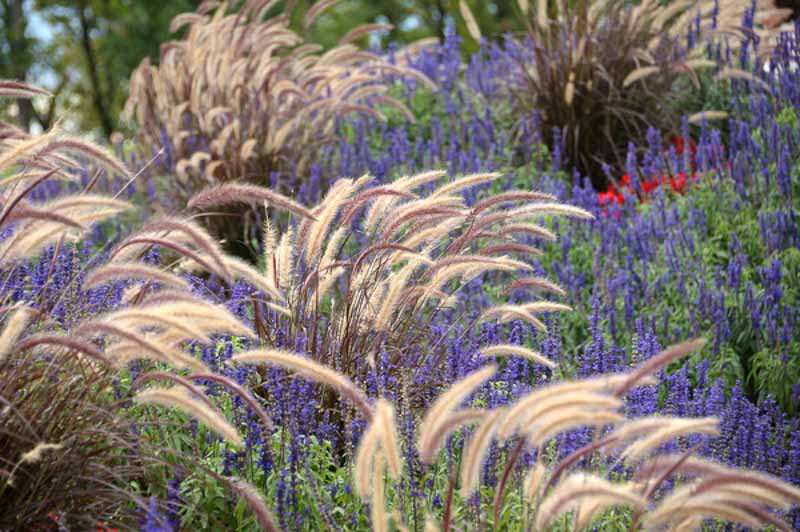
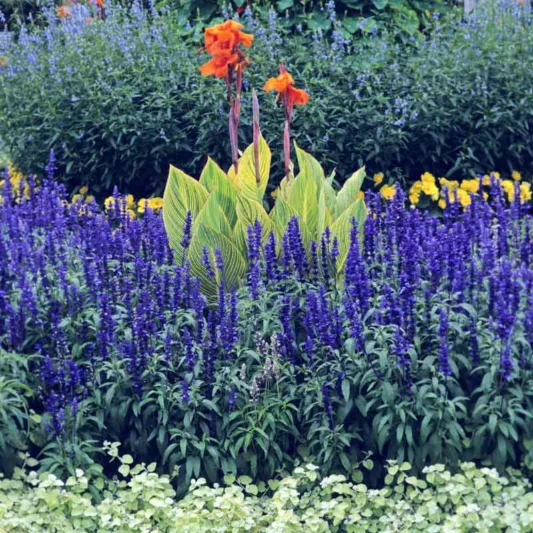
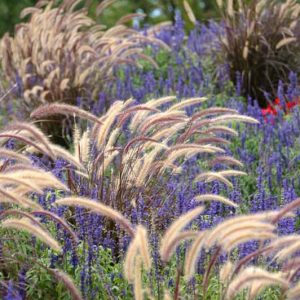
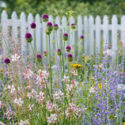
Garden Ideas, Border ideas, Perennial Planting, Perennial combination, Summer Border, Pennisetum Setaceum Rubrum, Salvia farinacea, Purple Fountain Grass,Mealy Cup Sage

Growing Conditions for Salvia farinacea

Light

  • Full sun: Best flowering, strongest stems, and the most compact habit.
  • Partial shade: Tolerated, especially in very hot climates, but bloom density may be lighter.
Fast result tip: More sun = more spikes. If ‘Victoria Blue’ looks a little lanky, the fix is usually simple: move it to a brighter spot.

Soil

  • Well-drained is key: Soggy soil is the fast track to weak growth and root issues.
  • Adaptable: It can handle average to rich soils, and even tolerates poorer soil – but drainage matters most.
  • Clay soil tip: If your soil is heavy, improve drainage and consider raised beds. Native Plants That Truly Thrive in Texas Clay Soils

Water

  • Establishment phase: Water consistently to help roots settle in (especially the first few weeks).
  • After establishment: Water deeply but less often. Let the soil dry slightly between waterings.
  • Container note: Pots dry faster, so check moisture more often in hot weather.

Feeding

A balanced, slow-release fertilizer in spring is usually enough. If you want extra bloom power, a light feeding every 4-6 weeks during peak growth can help – just do not overdo it, because excess fertilizer can push leafy growth at the expense of flowers. In many gardens, ‘Victoria Blue’ performs beautifully in average soil with minimal feeding.
Mulch

  • Use organic mulch to conserve moisture and suppress weeds.
  • Keep mulch a few inches away from the crown to prevent rot.

Planting Tips

  • Plant after frost in spring, or in early fall where winters are mild.
  • Space plants for airflow to reduce disease pressure.
  • For a lush look, plant in groups of 3-5 and repeat through a border.
  • Pair with contrasting textures for a designed look – grasses, daisies, and soft mounding perennials are great partners.

Maintenance – Pruning – Deadheading

  • Deadheading: Remove spent flower spikes to keep blooms coming. This is the single best way to extend flowering.
  • Light pruning: Tidy in early spring and remove any dead or damaged growth.
  • Season-long freshness: Think of deadheading as your “rebloom button”.
Care tip: For the longest bloom season, deadhead regularly – Mealy Sage responds by pushing new spikes and keeping color in the garden for months.

Propagation

  • Seed: May be grown from seeds, starting indoors 10-12 weeks prior to the last spring frost date.
  • Cuttings: Best for keeping named cultivars (like ‘Victoria Blue’) consistent in color and habit.

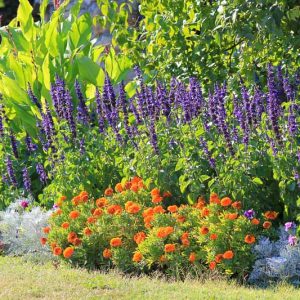
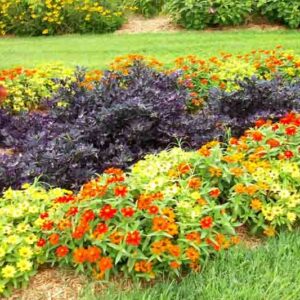
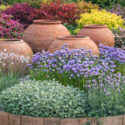
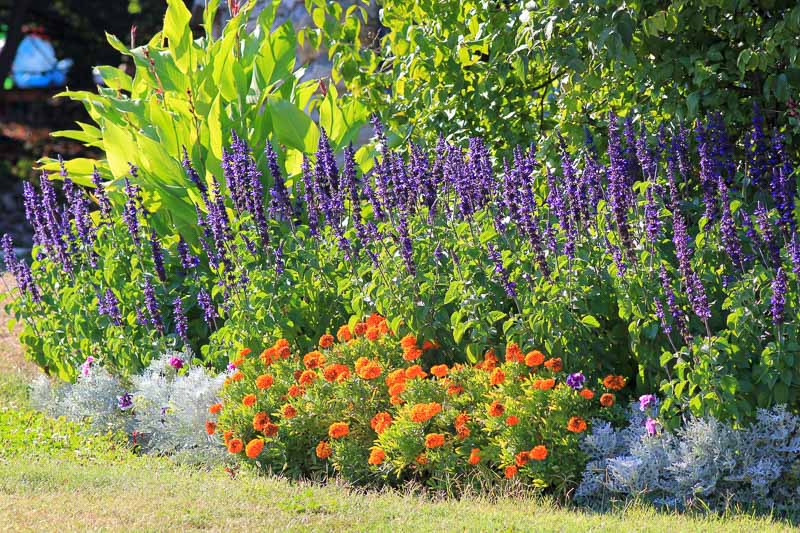
Plant Combinations, Summer Gardens, Marigold, Sage, Canna Lily, Dusty Miller

Salvia farinacea: Pests, Diseases, and Common Problems

Pests

This is generally a tough plant, but keep an eye out for the usual suspects. You might see aphids on tender growth or spider mites in hot, dry conditions. A strong spray of water, good airflow, and encouraging beneficial insects often keeps problems minor.
Diseases

  • Powdery mildew: Can appear when plants are crowded or airflow is poor. Give sun, spacing, and avoid overhead watering late in the day.
  • Root issues: Usually tied to poor drainage or overwatering. If the soil stays wet, fix drainage first.

Common Problems

  • Reduced flowering: Often caused by too much shade, skipped deadheading, or overly rich fertilizer.
  • Leggy growth: Too little sun can make plants stretch. Move to brighter light for a tighter clump.
  • Flopping stems: Usually a sign of shade or excess nitrogen. More sun and lighter feeding helps.
Simple troubleshooting rule: If the plant looks healthy but is not blooming well, check sun first, then deadheading, then fertilizer.

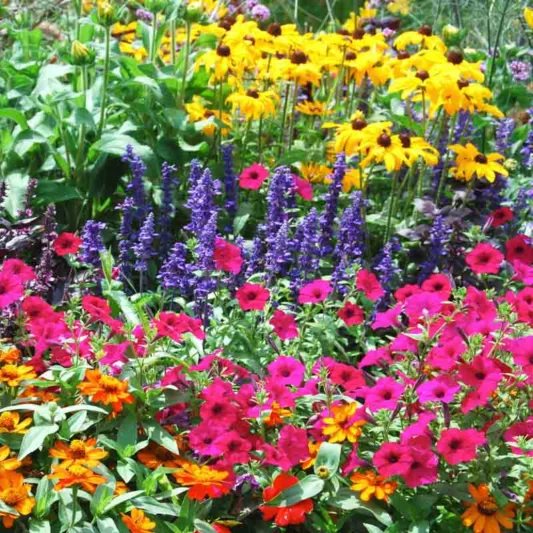
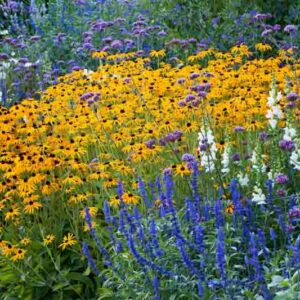
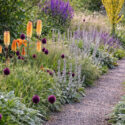
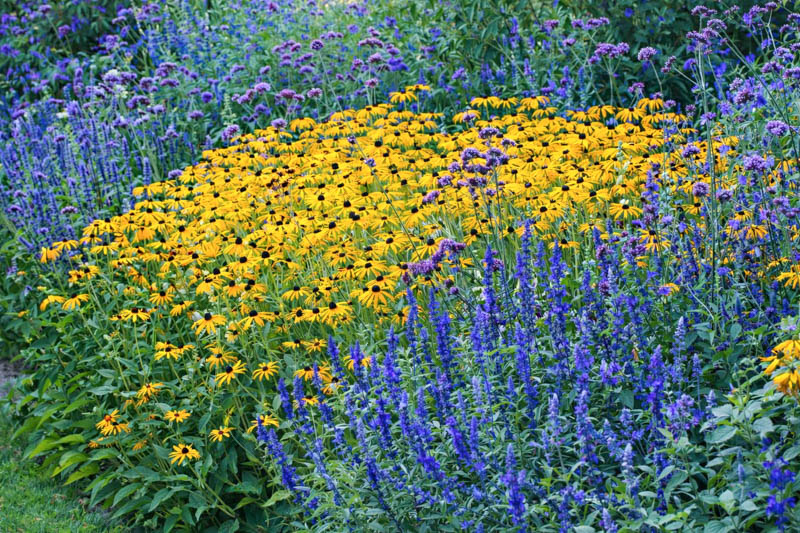
Garden Ideas, Border ideas, Perennial Planting, Perennial combination, Antirrhinum majus, Snapdragons, Rudbeckia 'Goldsturm', Salvia 'Mystic Spires Blue', Salvia farinacea, Verbena bonariensis, summer borders

Design Ideas With Salvia farinacea

  • Border rhythm: Repeat clumps every few feet for a steady vertical beat through the planting.
  • Heat-smart color: Combine with drought tolerant companions for low-water impact. Discover 20 Top Salvia Varieties for a Thriving Xeriscape
  • Pollinator corridor: Mix with echinacea, ornamental grasses, and other nectar plants for season-long activity.
  • Container thriller: Let the spikes rise above trailing plants like petunias, verbena, or calibrachoa to soften edges.
  • Mass planting: A drift of violet-blue spikes reads as intentional, modern, and calming.
Design tip: Want a designer look without designer effort? Plant Mealy Sage ‘Victoria Blue’ in drifts – repeating vertical spikes create instant structure and cohesion.

For even more inspiration when building colorful, water-wise plantings, these guides can help you choose companions that thrive in similar conditions:

Popular Cultivars of Salvia farinacea

  • Victoria Blue – Classic, deep violet-blue flower spikes with strong garden performance and a long bloom season from late spring to frost.
  • Blue Bedder – Compact and floriferous, ideal for mass planting, edging, and containers.
  • Evolution – Selected for dependable bloom and tidy habit, a great choice for modern borders.
  • Fairy Queen – Often admired for bicolor flair and a lighter, decorative look in mixed plantings.

Frequently Asked Questions

Is Salvia farinacea drought tolerant?

Yes. Once established, Salvia farinacea is drought tolerant and performs well with deep, occasional watering. For best flowering in extreme heat, water during prolonged drought, especially in containers or very sandy soil.

How long does Salvia farinacea bloom?

Salvia farinacea typically blooms from late spring through early fall. Deadheading spent flower spikes helps extend the season and encourages repeat flowering.


Does Salvia farinacea need full sun?

Full sun is best for the most flowers and the strongest, most upright spikes. Partial shade is tolerated, especially in very hot regions, but flowering may be lighter.

How tall and wide does Salvia farinacea grow?

Most Salvia farinacea plants reach about 18-36 inches tall (45-90 cm) and spread about 12-24 inches (30-60 cm), depending on the cultivar and growing conditions.

Is Salvia farinacea deer resistant?

It is often considered deer and rabbit resistant because the foliage is aromatic and not a preferred food source. However, no plant is completely deer proof when browsing pressure is high.

How do I propagate Salvia farinacea?

Propagate Salvia farinacea by seed or cuttings. Seeds are easy for general plantings, while cuttings are best for keeping named cultivars consistent.

What soil does Salvia farinacea prefer?

Salvia farinacea prefers well-drained soil. It tolerates a range of soil types, but drainage is essential to reduce the risk of root problems, especially in wet seasons.

Updated: January 2026 – Reviewed by Gardenia Editors

Salvia: Plant Care and Growing Guide


Here are some tips on how to plant and grow salvia successfully

Requirements

Hardiness 8 - 10
Heat Zones 1 - 12
Climate Zones 7, 8, 9, 10, 12, 13, 14, 15, 16, 17, 18, 19, 20, 21, 22, 23, 24, H1, H2
Plant Type Annuals, Perennials
Plant Family Lamiaceae
Genus Salvia
Common names Blue Sage, Mealy Cup Sage, Sage
Exposure Full Sun
Season of Interest Spring (Late), Summer (Early, Mid, Late), Fall
Height 1' - 2' (30cm - 60cm)
Spread 10" - 1' (25cm - 30cm)
Spacing 12" - 18" (30cm - 50cm)
Maintenance Low
Water Needs Average
Soil Type Loam, Sand
Soil pH Acid, Alkaline, Neutral
Soil Drainage Moist but Well-Drained
Characteristics Dried Arrangements, Cut Flowers, Fragrant, Showy
Tolerance Drought, Deer, Rabbit, Dry Soil, Clay Soil
Attracts Bees, Butterflies, Hummingbirds
Garden Uses Banks And Slopes, Beds And Borders, Patio And Containers, Wall-Side Borders
Garden Styles City and Courtyard, Coastal Garden, Informal and Cottage, Mediterranean Garden
How Many Plants
Do I Need?
Explore Great Plant Combination Ideas
Salvia (Sage)
Guides with
Salvia (Sage)
Not sure which Salvia (Sage) to pick?
Compare Now

Alternative Plants to Consider

Salvia guaranitica (Blue Anise Sage)
Salvia splendens ‘Van-Houttei’ (Scarlet Sage)
Salvia nemorosa ‘Blue By You’ (Sage)
Salvia microphylla (Baby Sage)
Salvia pratensis (Meadow Sage)
Salvia nemorosa ‘Perfect Profusion’ (Sage)

Recommended Companion Plants

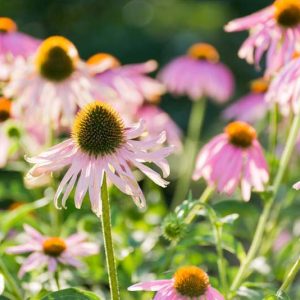
Echinacea (Coneflower)
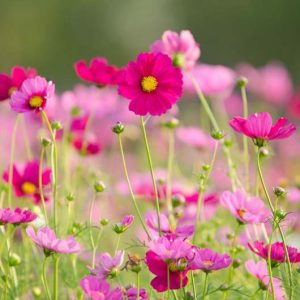
Cosmos Flowers
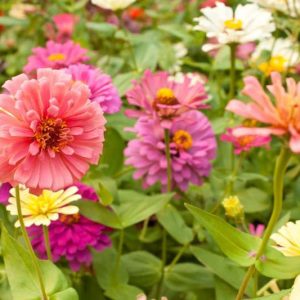
Zinnia elegans (Zinnia)
Rudbeckia fulgida (Black-Eyed Susan)
Tagetes (Marigold)
Gaura (Bee Blossom)

Find In One of Our Guides or Gardens

Vibrant Summer Border: Dahlia, Zinnia, Chinese Aster
An Easy Summer Planting Idea with Sage and Ornamental Grasses
A Captivating Perennial Planting with Rudbeckia, Salvia, Verbena and Antirrhinum
A Long-Lasting Summer Garden Idea with Marigold and Sage
Annual Salvias: Heat-Loving Color That Blooms All Season
Best Full Sun Perennials for Zone 8: Top Heat-Tolerant Garden Winners
Best Full Sun Shrubs for Zone 8: Heat-Loving Shrubs That Thrive in Sunshine
Top Zone 6 Full Sun Perennials – Color That Thrives in Heat & Cold
Top Zone 7 Full Sun Perennials for Long Bloom, Color & Pollinators
Native Garden Ideas – Best Native Plants for a Beautiful Yard
Mediterranean Gardens: Low-Water Design, Plants & Ideas
Drought Tolerant Gardens – The Ultimate Water-Wise Guide
Pollinator Gardens: Plants, Designs & Care Guide
Why Rosemary is Perfect for Gardens and Pots
Grow These 20 Herbs Indoors for Freshness All Year
Salvia: Discover the Top Benefits of Growing Sage in Your Garden
Salvia Varieties for a Stunning, Water-Wise Garden
Salvia nemorosa (Woodland Sage)
What is Salvia? Understanding Its Role in Gardening and Beyond
Top 70 Summer Flowers to Brighten Your Garden and Home
50 Best Fall Flowers to Color Your Autumn Garden
Desert Shrubs: Essential Plants for Dry Gardens
Desert Flowers: Bringing Color to Dry Gardens
50 Fall Wildflowers: Top Picks for a Vibrant Autumn Garden
50 Summer Wildflowers: Bright Blooms for Your Garden
50 Wildflowers that Thrive in Sun
50 Blue Wildflowers for Every Garden
50 Pink Wildflowers for Every Garden
50 Purple Wildflower to Brighten Your Garden
50 California Wildflowers: From Desert Blooms to Coastal Gems
50 Texas Wildflowers to Brighten Your Garden
Top 50 Most Beautiful Flowers Worldwide
Stunning Blue Flowers to Enhance Your Garden’s Beauty
Add a Splash of Color: Perfect Flowering Shrubs for Small Gardens
42 Best Perennial Flowers and Plants to Brighten Your Garden Every Season
30 Best Spring Flowers Every Gardener Should Grow
How to Create an Enchanting Butterfly Garden
For the Love of Butterflies: Best Flowers to Attract them to Your Garden
6 Reasons You Should Create a Butterfly Garden
Salvia (Sage)
Best Annual Flowers and Plants to Spruce up Your Garden
Hummingbird
18 Best Plants That Repel Mosquitoes
Rosemary: Learn How To Plant, Grow and Harvest
Salvia yangii (Russian Sage)
Best Annual Flowers and Plants for Full Sun
Wonderful Plants That Repel Insects
Companion Planting With Herbs
Great Rose Companion Plants: Nepeta, Salvia and Lavandula
Best and Worst Companion Plants for Rosemary
Hardy Perennial Salvias (Sage)
Salvia guaranitica (Blue Anise Sage)
Plants with Purple Flowers to Add Charm to Your Garden
Salvia: Plant Care and Growing Guide
Best Flowers to Attract Hummingbirds
While every effort has been made to describe these plants accurately, please keep in mind that height, bloom time, and color may differ in various climates. The description of these plants has been written based on numerous outside resources.
Buy Plants

Requirements

Hardiness 8 - 10
Heat Zones 1 - 12
Climate Zones 7, 8, 9, 10, 12, 13, 14, 15, 16, 17, 18, 19, 20, 21, 22, 23, 24, H1, H2
Plant Type Annuals, Perennials
Plant Family Lamiaceae
Genus Salvia
Common names Blue Sage, Mealy Cup Sage, Sage
Exposure Full Sun
Season of Interest Spring (Late), Summer (Early, Mid, Late), Fall
Height 1' - 2' (30cm - 60cm)
Spread 10" - 1' (25cm - 30cm)
Spacing 12" - 18" (30cm - 50cm)
Maintenance Low
Water Needs Average
Soil Type Loam, Sand
Soil pH Acid, Alkaline, Neutral
Soil Drainage Moist but Well-Drained
Characteristics Dried Arrangements, Cut Flowers, Fragrant, Showy
Tolerance Drought, Deer, Rabbit, Dry Soil, Clay Soil
Attracts Bees, Butterflies, Hummingbirds
Garden Uses Banks And Slopes, Beds And Borders, Patio And Containers, Wall-Side Borders
Garden Styles City and Courtyard, Coastal Garden, Informal and Cottage, Mediterranean Garden
How Many Plants
Do I Need?
Explore Great Plant Combination Ideas
Salvia (Sage)
Guides with
Salvia (Sage)
Not sure which Salvia (Sage) to pick?
Compare Now

Gardening Ideas

Plant Calculator

How many Salvia farinacea ‘Victoria Blue’ (Mealy Sage) do I need for my garden?

Input your garden space dimensions

Your Shopping List

Plant Quantity
Salvia farinacea ‘Victoria Blue’ (Mealy Sage) N/A Buy Plants

Please Login to Proceed

You Have Reached The Free Limit, Please Subscribe to Proceed

Subscribe to Gardenia

To create additional collections, you must be a paid member of Gardenia
  • Add as many plants as you wish
  • Create and save up to 25 garden collections
Become a Member

Plant Added Successfully

Your garden is taking shape. Unlock full planning.

You’ve reached the free limit. Upgrade for $25/year to add as many plants as you wish and save up to 25 garden collections. Unlock Annual Membership

Update Your Credit
Card Information

Cancel

Create a New Collection

Sign Up to Our Newsletter

    You have been subscribed successfully

    Join Gardenia.net

    Create a membership account to save your garden designs and to view them on any device.

    Becoming a contributing member of Gardenia is easy and can be done in just a few minutes. If you provide us with your name, email address and the payment of a modest $25 annual membership fee, you will become a full member, enabling you to design and save up to 25 of your garden design ideas.

    Join now and start creating your dream garden!

    Join Gardenia.net

    Create a membership account to save your garden designs and to view them on any device.

    Becoming a contributing member of Gardenia is easy and can be done in just a few minutes. If you provide us with your name, email address and the payment of a modest $25 annual membership fee, you will become a full member, enabling you to design and save up to 25 of your garden design ideas.

    Join now and start creating your dream garden!
    Find your Hardiness Zone

    Find your Heat Zone

    Find your Climate Zone