Physalis brings surprise to garden and kitchen: sweet ground cherries, tangy tomatillos, and glowing Chinese lanterns. Tough, productive plants thrive in sun, rewarding you with snackable fruit, salsa-ready harvests, and autumn decor.
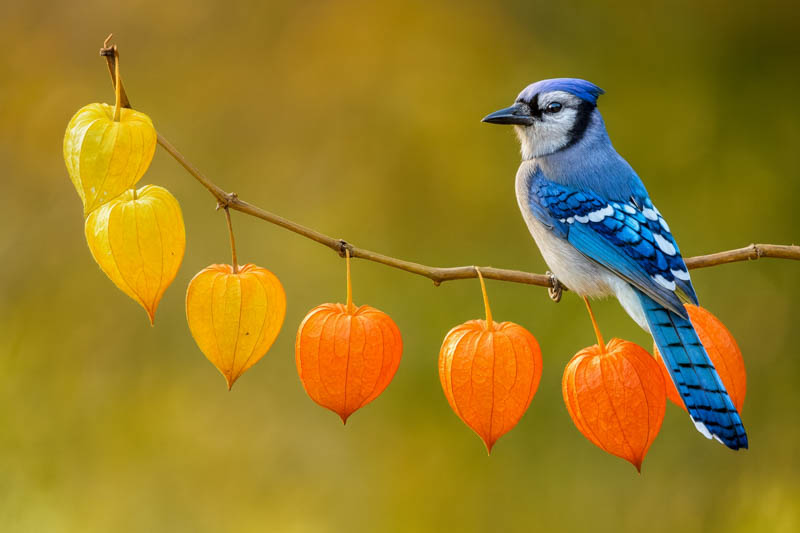


The genus Physalis is famous for fruit that ripens inside a papery, lantern-like husk. In the kitchen, you’ll meet sweet, snackable “ground cherries” (dessert types), tangy ground cherry (P. pruinosa label is common in catalogs), tropical-fruity cape gooseberry (P. peruviana), and savory tomatillo (P. philadelphica). Ornamental gardeners also adore the glowing orange Chinese lantern (P. alkekengi).
| Topic | Details |
|---|---|
| Botanical group | Physalis (nightshade family, Solanaceae); ~75–90 species with “lantern” husks over the fruit. |
| Kitchen types | Sweet dessert “ground cherries” (often sold as P. pruinosa), tropical-fruity P. peruviana (cape gooseberry), savory P. philadelphica (tomatillo). |
| Habit & size | Ground cherry: compact, 1–2 ft tall and 2–3 ft wide; cape gooseberry: larger, 3–5+ ft; tomatillo: 3–4 ft and airy-branched. |
| Typical USDA use | Grown as warm-season annuals almost everywhere; tender perennials only where winters are frost-free (roughly Zones 10–12). |
| Flowers & fruit | Small, pale yellow flowers (often with dark freckles). A papery calyx enlarges to a “lantern” that turns tan as berries ripen. |
| Soil & exposure | Full sun (6–8 h). Loose, well-drained loam or sandy loam with compost; pH near neutral is fine. |
| Harvest window | Ground cherry: ~65–80 days from transplant; cape gooseberry: ~90–120; tomatillo: ~60–80. Many fruits drop when perfectly ripe. |
| Safety | Eat ripe fruit only. Husks, leaves, and unripe green fruit are not edible. |
If you like plants with personality, Physalis is your crew. The berries hide in paper lanterns, tumble to the mulch when perfectly sweet, and somehow disappear before you reach the kitchen. This guide walks you through the delicious types, how to grow them, and the smartest ways to harvest and cook them—without losing anything to the snack bandits in your household.
“Ground cherry” is a friendly market name used for several sweet, dessert-leaning Physalis species. In home gardens, you’ll most often meet compact plants sold as Physalis pruinosa—though modern floras clarify that many of those beloved “Aunt Molly’s” types are actually Physalis grisea. Either way, the plant is small, generous, and candy-sweet when ripe.
Growers and researchers consistently note that cape gooseberry needs a longer season and grows larger than dessert ground cherries—plan staking and a head start if your summers are short.
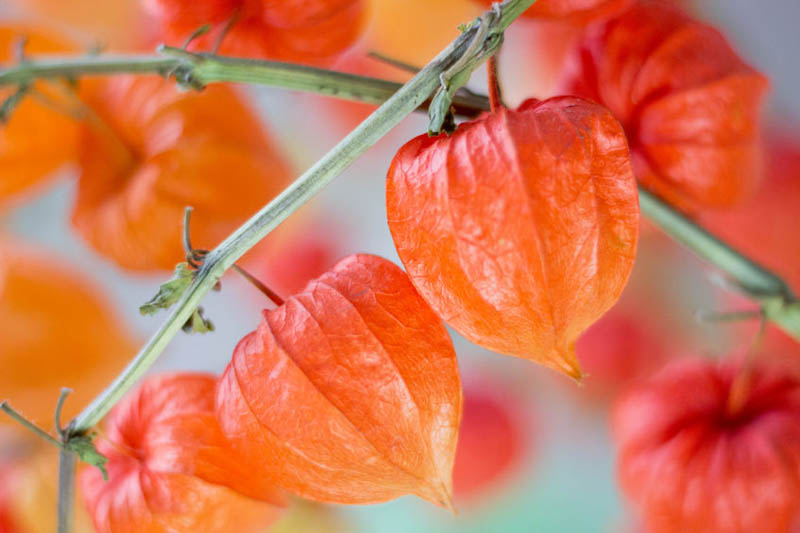
Plants are self-fertile, but bee visits improve set and size. In heat waves or chilly snaps, fruit set can pause; steady moisture, sun, and airflow help the plant cruise through weather swings.

Tiny, nodding yellow flowers open within a month of transplanting. After pollination, the calyx inflates into a delicate lantern around the fruit. As ripening finishes, the husk turns tan and papery. That’s your signal: many berries let go and drop when perfect. Sweep the bed or gather by hand; at peak flavor, the fruit glows golden and gives slightly to thumb pressure.
Use this quick guide from garden to snack bowl.
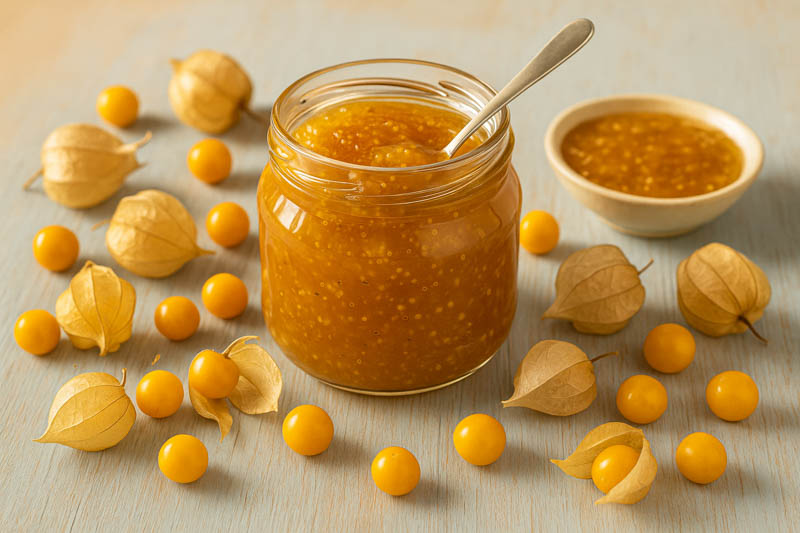
Small-batch ground cherry jam: Simmer 4 cups halved ground cherries with 1¼ cups sugar and lemon zest ~12–18 minutes until glossy and thick. Finish with 2 Tbsp lemon juice and a pinch of salt. Jar and chill.
Sheet-pan salsa: Roast tomatillos, onion, jalapeño, and garlic until blistered; blitz with cilantro and lime. That’s dinner solved. (Plant at least two tomatillos for best fruit set.)
Quick dessert sauce: Warm cape gooseberries in a skillet with a spoon of sugar and a splash of water until they just burst; finish with a dot of butter. Spoon over yogurt or cake. (Cape gooseberry needs a longer season and grows taller than ground cherry.)
| Season | Tasks |
|---|---|
| Late winter | Start seeds indoors; clean and prep beds; gather cages/stakes |
| Spring (post-frost) | Transplant, mulch, install supports, water deeply to establish |
| Early summer | Side-dress lightly at first bloom; tie up wandering stems |
| Mid–late summer | Harvest daily, dry husks for longer storage, scout for pests |
| Fall | Finish harvests, save seed from best plants, clean and compost debris |
A sweet, husked berry from the genus Physalis. The compact dessert types grown in home gardens are often labeled P. pruinosa but are treated in modern floras as P. grisea. The fruit ripens inside a papery lantern and often drops when perfectly ripe.
Ground cherries are self-fertile, but you’ll usually harvest more with two or three plants nearby. Tomatillos benefit strongly from having a second plant for cross-pollination.
Eat ripe fruit only. Husks, leaves, and unripe green fruit are not edible. Chinese lantern is grown mainly for ornament and can be harmful if eaten.
Ground cherries are compact and early with caramel-pineapple sweetness; cape gooseberry grows larger, needs a longer season, and has a tropical tang.
Best kept in their husks in a cool, dry, ventilated spot for 2–3 weeks; refrigerate husked fruit for about a week. Dehydrate or freeze for long keeping.
Updated: October 2025 • Reviewed by Gardenia Editors
| Hardiness |
3 - 11 |
|---|---|
| Plant Type | Perennials |
| Plant Family | Solanaceae |
| Genus | Physalis |
| Exposure | Full Sun |
| Season of Interest | Summer (Early, Mid, Late), Fall |
| Height | 1' - 5' (30cm - 150cm) |
| Spread | 2' - 5' (60cm - 150cm) |
| Maintenance | Low, Average |
| Water Needs | Average |
| Soil Type | Loam, Sand |
| Soil pH | Acid, Alkaline, Neutral |
| Soil Drainage | Moist but Well-Drained, Well-Drained |
| Characteristics | Showy, Fruit & Berries |
| Attracts | Bees |
| Landscaping Ideas | Patio And Containers |
| Garden Styles | Informal and Cottage |
| Toxic to Humans | No known toxicity |
| Toxic to Cats | No known toxicity |
| Toxic to Dogs | No known toxicity |
| Toxic to Horses | No known toxicity |
| Hardiness |
3 - 11 |
|---|---|
| Plant Type | Perennials |
| Plant Family | Solanaceae |
| Genus | Physalis |
| Exposure | Full Sun |
| Season of Interest | Summer (Early, Mid, Late), Fall |
| Height | 1' - 5' (30cm - 150cm) |
| Spread | 2' - 5' (60cm - 150cm) |
| Maintenance | Low, Average |
| Water Needs | Average |
| Soil Type | Loam, Sand |
| Soil pH | Acid, Alkaline, Neutral |
| Soil Drainage | Moist but Well-Drained, Well-Drained |
| Characteristics | Showy, Fruit & Berries |
| Attracts | Bees |
| Landscaping Ideas | Patio And Containers |
| Garden Styles | Informal and Cottage |
| Toxic to Humans | No known toxicity |
| Toxic to Cats | No known toxicity |
| Toxic to Dogs | No known toxicity |
| Toxic to Horses | No known toxicity |
Create a membership account to save your garden designs and to view them on any device.
Becoming a contributing member of Gardenia is easy and can be done in just a few minutes. If you provide us with your name, email address and the payment of a modest $25 annual membership fee, you will become a full member, enabling you to design and save up to 25 of your garden design ideas.
Join now and start creating your dream garden!
Create a membership account to save your garden designs and to view them on any device.
Becoming a contributing member of Gardenia is easy and can be done in just a few minutes. If you provide us with your name, email address and the payment of a modest $25 annual membership fee, you will become a full member, enabling you to design and save up to 25 of your garden design ideas.
Join now and start creating your dream garden!