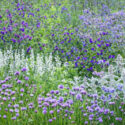
Pansy, Garden Pansy, Pansy Violet, Lady's Delight, Heart's Ease, Stepmother's Flower
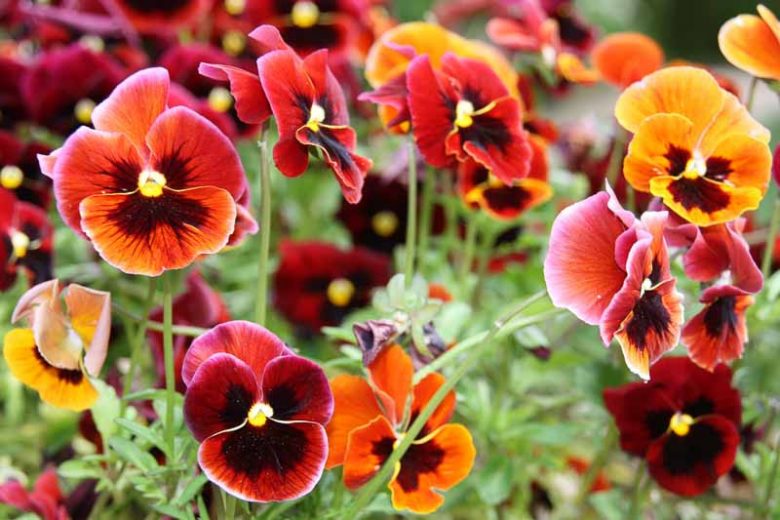
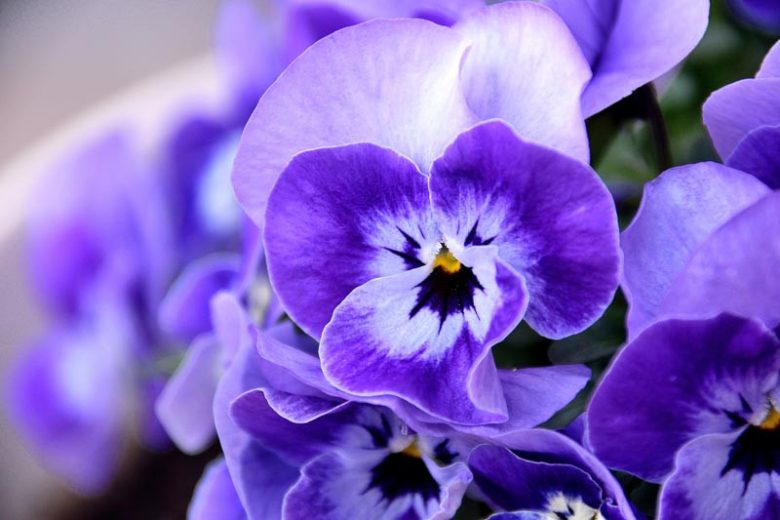
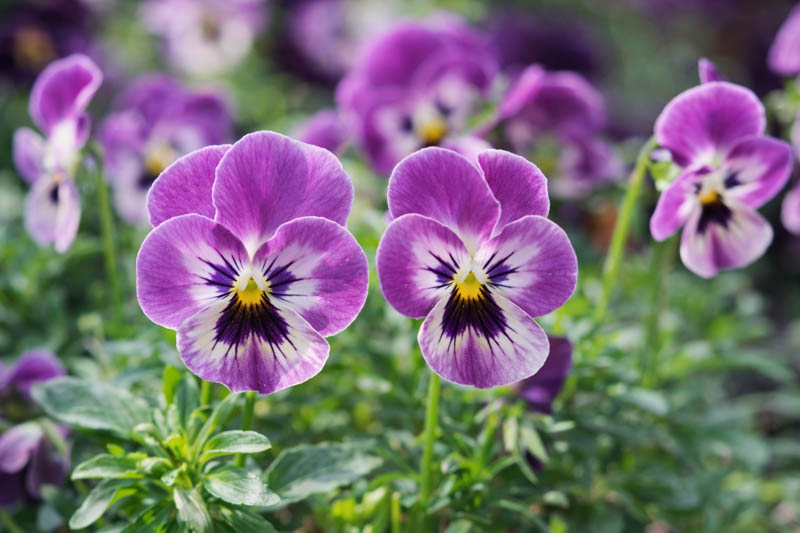
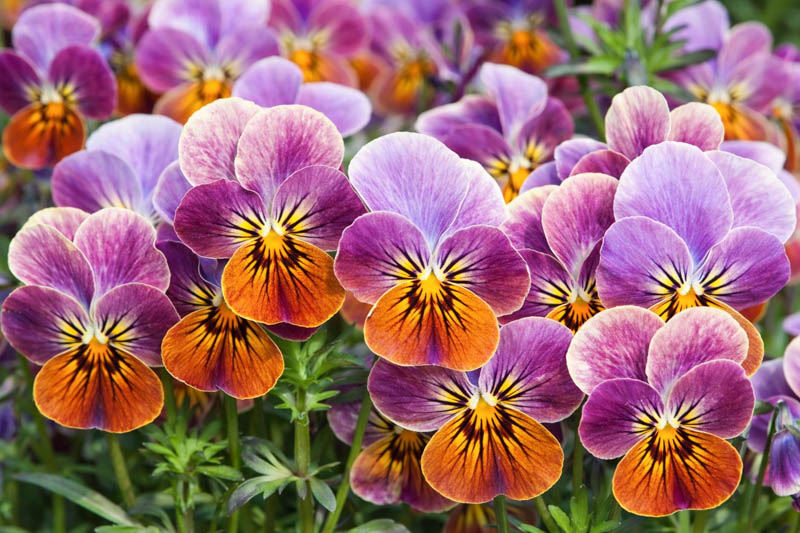


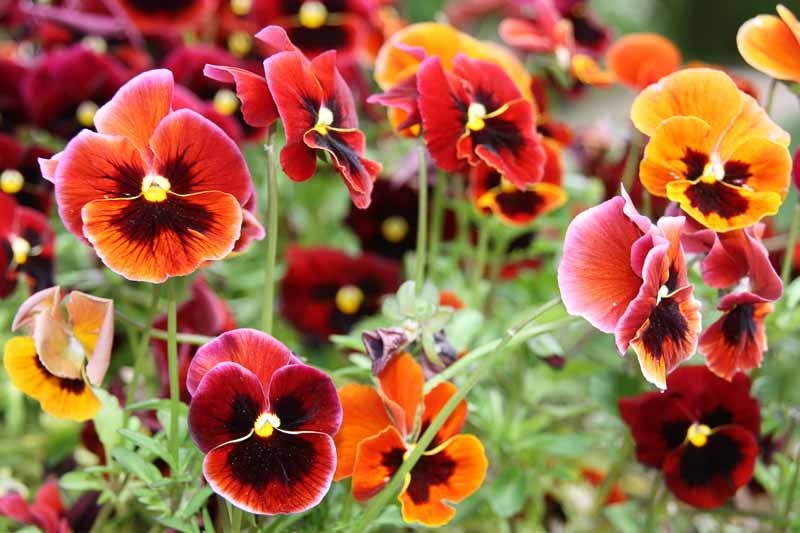
Summary: Pansy (Viola x wittrockiana) is a cool-season bedding plant with cheerful, face-like blooms in a huge range of colors. Compact, cold-tolerant, and incredibly versatile, it is perfect for beds, borders, edging, containers, window boxes, rock gardens, and winter displays.
Highlight: Flowers reliably in cool weather, often from fall to spring in mild climates. Edible flowers, pollinator-friendly, easy for beginners, and a classic choice for early color.
Note: Performs best in cool temperatures, moist but well-drained soil, regular feeding, and consistent deadheading to prolong the bloom season.
| Botanical Name | Viola x wittrockiana |
|---|---|
| Family | Violaceae |
| Common Names | Pansy, Garden Pansy, Hybrid Pansy |
| Plant Type and Habit | Biennial or short-lived perennial usually grown as a cool-season annual. Compact, mounding plants with branching stems and rounded, slightly toothed leaves. |
| Hardiness (approx. USDA) | USDA Zones 6-10. Often treated as an annual in colder regions or where summers are very hot. |
| Size | Typically 6-10 in. tall (15-25 cm) and 6-10 in. wide (15-25 cm). |
| Sun and Exposure | Full sun to partial shade. Afternoon shade is helpful in warm climates or during unexpected heat waves. |
| Soil | Moist, fertile, well-drained soil with a pH between 5.5 and 5.8. Appreciates organic matter such as compost. |
| Bloom Time | Fall, winter, and spring in mild climates; early spring to early summer in cooler regions. |
| Primary Uses | Beds, borders, edging, containers, window boxes, rock gardens, ground covers, and mixed displays with spring bulbs. |
Pansies (Viola x wittrockiana) are among the most iconic cool-season flowers, instantly recognized by their expressive, face-like blooms and rich color range. They bring life to gardens when many plants are still asleep, making them invaluable for fall, winter, and early spring displays. This guide explores pansies in detail – origin, botany, design, soil science, seasonal care, troubleshooting, and more – so you can grow them confidently and use them creatively in your garden designs.
Pansy is a hybrid plant, not a single wild species. The botanical name Viola x wittrockiana reflects its hybrid origin within the Viola genus. It belongs to the Violaceae family and is closely related to violets and Johnny-jump-ups. Through selective breeding, horticulturists have created pansies with larger flowers, broader color ranges, and improved cool-season performance compared to their wild ancestors.
In the garden, pansies are typically grown as cool-season annuals. They thrive when daytime temperatures are mild and nights are cool. In many climates, they provide reliable color when summer annuals are no longer at their best or when warm-season perennials have gone dormant.
Growth Habit: Pansies form compact, bushy clumps with branching stems. The foliage is usually oval to heart-shaped, with a soft texture and finely toothed edges. Plants stay low and tidy, which makes them ideal for edging, front-of-border planting, and container arrangements.
Size: Most pansy varieties grow about 6-10 inches (15-25 cm) tall and wide. Their manageable size and neat habit allow them to fit into small spaces, between stepping stones, or under taller plants that are not yet fully grown.
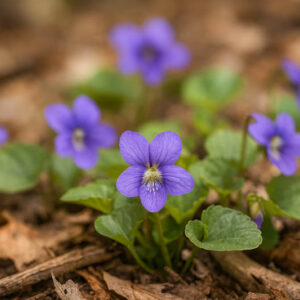
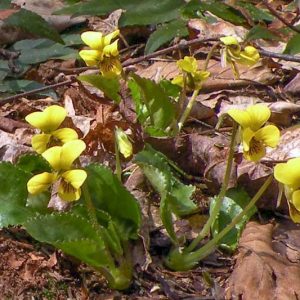
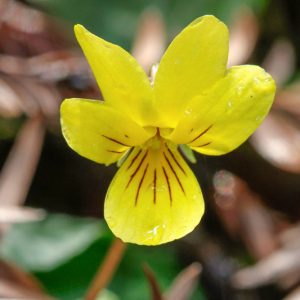
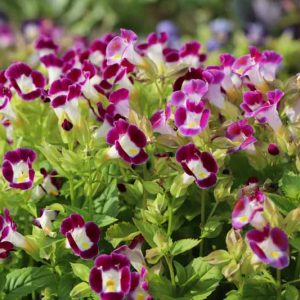
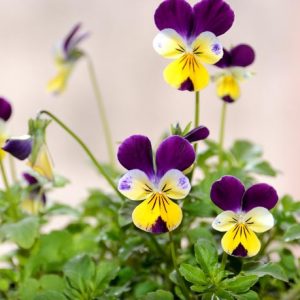
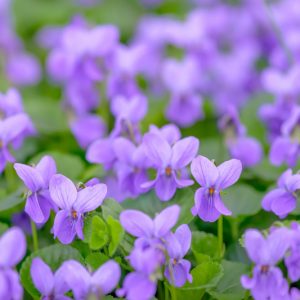
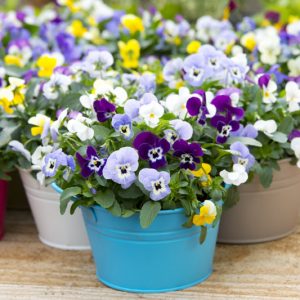
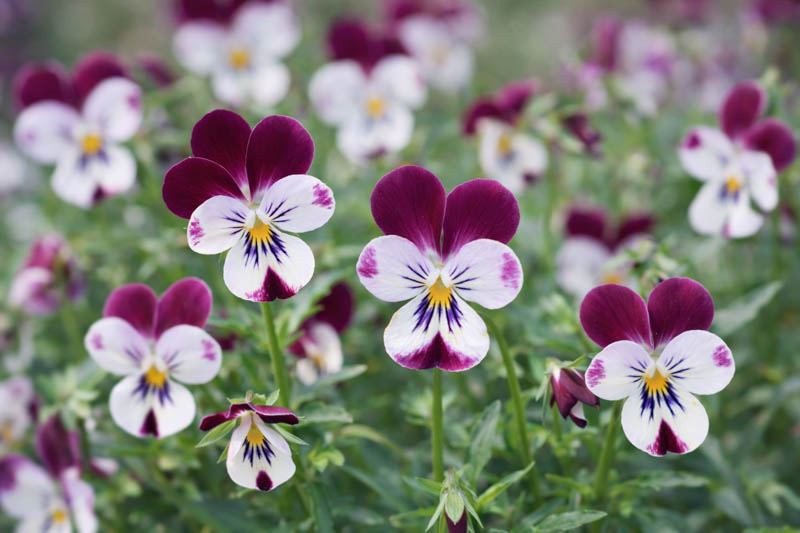
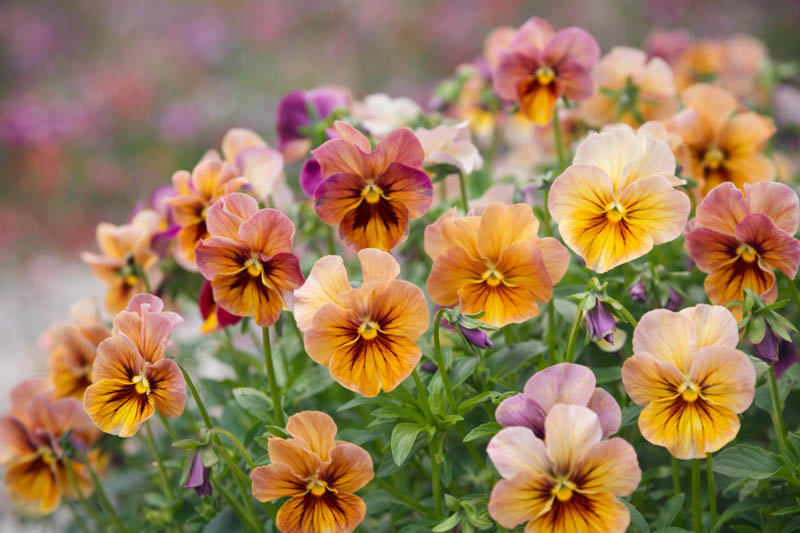
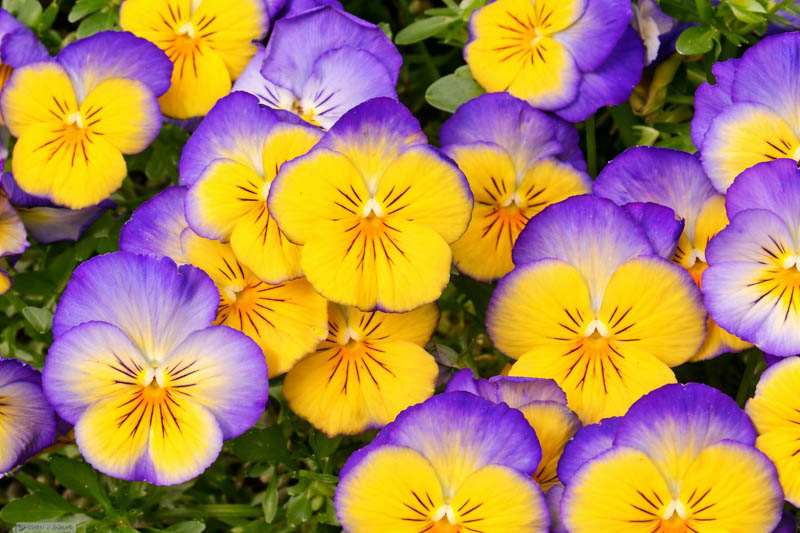
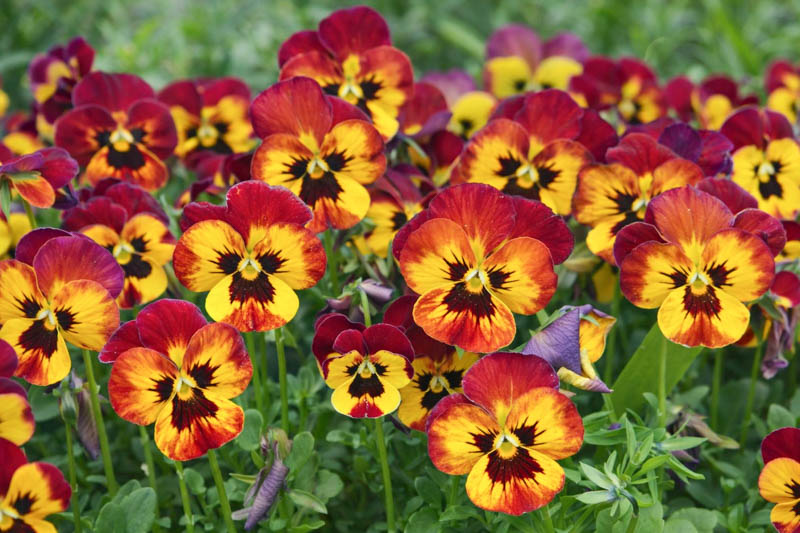
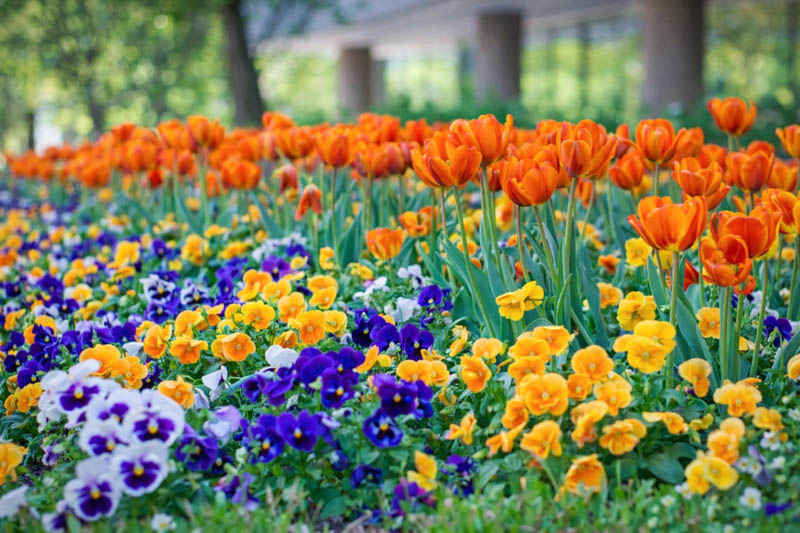
Flowers: The main attraction of pansy plants is their distinctive flowers, which are typically 1-3 inches (2-7 cm) in diameter. The blooms come in a wide range of colors, including velvety purples, deep blues, sunny yellows, glowing oranges, whites, and near-black shades, as well as bicolors and tricolors. Many cultivars display characteristic dark blotches that resemble faces, while others have clear, solid-colored petals for a more refined look.
Blooming Season: Pansies are classic cool-season bloomers. In cooler climates, they flower from early spring through early summer, then may fade as heat increases. In warmer climates, they are often planted in fall, bloom through winter, and continue into early spring before summer heat arrives. For more ideas on pairing pansies with other seasonal plants, see 30 Best Spring Flowers to Spruce up Your Garden.
Hardiness: Pansies are generally hardy in USDA zones 6-10, but are grown as annuals across a wider range. They tolerate light frost and short periods of freezing weather. In mild winters, they may stay in bloom almost continuously.
Uses: Versatility is one of the pansy’s greatest strengths. It works beautifully in flower beds, borders, containers, window boxes, hanging baskets, rock gardens, and as colorful edging or ground cover. Pansies can also be used in more formal plantings, such as carpet bedding designs, and as companions for spring-flowering bulbs.
Deer and Rabbit Resistance: While not fully immune, pansies are often less attractive to deer and rabbits than many other bedding plants. Hungry animals may still sample them, so some protection may be needed in areas with heavy browsing pressure.
Pansy flowers are special for several reasons, and these traits make them highly desirable in ornamental gardening and edible landscaping.
Extraordinary Color Range: Few cool-season plants offer such a broad spectrum of colors and patterns. Whether you prefer sophisticated monochrome plantings, soft pastel blends, or lively multicolored schemes, pansies can deliver exactly the look you want. This color diversity also makes them very popular for mixed seasonal displays, where you can echo or contrast the hues of shrubs, bulbs, and perennials.
Unique Patterns and Faces: Many pansies have distinctive “faces” – dark blotches and whisker-like markings on the petals that give each bloom an expressive look. Some cultivars feature delicate penciling, halos, or contrasting edges, while others are bred for clear, solid colors. These variations make pansies both charming and visually interesting in close-up plantings near paths, patios, and entryways.
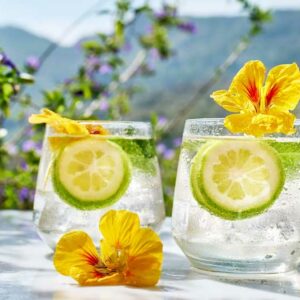
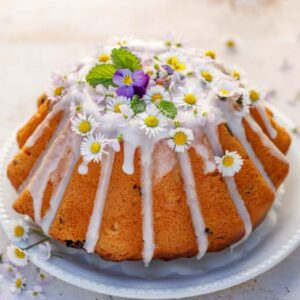
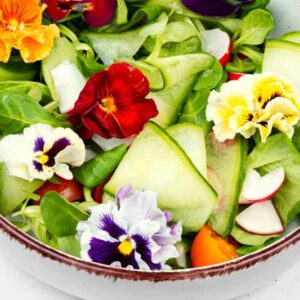
Edible Flowers: Pansy flowers are edible and have a mild, slightly sweet flavor. They are a favorite among gardeners who enjoy edible ornamentals. Petals can be used as garnishes for salads, desserts, drinks, and cakes. For more edible options, visit Edible flowers. Always ensure flowers used in the kitchen have not been treated with synthetic pesticides or systemic chemicals.
Cool-Season Blooming: One of the greatest advantages of pansies is their ability to bloom in cool weather. When many other plants are dormant or waiting for warmer temperatures, pansies step into the spotlight. This makes them essential for bridging the seasonal gap between winter and spring or between fall and winter, depending on your climate.
Pollinator-Friendly: During cooler months, nectar sources can be limited. Pansies offer a useful food source to bees and other pollinators whenever temperatures are warm enough for them to fly. In early spring containers or beds, pansies are often among the first nectar plants available.
Ease of Cultivation: Pansies are generally low-maintenance and forgiving of minor mistakes, which is ideal for beginners. With basic care – appropriate watering, decent soil, and occasional feeding – they will reward you with masses of flowers for months at a time.
Symbolism and Sentiment: Pansies have long been associated with remembrance, love, and thoughtful reflection. In the language of flowers, they can symbolize affectionate thoughts. Because of this, pansies are often used in memorial plantings, remembrance gardens, and gift containers meant to convey care and sentiment.
Pansies occupy an interesting category: botanically, many pansy types are biennials or short-lived perennials, but horticulturally they are treated as annuals in most gardens. This means they are planted for a single extended blooming season and then replaced with fresh plants for the next cool season.
In mild climates, pansies planted in fall can overwinter and bloom again in early spring, effectively behaving like short-lived perennials. However, even in these regions, gardeners often replant annually because modern hybrid pansies are bred to give their very best performance in their first year. After a season of heavy flowering, the plants may become leggy, less floriferous, or more prone to disease, so replacing them keeps displays looking fresh and full.
In colder climates, pansies are typically planted in early spring as cool-season annuals. They shine from early spring until early summer, when rising temperatures begin to stress them. At that point, they are usually removed and replaced with heat-loving summer annuals.
Pansies and violets share a genus and a family, but they have distinct characteristics that make them suitable for different garden uses. Understanding these differences helps you choose the right plant for the right spot.
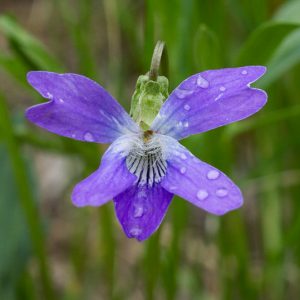
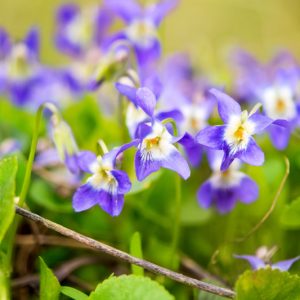
Flower Size: Pansy flowers are typically larger, ranging from 1-3 inches (2-7 cm) across. Violets generally have smaller, daintier blooms that are less than an inch wide. If you are looking for bold, showy flower faces, pansies are the stronger choice.
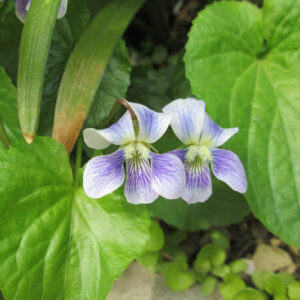
Color Range and Patterns: Pansies are known for their huge range of colors and striking patterns, especially the dark blotches that create face-like expressions. Violets are more restrained in color, often appearing in shades of purple, blue, white, or yellow, and usually without the pronounced blotches or faces found in pansies.
Fragrance: Many violets, especially species like Viola odorata, are prized for their sweet fragrance. Pansies, by contrast, tend to have a mild scent or no noticeable fragrance at all. If fragrance is a top priority, violets may be the better option.
Light Requirements: Violets often thrive in partial to full shade and are commonly found in woodland or shaded garden settings. Pansies prefer full sun to partial shade, especially during cooler months, although they do appreciate some afternoon shade in warm climates. This makes pansies ideal for open beds and sunny containers, while violets are more useful for shady groundcovers.
Growth Habit: Pansies usually remain compact and mounding, making them perfect for neat borders and formal plantings. Violets can have a more spreading habit, and some species colonize areas through self-seeding or underground rhizomes. This makes violets useful in naturalized plantings and woodland gardens.
Classification: Pansies are hybrids, primarily derived from crosses involving Viola tricolor and other species. Violets, on the other hand, are naturally occurring species or varieties. This difference in origin is reflected in their variety of appearances and growth habits.
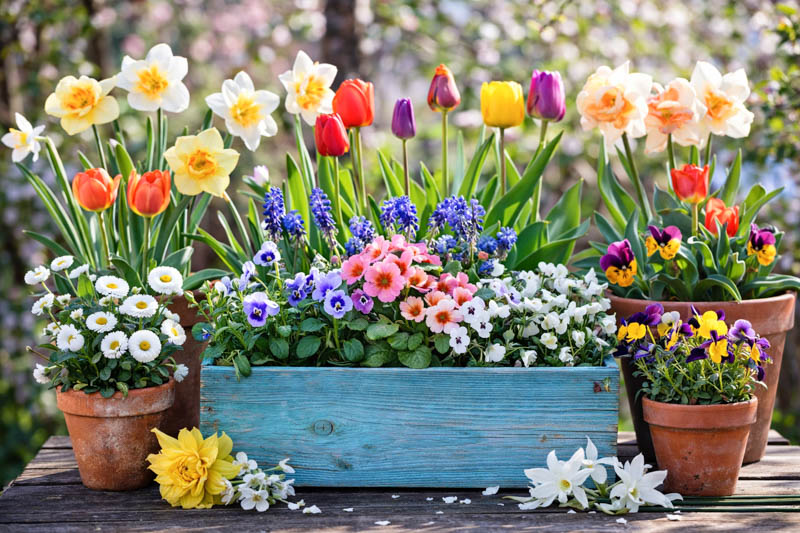
Pansy flowers are exceptionally versatile and can be used in a wide range of garden design styles, from cottage and informal plantings to more structured, formal layouts. Their compact growth, long bloom season, and intense colors make them a designer’s dream for cool-season interest.
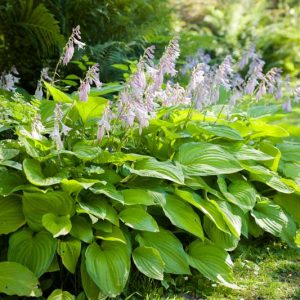
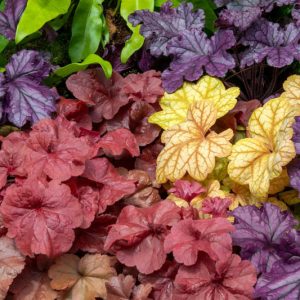
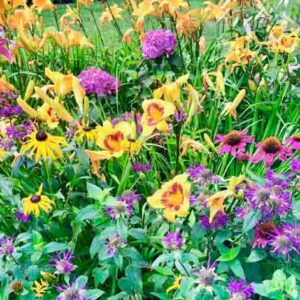
In beds and borders, pansies are best planted in drifts or clusters to create strong blocks of color. For classic cool-season combinations, pair pansies with other hardy bedding plants such as snapdragons, primroses, and calendula. In partially shaded borders, combine them with foliage-rich perennials like hostas, ferns, and coral bells for contrast in texture and height. For more layout ideas, see flower beds and borders.
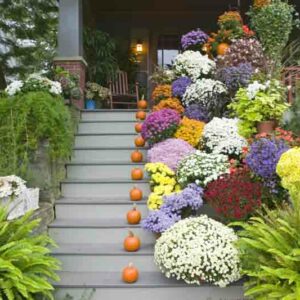
Pansies are outstanding in pots, troughs, and window boxes. Their neat habit and long flowering period make them ideal for front doors, patios, balconies, and small urban spaces. They look excellent when combined with ornamental kale, ivy, and trailing lobelia. For inspiration, consider patio and container ideas.
Pansies make charming edging plants. Like a colorful ribbon, they can line the fronts of beds, pathways, and driveways. Our edging ideas show how to integrate low-growing plants such as pansies along walkways for visual definition and seasonal interest.
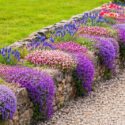
In rock and gravel gardens, the mounding habit of pansies allows them to settle in among rocks and stones, adding pops of color to an otherwise muted palette. They are particularly effective in cool seasons when many rock garden perennials are still emerging. Explore more at gravel and rock garden ideas.
When planted en masse, pansies can act as seasonal ground covers, especially in areas beneath deciduous trees or in front of evergreen shrubs. A dense planting helps suppress weeds while delivering a carpet of color. For further reference, see ground covers.
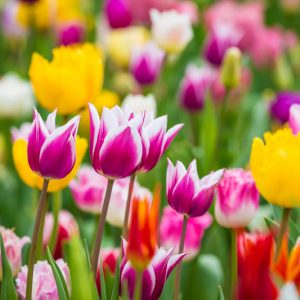
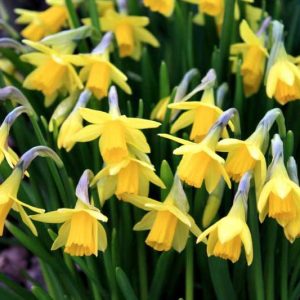
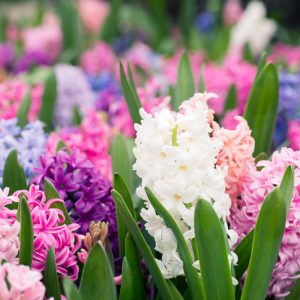
Pansies are classic companions to spring-flowering bulbs. Plant them alongside or over the top of flower bulbs such as tulips, daffodils, and hyacinths. As bulb foliage emerges and flowers open, pansies fill in the spaces between stems, creating rich, layered displays.
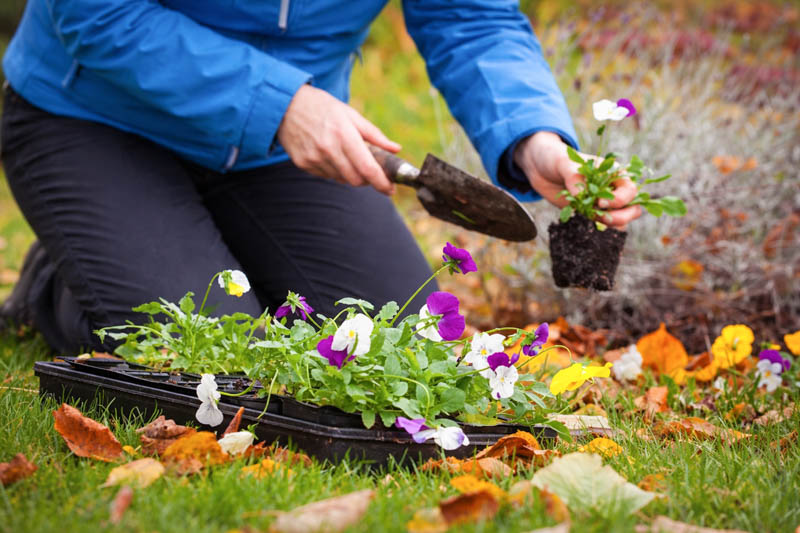
Pansies prefer fertile, well-draining soil that is rich in organic matter. A slightly acidic pH between 5.5 and 5.8 is ideal. Incorporating compost or well-rotted manure before planting helps improve both nutrient content and soil structure. Heavy clay soils benefit from the addition of organic matter and possibly grit or coarse sand to improve drainage, while very sandy soils appreciate extra compost to boost their ability to hold moisture and nutrients.
Pansies perform best in full sun to partial shade. In cooler climates or during the cooler parts of the year, full sun helps them produce abundant blooms and sturdy growth. In warmer regions or during unseasonably warm spells, some afternoon shade can prevent flower scorch and stress, helping plants bloom longer into the season.
Pansies prefer evenly moist soil. They do not enjoy drought, but they also dislike having their roots sit in waterlogged conditions. A good rule is to keep the soil lightly moist, allowing the top layer to dry slightly between waterings. Containers will dry out more quickly than garden beds, especially on sunny or windy days, so check them frequently.
Water early in the day so that foliage has time to dry before evening, as this can reduce the risk of fungal diseases. Avoid overhead watering whenever possible – watering at the soil level is kinder to the leaves and flowers.
Although pansies are not especially demanding, they respond well to regular, balanced feeding. At planting time, mix a slow-release fertilizer into the soil to provide a steady supply of nutrients. During the active growing and blooming period, supplement with a balanced, water-soluble fertilizer every 2-4 weeks. Avoid excessive nitrogen, which can encourage lush foliage at the expense of flowers.
Deadheading – the removal of spent flowers – is essential for keeping pansies blooming heavily. If flowers are allowed to set seed, the plants may slow down or stop producing new blooms. Pinch or snip off faded flowers, including the seed capsule at the back of the bloom. This simple task can dramatically extend the show.
Over time, older pansy plants may become a bit leggy. Light trimming of long stems can help them stay compact and encourage new growth. A light application of fertilizer after trimming often results in a fresh flush of flowers.
A thin layer of organic mulch around pansy plants helps moderate soil temperature, conserve moisture, and reduce weed growth. In winter, mulch provides some insulation for the root zone. In warmer spells, it keeps roots cooler and more comfortable.
Pansies tolerate light frosts and even short periods of freezing weather, but prolonged cold or extreme temperature swings can damage foliage and flowers. In regions with cold winters, using a frost cloth or row cover on very cold nights can protect plants and keep them blooming longer.
Like all garden plants, pansies can occasionally suffer from pests and diseases. With good cultural practices and timely action, most issues can be prevented or managed effectively.
Aphids: These small, soft-bodied insects cluster on new growth and flower buds, sucking plant sap and potentially transmitting viruses. A strong spray of water, insecticidal soap, or horticultural oil can help control them. Learn more about managing aphids at how to get rid of aphids.
Slugs and snails: Slugs and snails are especially fond of young pansy plants and can quickly chew large holes in leaves and flowers. Cultural controls include removing hiding places, using copper barriers, and hand-picking at night. For additional tips, consult how to get rid of slugs and how to get rid of snails.
Powdery mildew: This fungal disease appears as a white, powdery coating on leaves and stems. It is more common in crowded, poorly ventilated plantings. Improve spacing, increase air movement, and avoid overhead watering.
Root rot: Often caused by overly wet soil and poor drainage, root rot leads to wilting, yellowing leaves, and plant collapse. Good drainage and careful watering are the best prevention. If plants are severely affected, it is often best to remove them and improve soil conditions before replanting. More on this issue can be found at root rot.
Botrytis and Leaf spot: Humid, cool conditions can also encourage gray mold (Botrytis) and various leaf spot diseases. Remove affected leaves, avoid wetting foliage, and thin plants to improve airflow.
Pansies stop blooming: When temperatures climb above about 75°F (24°C), pansies may slow or stop blooming. Providing afternoon shade, mulching the root zone, and consistent moisture can extend flowering, but in many climates, this natural pause signals the end of their cool-season performance.
Yellowing leaves: This can be a sign of overwatering, poor drainage, nutrient deficiency, or root problems. Check soil moisture first. If soil is waterlogged, improve drainage and reduce watering. If roots are healthy but leaves are pale, a balanced fertilizer may help.
Leggy growth: Pansies grown in too much shade or excessive warmth may become tall and floppy with fewer flowers. Move containers to a brighter location if possible, or trim back and provide more light.
Small or shrinking flowers: Heat stress, nutrient deficiencies, or water stress can all cause pansy flowers to become smaller and less showy. Improving watering consistency and feeding lightly with a bloom-boosting fertilizer often helps.
The pansy market includes many named series, each with particular strengths such as extra large blooms, improved winter hardiness, or compact habit. While specific names change over time, several general categories can help guide your selection:
In cool climates: Sow or purchase pansy plants in late winter for early spring planting. They will bloom from early spring into early summer, after which heat may cause them to decline. Use this window to plan transitions to summer annuals.
In mild or warm climates: Plant pansies in fall as soon as temperatures cool. They will root in, settle, and then bloom through winter and into spring. In some regions, they may continue right up until early summer if temperatures remain moderate.
General seasonal care:
In mild climates, pansies can bloom right through winter, especially when daytime temperatures are cool but not extreme. During cold snaps, flowers may pause, but plants generally recover as temperatures rise again. Providing some protection during severe freezes helps maintain continuous color.
Yes. Pansy flowers are edible and have a mild flavor, making them popular for decorating cakes, salads, and drinks. Only eat flowers that have been grown without synthetic pesticides or systemic chemicals. Always double-check plant identification and ensure they are clean before using them in the kitchen.
Pansies prefer full sun to partial shade. In cool seasons, full sun promotes heavy flowering. In warm climates or during unexpectedly warm spells, providing afternoon shade helps protect flowers and extend the bloom period.
The most common reason pansies stop flowering is heat. When temperatures climb too high, pansies naturally slow down. Lack of deadheading, nutrient imbalances, and water stress can also reduce bloom. Keeping plants cool, evenly moist, and regularly deadheaded will help sustain flowering as long as conditions remain favorable.
Absolutely. Pansies are an excellent choice for new gardeners. They are forgiving, readily available, and provide fast, rewarding results with basic care. Learning to plant and maintain pansies is a gentle introduction to understanding soil, watering, and seasonal garden planning.
University Extension Programs (Oklahoma State, UCANR, LSU) – Pansy growing recommendations
Updated: December 2025 • Reviewed by Gardenia Editors
| Hardiness |
6 - 10 |
|---|---|
| Heat Zones |
1 - 9 |
| Climate Zones | 1, 1A, 1B, 2, 2A, 2B, 3, 3A, 3B, 4, 5, 6, 7, 8, 9, 10, 11, 12, 13, 14, 15, 16, 17, 18, 19, 20, 21, 22, 23, 24, A1, A2, A3, H1, H2 |
| Plant Type | Perennials |
| Plant Family | Violaceae |
| Genus | Viola |
| Common names | Pansy |
| Exposure | Full Sun, Partial Sun |
| Season of Interest | Spring (Early, Mid, Late), Fall, Winter |
| Height | 6" - 10" (15cm - 25cm) |
| Spread | 10" - 1' (25cm - 30cm) |
| Spacing | 10" - 12" (25cm - 30cm) |
| Maintenance | Average |
| Water Needs | Average |
| Soil Type | Clay, Loam, Sand |
| Soil pH | Acid, Alkaline, Neutral |
| Soil Drainage | Moist but Well-Drained |
| Characteristics | Fragrant, Showy, Evergreen |
| Tolerances | Deer, Heat, Poor Soil, Humidity, Erosion |
| Garden Uses | Beds And Borders, Edging, Patio And Containers, Underplanting Roses And Shrubs |
| Garden Styles | City and Courtyard, Informal and Cottage, Traditional Garden |
| Toxic to Humans | No known toxicity |
| Toxic to Cats | No known toxicity |
| Toxic to Dogs | No known toxicity |
| Toxic to Horses | No known toxicity |


| Hardiness |
6 - 10 |
|---|---|
| Heat Zones |
1 - 9 |
| Climate Zones | 1, 1A, 1B, 2, 2A, 2B, 3, 3A, 3B, 4, 5, 6, 7, 8, 9, 10, 11, 12, 13, 14, 15, 16, 17, 18, 19, 20, 21, 22, 23, 24, A1, A2, A3, H1, H2 |
| Plant Type | Perennials |
| Plant Family | Violaceae |
| Genus | Viola |
| Common names | Pansy |
| Exposure | Full Sun, Partial Sun |
| Season of Interest | Spring (Early, Mid, Late), Fall, Winter |
| Height | 6" - 10" (15cm - 25cm) |
| Spread | 10" - 1' (25cm - 30cm) |
| Spacing | 10" - 12" (25cm - 30cm) |
| Maintenance | Average |
| Water Needs | Average |
| Soil Type | Clay, Loam, Sand |
| Soil pH | Acid, Alkaline, Neutral |
| Soil Drainage | Moist but Well-Drained |
| Characteristics | Fragrant, Showy, Evergreen |
| Tolerances | Deer, Heat, Poor Soil, Humidity, Erosion |
| Garden Uses | Beds And Borders, Edging, Patio And Containers, Underplanting Roses And Shrubs |
| Garden Styles | City and Courtyard, Informal and Cottage, Traditional Garden |
| Toxic to Humans | No known toxicity |
| Toxic to Cats | No known toxicity |
| Toxic to Dogs | No known toxicity |
| Toxic to Horses | No known toxicity |
How many Viola x wittrockiana (Pansy) do I need for my garden?
| Plant | Quantity | |
|---|---|---|
| Viola x wittrockiana (Pansy) | N/A | Buy Plants |
Create a membership account to save your garden designs and to view them on any device.
Becoming a contributing member of Gardenia is easy and can be done in just a few minutes. If you provide us with your name, email address and the payment of a modest $25 annual membership fee, you will become a full member, enabling you to design and save up to 25 of your garden design ideas.
Join now and start creating your dream garden!
Create a membership account to save your garden designs and to view them on any device.
Becoming a contributing member of Gardenia is easy and can be done in just a few minutes. If you provide us with your name, email address and the payment of a modest $25 annual membership fee, you will become a full member, enabling you to design and save up to 25 of your garden design ideas.
Join now and start creating your dream garden!