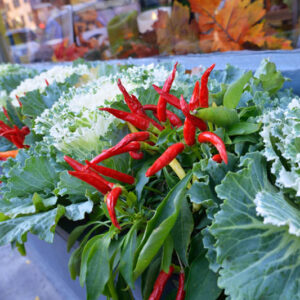
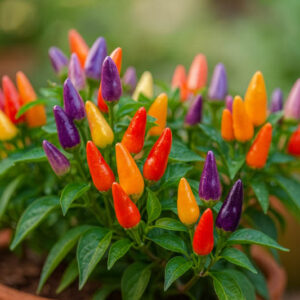
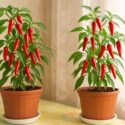
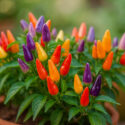
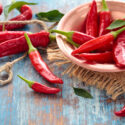
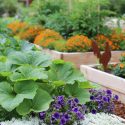
Turn beds and containers into art with edible ornamentals—peppers that dazzle and deliver. Think Bolivian Rainbow fireworks, inky Black Pearl drama, fish-scale variegation, and candy-bright bells. Plant for sun, stagger colors, and harvest beauty and heat all season. Design first, dine later; your garden just became a showpiece this year.
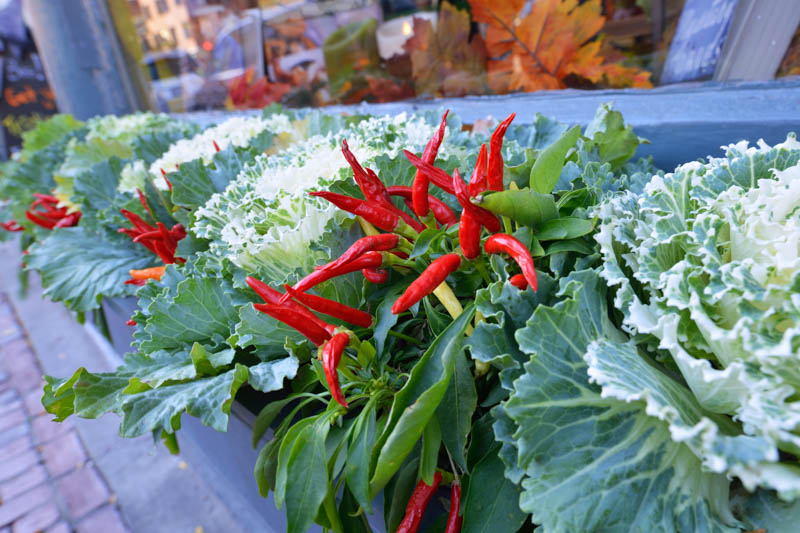
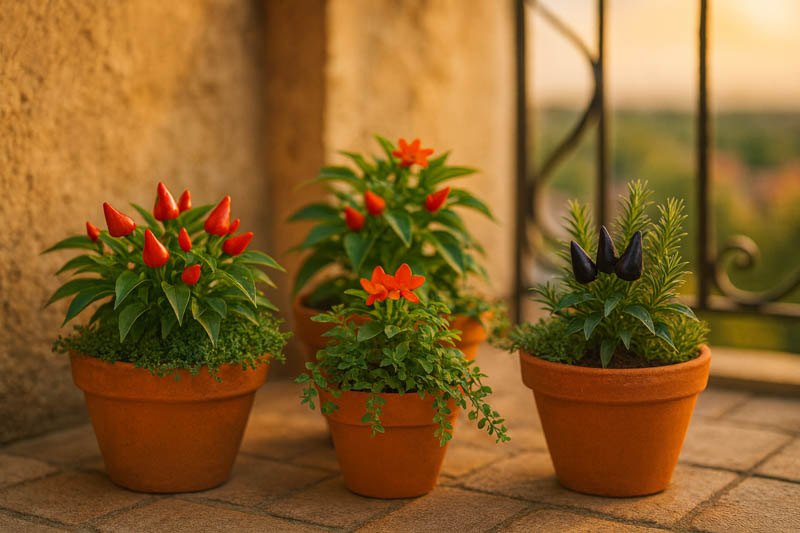
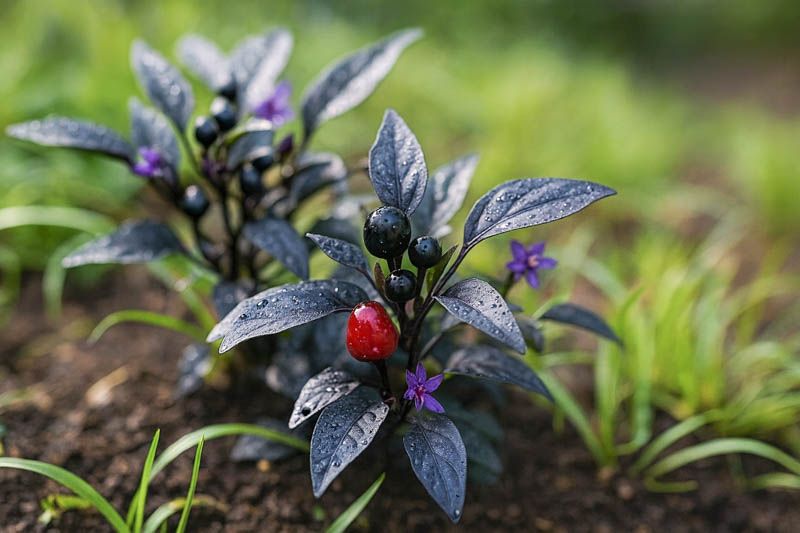
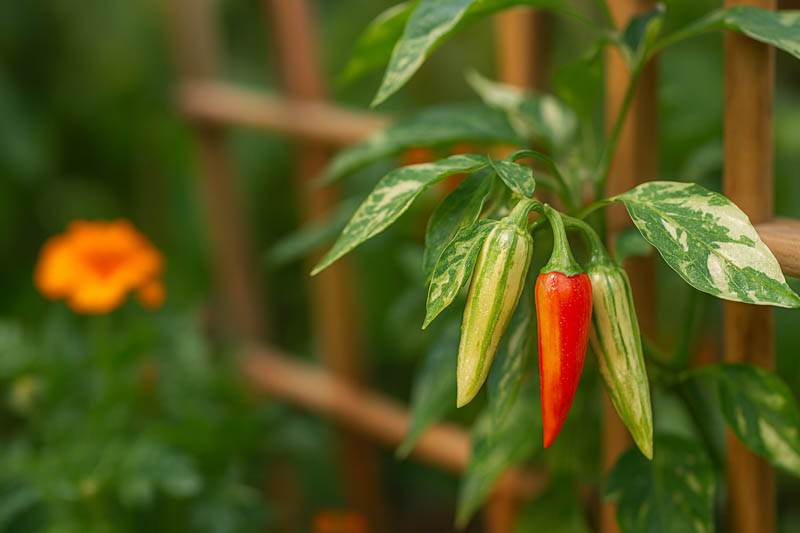
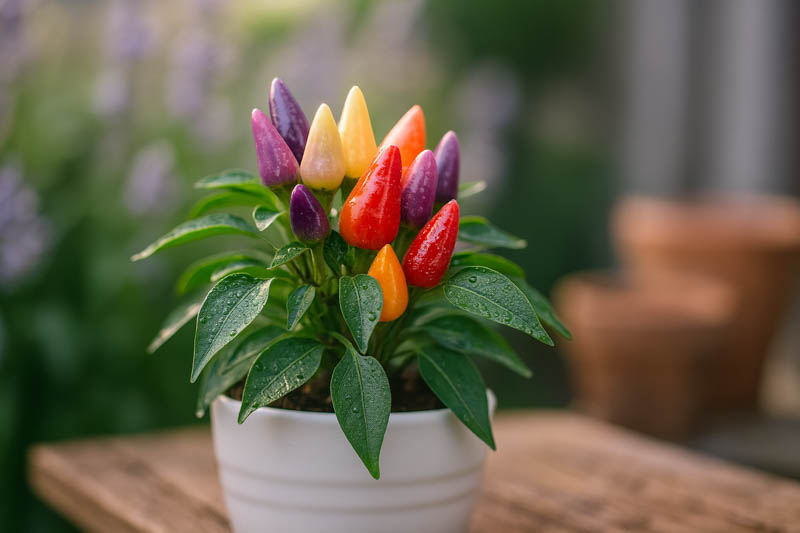
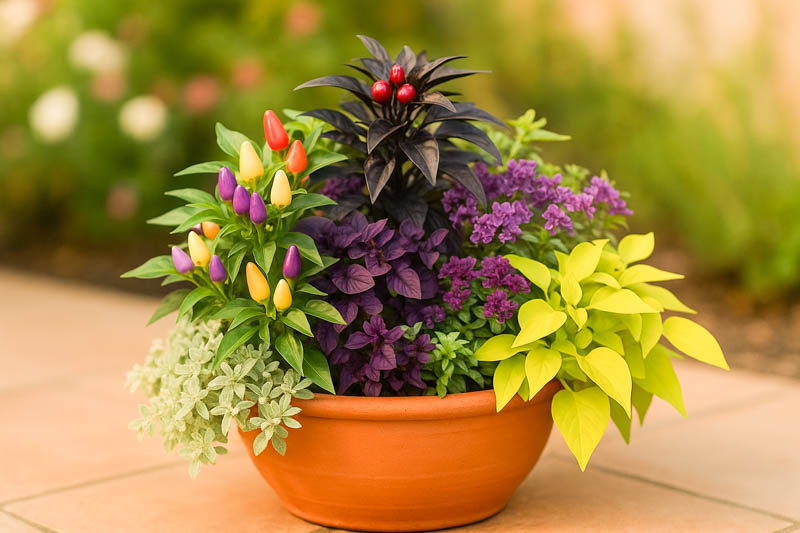
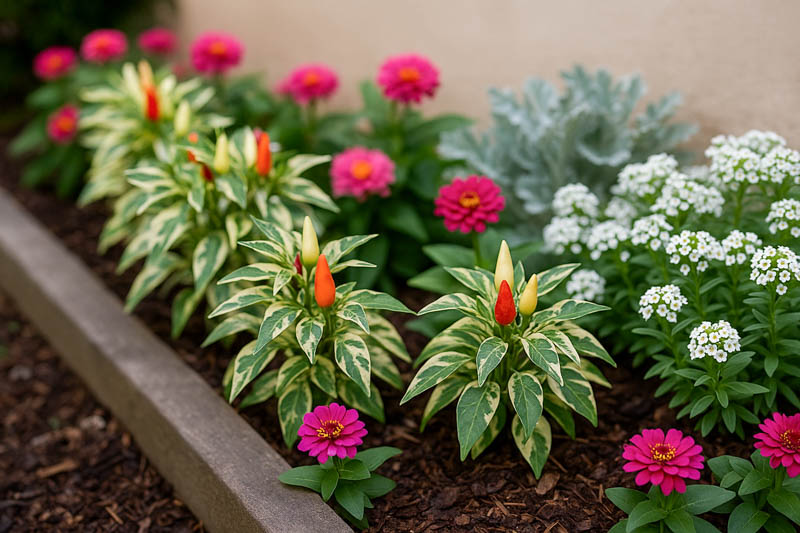
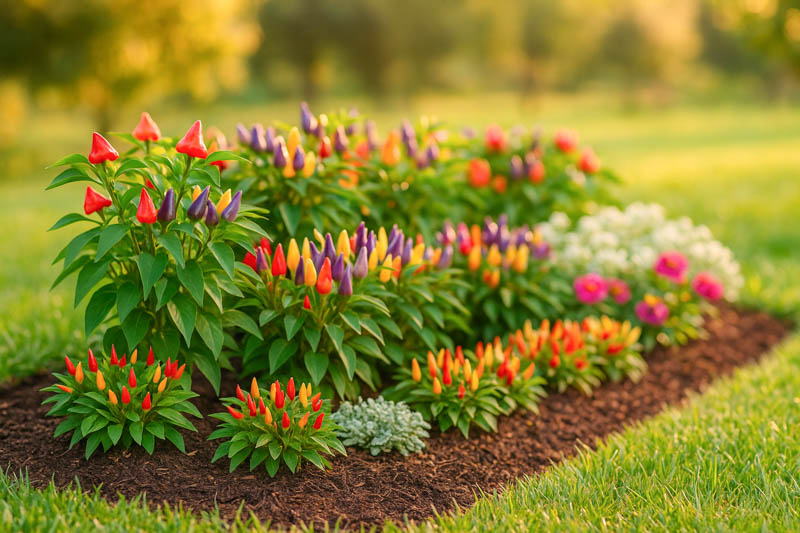


Peppers are the show-offs of the edible garden. They ripen through rainbows of color, flaunt glossy fruit, and—unlike many ornamentals—pay rent in the kitchen. With the right varieties and a few design tricks, you can turn borders, patio pots, and front-yard beds into eye-catching displays that also produce great food. This guide covers the best edible ornamental peppers, how to design with them, and how to grow them so they shine from planting to plate.
Nonstop color. Many peppers pass through three to five colors as they ripen—ivory to lemon to tangerine to fire-engine red—and some ripen purple or ebony first.
Compact habit. Dozens of cultivars stay tidy (8–18 in / 20–45 cm), ideal for containers, edging, and small spaces.
Decorative foliage. Variegated, purple-black, or glossy green leaves add interest even before fruits set.
Culinary range. From no-heat snackers to scorchers; crisp salads to fermented hot sauces.
Season length. In warm climates, peppers are short-lived perennials; elsewhere, they’re long annuals happy to color the garden from midsummer to frost.
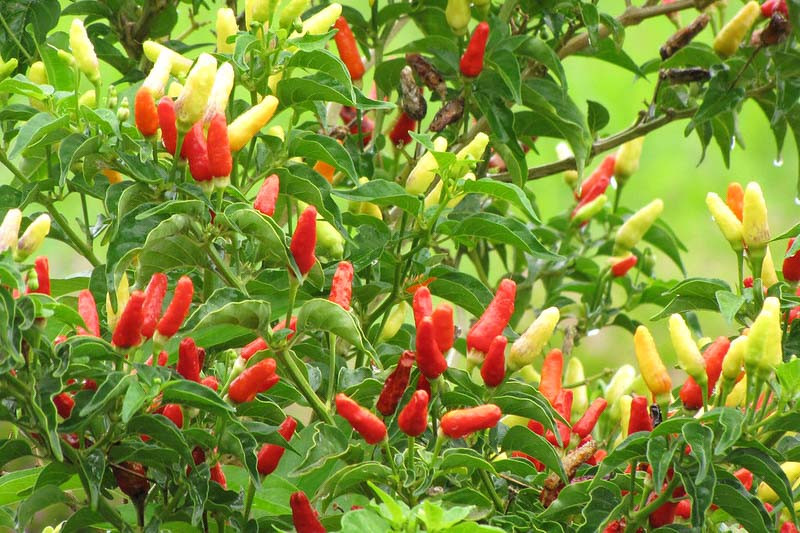
Most ornamental peppers are Capsicum annuum (same species as many culinary types) and are technically edible. Two cautions:
If children or pets share your garden, consider no-heat or low-heat ornamentals (there are good ones—see below).
Below are proven varieties you can source as seed or starts. Heat levels are approximate; growing conditions and ripeness affect heat.
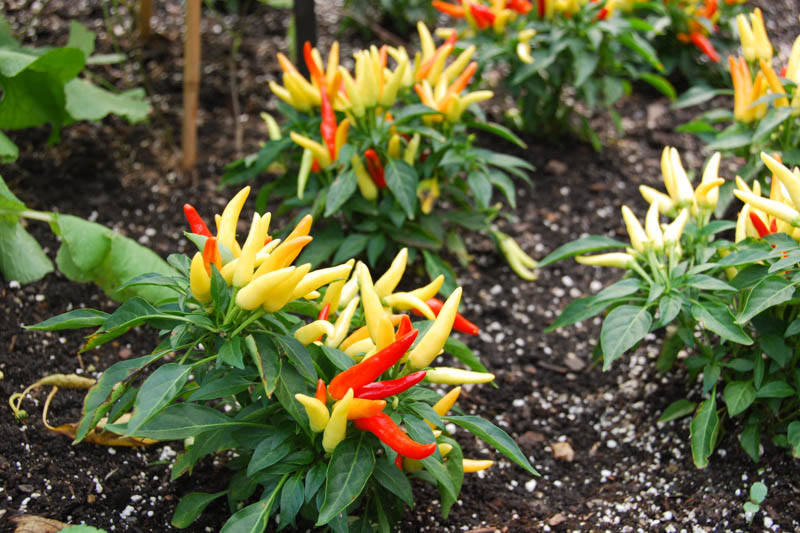
Bolivian Rainbow Pepper
Black Pearl Pepper
Fish Pepper
Chili Chili Pepper
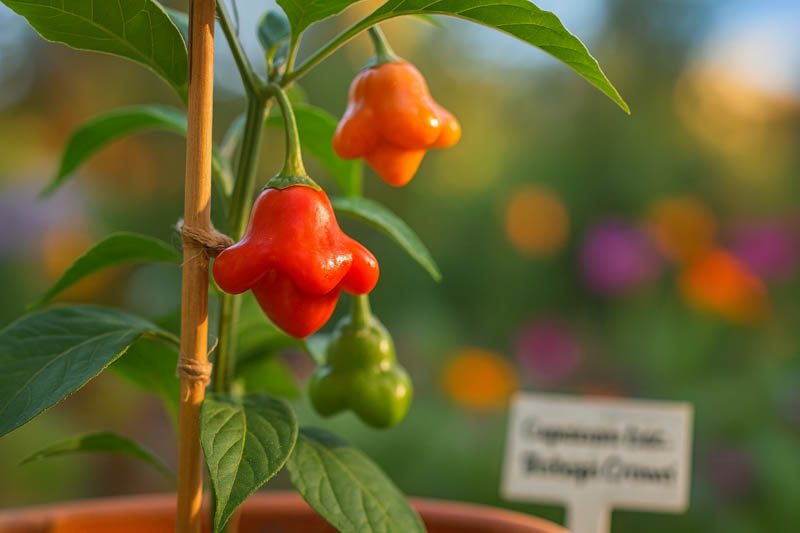
Bishop’s Crown Pepper
Peppers want sun (more on culture below), so aim these designs at 6–8+ hours of direct light. Think of them as you would annual bedding plants with a culinary bonus.
Light
Aim for full sun—8+ hours is ideal. In intense heat, light afternoon shade can limit sunscald on fruit.
Soil
Well-drained, fertile loam with pH 6.2–7.0. In containers, use a high-quality potting mix (not garden soil).
Fertility
Peppers sulk with too much nitrogen (all leaves, few flowers).
Water
Even moisture is key to flower set and fruit quality.
Spacing & support
Compact ornamentals: 10–14″ (25–35 cm). Taller types: 18–24″ (45–60 cm). Short stakes or a ring support prevent storm flop in fruit-heavy plants.
Starting & transplanting
Pruning & shaping
Overwintering (if you fall in love)
Blossom drop: High heat (>95°F/35°C), cold nights, or low humidity. Provide afternoon shade, mulch, and steady watering; avoid over-fertilizing with nitrogen.
Sunscald: White, papery patches on fruit. Maintain leaf cover; avoid stripping leaves during pruning.
Aphids & Spider Mites: Rinse with water; bring in beneficials by interplanting alyssum and marigolds; spot-treat with insecticidal soap or neem oil (evenings, not in direct sun).
Pepper maggot/borers (regional): Harvest promptly; remove any fruit with punctures; use fine mesh where pressure is high.
Nutrient issues: Pale leaves may signal nitrogen or magnesium deficiency; correct with a balanced feed, and use Epsom salts only if a true magnesium issue is confirmed.
Off flavors or bitterness: Let fruit fully color; many ornamentals taste best at final color. Consistent watering improves sweetness and reduces harsh notes.
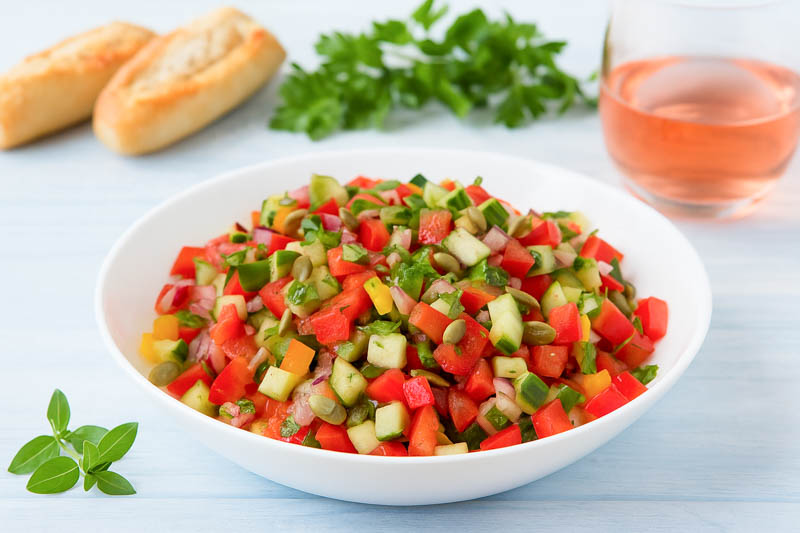
Pick at stage for purpose
Great ways to use them
Handling heat safely
Wear gloves with hot types, keep hands away from eyes, and clean cutting boards well. Dairy calms a capsaicin burn; water won’t help.
Purple/black foliage is driven by anthocyanins and sunlight. Give these cultivars maximum light; cool nights intensify pigment.
Multi-color fruit displays peak when you harvest gradually—leave some fruit at each stage so the plant shows multiple colors simultaneously.
Glossy leaves & compact growth come from bright light and modest feeding—not from pushing nitrogen.
Open-pollinated heirlooms like ‘Fish’, ‘Chinese Five-Color’, and ‘Bolivian Rainbow’ will grow true if isolated from other peppers by distance or physical barriers (insects cross-pollinate easily). Cross-pollination does not change the flavor of the current fruit; it affects next year’s plants grown from those seeds.
If you grow many peppers in tight quarters and want reliable repeats, buy fresh seed or separate your seed plants.
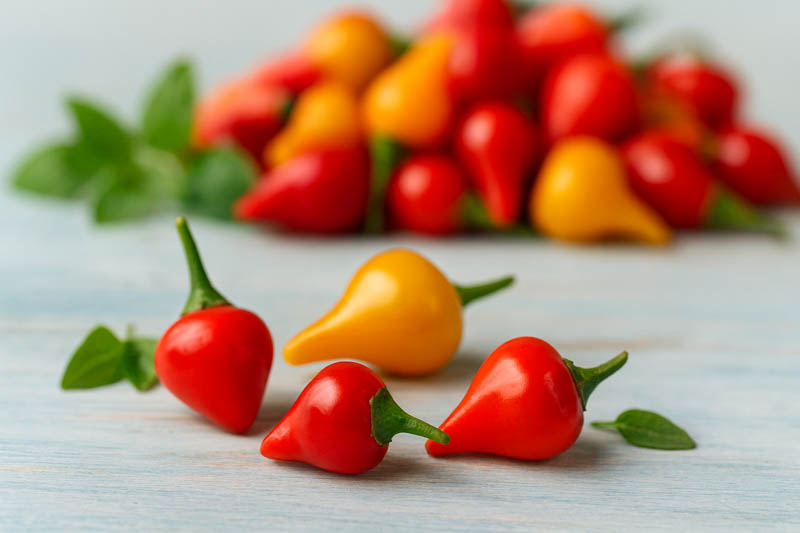
Biquinho Pepper
Edible ornamentals let you design first, then dine. Pick a color story (moody blacks, citrus brights, or variegated cools), match it to your sunniest spots, and choose cultivars that fit your heat tolerance and cooking style. Grow them like the show plants they are—steady water, modest feeding, strong light—and they’ll reward you with months of garden color and a pantry full of peppers.
Whether you’re edging a path with ‘Chilly Chili’, staging a patio jewel box with ‘Black Pearl’, or stringing a ristra of mixed ‘Chinese Five-Color’, you’ll get the best of both worlds: a garden that stops people in their tracks and a kitchen that never lacks for flavor.
| Hardiness |
9 - 12 |
|---|---|
| Plant Type | Annuals, Perennials |
| Plant Family | Solanaceae |
| Genus | Capsicum |
| Exposure | Full Sun |
| Season of Interest | Spring (Late), Summer (Early, Mid, Late) |
| Height | 1' - 5' (30cm - 150cm) |
| Spread | 1' - 2' (30cm - 60cm) |
| Maintenance | Low |
| Water Needs | Average |
| Soil Type | Loam, Sand |
| Soil pH | Acid, Neutral |
| Soil Drainage | Moist but Well-Drained, Well-Drained |
| Characteristics | Showy |
| Tolerances | Deer, Drought |
| Attracts | Birds |
| Landscaping Ideas | Beds And Borders, Patio And Containers |
| Garden Styles | Informal and Cottage, Mediterranean Garden |
| Toxic to Humans | No known toxicity |
| Toxic to Cats | No known toxicity |
| Toxic to Dogs | No known toxicity |
| Toxic to Horses | No known toxicity |
| Hardiness |
9 - 12 |
|---|---|
| Plant Type | Annuals, Perennials |
| Plant Family | Solanaceae |
| Genus | Capsicum |
| Exposure | Full Sun |
| Season of Interest | Spring (Late), Summer (Early, Mid, Late) |
| Height | 1' - 5' (30cm - 150cm) |
| Spread | 1' - 2' (30cm - 60cm) |
| Maintenance | Low |
| Water Needs | Average |
| Soil Type | Loam, Sand |
| Soil pH | Acid, Neutral |
| Soil Drainage | Moist but Well-Drained, Well-Drained |
| Characteristics | Showy |
| Tolerances | Deer, Drought |
| Attracts | Birds |
| Landscaping Ideas | Beds And Borders, Patio And Containers |
| Garden Styles | Informal and Cottage, Mediterranean Garden |
| Toxic to Humans | No known toxicity |
| Toxic to Cats | No known toxicity |
| Toxic to Dogs | No known toxicity |
| Toxic to Horses | No known toxicity |
Create a membership account to save your garden designs and to view them on any device.
Becoming a contributing member of Gardenia is easy and can be done in just a few minutes. If you provide us with your name, email address and the payment of a modest $25 annual membership fee, you will become a full member, enabling you to design and save up to 25 of your garden design ideas.
Join now and start creating your dream garden!
Create a membership account to save your garden designs and to view them on any device.
Becoming a contributing member of Gardenia is easy and can be done in just a few minutes. If you provide us with your name, email address and the payment of a modest $25 annual membership fee, you will become a full member, enabling you to design and save up to 25 of your garden design ideas.
Join now and start creating your dream garden!