Blue Hill Wood Sage, Blue Hill Meadow Sage, Meadow Sage ‘Blue Hill’, Wood Sage ‘Blue Hill’, Hybrid Sage ‘Blue Hill’, Salvia Blue Hill, Salvia ‘Blauhugel’, Salvia nemorosa 'Blauhugel', Salvia nemorosa Blue Mound

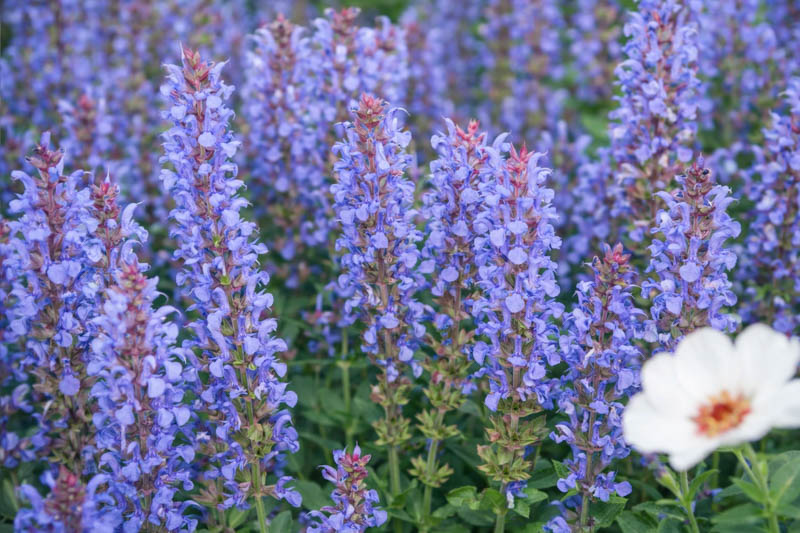
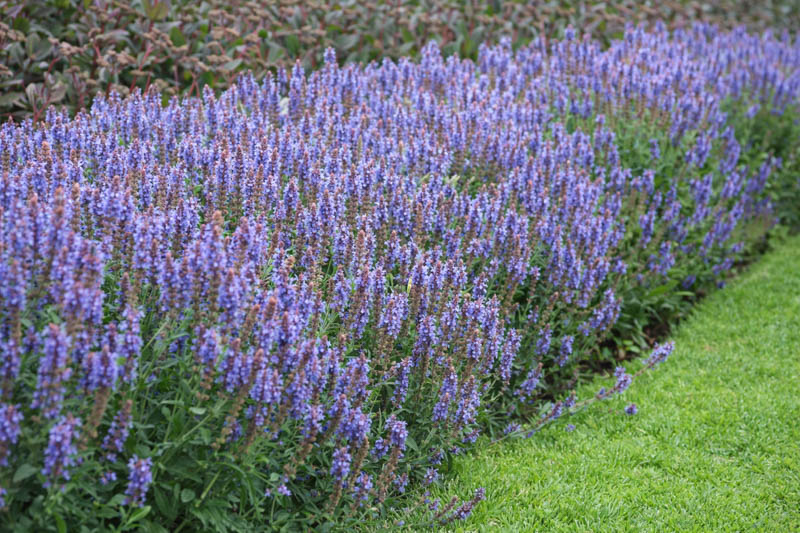
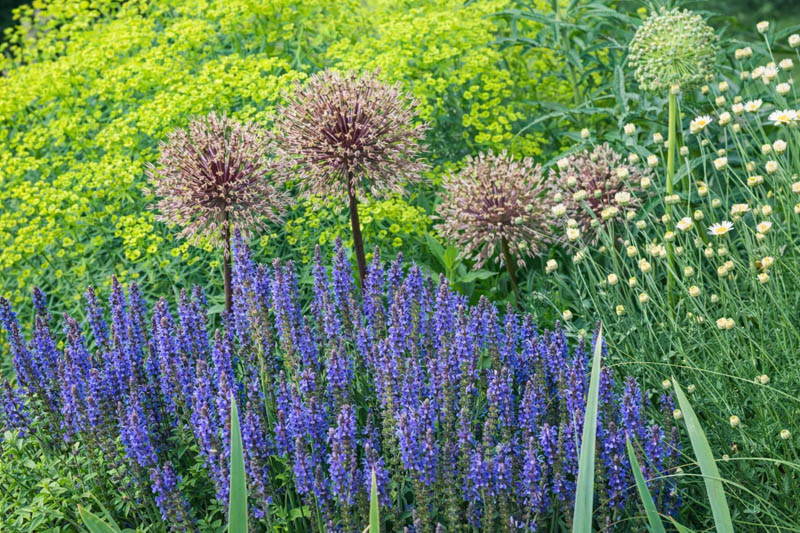


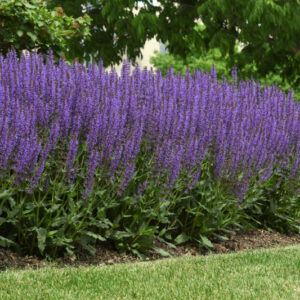
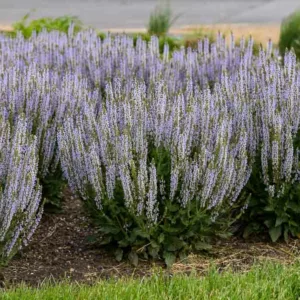
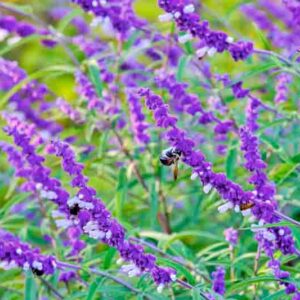
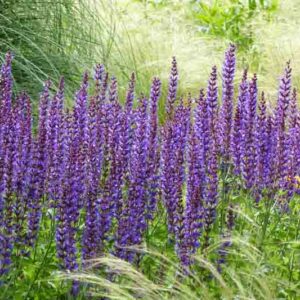
Salvia x sylvestris Blue Hill (also sold as Blauhügel) is the kind of hardy salvia that makes a border look instantly more “garden-designed.” It forms compact, bushy clumps topped with clear, medium to rich violet-blue flower spikes that rise like little flags above the foliage. If you love that classic wood sage look but want a cultivar with a slightly softer, more natural drift in the planting, Blue Hill is a beautiful pick.
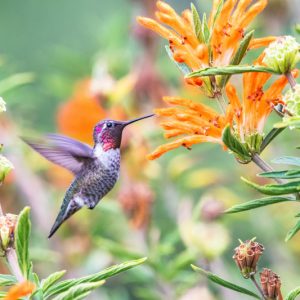
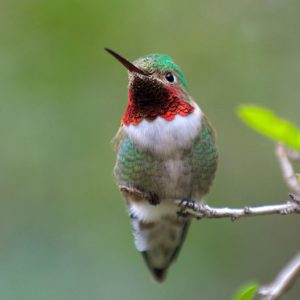
This is a plant that earns its keep. It thrives in full sun, asks for well-drained soil, and rewards you with weeks of bloom from early summer through summer, especially if you deadhead. Better yet, it is a nectar-rich favorite for bees, butterflies, and hummingbirds. In other words – it looks good, behaves well, and feeds the garden’s most important visitors.
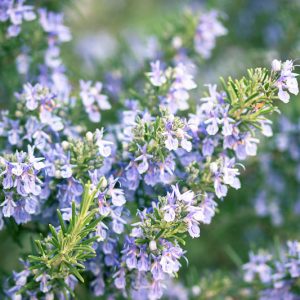
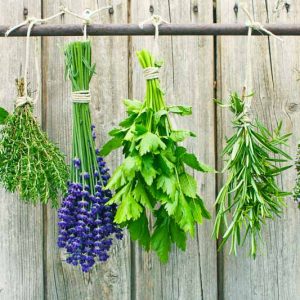
Salvia belongs to the Lamiaceae family (the mint family), home to aromatic classics like rosemary, basil, and lavender. If you like plants that are fragrant, resilient, and wildlife-friendly, this family almost always delivers.
Summary: Compact, clump-forming herbaceous perennial with upright spikes of clear blue to violet-blue flowers and aromatic foliage.
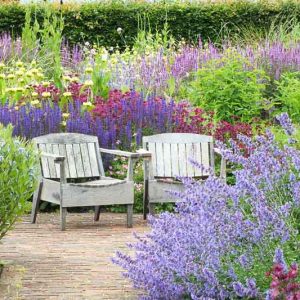
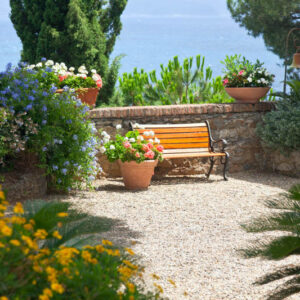
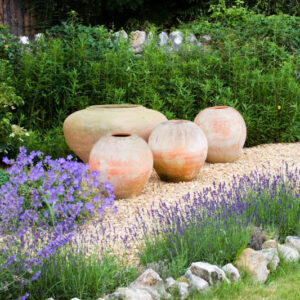
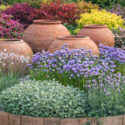
Use: Ideal for sunny borders, cottage gardens, mixed borders, pollinator gardens, gravel gardens, rock gardens, and containers.
Highlight: Blooms in early summer and can keep going through summer with deadheading and occasional deep watering.
Note: Best in full sun and dry to medium, well-drained soil. Drought tolerant once established and often considered deer and rabbit resistant.
| Botanical Name | Salvia x sylvestris Blue Hill, Salvia x sylvestris ‘Blauhugel’ |
|---|---|
| Family | Mint family (Lamiaceae) |
| Common Names | Blue Hill sage, wood sage |
| Native Range | Blue Hill is a garden hybrid (not a wild native plant). Its parent species are associated with Europe and parts of Western Asia, where related salvias grow in open meadows and dry slopes.
Note: This cultivar is widely grown in gardens worldwide for flower color, compact habit, and pollinator value. |
| Plant Type and Habit | Clump-forming herbaceous perennial with upright flower spikes |
| Hardiness (approx. USDA) | Hardy in USDA Zones 4-8 |
| Height | 18-24 in. (45-60 cm) |
| Spread | 18-24 in. (45-60 cm) |
| Spacing | 18-24 in. (45-60 cm) |
| Sun and Exposure | Best in full sun; light shade tolerated |
| Soil | Average, dry to medium, well-drained soil; sandy or gravelly soil is often ideal |
| Seasonal Interest | Early summer through summer, with repeat bloom after deadheading |
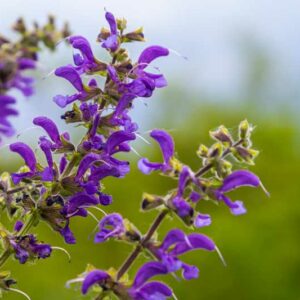
| Flower Color | Clear blue to violet-blue |
| Foliage Color | Mid-green |
| Fragrance | Aromatic foliage (fresh, herbal scent when crushed) |
| Drought Tolerant | Yes (once established) |
| Heat Tolerant | Unknown |
| Humidity Tolerant | Unknown |
| Pollution Tolerant | Yes |
| Nectar / Pollen | Yes |
| Attracts | Bees, butterflies, hummingbirds |
| Deer / Rabbit | Often considered deer and rabbit resistant |
| Toxicity | Generally considered non-toxic |
| Invasive Status | Not considered invasive |
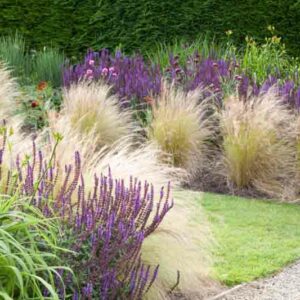
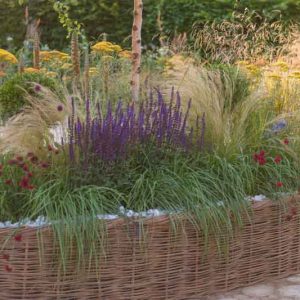
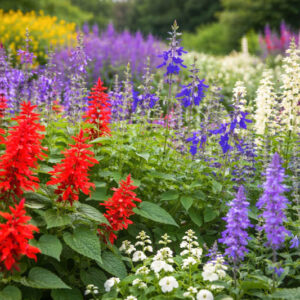
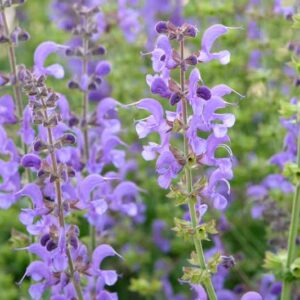
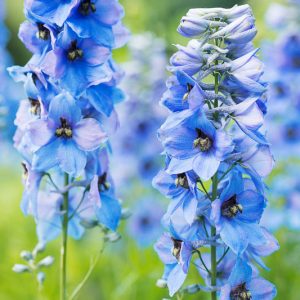
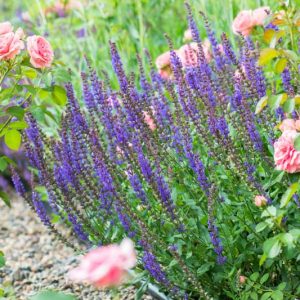
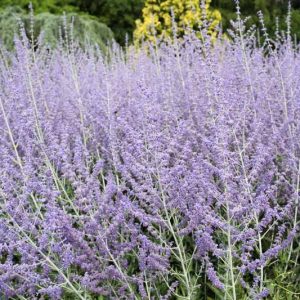
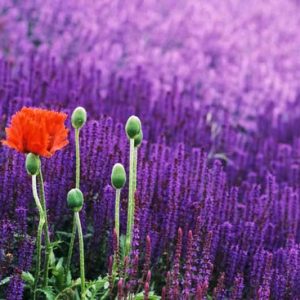
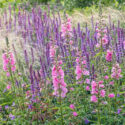
Salvia x sylvestris Blue Hill is a hardy, clump-forming perennial grown for its upright flower spires and tidy, bushy base of aromatic leaves. The blooms are tubular and two-lipped (classic salvia style), arranged in stacked whorls that build those crisp vertical spikes. The flower color is the main event – a clean, saturated blue that reads fresh and bright in the garden, especially next to warm yellows and soft pinks.
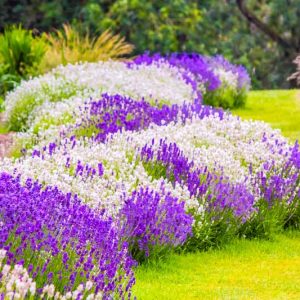
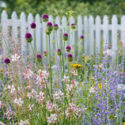
In a mixed border, Blue Hill does two jobs at once: it adds strong vertical structure and it provides a steady wash of cool blue color. It’s the kind of plant that makes nearby flowers look more intentional – like the whole planting got a little design upgrade.
Blue Hill is a hybrid salvia (garden-origin), developed from European parent species such as Salvia nemorosa (Woodland Sage) and Salvia pratensis (Meadow Sage). Those species are associated with open meadows, grasslands, and dry slopes across parts of Europe and western Asia – which explains why Blue Hill is happiest in sunny, well-drained soil and can handle leaner conditions once established.
Blue Hill forms compact, rounded clumps that typically reach 18-24 inches tall and wide (45-60 cm). It has an upright, bushy profile that usually stays neat without staking. If the plant ever looks a bit loose, it’s almost always a light issue – move it into stronger sun or ease up on fertilizer.
The first bloom typically arrives in early summer. If you remove fading spikes promptly, the plant often keeps flowering throughout the summer in waves. The simple rhythm is: bloom, snip, regrow, bloom again. It’s a satisfying plant because the maintenance feels like a direct exchange – you tidy it up and it pays you back with more flowers.
The foliage is mid-green, lightly textured, and aromatic. Brush past it or crush a leaf and you’ll get that clean, herbal scent typical of the mint family. Even when not flowering, the foliage mound stays attractive and works as a calm, tidy base for looser neighbors like ornamental grasses or billowy daisies.
Blue Hill is a recognized top performer and has earned the prestigious Award of Garden Merit from the Royal Horticultural Society – a strong clue that it delivers on both beauty and reliability.
Salvia x sylvestris ‘Blue Hill’ is generally hardy in USDA Zones 4-8. In cold winters it dies back and returns in spring. In milder climates, it may remain semi-evergreen in well-drained sites. The key to winter survival is simple: avoid wet soil around the crown.
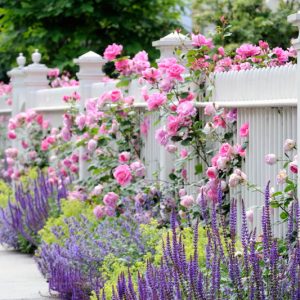
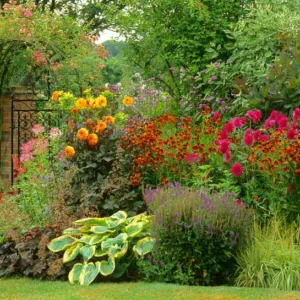
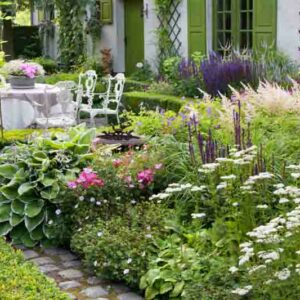
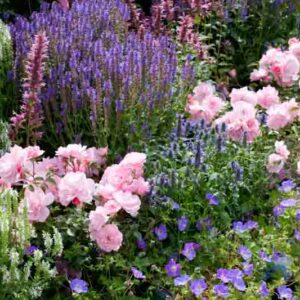
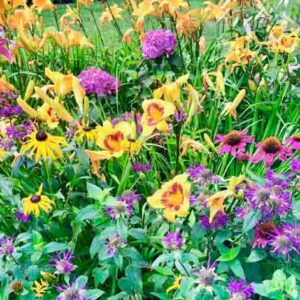
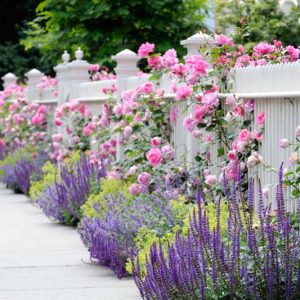
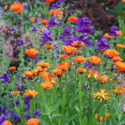
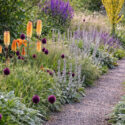
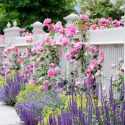
For classic pairings, combine Blue Hill with yarrow (especially yellow varieties), daylilies, and roses for that timeless blue-and-gold, blue-and-pink border magic.
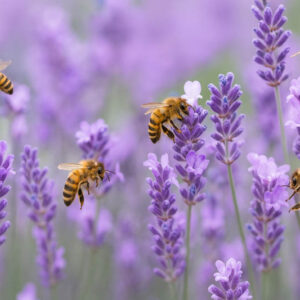
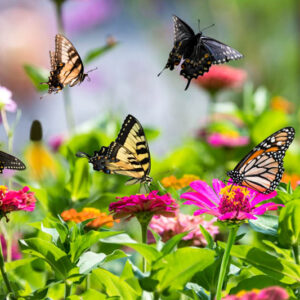
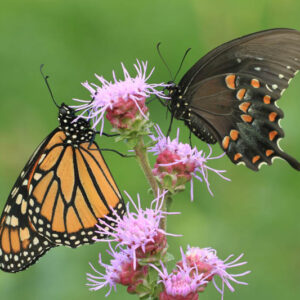
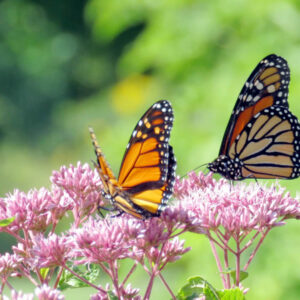
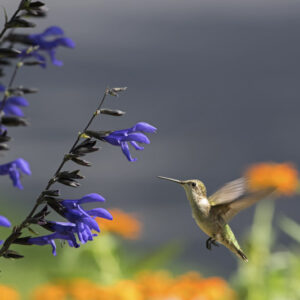
The flowers are nectar-rich and highly attractive to pollinators. If you want your garden to feel alive, Blue Hill is an easy win – it consistently draws bees, butterflies, and hummingbirds during bloom season. It also plays nicely in low-input landscapes where you want beauty and habitat without constant pampering.
Blue Hill is often considered rabbit and deer-resistant because the aromatic foliage is not a preferred snack. Real-world note: in high-pressure areas, nothing is truly deer-proof, but serious damage is uncommon.
Once established, Blue Hill is drought tolerant and does well in dry to medium soils. For the strongest rebloom, give it a deep drink during extended heat or drought – especially in sandy soil or containers – then let the soil dry slightly between waterings.
Salvia x sylvestris Blue Hill is generally considered non-toxic to humans and pets, making it a comfortable choice for family gardens.
Blue Hill is not considered invasive. It forms well-behaved clumps and may self-seed lightly in ideal conditions, but it is easy to control and does not typically spread aggressively.
Blue Hill is not a heavy feeder. Too much fertilizer often means more leaves and fewer flowers (plus a higher chance of flopping). A light compost top-dressing in spring is plenty for most gardens.
This is typically a trouble-free perennial. Occasionally, you may see slugs or snails on tender new growth, and in hot, dry conditions, spider mites. Less commonly, stressed container plants may attract mealybugs or whiteflies. Most issues improve with better airflow, a strong water spray, or insecticidal soap. Organic options like neem oil can help when needed.
Yes. Once established, Salvia x sylvestris Blue Hill is drought tolerant and performs well in dry to medium, well-drained soil. For best flowering and repeat bloom, water deeply during prolonged heat or drought, especially in sandy soil or containers.
Deadhead as soon as the first flower spikes start to fade. Snip spent spikes down to the leafy mound to encourage more blooms. After the main flush, you can shear lightly to refresh growth and keep the clump tidy.
Full sun is best for the most flowers and the strongest, most upright stems. Light shade is tolerated, especially in hot climates, but flowering may be reduced and plants can become looser.
Salvia x sylvestris Blue Hill typically grows about 18-24 inches tall and wide (45-60 cm), forming compact, bushy clumps with upright blue flower spikes.
It is often considered deer and rabbit resistant because the aromatic foliage is not a preferred food source. However, no plant is completely deer-proof, and browsing can occur when food is scarce.
It performs best in average, dry to medium, well-drained soil. Sandy, rocky, or gravelly soils are often ideal. Avoid poorly drained or waterlogged sites, especially in winter, to reduce the risk of root and crown rot.
Royal Horticultural Society (RHS) – wood sage cultivation notes and Award of Garden Merit standards
Missouri Botanical Garden Plant Finder – cultural guidance for hardy salvia selections, including light, soil, and maintenance
Updated: January 2026 – Reviewed by Gardenia Editors
| Hardiness |
4 - 8 |
|---|---|
| Heat Zones |
4 - 9 |
| Climate Zones | 2, 3, 4, 5, 6, 7, 8, 9, 10, 14, 15, 16, 17, 18, 19, 20, 21, 22, 23, 24 |
| Plant Type | Perennials |
| Plant Family | Lamiaceae |
| Genus | Salvia |
| Common names | Sage |
| Exposure | Full Sun |
| Season of Interest | Summer (Early, Mid, Late) |
| Height | 1' - 2' (30cm - 60cm) |
| Spread | 1' - 2' (30cm - 60cm) |
| Spacing | 18" - 24" (50cm - 60cm) |
| Maintenance | Low |
| Water Needs | Average |
| Soil Type | Chalk, Loam, Sand |
| Soil pH | Acid, Alkaline, Neutral |
| Soil Drainage | Moist but Well-Drained, Well-Drained |
| Characteristics | Cut Flowers, Fragrant, Plant of Merit, Showy |
| Tolerances | Drought, Deer, Rabbit, Dry Soil, Heat, Fire |
| Attracts | Bees, Butterflies, Hummingbirds |
| Garden Uses | Beds And Borders, Patio And Containers, Wall-Side Borders |
| Garden Styles | City and Courtyard, Coastal Garden, Informal and Cottage, Mediterranean Garden |
| Toxic to Humans | No known toxicity |
| Toxic to Cats | No known toxicity |
| Toxic to Dogs | No known toxicity |
| Toxic to Horses | No known toxicity |


| Hardiness |
4 - 8 |
|---|---|
| Heat Zones |
4 - 9 |
| Climate Zones | 2, 3, 4, 5, 6, 7, 8, 9, 10, 14, 15, 16, 17, 18, 19, 20, 21, 22, 23, 24 |
| Plant Type | Perennials |
| Plant Family | Lamiaceae |
| Genus | Salvia |
| Common names | Sage |
| Exposure | Full Sun |
| Season of Interest | Summer (Early, Mid, Late) |
| Height | 1' - 2' (30cm - 60cm) |
| Spread | 1' - 2' (30cm - 60cm) |
| Spacing | 18" - 24" (50cm - 60cm) |
| Maintenance | Low |
| Water Needs | Average |
| Soil Type | Chalk, Loam, Sand |
| Soil pH | Acid, Alkaline, Neutral |
| Soil Drainage | Moist but Well-Drained, Well-Drained |
| Characteristics | Cut Flowers, Fragrant, Plant of Merit, Showy |
| Tolerances | Drought, Deer, Rabbit, Dry Soil, Heat, Fire |
| Attracts | Bees, Butterflies, Hummingbirds |
| Garden Uses | Beds And Borders, Patio And Containers, Wall-Side Borders |
| Garden Styles | City and Courtyard, Coastal Garden, Informal and Cottage, Mediterranean Garden |
| Toxic to Humans | No known toxicity |
| Toxic to Cats | No known toxicity |
| Toxic to Dogs | No known toxicity |
| Toxic to Horses | No known toxicity |
How many Salvia x sylvestris Blue Hill (Wood Sage) do I need for my garden?
| Plant | Quantity | |
|---|---|---|
| Salvia x sylvestris Blue Hill (Wood Sage) | N/A | Buy Plants |
Create a membership account to save your garden designs and to view them on any device.
Becoming a contributing member of Gardenia is easy and can be done in just a few minutes. If you provide us with your name, email address and the payment of a modest $25 annual membership fee, you will become a full member, enabling you to design and save up to 25 of your garden design ideas.
Join now and start creating your dream garden!
Create a membership account to save your garden designs and to view them on any device.
Becoming a contributing member of Gardenia is easy and can be done in just a few minutes. If you provide us with your name, email address and the payment of a modest $25 annual membership fee, you will become a full member, enabling you to design and save up to 25 of your garden design ideas.
Join now and start creating your dream garden!