Create Your Garden

Salvia nemorosa ‘Caradonna’ (Woodland Sage)

Balkan Clary, Woodland Sage, Violet Sage, Garden Sage, Perennial Sage, Meadow Sage, Hybrid Sage, Clary Sage, Caradonna Meadow Sage, Salvia × Sylvestris ‘Caradonna’, Salvia ‘Caradonna’
AGM Award
Salvia Nemorosa Caradonna, Salvia Caradonna, Sage Caradonna, award-winning salvia, Balkan Clary Caradonna, Steppe sage Caradonna, Salvia x Sylvestris 'Caradonna'
Salvia Nemorosa Caradonna, Salvia Caradonna, Sage Caradonna, award-winning salvia, Balkan Clary Caradonna, Steppe sage Caradonna
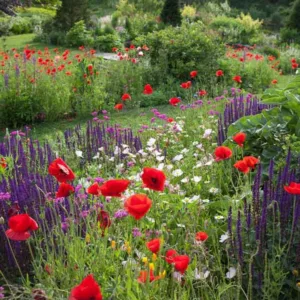
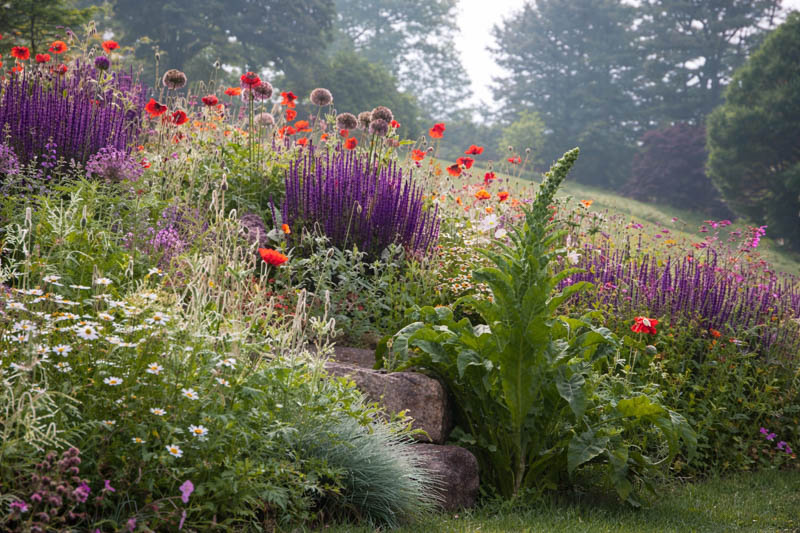
Papaver rhoeas, Salvia nemerosa 'Caradonna' and Alliums
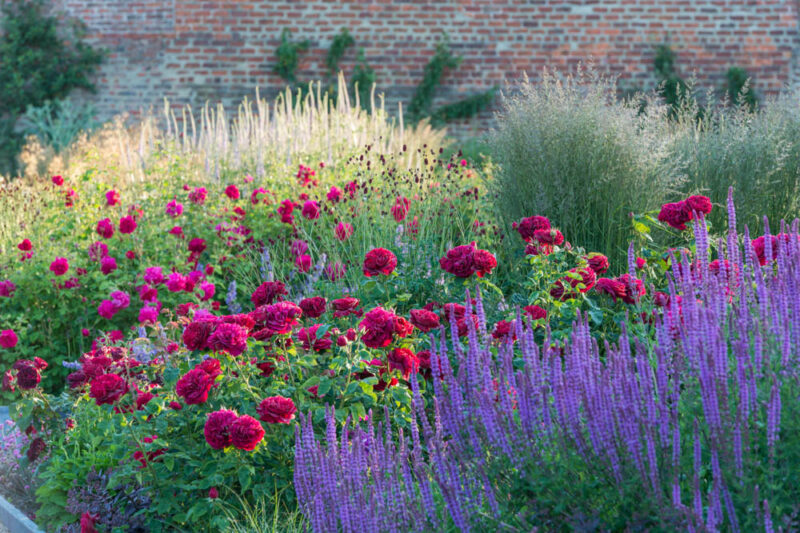
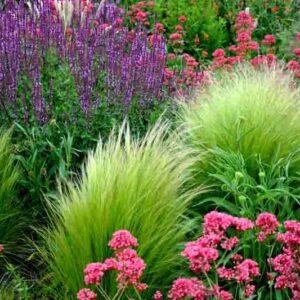
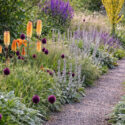
Calamagrostis acutiflora karl foerster, crimson, Darcey Bussell, David Austin - Garden break news, Grass, purple, red, salvia blue, salvia caradonna, Sanguisorba
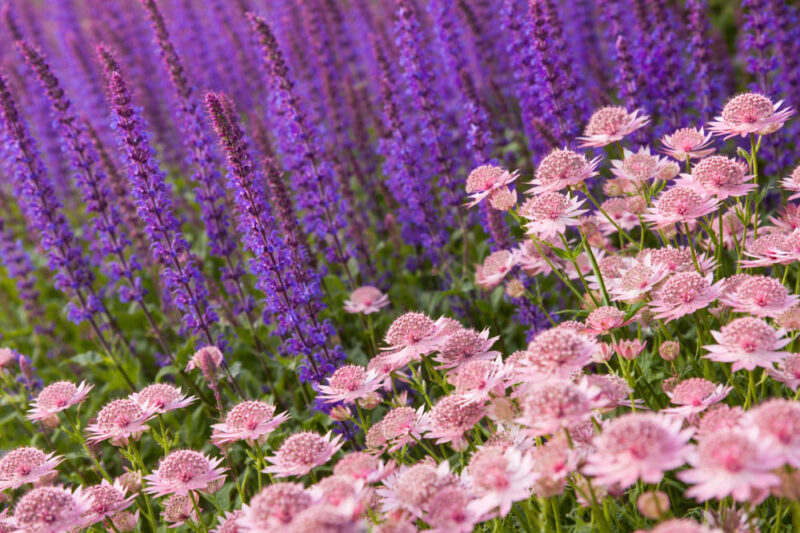
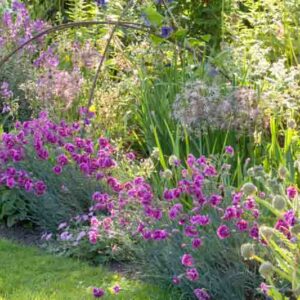
astrantia Roma, salvia caradonna
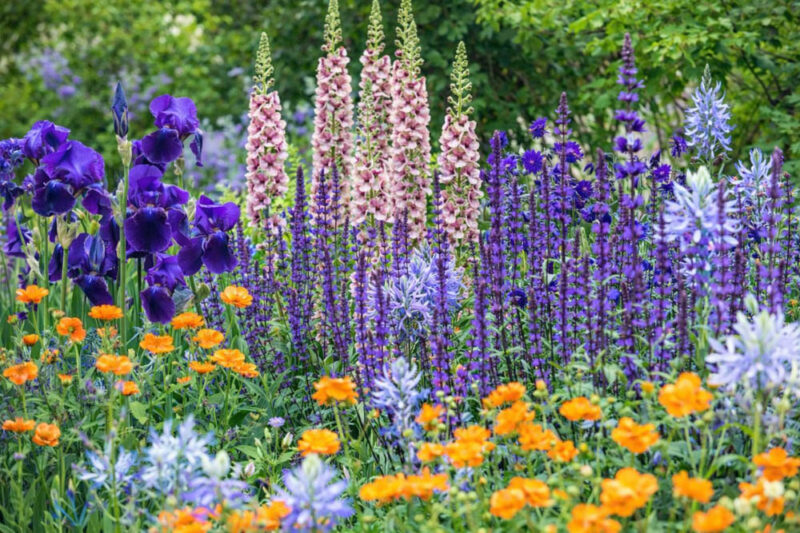
Verbascum 'Merlin', Salvia nemerosa 'Caradonna', Geum 'Princess Juliana', Iris, Aquilegia and Camassia

Salvia nemorosa ‘Caradonna’ (Woodland Sage) – Dark Purple Stems, Violet-Blue Flower Spires, And A Pollinator Magnet For Sunny Borders

Salvia nemorosa ‘Caradonna’ is one of those plants that looks like a designer placed it on purpose – because it brings instant structure, strong vertical lines, and saturated color to the garden. Multiple award-winner and widely loved, this compact, clump-forming perennial is famous for its inky purple stems and upright spikes of rich violet-blue flowers that bloom in late spring or early summer, often repeating with deadheading.

If you want a plant that reads as modern, elegant, and low-maintenance – while also feeding bees, butterflies, and hummingbirds – ‘Caradonna’ is an easy yes. It thrives in full sun, prefers well-drained soil, and once established, it is reliably drought tolerant. It is a strong choice for pollinator gardens, cottage gardens, mixed borders, and any planting where you want color that holds its shape.
Quick Facts – Salvia nemorosa ‘Caradonna’ (Woodland Sage)

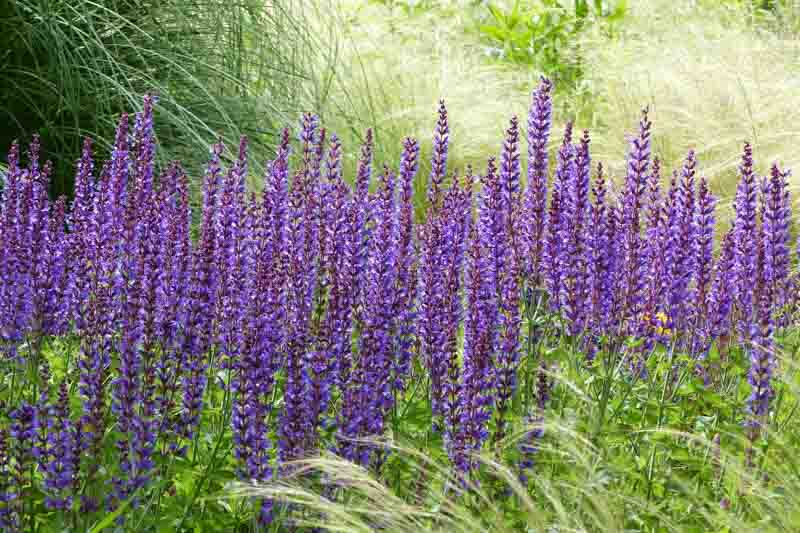
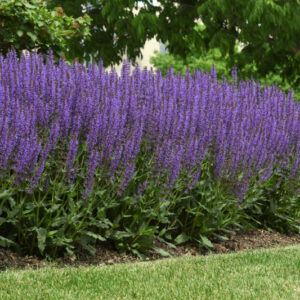
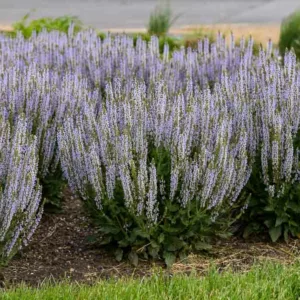
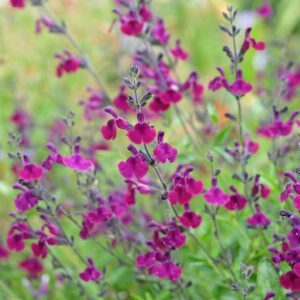
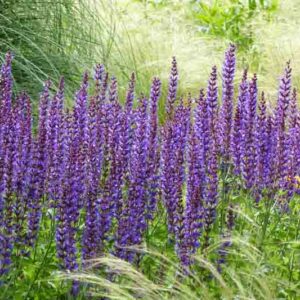
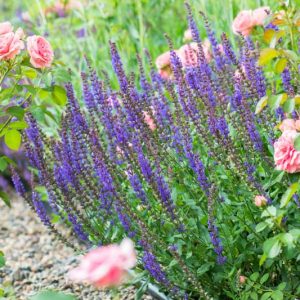
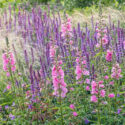
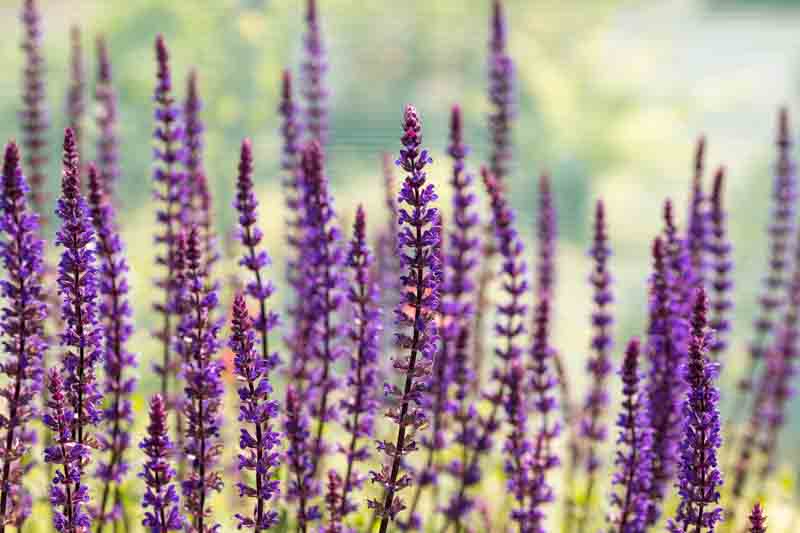
Salvia nemorosa 'Caradonna' with dark purple stems and violet-blue flower spikes

Summary: Compact, clump-forming herbaceous perennial with distinctive
dark purple stems and upright spires of violet-blue flowers.
Use: Ideal for perennial borders, pollinator gardens, cottage gardens, mixed borders, Mediterranean-style plantings, and cut flower beds.
Highlight: Long-lasting late spring to early summer bloom with excellent rebloom when deadheaded.
Note: Thrives in full sun and dry to medium, well-drained soil. Drought tolerant once established and often considered deer and rabbit resistant.

Botanical Name Salvia nemorosa ‘Caradonna’
Family Mint family (Lamiaceae)
Common Names Woodland sage, Balkan clary sage
Native Range Native to Central and Eastern Europe and parts of Western Asia (the species Salvia nemorosa).

Note: ‘Caradonna’ is a cultivated selection and is not a wild native plant.

Plant Type and Habit Clump-forming herbaceous perennial with upright flower spikes
Hardiness (approx. USDA) Hardy in USDA Zones 4–9
Height 18–24 in. (45–60 cm)
Spread 18–24 in. (45–60 cm)
Spacing 18–24 in. (45–60 cm)
Sun and Exposure Best in full sun; light shade tolerated
Soil Average, dry to medium, well-drained soil; avoid winter-wet sites
Seasonal Interest Late spring to early summer, with rebloom after deadheading
Flower Color Violet-blue (blue-purple)
Foliage Color Gray-green
Fragrance Aromatic foliage (herbal, sage-like when crushed)
Drought Tolerant Yes (once established)
Heat Tolerant Unknown
Humidity Tolerant Unknown
Pollution Tolerant Yes
Nectar / Pollen Yes
Attracts Bees, butterflies, hummingbirds, songbirds
Deer / Rabbit Often considered deer and rabbit resistant
Toxicity Generally considered non-toxic
Invasive Status Not considered invasive
Care – Quick
  • Planting: Full sun in well-drained soil; avoid soggy locations.
  • Water: Water regularly during establishment; afterward only during prolonged drought.
  • Feeding: Light spring compost or balanced fertilizer is sufficient.
  • Pruning / Deadheading: Deadhead spent spikes to encourage rebloom; cut back after flowering.
  • Mulching: Apply a thin mulch layer; keep away from the crown.
  • Propagation: Divide clumps in spring or early fall, or take stem cuttings in late spring to summer to maintain cultivar traits.
  • Winter care: Leave the crown alone; avoid winter-wet soil, and cut back in late fall or early spring
Quick promise
Salvia nemorosa ‘Caradonna’ delivers bold purple stems and long-lasting violet-blue flower spikes – best in full sun and well-drained soil, drought tolerant once established, and highly attractive to bees, butterflies, and hummingbirds.

What Is Salvia nemorosa ‘Caradonna’ (Woodland Sage)?

Description

Salvia nemorosa ‘Caradonna’ is a refined, upright perennial that forms neat clumps of gray-green, aromatic foliage. From late spring into early summer, slender spikes rise above the leaves, lined with densely packed violet-blue flowers. What makes ‘Caradonna’ truly distinctive is the stem color – deep purple to nearly black – which stays decorative even before bloom and continues to add contrast long after flowers fade.

In a mixed border, the effect is clean and architectural: vertical spires that cut through softer shapes and give the planting a sense of rhythm. This is why gardeners often use it as a repeating accent plant – it creates a strong “through line” that helps the whole border look intentional.

Native Information

The species Salvia nemorosa is native to Central and Eastern Europe and parts of Western Asia.
‘Caradonna’ is a cultivar (a selected garden form) grown for its distinctive dark stems and saturated violet-blue flower spikes,
so it should be considered garden-origin rather than a naturally occurring wild plant.

Growth Habit and Vigor

‘Caradonna’ grows as a compact clump, typically about 18-24 inches tall (45-60 cm) in bloom and nearly as wide. It is reliable, with a naturally upright posture that rarely needs staking when grown in full sun and not overfed. The foliage is aromatic, a common trait of plants in the mint family, and it often contributes to the plant’s reputation for being deer resistant.

Garden shorthand: If your border needs height without bulk, ‘Caradonna’ gives you vertical color and structure without swallowing neighboring plants.

Flowers and Bloom Time

The main bloom typically arrives in late spring or early summer. Flower spikes last for weeks, and the plant often reblooms until fall when you deadhead promptly. For the longest season, treat bloom maintenance as a simple routine: once the first flush starts to fade, snip off spent spikes and give the plant a deep watering. In many gardens, this encourages a second wave of bloom and keeps the clump looking fresh.

Foliage and Seasonal Interest

The foliage is gray-green, narrow, and aromatic, forming a tidy mound at the base. Even out of bloom, the foliage provides texture, and those dark stems remain visually interesting for much of the season. In winter, the top growth dies back, but the crown is hardy in suitable climates, resprouting in spring.

Awards

‘Caradonna’ is a standout for performance and garden value. It is the recipient of the prestigious Award of Garden Merit of the Royal Horticultural Society (2012) and the Outstanding New Perennial Award (2000).

Hardiness

Salvia nemorosa ‘Caradonna’ is generally hardy in about USDA Zones 4-9. In cold-winter regions, the top growth dies back after frost, but the crown reliably returns in spring. In warmer climates, plants may stay semi-evergreen through winter and start growing early when temperatures rise.

Landscape Uses

  • Perennial borders: Provides strong vertical accents and crisp structure, especially effective when repeated through mixed plantings.
  • Pollinator gardens: A reliable nectar source for bees, butterflies, and hummingbirds during late spring and early summer.
  • Cottage and naturalistic gardens: Blends beautifully with softer perennials while maintaining a tidy, upright habit.
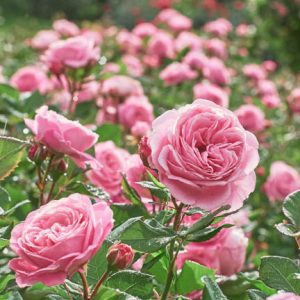
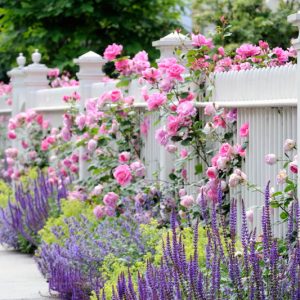
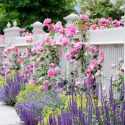
  • Rose companions: Dark stems and violet-blue blooms create striking contrast with pastel and warm-toned roses.
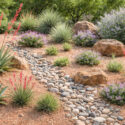
  • Gravel and Mediterranean-style gardens: Excellent performance in well-drained soils with low water input.

Thanks to its tolerance of dry soils and urban conditions, ‘Caradonna’ is also a smart choice for city gardens and streetside borders where plants must cope with tougher air and lean soil.

Wildlife and Ecological Value

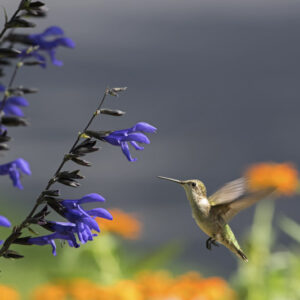
Salvia nemorosa ‘Caradonna’ is highly valued for its ecological benefits. The nectar-rich flowers are particularly attractive to bees, butterflies, and hummingbirds, making it a strong contributor to pollinator-friendly plantings. Aromatic foliage helps deter browsing mammals while supporting beneficial insects.

Deer and Rabbits

‘Caradonna’ is widely regarded as rabbit and deer-resistant. The aromatic, slightly textured foliage is not a preferred food source. While no plant is entirely immune to browsing under extreme pressure, serious damage is uncommon.

Drought Tolerance

Once established, Salvia nemorosa ‘Caradonna’ is drought tolerant and performs well in dry to medium soils. For best flowering and repeat bloom, provide occasional deep watering during prolonged heat or drought, especially in sandy or gravelly soils.

Toxicity

Salvia nemorosa ‘Caradonna’ is generally considered non-toxic to humans and pets. It is grown primarily as an ornamental plant. As with all garden plants, ingestion of large quantities is not recommended.

Invasiveness

‘Caradonna’ is not considered invasive. It forms well-behaved clumps that expand slowly over time. Spread is easily controlled through division, and it does not typically escape cultivation or displace neighboring plants.
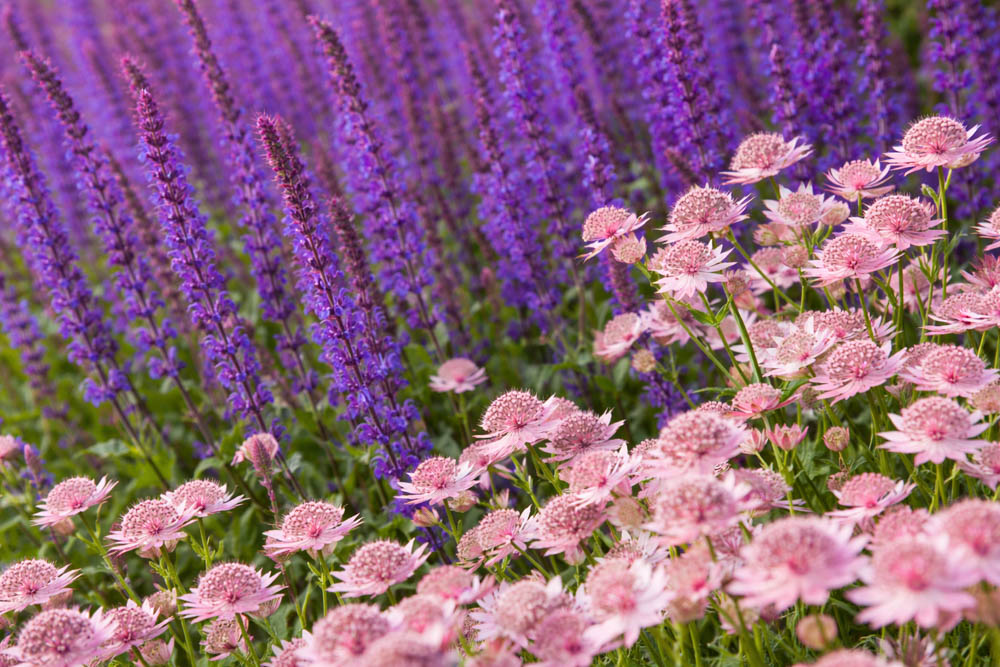
astrantia Roma, salvia caradonna

Growing Conditions for Salvia nemorosa ‘Caradonna’

Light

  • Full sun: Best flowering, strongest stems, and the most compact habit.
  • Light shade: Tolerated, especially in regions with hot summers, but flowering may be slightly reduced.

Soil

  • Well-drained is non-negotiable: Salvia nemorosa dislikes soggy soil, especially in winter.
  • Average to lean soils: Rich soil can lead to softer growth. Sandy or gravelly soils are often ideal.
  • Dry to medium moisture: Once established, it performs well with modest water.

Water

  • Year 1 (establishment): Water regularly to help roots develop – especially after planting and during hot spells.
  • Mature plants: Water during prolonged drought. In many gardens, rainfall plus occasional deep watering is enough.

Feeding

‘Caradonna’ does not need heavy feeding. Too much fertilizer can produce lush foliage at the expense of strong, upright bloom spikes. A light spring compost top-dressing or a modest application of balanced fertilizer is typically sufficient.
Mulch

  • Apply a thin layer of organic mulch to conserve moisture and suppress weeds.
  • Keep mulch away from the crown to avoid rot, especially in humid or wet climates.

Planting Tips

  • Plant in spring or early fall so roots can settle in before extreme weather.
  • Space plants so air can circulate – this helps keep foliage healthy and reduces disease pressure.
  • Set the crown at soil level, backfill, and water deeply.

Maintenance – Pruning – Deadheading

  • Deadheading: Remove spent flower spikes promptly to encourage repeat bloom.
  • After flowering: Cut back the plant to a low mound to refresh growth and keep the border tidy.
  • End of season: Leave some stems if you enjoy winter texture, or cut back in late fall or early spring.

Propagation

  • Division: The most reliable method for maintaining a named cultivar. Divide in spring or early fall and replant immediately.
  • Stem cuttings: Softwood cuttings taken in late spring to early summer root readily and produce plants true to the parent. Semi-ripe cuttings can also be taken in mid- to late summer.
  • Seed: Possible, but seedlings may not come true to the parent cultivar.
Care tip: For the best rebloom, deadhead ‘Caradonna’ as the first spikes fade – then water deeply and let the clump regrow before the next flush.

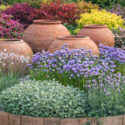
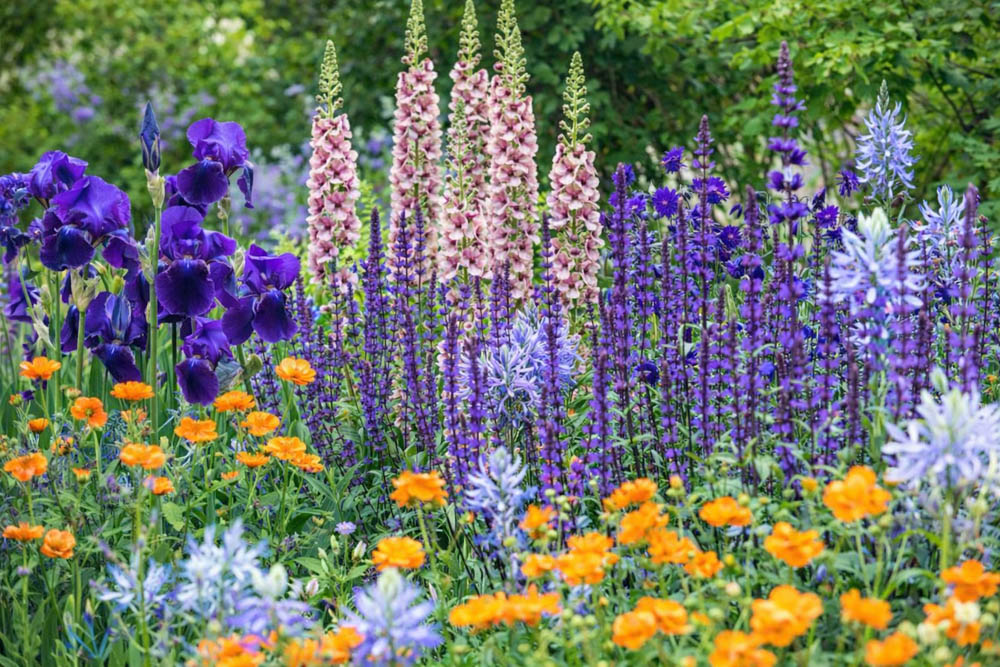
Verbascum 'Merlin', Salvia nemerosa 'Caradonna', Geum 'Princess Juliana', Iris, Aquilegia and Camassia

Salvia nemorosa ‘Caradonna’: Pests, Diseases, and Common Problems

Pests

This is generally a trouble-free plant. In some gardens, you may see occasional aphids on tender new growth, slugs, or snails.
Diseases

  • Root rot: The most common serious problem – almost always linked to poorly drained soil or winter wet. Improve drainage and avoid planting in low spots.
  • Powdery mildew: Can appear in crowded, humid conditions. Give plants sun, spacing, and airflow to prevent it.

Common Problems

  • Flopping: Usually from too much shade, overwatering, or rich soil and fertilizer. Move to more sun and reduce feeding.
  • Weak rebloom: Often from late deadheading or drought stress. Deadhead earlier and water deeply during hot spells.

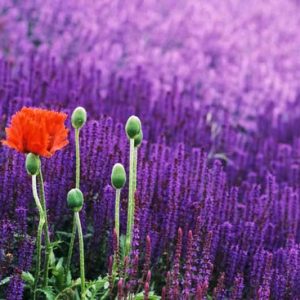
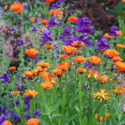
Papaver rhoeas, Salvia nemerosa 'Caradonna' and Alliums

Design Ideas With Salvia nemorosa ‘Caradonna’

  • Border rhythm: Repeat ‘Caradonna’ every few feet to create a strong vertical pattern through a mixed border.
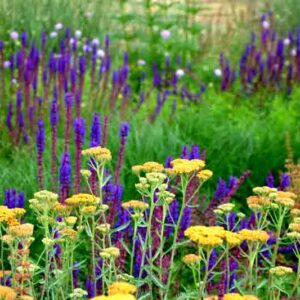
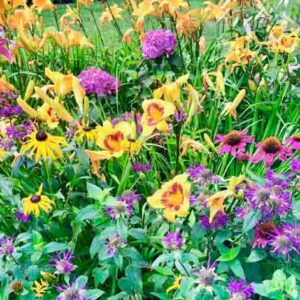
  • Classic color combos: Pair with yellow Achillea, daylilies, or golden grasses for high contrast.
  • Rose companion: Interplant with roses – the dark stems and violet-blue blooms make rose colors pop and help fill gaps.
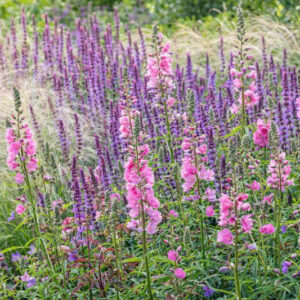
  • Pollinator corridor: Mix with nepeta, echinacea, gaura, and ornamental grasses for a long season of nectar and movement.
  • Container accent: Use in large pots where the vertical spikes can rise above trailing plants and soften hard edges.
Design tip: ‘Caradonna’ looks especially striking when planted in drifts – the repeated dark stems create a subtle, almost graphic effect in the garden.

Popular Cultivars of Salvia nemorosa

  • Caradonna – Dark purple stems and saturated violet-blue flower spikes; compact, upright, and highly architectural.
  • Mainacht (May Night) – A classic, award-winning selection with deep blue-purple flowers and excellent garden performance.
  • Ostfriesland – Rich violet-blue flower spikes on a compact, reliable plant well suited to borders and mass planting.
  • Blue by You – Early blooming with vivid blue-violet flowers and strong rebloom potential when deadheaded.
  • Perfect Profusion – Exceptionally floriferous with a long flowering season and dense, upright flower spikes.
  • Violet Riot – Compact habit with intense violet-blue blooms and excellent uniformity.
  • Crystal Blue – Clear blue flowers on a tidy, medium-sized plant; ideal for mixed borders.
  • Blue Marvel – Dense, shorter flower spikes in intense royal blue shades, excellent for the front of borders.
  • Bumbleblue – Compact and floriferous with rich blue blooms; strong pollinator appeal.
  • Bumbleberry – Deep rose-purple flowers on a compact plant, perfect for color-rich borders.
  • Pink Dawn – Soft pink flower spikes that bring a lighter, romantic tone to sunny plantings.
  • Rose Marvel – Vibrant rose-pink flowers with a dense, compact habit and excellent rebloom.
  • Amethyst – Lavender-purple blooms on a well-balanced plant that blends easily with other perennials.
  • Tänzerin – Graceful, airy flower spikes in soft violet tones; elegant and slightly looser in habit.

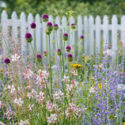
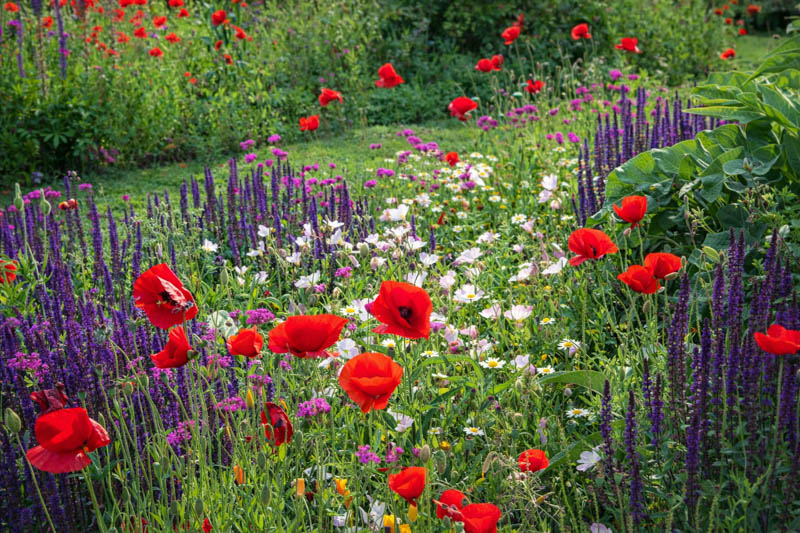
Papaver rhoeas, Salvia nemorosa 'Caradonna' and Oenothera speciosa

Frequently Asked Questions

Is Salvia nemorosa ‘Caradonna’ drought tolerant?

Yes. Once established, Salvia nemorosa ‘Caradonna’ is drought tolerant and can handle dry to medium soil. For best flowering and rebloom, water during prolonged heat and drought, especially in very sandy soil or containers.

When should I deadhead Salvia ‘Caradonna’?

Deadhead as soon as the first flower spikes start to fade. Snip spent spikes down to the leafy mound to encourage repeat bloom. After the main flush, you can shear the plant lightly to refresh growth and keep the border tidy.

Does Salvia ‘Caradonna’ need full sun?

Full sun is best for the most flowers and the strongest, most upright stems. Light shade is tolerated, especially in hot climates, but flowering may be lighter and plants may be slightly looser.

How tall and wide does Salvia nemorosa ‘Caradonna’ grow?

In bloom, Salvia nemorosa ‘Caradonna’ typically reaches about 18-24 inches tall (45-60 cm) and nearly as wide, forming compact clumps with upright flower spikes.

Is Salvia ‘Caradonna’ deer resistant?

It is often considered deer resistant because the aromatic foliage is not a preferred food source. However, no plant is completely deer proof – browsing can occur when food is scarce.

How do I propagate Salvia nemorosa ‘Caradonna’?

Propagate by division in spring or early fall. Lift the clump, separate healthy sections with roots, and replant at the same depth. Seed is possible, but seedlings may not come true to the cultivar.

What soil does Salvia ‘Caradonna’ prefer?

It performs best in average, dry to medium, well-drained soil. Sandy or gravelly soils are ideal. Avoid poorly drained or waterlogged sites, especially in winter, to reduce the risk of root rot.

References

Royal Horticultural Society (RHS) – Salvia nemorosa ‘Caradonna’ cultivation notes and award listing

Missouri Botanical Garden Plant Finder – cultural guidance for Salvia nemorosa selections, including light, soil, and maintenance

Updated: January 2026 – Reviewed by Gardenia Editors

Salvia: Plant Care and Growing Guide


Here are some tips on how to plant and grow salvia successfully

Requirements

Hardiness 4 - 9
Heat Zones 5 - 9
Climate Zones 2, 3, 4, 5, 6, 7, 8, 9, 10, 14, 15, 16, 17, 18, 19, 20, 21, 22, 23, 24
Plant Type Perennials
Plant Family Lamiaceae
Genus Salvia
Common names Sage
Exposure Full Sun
Season of Interest Spring (Late), Summer (Early, Mid, Late), Fall
Height 1' - 2' (30cm - 60cm)
Spread 1' - 2' (30cm - 60cm)
Spacing 18" - 24" (50cm - 60cm)
Maintenance Low
Water Needs Low, Average
Soil Type Chalk, Loam, Sand
Soil pH Acid, Alkaline, Neutral
Soil Drainage Moist but Well-Drained, Well-Drained
Characteristics Cut Flowers, Fragrant, Plant of Merit, Showy
Tolerance Drought, Deer, Rabbit, Dry Soil
Attracts Bees, Butterflies, Hummingbirds, Birds
Garden Uses Beds And Borders, Patio And Containers
Garden Styles City and Courtyard, Coastal Garden, Informal and Cottage, Mediterranean Garden
How Many Plants
Do I Need?
Explore Great Plant Combination Ideas
Salvia (Sage)
Guides with
Salvia (Sage)
Not sure which Salvia (Sage) to pick?
Compare Now

Alternative Plants to Consider

Salvia guaranitica (Blue Anise Sage)
Salvia splendens ‘Van-Houttei’ (Scarlet Sage)
Salvia nemorosa ‘Blue By You’ (Sage)
Salvia microphylla (Baby Sage)
Salvia pratensis (Meadow Sage)
Salvia nemorosa ‘Perfect Profusion’ (Sage)

Recommended Companion Plants

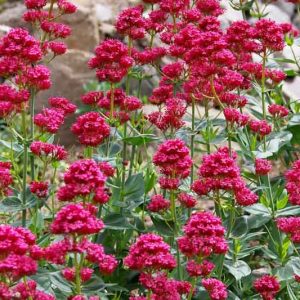
Centranthus ruber (Red Valerian)
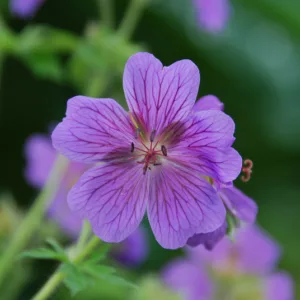
Geranium x magnificum (Purple Cranesbill)
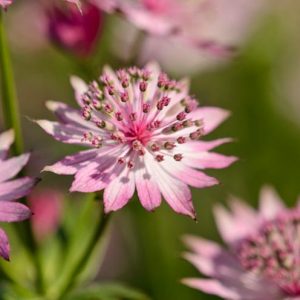
Astrantia major ‘Roma’ (Great Masterwort)
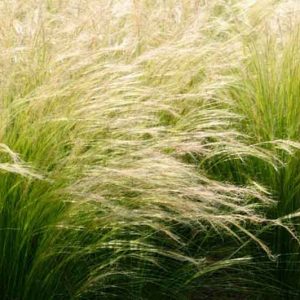
Stipa tenuissima (Mexican Feather Grass)
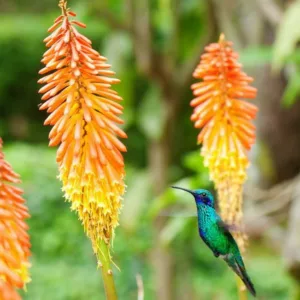
Kniphofia (Red Hot Poker)
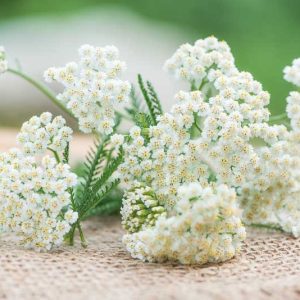
Achillea (Yarrow)
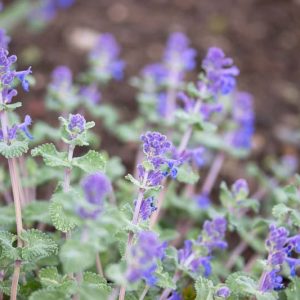
Nepeta racemosa (Catmint)
Rosa (Rose)
Hemerocallis (Daylilies)

Find In One of Our Guides or Gardens

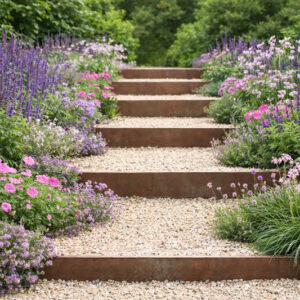
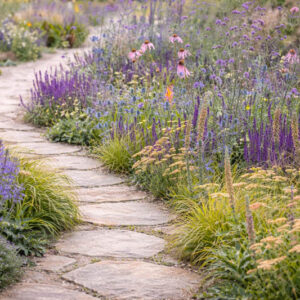
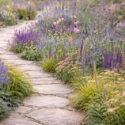
A Gravel Step Garden Border That Feels Like a Meadow
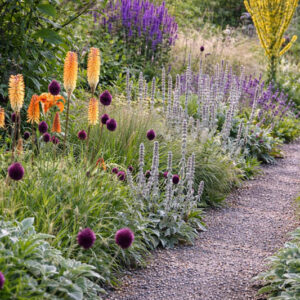
Perennial Border with Allium, Kniphofia, Lamb’s Ear
A Welcoming Hedge
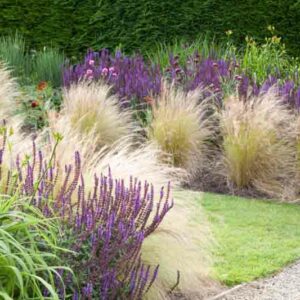
A Soft, Dreamy Border with Stipa, Salvia and Sidalcea
Stunning Summer Border Design with Echinacea, Salvia & Verbena
A Fabulous Planting Idea with Grasses and Sage
A Charming Border Idea with Alliums, Garden Pinks & Wallflowers
A Casual and Impressionistic Planting Combination
Timeless Pairing: Yarrow and Sage for a Vibrant Garden
Bold Blooms and Swaying Grasses: A Drought-Tolerant Garden
Annual Salvias: Heat-Loving Color That Blooms All Season
Best Full Sun Perennials for Zone 8: Top Heat-Tolerant Garden Winners
Best Full Sun Shrubs for Zone 8: Heat-Loving Shrubs That Thrive in Sunshine
Top Zone 6 Full Sun Perennials – Color That Thrives in Heat & Cold
Top Zone 7 Full Sun Perennials for Long Bloom, Color & Pollinators
Native Garden Ideas – Best Native Plants for a Beautiful Yard
Mediterranean Gardens: Low-Water Design, Plants & Ideas
Drought Tolerant Gardens – The Ultimate Water-Wise Guide
Pollinator Gardens: Plants, Designs & Care Guide
Why Rosemary is Perfect for Gardens and Pots
Grow These 20 Herbs Indoors for Freshness All Year
Salvia: Discover the Top Benefits of Growing Sage in Your Garden
Salvia Varieties for a Stunning, Water-Wise Garden
Salvia nemorosa (Woodland Sage)
What is Salvia? Understanding Its Role in Gardening and Beyond
Top 70 Summer Flowers to Brighten Your Garden and Home
50 Best Fall Flowers to Color Your Autumn Garden
Desert Shrubs: Essential Plants for Dry Gardens
Desert Flowers: Bringing Color to Dry Gardens
50 Fall Wildflowers: Top Picks for a Vibrant Autumn Garden
50 Summer Wildflowers: Bright Blooms for Your Garden
50 Wildflowers that Thrive in Sun
50 Blue Wildflowers for Every Garden
50 Pink Wildflowers for Every Garden
50 Purple Wildflower to Brighten Your Garden
50 California Wildflowers: From Desert Blooms to Coastal Gems
50 Texas Wildflowers to Brighten Your Garden
Top 50 Most Beautiful Flowers Worldwide
Stunning Blue Flowers to Enhance Your Garden’s Beauty
Add a Splash of Color: Perfect Flowering Shrubs for Small Gardens
42 Best Perennial Flowers and Plants to Brighten Your Garden Every Season
30 Best Spring Flowers Every Gardener Should Grow
How to Create an Enchanting Butterfly Garden
For the Love of Butterflies: Best Flowers to Attract them to Your Garden
6 Reasons You Should Create a Butterfly Garden
Salvia (Sage)
Best Annual Flowers and Plants to Spruce up Your Garden
Hummingbird
18 Best Plants That Repel Mosquitoes
Rosemary: Learn How To Plant, Grow and Harvest
Salvia yangii (Russian Sage)
Best Annual Flowers and Plants for Full Sun
Wonderful Plants That Repel Insects
Companion Planting With Herbs
Great Rose Companion Plants: Nepeta, Salvia and Lavandula
Best and Worst Companion Plants for Rosemary
Hardy Perennial Salvias (Sage)
Salvia guaranitica (Blue Anise Sage)
Plants with Purple Flowers to Add Charm to Your Garden
Salvia: Plant Care and Growing Guide
Best Flowers to Attract Hummingbirds
While every effort has been made to describe these plants accurately, please keep in mind that height, bloom time, and color may differ in various climates. The description of these plants has been written based on numerous outside resources.
Buy Plants

Requirements

Hardiness 4 - 9
Heat Zones 5 - 9
Climate Zones 2, 3, 4, 5, 6, 7, 8, 9, 10, 14, 15, 16, 17, 18, 19, 20, 21, 22, 23, 24
Plant Type Perennials
Plant Family Lamiaceae
Genus Salvia
Common names Sage
Exposure Full Sun
Season of Interest Spring (Late), Summer (Early, Mid, Late), Fall
Height 1' - 2' (30cm - 60cm)
Spread 1' - 2' (30cm - 60cm)
Spacing 18" - 24" (50cm - 60cm)
Maintenance Low
Water Needs Low, Average
Soil Type Chalk, Loam, Sand
Soil pH Acid, Alkaline, Neutral
Soil Drainage Moist but Well-Drained, Well-Drained
Characteristics Cut Flowers, Fragrant, Plant of Merit, Showy
Tolerance Drought, Deer, Rabbit, Dry Soil
Attracts Bees, Butterflies, Hummingbirds, Birds
Garden Uses Beds And Borders, Patio And Containers
Garden Styles City and Courtyard, Coastal Garden, Informal and Cottage, Mediterranean Garden
How Many Plants
Do I Need?
Explore Great Plant Combination Ideas
Salvia (Sage)
Guides with
Salvia (Sage)
Not sure which Salvia (Sage) to pick?
Compare Now

Gardening Ideas

Plant Calculator

How many Salvia nemorosa ‘Caradonna’ (Woodland Sage) do I need for my garden?

Input your garden space dimensions

Your Shopping List

Plant Quantity
Salvia nemorosa ‘Caradonna’ (Woodland Sage) N/A Buy Plants

Please Login to Proceed

You Have Reached The Free Limit, Please Subscribe to Proceed

Subscribe to Gardenia

To create additional collections, you must be a paid member of Gardenia
  • Add as many plants as you wish
  • Create and save up to 25 garden collections
Become a Member

Plant Added Successfully

Your garden is taking shape. Unlock full planning.

You’ve reached the free limit. Upgrade for $25/year to add as many plants as you wish and save up to 25 garden collections. Unlock Annual Membership

Update Your Credit
Card Information

Cancel

Create a New Collection

Sign Up to Our Newsletter

    You have been subscribed successfully

    Join Gardenia.net

    Create a membership account to save your garden designs and to view them on any device.

    Becoming a contributing member of Gardenia is easy and can be done in just a few minutes. If you provide us with your name, email address and the payment of a modest $25 annual membership fee, you will become a full member, enabling you to design and save up to 25 of your garden design ideas.

    Join now and start creating your dream garden!

    Join Gardenia.net

    Create a membership account to save your garden designs and to view them on any device.

    Becoming a contributing member of Gardenia is easy and can be done in just a few minutes. If you provide us with your name, email address and the payment of a modest $25 annual membership fee, you will become a full member, enabling you to design and save up to 25 of your garden design ideas.

    Join now and start creating your dream garden!
    Find your Hardiness Zone

    Find your Heat Zone

    Find your Climate Zone