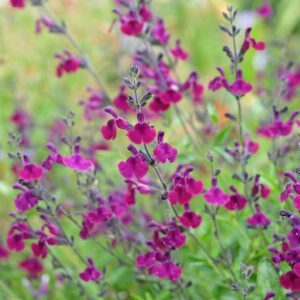
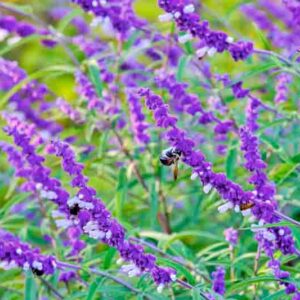
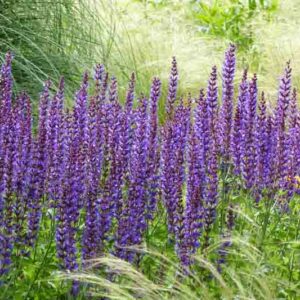
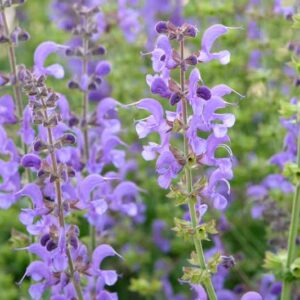
Mealycup Sage, Mealy Sage, Blue Sage, Mealy Blue Sage, Fairy Queen Salvia, Fairy Queen Mealycup Sage, Salvia ‘Fairy Queen’, Salvia Farinacea ‘Fairy Queen’
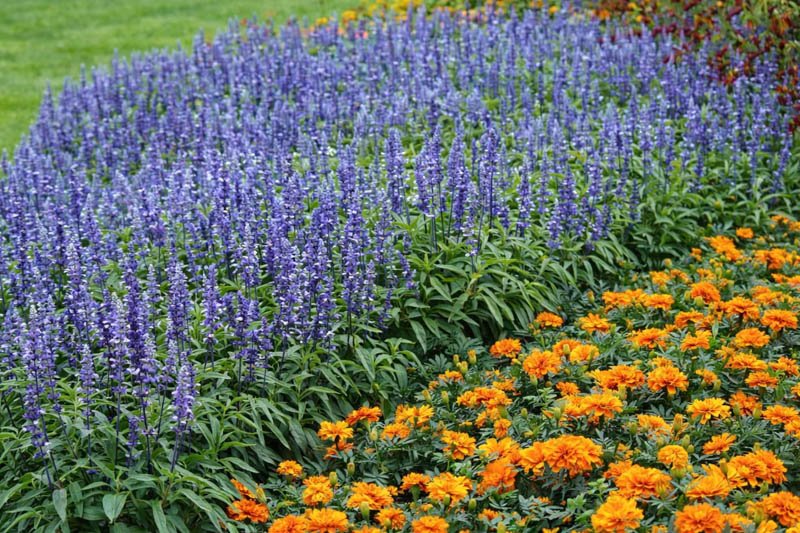


Salvia farinacea is one of those plants that quietly becomes a garden essential. It is easy, reliable, and wildly rewarding – with upright spikes of tubular flowers that keep going from late spring through early fall. If you want a plant that looks great in beds, borders, and containers while also feeding bees, butterflies, and hummingbirds, Mealy Sage is an easy yes.
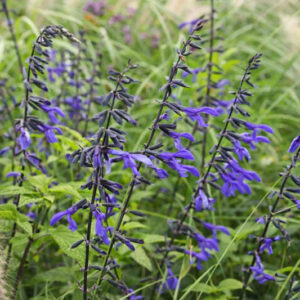
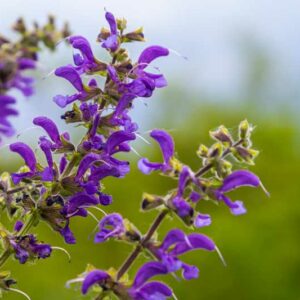
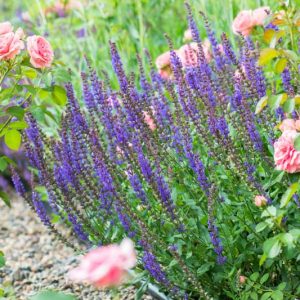
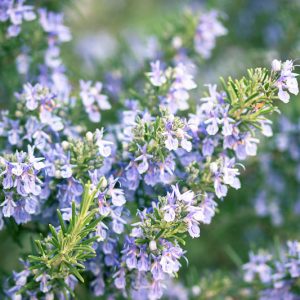
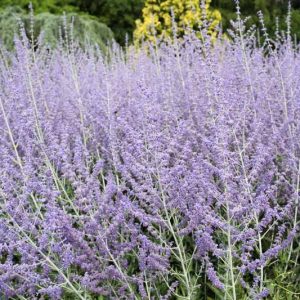
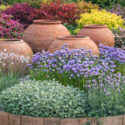
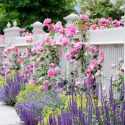
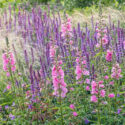
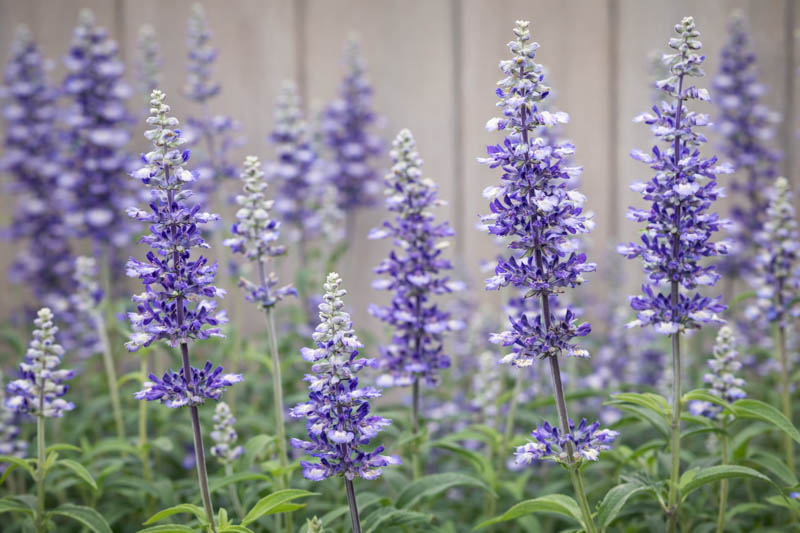
Now let us zoom in on a standout cultivar: Salvia farinacea ‘Fairy Queen’ (often sold as Mealy Sage ‘Fairy Queen’ or Mealycup Sage ‘Fairy Queen’). This is the variety gardeners reach for when they want classic mealy sage performance – plus a little magic. Expect dense, upright spikes packed with sapphire blue flowers, each finished with a tiny white spot that looks like a dab of fairy dust. It blooms hard from late spring to frost, holds up beautifully in summer heat, and stays neat in borders and containers.
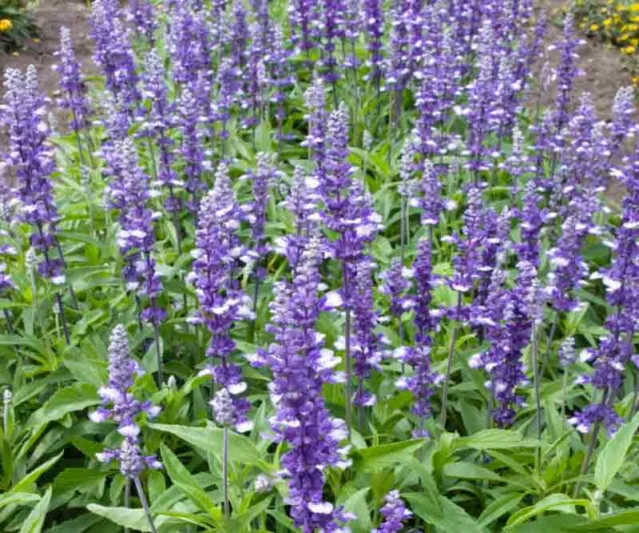
Summary: Upright, clumping flowering sage with dense spikes of tubular blooms and a distinctive “mealy” look on the calyces and bracts. ‘Fairy Queen’ is prized for its sapphire blue flowers with a tiny white spot on each bloom, compact habit, and long bloom season.
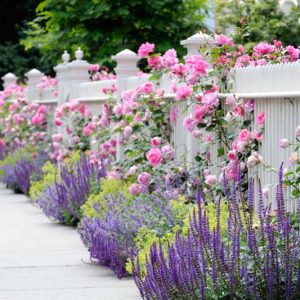
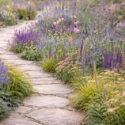
Use: Excellent for mixed borders, pollinator gardens, cottage and wildflower plantings, mass plantings, and containers.
Highlight: Continuous bloom from late spring to frost, especially with deadheading.
Note: Best in full sun and well-drained soil. Drought tolerant once established and often considered deer and rabbit resistant.
| Botanical Name | Salvia farinacea ‘Fairy Queen’ |
|---|---|
| Family | Mint family (Lamiaceae) |
| Common Names | Mealy Sage, Mealycup Sage, Mealy Blue Sage |
| Native Range | Native to Texas and Mexico. |
| Plant Type and Habit | Clump-forming perennial (often grown as an annual in colder regions) |
| Hardiness (approx. USDA) | Hardy in USDA Zones 8-10; grown as an annual elsewhere |
| Height | 12-18 in. (30-45 cm) in typical garden conditions |
| Spread | 12-14 in. (30-35 cm) |
| Spacing | 15 in. (40 cm) for good airflow |
| Sun and Exposure | Best in full sun; light shade tolerated |
| Soil | Prefers evenly moist, well-drained soil; avoid waterlogged sites |
| Seasonal Interest | Late spring to frost (long season) |
| Flower Color | Sapphire blue with a small white spot on each flower |
| Foliage Color | Deep green, narrow and lance-shaped |
| Fragrance | Lightly aromatic foliage (sage family trait) |
| Drought Tolerant | Yes (once established) |
| Heat Tolerant | Yes |
| Humidity Tolerant | Yes |
| Pollution Tolerant | Yes |
| Nectar / Pollen | Yes (nectar-rich flowers) |
| Attracts | Bees, butterflies, hummingbirds, and beneficial insects |
| Deer / Rabbit | Often considered deer resistant and rabbit resistant |
| Toxicity | Generally grown as an ornamental; avoid ingestion and use standard garden caution |
| Invasive Status | Not typically considered invasive in gardens |
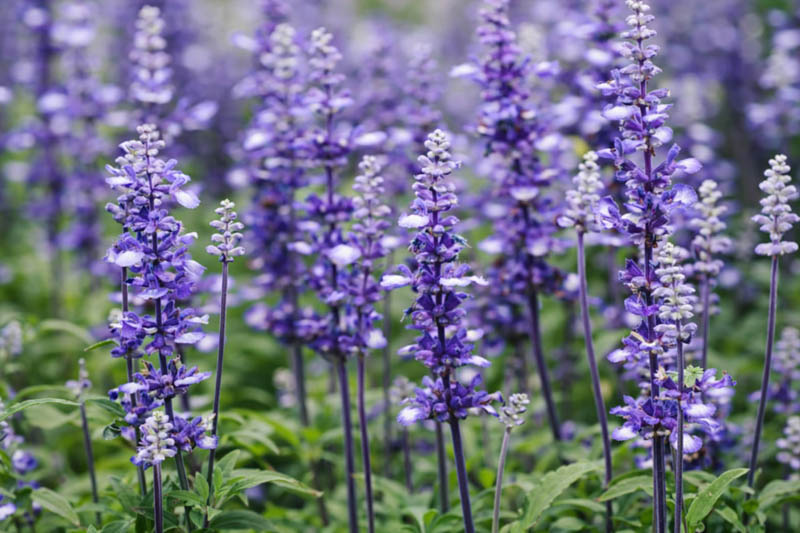
Salvia farinacea is a flowering sage prized for its tall, tidy bloom spikes and its “always looks put together” habit. The flowers are tubular and densely packed on upright stems, while the calyces and bracts often look lightly dusted or powdery – that is the “mealy” feature behind the common name. The foliage is narrow, lance-shaped, and typically fresh to deep green, giving the plant a clean, fine-textured base that works in almost any planting style.
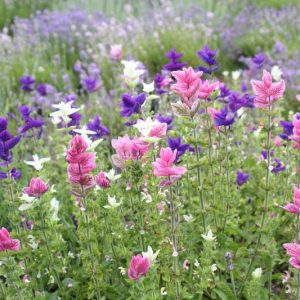
In the cultivar ‘Fairy Queen’, the big upgrade is the little detail that changes everything: each sapphire blue flower has a small white spot. From a distance you read it as rich blue color. Up close you get that bicolor sparkle – the kind of garden moment that makes people lean in and ask, “What is that?” It still has a neat clumping habit, still blooms for months, and still behaves like a warm-season workhorse in beds and patio containers.
This species is native to the south-central United States, particularly Texas, and northeast Mexico. In gardens, it is commonly grown both as a warm-zone perennial and as a high-performing annual in cooler climates. If you are building a habitat-style planting, it is a dependable wildlife plant that fits beautifully into sunny, drought tolerant, native-inspired landscapes.
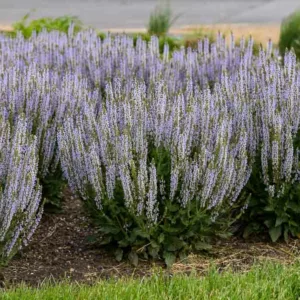
Mealy Sage forms an upright, clumping plant that typically stays compact and neat. ‘Fairy Queen’ is known for a well-branched, multi-stem habit that fills in without getting wild. In typical garden conditions it usually reaches about 12-18 inches tall (30-45 cm) and about 12-14 inches wide (30-35 cm). That size is pure garden gold: it is large enough to read as a real design element, but compact enough to tuck into small beds, repeat through borders, or use as a reliable “thriller” in containers.
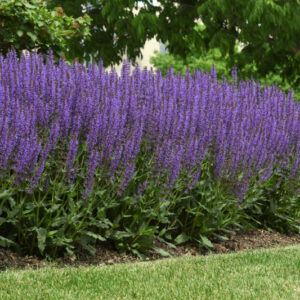
Here is the headline feature: the bloom season is long. Salvia farinacea typically flowers from late spring into fall, and ‘Fairy Queen’ keeps the show going from late spring to frost with routine deadheading. The small, tubular flowers form dense spikes that read as a strong block of blue from a distance. Then you step closer and notice the tiny white dot on each bloom – that is the “Fairy Queen” signature look.
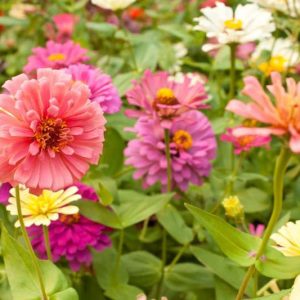
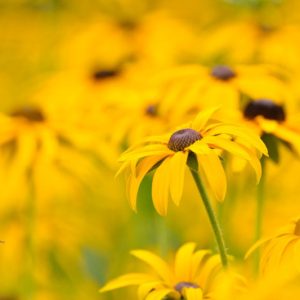
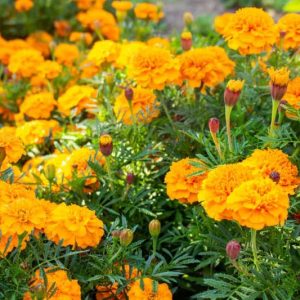
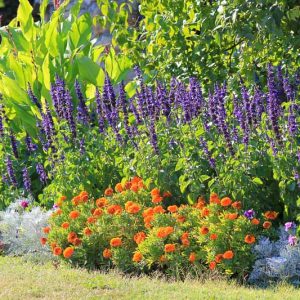
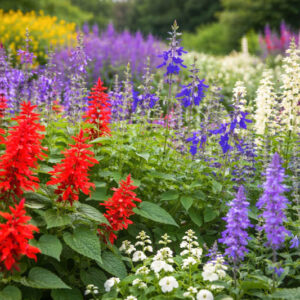
Bonus: those spikes also make excellent cut flowers and complement dried arrangements. If you like bouquets with vertical lines and airy structure, a few stems of ‘Fairy Queen’ instantly make an arrangement feel more designed. The blue tone plays nicely with warm colors (rudbeckia, marigolds, zinnias) and also looks elegant with whites and silvers for a softer palette.
The foliage is narrow, deep green, and stays tidy – even when the plant is in full bloom. In warm zones (8-10), the plant can behave like a perennial. In colder zones, it is commonly grown as an annual because it delivers so much color in one season. Either way, the foliage acts like a clean backdrop for showier blooms nearby, while the blue spikes add vertical movement and rhythm all summer long.
Salvia farinacea is generally perennial in USDA Zones 8-10. Outside those zones, it is commonly grown as an annual. In cold-winter areas, it is still worth planting because it blooms for months, handles heat well, and rarely throws a tantrum if the weather shifts.
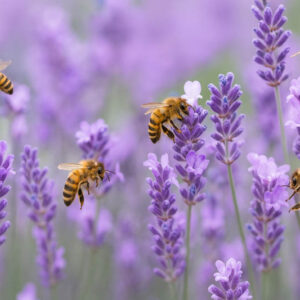
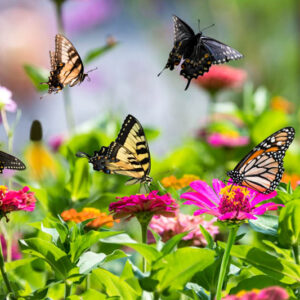
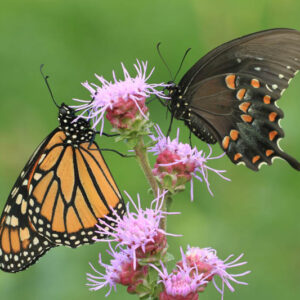
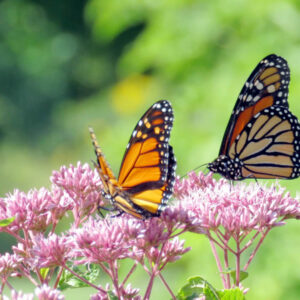
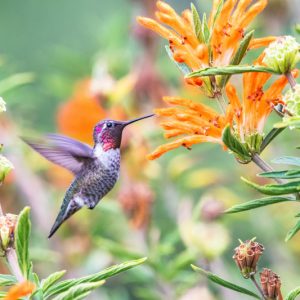
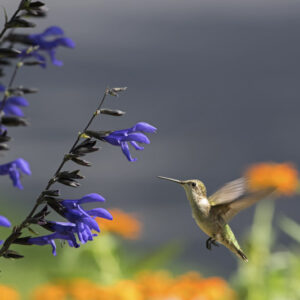
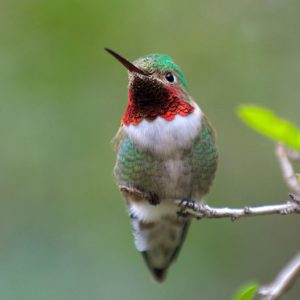
Salvia farinacea ‘Fairy Queen’ is a pollinator magnet. Those long spikes of nectar-rich blooms draw bees, butterflies, and hummingbirds for months. In a garden design sense, this is the sweet spot: a plant that looks great and does real ecological work.
Mealy Sage is commonly considered deer resistant and often avoided by rabbits as well. The aromatic foliage helps, though no plant is completely browse-proof when animals are hungry enough. Still, if browsing pressure is a recurring theme in your garden, ‘Fairy Queen’ is a smart, low-drama pick.
Once established, Salvia farinacea is drought-tolerant, making it excellent for low-water gardening, hot summers, and xeriscape-friendly designs. It will bloom best with occasional deep watering during extended heat spells, but it is far less thirsty than many other long-blooming ornamentals.
Salvia farinacea is grown primarily as an ornamental. As with most garden plants, avoid ingestion and keep routine garden safety in mind for pets and kids.
Mealy Sage is generally well-behaved in garden settings. It forms clumps rather than running aggressively, and any self-seeding is typically manageable with deadheading and basic maintenance.
A balanced, slow-release fertilizer in spring is usually enough. If you want extra bloom power, a light feeding every 4-6 weeks during peak growth can help – just do not overdo it, because excess fertilizer can push leafy growth at the expense of flowers. In many gardens, ‘Fairy Queen’ performs beautifully in average soil with minimal feeding.
This is generally a tough plant, but keep an eye out for the usual suspects. You might see aphids on tender growth or spider mites in hot, dry conditions. A strong spray of water, good airflow, and encouraging beneficial insects often keeps problems minor.
For even more inspiration when building colorful, water-wise plantings, these guides can help you choose companions that thrive in similar conditions:
Yes. Once established, Salvia farinacea ‘Fairy Queen’ is drought tolerant. Water regularly for the first few weeks after planting, then switch to deep, occasional watering – especially during prolonged heat or if grown in containers.
Salvia farinacea ‘Fairy Queen’ blooms profusely from late spring to frost in many climates. Deadheading spent flower spikes keeps new spikes coming and helps maintain the strongest color display.
Salvia farinacea ‘Fairy Queen’ features sapphire blue flowers, each accented with a small white spot. The blooms are densely packed along upright flower spikes for a bold, bicolored look.
Salvia farinacea ‘Fairy Queen’ typically forms thick, rounded clumps about 12-18 inches tall (30-45 cm) and 12-14 inches wide (30-35 cm), making it a compact choice for borders and containers.
Full sun is best for the most blooms, the richest blue color, and the strongest, most upright spikes. ‘Fairy Queen’ tolerates light shade, but flowering may be lighter and plants can get a bit looser.
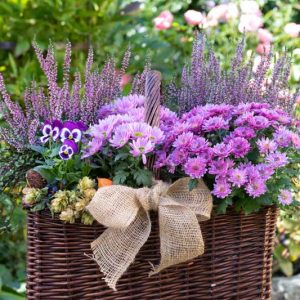
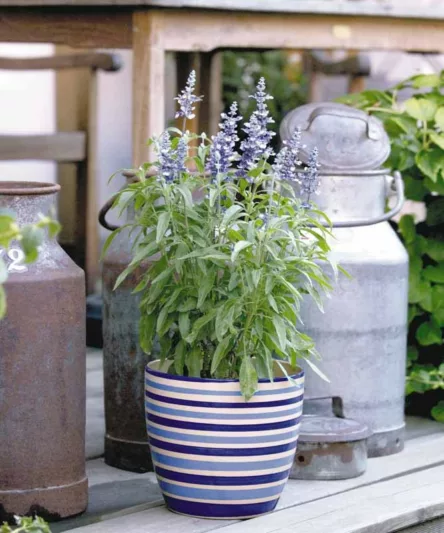
Yes. Its compact, clumping habit and upright flower spikes make Salvia farinacea ‘Fairy Queen’ an excellent container ‘thriller’. Use a pot with drainage holes, bright sun, and water when the top inch of soil dries out.
It is often considered deer and rabbit resistant thanks to its aromatic foliage, but no plant is completely browse-proof. In areas with high browsing pressure, combine it with physical barriers or repellents for best results.
For the longest bloom season, deadhead spent spikes regularly. Plant in full sun, avoid heavy nitrogen fertilizer, and water deeply during extended drought. These simple steps keep ‘Fairy Queen’ pushing fresh blue spikes from late spring to frost.
Salvia farinacea is perennial in USDA Zones 8-10. In cooler regions, ‘Fairy Queen’ is commonly grown as an annual, where it still delivers months of blooms from late spring to frost.
Updated: January 2026 • Reviewed by Gardenia Editors
| Hardiness |
8 - 10 |
|---|---|
| Heat Zones |
1 - 12 |
| Climate Zones | 7, 8, 9, 10, 12, 13, 14, 15, 16, 17, 18, 19, 20, 21, 22, 23, 24, H1, H2 |
| Plant Type | Annuals, Perennials |
| Plant Family | Lamiaceae |
| Genus | Salvia |
| Common names | Blue Sage, Mealy Cup Sage, Sage |
| Exposure | Full Sun |
| Season of Interest | Spring (Late), Summer (Early, Mid, Late), Fall |
| Height | 1' - 2' (30cm - 60cm) |
| Spread | 1' - 2' (30cm - 60cm) |
| Spacing | 15" (40cm) |
| Maintenance | Low |
| Water Needs | Average |
| Soil Type | Loam, Sand |
| Soil pH | Acid, Alkaline, Neutral |
| Soil Drainage | Moist but Well-Drained |
| Characteristics | Dried Arrangements, Cut Flowers, Fragrant, Showy |
| Tolerances | Drought, Deer, Rabbit, Dry Soil, Clay Soil, Heat |
| Attracts | Bees, Butterflies, Hummingbirds |
| Garden Uses | Banks And Slopes, Beds And Borders, Patio And Containers, Wall-Side Borders |
| Garden Styles | City and Courtyard, Coastal Garden, Informal and Cottage, Mediterranean Garden |
| Toxic to Humans | No known toxicity |
| Toxic to Cats | No known toxicity |
| Toxic to Dogs | No known toxicity |
| Toxic to Horses | No known toxicity |


| Hardiness |
8 - 10 |
|---|---|
| Heat Zones |
1 - 12 |
| Climate Zones | 7, 8, 9, 10, 12, 13, 14, 15, 16, 17, 18, 19, 20, 21, 22, 23, 24, H1, H2 |
| Plant Type | Annuals, Perennials |
| Plant Family | Lamiaceae |
| Genus | Salvia |
| Common names | Blue Sage, Mealy Cup Sage, Sage |
| Exposure | Full Sun |
| Season of Interest | Spring (Late), Summer (Early, Mid, Late), Fall |
| Height | 1' - 2' (30cm - 60cm) |
| Spread | 1' - 2' (30cm - 60cm) |
| Spacing | 15" (40cm) |
| Maintenance | Low |
| Water Needs | Average |
| Soil Type | Loam, Sand |
| Soil pH | Acid, Alkaline, Neutral |
| Soil Drainage | Moist but Well-Drained |
| Characteristics | Dried Arrangements, Cut Flowers, Fragrant, Showy |
| Tolerances | Drought, Deer, Rabbit, Dry Soil, Clay Soil, Heat |
| Attracts | Bees, Butterflies, Hummingbirds |
| Garden Uses | Banks And Slopes, Beds And Borders, Patio And Containers, Wall-Side Borders |
| Garden Styles | City and Courtyard, Coastal Garden, Informal and Cottage, Mediterranean Garden |
| Toxic to Humans | No known toxicity |
| Toxic to Cats | No known toxicity |
| Toxic to Dogs | No known toxicity |
| Toxic to Horses | No known toxicity |
How many Salvia farinacea ‘Fairy Queen’ (Mealy Sage) do I need for my garden?
| Plant | Quantity | |
|---|---|---|
| Salvia farinacea ‘Fairy Queen’ (Mealy Sage) | N/A | Buy Plants |
Create a membership account to save your garden designs and to view them on any device.
Becoming a contributing member of Gardenia is easy and can be done in just a few minutes. If you provide us with your name, email address and the payment of a modest $25 annual membership fee, you will become a full member, enabling you to design and save up to 25 of your garden design ideas.
Join now and start creating your dream garden!
Create a membership account to save your garden designs and to view them on any device.
Becoming a contributing member of Gardenia is easy and can be done in just a few minutes. If you provide us with your name, email address and the payment of a modest $25 annual membership fee, you will become a full member, enabling you to design and save up to 25 of your garden design ideas.
Join now and start creating your dream garden!