Verbascum (Mullein) - Guides
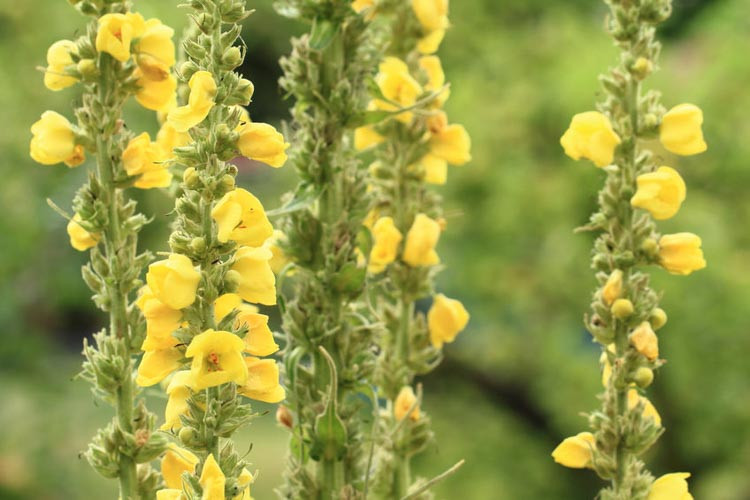
Think you know mullein? The genus Verbascum is full of surprises and character! These bold beauties aren’t just roadside wonders—they’re architectural giants, pollinator powerhouses, and steeped in centuries of quirky lore. For instance, the giant silver mullein (Verbascum bombyciferum) grows a huge rosette of silvery leaves in its first year, then erupts into a dramatic silvery spike dotted with soft yellow blooms that butterflies and bees adore.
Not all verbascums are the same! dark mullein (Verbascum nigrum) features golden flowers with purple stamens, blooming for months and luring in beneficial insects and birds. Like many of their cousins, they reseed themselves reliably, popping up year after year—true survivors in sunny gardens.
The most famous of all is great mullein (Verbascum thapsus), known for its super-soft, fuzzy leaves and statuesque yellow-flowered spikes. Historically, its leaves lined shoes for warmth, inspired countless folk names (from “Aaron’s Rod” to “Witch’s Taper”), and supplied torches for nighttime festivals—talk about versatile!
Mulleins thrive where other plants won’t—hot, dry, gravelly banks are their runway. Their stately spires look stunning in naturalistic, cottage, or gravel gardens, and they’re blissfully deer– and rabbit–resistant. They’re also champions for pollinators, attracting bees, butterflies, and even hummingbirds.
Concerned about local ecosystems? Explore these native plant alternatives to great mullein to support regional biodiversity while still enjoying bold forms and cheerful blooms. In short, mullein is a botanical original—part folklore, part wild beauty, all heart!