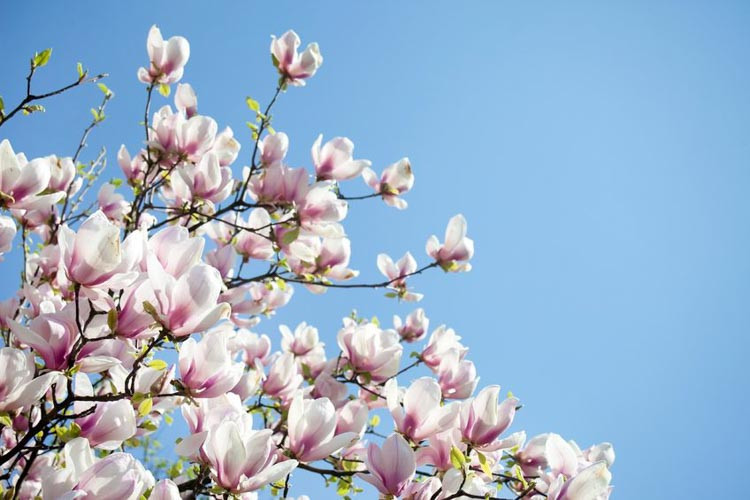
Magnolia Guides
Thinking about adding a magnolia tree to your yard? Great choice. Start by browsing the breadth of the genus here: Magnolia. With options from compact shrubs to statuesque evergreens, there’s a magnolia for nearly every space and style.
Right plant, right place. If space is tight, explore petite selections ideal for courtyards and town gardens: magnolias for small gardens. Want a quick overview of what’s out there? Scan the roundup of popular magnolia trees & shrubs. Classic choices include the glossy evergreen Southern Magnolia, delicately starry Star Magnolia, floriferous Saucer Magnolia, and the graceful, lightly lemon-scented Sweetbay Magnolia. Feeling sunny? Consider yellow-flowering magnolias.
Site & soil. Magnolias prefer full sun to light shade and moist, well-drained, slightly acidic soil. Avoid windy, frost-prone hollows—early buds can be nipped. Give roots room; they’re shallow and dislike disturbance.
Planting tips. Dig a hole 2–3× wider than the root ball but no deeper. Set the root flare at or just above grade. Backfill with native soil, water to settle, then mulch 2–3 in (keep mulch off the trunk). Container trees establish fastest.
Water & feed. Deeply soak weekly for the first two seasons. Once established, water during dry spells to support magnolia flowers and healthy foliage. In spring, top-dress with compost; use a slow-release, acid-forming fertilizer only if growth is weak.
Pruning. Minimal is best. Prune right after flowering (many set next year’s buds early). Remove dead, crossing, or damaged wood; avoid hard winter cuts.
Cold snaps & care calendar. Cover swelling buds with breathable frost cloth before a freeze. For month-by-month pointers, see how to grow & care with success.
Bottom line: Choose the right variety, plant a touch high, mulch, water deeply, and prune lightly—your magnolia will reward you for decades.