Sambucus (Elderberry) - Guides
Thinking about planting elderberry? Smart move. Sambucus is forgiving, fast, and fabulously useful—flowers for cordials, berries for syrups, and loads of wildlife appeal. Here’s the friendly, practical guidance you need to get it right.
Choose the right species. For abundant, kitchen-friendly crops, start with American elderberry (S. canadensis) or the classic European black elder (S. nigra). In the West, the stately blue elderberry (S. cerulea) shines in sun and dry summers. Grow red elder (S. racemosa) mainly for birds and beauty, not the jam pot.
Match plant to purpose. Want fruit and foliage drama? Consider dusky-leaf cultivars of black elder like ‘Black Beauty’ or lacy, cut-leaf ‘Black Lace’.
Give them a good spot. Full sun = more flowers and berries. Plant in rich, moisture-retentive, well-drained soil and mulch generously. A quick refresher on overall needs and options: Sambucus overview.
Prune for productivity. Elders fruit best on 1–3-year canes. Each late winter, remove old, tired canes at the base and thin for airflow; keep a mix of young shoots for steady harvests (extra tips inside the black elder care guide).
Plan your harvest. You can pick fragrant flower heads for syrups and bakes—or let them set for larger berry crops. See exactly when to choose which in Elderflower vs. Elderberry: Choosing the Best Harvest. (Cocktail lovers, peek at edible flower cocktails.)
Cook berries, always. Use only ripe fruit from culinary species and cook before eating.
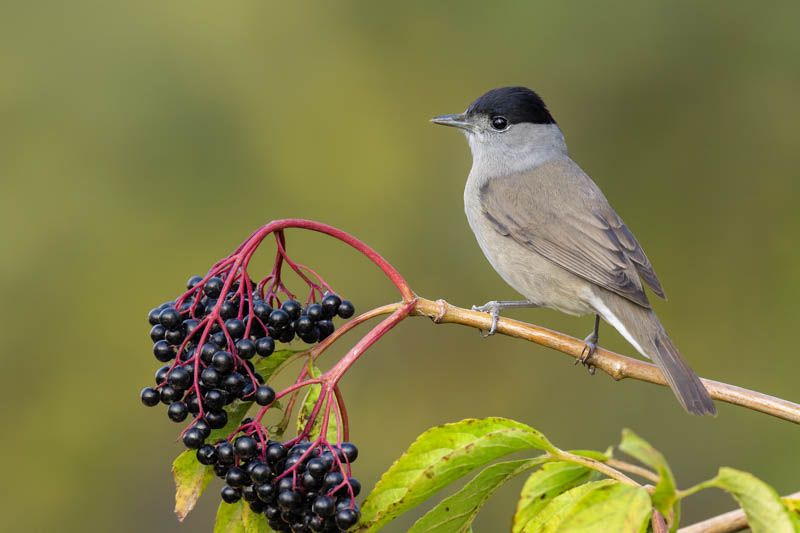
Invite wildlife—on your terms. Elders are bird magnets. Plant extras or net a portion when clusters color. For more bird-friendly planting ideas, see small trees & shrubs that attract birds.
Bottom line: pick the right elder for your climate and goals, plant in sun with steady moisture, prune simply each winter, and decide early whether you’re Team Flowers or Team Berries this season. You’ll be harvesting—and sharing—before you know it.