Physalis (Ground Cherry) - Guides
Think of Physalis as two friendly camps: the edible lantern-bearers you’ll cook with and the ornamental show-offs you’ll grow for glow. For the kitchen, plant tropical-fruity cape gooseberry (P. peruviana), salsa hero tomatillo (P. philadelphica), and candy-sweet ground cherry (P. pruinosa). For luminous color in late summer, try Chinese lantern (P. alkekengi)—ornamental only.
Planting & setup: Give them full sun (6–8 hours), loose, well-drained soil, and steady moisture. Start seeds indoors 6–8 weeks before last frost; transplant after nights hold at 50°F/10°C. Containers work great: 7–10 gal with a simple cage keeps fruit clean and speeds ripening.
Pollination & productivity: Ground cherries and cape gooseberries set well solo, but yields jump with good bee traffic. Tomatillos are happier with two plants for reliable fruit set.
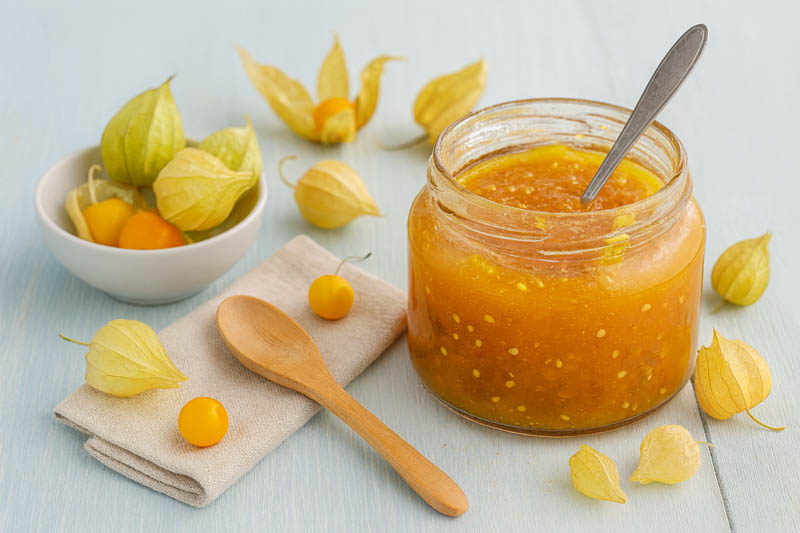
Harvest: Ground cherry: ripe fruit drops in a tan husk—just gather daily. Tomatillo: husk fills and may split; pick from the plant while firm. Cape gooseberry: berries turn deep golden inside a papery lantern. Store fruit in husk cool and dry; refrigerate husked fruit briefly. Great uses: jams and pies (ground cherry), sauces and garnishes (cape gooseberry), salsa verde and roasts (tomatillo).
Safety & special notes: Enjoy ripe fruit only; husks, leaves, and unripe berries aren’t edible. P. peruviana can overwinter indoors bright & cool in frost-free conditions. P. alkekengi spreads by rhizomes—contain with pots or barriers.
Want deeper dives, cultivars, and photos? See the full Physalis genus overview.