Rubus (Bramble Berries) - Guides
Meet Rubus—the caneberry clan behind many backyard legends. These vigorous perennials keep roots for years while canes live two seasons: primocanes grow in year one; floricanes flower, fruit, and retire in year two. Learn that rhythm and pruning becomes simple—and harvests soar.
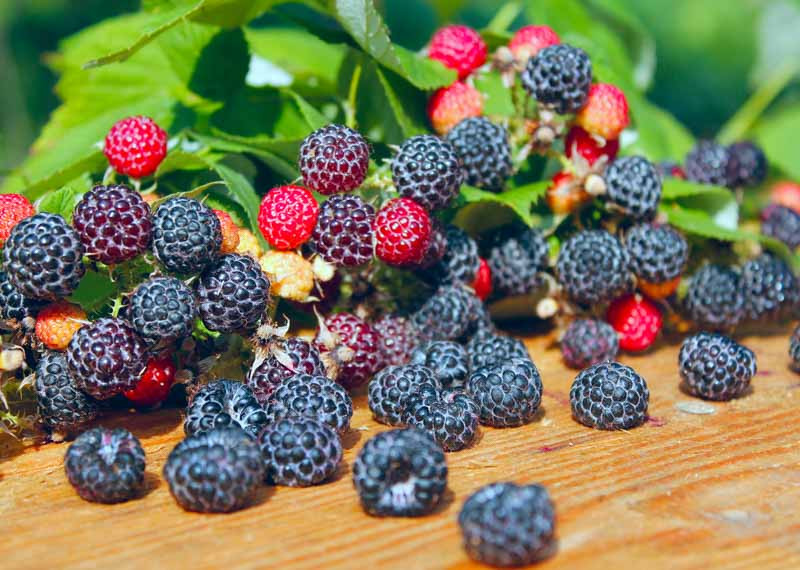
The headliner is the red raspberry (Rubus idaeus), the classic bowl-filler that turns breakfasts into events. In North America, the perfumed, inky-sweet black raspberry (R. occidentalis) has cult-favorite flavor. Gardeners also treasure the common blackberry (R. fruticosus agg.), a bramble superstar with centuries of culinary tradition and modern thornless cultivars for easy picking.
Sun & Soil: Full sun, rich loam, excellent drainage. In clay, mound or use raised rows.
Water: Keep moisture steady from bloom to harvest—drip beats overhead sprinklers.
Space & Air: Keep the fruiting strip narrow (about 18–24 in) for airflow; disease hates breezes.
Trellis: A simple two-wire setup makes picking quicker, cleaner, and easier on your back.
Prune by Cane Age: After fruiting, remove spent floricanes at ground level; keep sturdy primocanes for next season.
Contain the Enthusiasm: Brambles sucker—great for filling a row, but edge or mow to keep them where you want them.
New to caneberries or want a deeper dive on benefits, uses, varieties, and care? Explore Raspberries: Benefits, Uses, Varieties, and Growing Tips for gardener-tested tactics—from choosing primocane vs. floricane types to storage tricks that keep bowls full and jars clinking.
Bottom line: Give Rubus sun, drainage, and a little structure, and you’ll earn bouquets for the bees and baskets of berries for you.