Discover Utah’s 2023 USDA growing zones with this easy, engaging guide. Learn your exact zone, key frost dates, and the best vegetables, fruits, flowers, and natives to plant across Utah’s diverse climates—from snowy mountain valleys to hot red-rock deserts. Grow smarter, stronger, and more confidently all year.
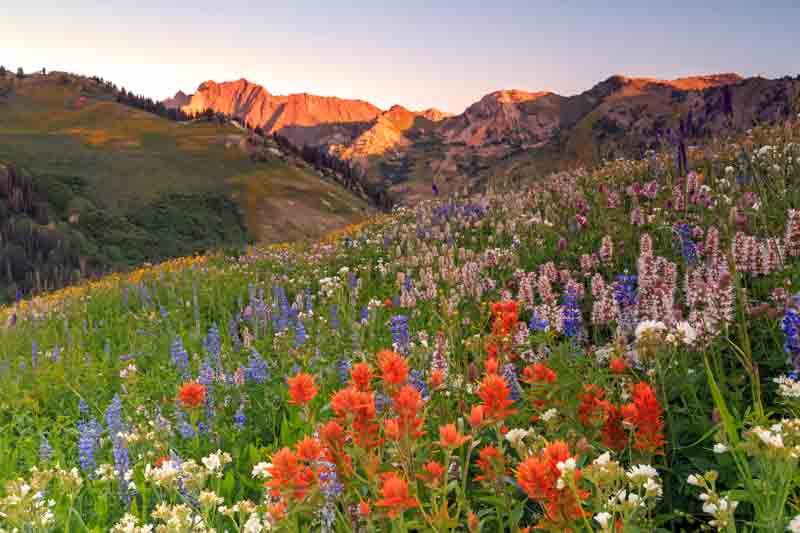


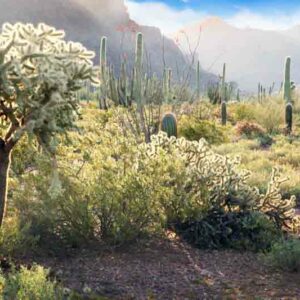
Gardening in Utah might mean an irrigated backyard in Salt Lake City, a fruit-filled lot in Utah County, a xeriscaped front yard in St. George, a high-elevation veggie patch in Logan or Park City, or a canyon-country oasis near Moab. Utah planting zones stretch from snowy mountain valleys to red-rock deserts – each with its own climate personality.
This guide will help you understand your Utah growing zone using the updated 2023 USDA Plant Hardiness Zone Map, plan around frost dates, and choose the best plants for your corner of the Beehive State.
On the 2023 USDA Plant Hardiness Zone Map, Utah runs roughly from zone 4a to zone 9a, based on 30-year averages of the coldest winter temperatures (1991–2020). Colder zones hug high mountain valleys and plateaus, while the balmy southwest around St. George and the “Utah Dixie” region now falls into the warmest zones. Most home gardens land between zones 5b and 7b.
The updated 2023 USDA Plant Hardiness Zone Map uses 30-year climate normals (1991–2020) and higher-resolution elevation and terrain data than earlier versions. In Utah, the map clearly shows colder zones clustered in the high northern valleys and mountain plateaus, with warmer zones creeping up along the Wasatch Front and especially into the southwest corner of the state.
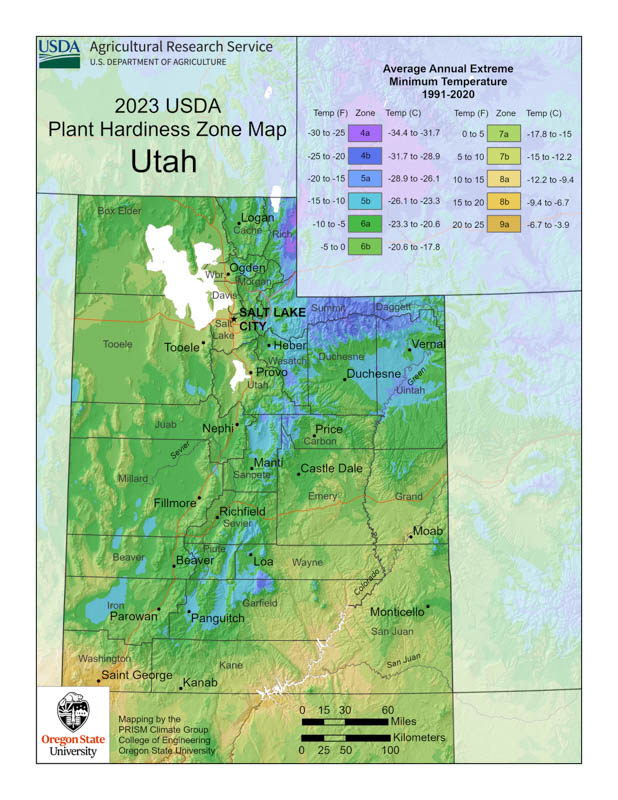
A simplified Utah planting zone map based on the 2023 USDA Plant Hardiness Zone Map (1991–2020 climate data).
Use the map together with your ZIP code to pinpoint your Utah garden zone. Look up your Utah planting zone by ZIP code using the USDA tool, then come back here or visit our Plant Finder for plants tailored to your zone, elevation, and site conditions.
Utah looks like a simple rectangle on the map, but step outside and you find an intricate patchwork of microclimates. Elevation, canyon orientation, lake effect from the Great Salt Lake, wind, irrigation, urban heat islands, and even south-facing masonry walls can nudge your yard a half-zone – or more – warmer or colder than the official map.
This region includes Ogden, Layton, Bountiful, Salt Lake City, West Jordan, South Jordan, Sandy, Draper, Lehi, Orem, and Provo.
Logan, Cache Valley towns, Bear Lake communities, and higher northern valleys share crisp mountain air, long winters, and cool summer nights.
Park City, Heber Valley, Cedar City, Brian Head, and central plateaus mix high elevation with cold winters and bright, dry summers.
Moab, Monticello, Blanding, and surrounding red-rock country blend hot summer days, cool nights, and relatively low humidity.
St. George, Washington, Hurricane, Ivins, and surrounding low-elevation valleys enjoy some of the warmest winters and longest growing seasons in the interior West.
In Utah, frost depends heavily on elevation and local microclimates. A sheltered backyard in St. George may garden nearly year-round, while a high valley near Logan or Park City can see frost from September into May. Your average last and first frosts determine when to plant tomatoes, protect peppers, and tuck cool-season crops into fall beds.
Across Utah, last spring frosts range from mid–late March in the warmest southwest valleys to late May or even early June in colder mountain towns. First fall frosts may hit northern and high-elevation gardens in late September, but often hold off until late October or early November in milder Wasatch Front and southwest locations.
| Region / City | Average Last Spring Frost | Average First Fall Frost | Approx. Frost-Free Days |
|---|---|---|---|
| Salt Lake City (Wasatch Front) | Early–Mid April (around Apr 7–10) | Late October–Early November (around Nov 1–6) | ~190–210 days |
| Ogden / Northern Wasatch | Mid–Late May (around May 20) | Early October (around Oct 4) | ~135–145 days |
| Provo / Utah Valley | Late May (around May 25) | Late September (around Sep 27) | ~120–130 days |
| Logan / Cache Valley | Early May (around May 6–10) | Late September–Early October | ~140–155 days |
| Moab (Canyon Country) | Early–Mid April (around Apr 1–18) | Mid–Late October (around Oct 11–20) | ~180–195 days |
| St. George (Southwest Desert) | Mid–Late March (around Mar 15–25) | Late October (around Oct 22) | ~210–220 days |
Dates summarized from regional climate data and frost-date tools; always check a local forecast and ZIP-code–based lookup for the most precise information for your garden.
Use these frost dates as flexible guidelines – your own yard may be warmer or cooler depending on elevation, wind exposure, reflected heat from walls and rock, irrigation, lake effect, and urban heat. They’re averages, not guarantees, so keep an eye on the forecast during spring and fall cold snaps and protect tender plants when temperatures dip toward freezing.
Once you know your Utah planting zone – and whether you garden along the Wasatch Front, in a cool mountain valley, or under hot St. George sun – you can work with your climate instead of fighting it. Focus on plants that tolerate intense UV, alkaline soils, dry air, and big day–night temperature swings. Choose perennials rated for zones 4–9, and time annual plantings around your frost dates and summer heat.
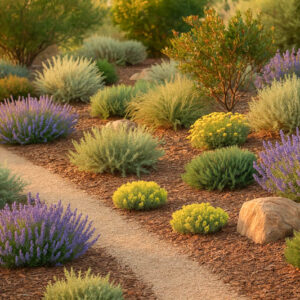
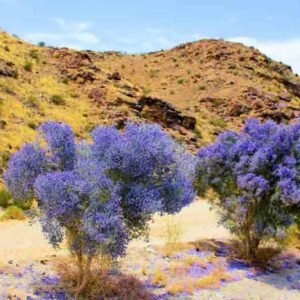
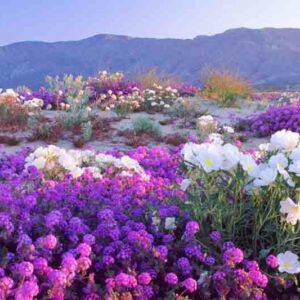
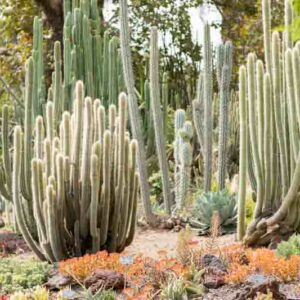
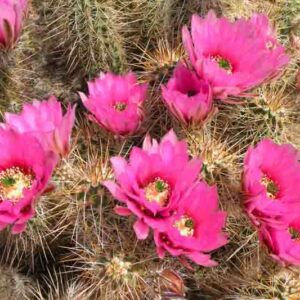
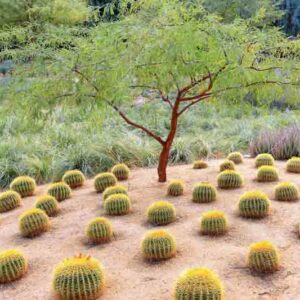
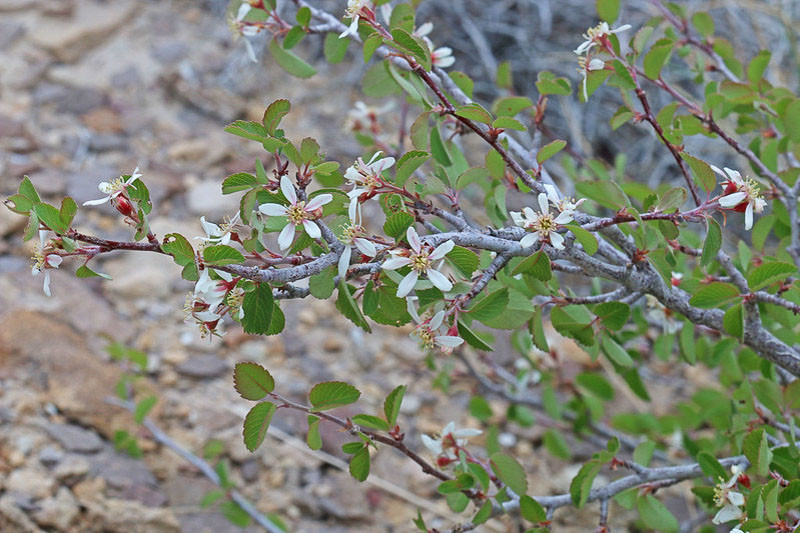
Utah native plants are adapted to local soils, wind, and rainfall – and they feed pollinators, birds, and beneficial insects. Mix native wildflowers, shrubs, trees, cacti, and grasses for a resilient, wildlife-friendly landscape that feels authentically Utah.
Tap a month to see what to plant in Utah by zone. Use this as a starting point, then adjust for your exact frost dates, elevation, and whether you garden along the Wasatch Front, in a cool mountain valley, or in the warm southwest desert.
Utah gardeners juggle intense sun, drying canyon winds, alkaline soils, monsoon storms, and shifting hardiness zones. These tips help plants thrive from zones 4a to 9a:
While USDA hardiness zones (4a–9a in Utah on the 2023 map) tell you how cold it gets in winter, they don’t capture summer heat, monsoon timing, or length of growing season. For Western gardeners, the Sunset Western Garden climate zones are often more precise, factoring in elevation, humidity, and seasonal rainfall. Utah spans everything from snowy high-mountain Sunset zones to hot, dry low-desert zones with Sunset climate zones 1,2,3 and 10. So consulting both USDA and Sunset maps gives the clearest picture of what will thrive in your yard.
Now that you understand your Utah planting zone, frost dates, and regional climate, you’re ready to choose plants that match your conditions and build a thriving mountain – or desert – garden. Blend edible crops, flowering perennials, and native plants for a landscape that feeds both your household and local wildlife. Curious how Utah compares to other regions? Visit our national USDA planting zone guide to explore growing zones across the United States.
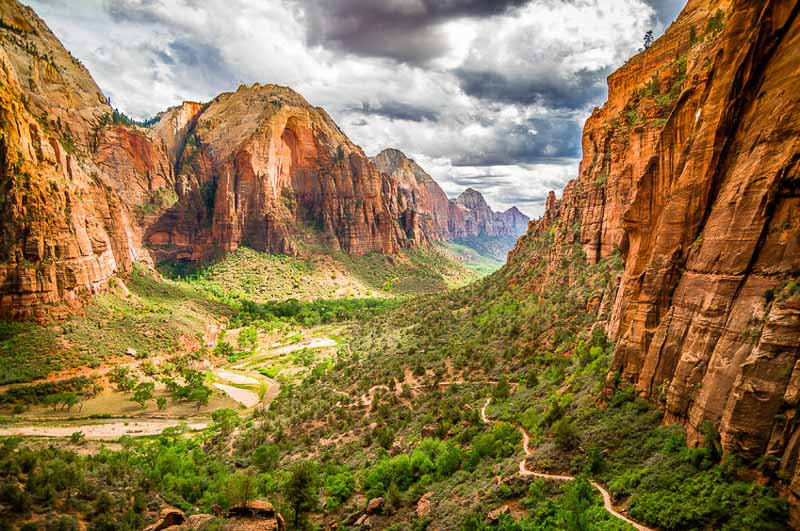
On the 2023 USDA Plant Hardiness Zone Map, Utah spans roughly zones 4a to 9a. Coldest zones sit in high mountain valleys and plateaus, while the warmest zones are in the far southwest around St. George and nearby communities. Most home gardens fall between zones 5b and 7b.
Salt Lake City is generally in USDA zone 7a to 7b on the 2023 map. That means average extreme winter lows are roughly 0°F to 10°F, with last frosts in early to mid April and first frosts in late October to early November, depending on your neighborhood and elevation.
St. George and nearby towns like Washington, Hurricane, and Ivins are usually in USDA zones 8a to 9a. Winters are mild, with last frosts often in March and first frosts in late October. The long frost-free season lets gardeners grow heat-loving crops like melons, peppers, figs, and pomegranates.
Use the official USDA Plant Hardiness Zone Map’s ZIP-code lookup tool. Enter your ZIP code to see your precise zone, then compare that result with what you observe in your own yard—slope, wind, walls, and pavement can make a spot warmer or colder than the map suggests.
Utah averages about 170 frost-free days statewide, but it varies a lot by location. Mountain valleys may see 120–150 frost-free days, while Moab and other canyon towns often enjoy 180–195 days. The warmest southwest valleys near St. George can reach 200–220 frost-free days in many years.
In most Wasatch Front gardens, it is safest to plant tomatoes outdoors from late April to mid May, after your average last frost date and once soil has started to warm. In colder mountain valleys, many gardeners wait until late May or even early June. In St. George, tomatoes can often go out in late March or early April with frost protection.
Often, yes. Northern and high-elevation gardens do best with cold-hardy varieties and shorter-season crops, while southern and southwest gardens can support long-season, heat-loving crops and more tender perennials. Always match plants to your USDA zone, frost dates, and local microclimate.
USDA zones are a crucial starting point, but they only describe winter cold. Utah’s intense summer sun, low humidity, strong winds, and elevation changes also matter. For a more complete picture, pair your USDA zone with local frost dates and, if possible, Sunset climate zones, then choose plants labeled drought tolerant or adapted to high-desert or mountain conditions.
Data sources: 2023 USDA Plant Hardiness Zone Map (1991–2020 normals), NOAA frost-date climatology.
Updated: December 2025 • Reviewed by Gardenia Editors
| Hardiness |
4 - 9 |
|---|---|
| Climate Zones | 1, 1A, 1B, 2, 2A, 2B, 3, 3A, 3B, 10 |
| Native Plants | United States, Rocky Mountains, Utah |
| Toxic to Humans | No known toxicity |
| Toxic to Cats | No known toxicity |
| Toxic to Dogs | No known toxicity |
| Toxic to Horses | No known toxicity |
| Hardiness |
4 - 9 |
|---|---|
| Climate Zones | 1, 1A, 1B, 2, 2A, 2B, 3, 3A, 3B, 10 |
| Native Plants | United States, Rocky Mountains, Utah |
| Toxic to Humans | No known toxicity |
| Toxic to Cats | No known toxicity |
| Toxic to Dogs | No known toxicity |
| Toxic to Horses | No known toxicity |
Create a membership account to save your garden designs and to view them on any device.
Becoming a contributing member of Gardenia is easy and can be done in just a few minutes. If you provide us with your name, email address and the payment of a modest $25 annual membership fee, you will become a full member, enabling you to design and save up to 25 of your garden design ideas.
Join now and start creating your dream garden!
Create a membership account to save your garden designs and to view them on any device.
Becoming a contributing member of Gardenia is easy and can be done in just a few minutes. If you provide us with your name, email address and the payment of a modest $25 annual membership fee, you will become a full member, enabling you to design and save up to 25 of your garden design ideas.
Join now and start creating your dream garden!