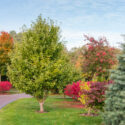
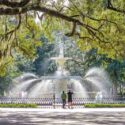
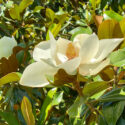
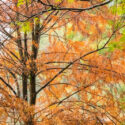
Beat dirty air with street-smart trees that thrive where others fail. London plane, ginkgo, zelkova, coffeetree, hornbeam, river birch, pistache, and tough oaks cool heat islands, trap particulates, shrug off salt and drought, and anchor sidewalks with strong roots—delivering shade, cleaner air, calmer streets, and everyday urban beauty for all.
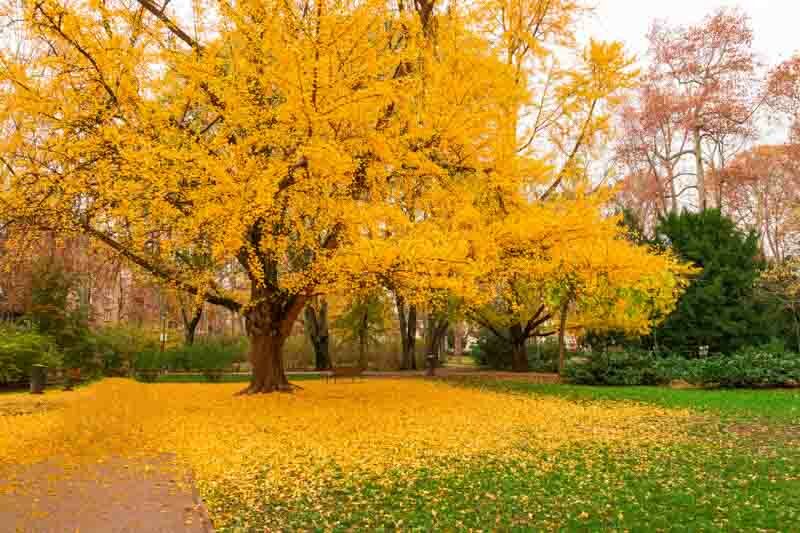


Let’s be honest. City life is tough on trees. Heat radiates off pavement, wind whips down corridors of glass and concrete, soil gets compacted, and the air can be gritty with dust and tailpipe haze. And yet, a well-chosen street tree can change everything. It can cool sidewalks, filter the air, hush the traffic a little, and even nudge us into a better mood on a hard day.
If your city is battling pollution, the trick is not just planting more trees. It is planting the right trees in the right places and then giving them a fair shot at thriving.
Different species excel at different jobs. Rough, hairy, or complex leaf surfaces snag more particulate matter. Some trees are especially good at taking up nitrogen dioxide and ozone. Broad, dense crowns shade streets and buildings, cooling the urban heat island. Deep or fibrous root systems stabilize poor soils and tolerate compacted conditions better than shallow, fragile roots.
There are tradeoffs. Pollen counts matter for public health. Brittle branches spell trouble near roads and power lines. Some trees handle deicing salts or diesel soot better than others. The goal is to match species to site conditions while balancing canopy benefits with low risk.
| 🏅 | Tree Name | Why They Made the Top 5 |
|---|---|---|
| 1 | Ginkgo biloba | Pollution/salt/heat tolerant, reliable, safe for sidewalks |
| 2 | Platanus × acerifolia | Massive canopy, excels at particle capture |
| 3 | Zelkova serrata | Trouble-free street tree, great storm performance |
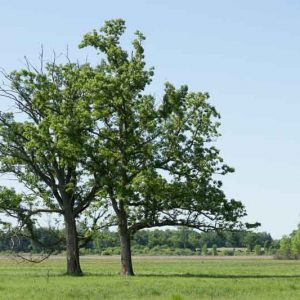
| 4 | Quercus rubra | Classic urban oak, longevity and structure |
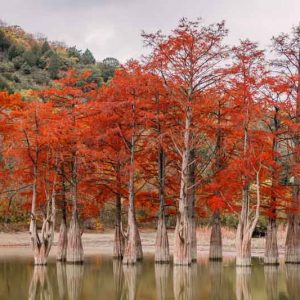
| 5 | Taxodium distichum | Flood/adverse soil resilience, unique urban look |
| Plant Type | Trees |
|---|---|
| Genus | Acer, Betula, Ginkgo, Magnolia, Quercus, Taxodium, Tilia, Ulmus |
| Characteristics | Showy |
| Toxic to Humans | No known toxicity |
| Toxic to Cats | No known toxicity |
| Toxic to Dogs | No known toxicity |
| Toxic to Horses | No known toxicity |
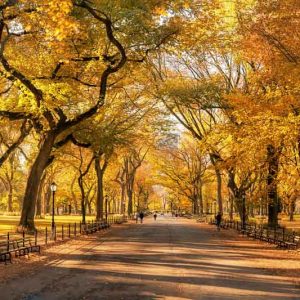
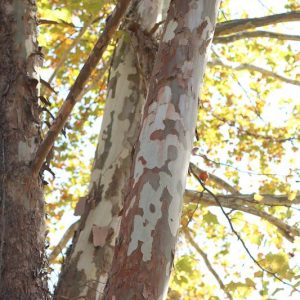
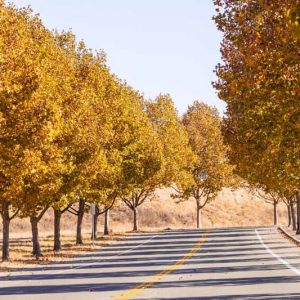


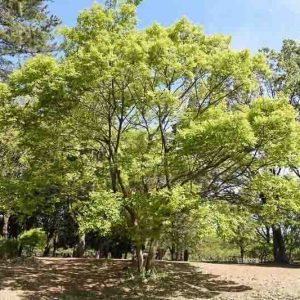
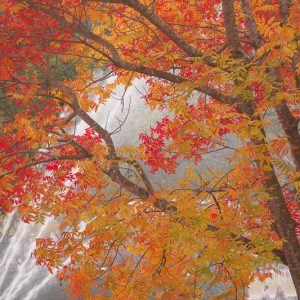
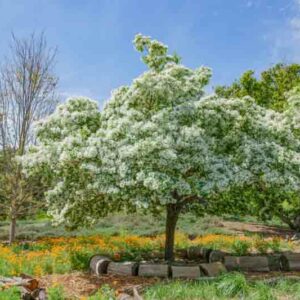
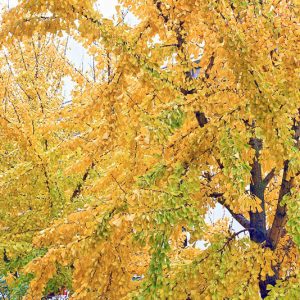
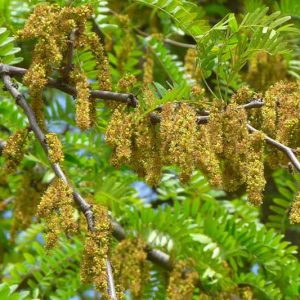
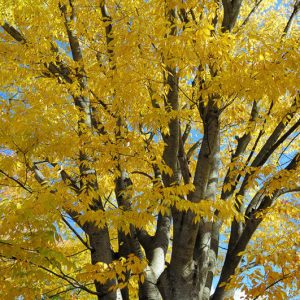
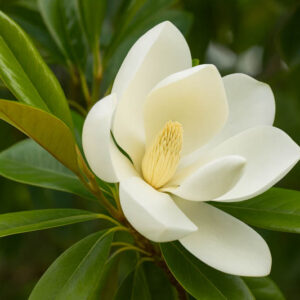
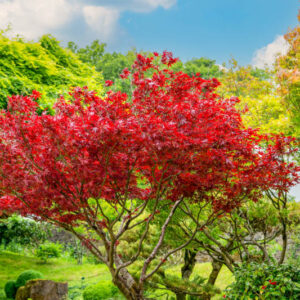
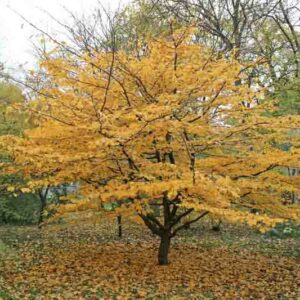
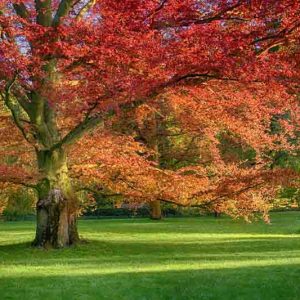
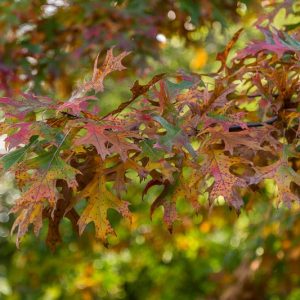
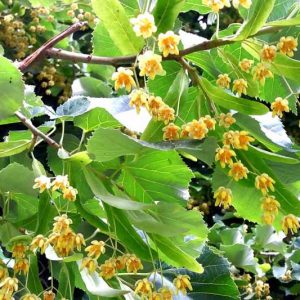
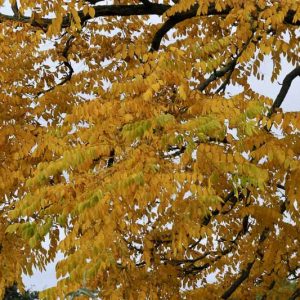
Cities are hard places for trees—but the right trees give cities a softer, cleaner, cooler edge. Pollution-tolerant species keep performing when traffic is heavy, summers are hot, and soils are tired. Here’s how they quietly make everyday urban life better.
Narrow sidewalks, busy arterials, parking lots, transit hubs, school frontages, and heat-stressed blocks. Choose species tested in your climate, match size to the site, and mix varieties to avoid one-pest wipeouts.
Pollution-tolerant trees can withstand urban stresses like poor air quality, dust, ozone, salt, drought, and compacted soil. Key traits include rugged or hairy leaves (help trap particles), low pollen, and VOC (volatile organic compounds) emissions.
Commonly cited are London plane, ginkgo, honey locust, pine, cypress, linden, silver birch, red maple, and zelkova. Conifers and dense-canopy trees trap more airborne particles.
Leaves absorb gases (CO2, NOx, SO2, ozone), trap particulates, and roots can help with soil pollutants. Some trees convert toxic compounds into harmless substances through their metabolic processes.
No. Some, like London plane and birch, can produce a lot of pollen, creating allergies. Low-pollen, low-VOC species are better for sensitive environments.
Native trees often have lower VOC emissions and better survival, but effectiveness depends on site and required ecosystem services.
Not always—species with high VOC emissions or pollen may worsen local air issues. Mixed planting with site-adapted species is advised.
| Plant Type | Trees |
|---|---|
| Genus | Acer, Betula, Ginkgo, Magnolia, Quercus, Taxodium, Tilia, Ulmus |
| Characteristics | Showy |
| Toxic to Humans | No known toxicity |
| Toxic to Cats | No known toxicity |
| Toxic to Dogs | No known toxicity |
| Toxic to Horses | No known toxicity |
Create a membership account to save your garden designs and to view them on any device.
Becoming a contributing member of Gardenia is easy and can be done in just a few minutes. If you provide us with your name, email address and the payment of a modest $25 annual membership fee, you will become a full member, enabling you to design and save up to 25 of your garden design ideas.
Join now and start creating your dream garden!
Create a membership account to save your garden designs and to view them on any device.
Becoming a contributing member of Gardenia is easy and can be done in just a few minutes. If you provide us with your name, email address and the payment of a modest $25 annual membership fee, you will become a full member, enabling you to design and save up to 25 of your garden design ideas.
Join now and start creating your dream garden!