Meet Sambucus, the generous elderberry plant that brightens gardens and kitchens. Learn varieties, simple care, and harvest tips, then turn ripe clusters into elderberry syrup, juice, and tea.
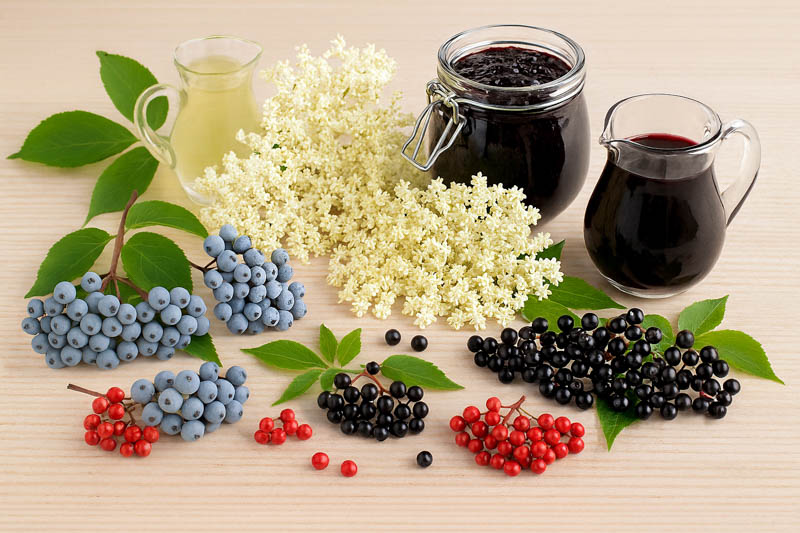


The genus Sambucus covers a surprising diversity: American elderberry for hedges and fruit, ornamental black elder with golden or purple-leaf cultivars, blue elderberry thriving in western mountains, and red elderberry more wildlife plant than kitchen staple. Each species differs in size, climate range, and suitability for food or landscaping.
| Topic | Details |
|---|---|
| Botanical groups | Sambucus nigra (European/black elder), S. canadensis (American elderberry), S. cerulea (blue elder), S. racemosa (red elder), plus ornamental cultivars like golden- and purple-leaf forms. |
| Habit & size | Shrubs to small trees; American elder 5–12 ft; black elder up to 20 ft in Europe; blue elder often tree-like; red elder compact but spreading in cool forests. |
| Typical USDA zones | American 3–9; black elder 5–8 (ornamental forms often 4–8); blue elder 4–9 in western climates; red elder 3–7 in cooler woodland zones. |
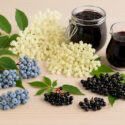
| Flowers & fruit | All bear creamy umbels followed by berries. Black, blue, and American species provide edible berries (cooked). Red elder is valued for wildlife, not preserves. |
| Soil & exposure | Moist, rich soils are ideal, though blue elder tolerates drier slopes. Full sun gives maximum flower and fruit; part shade is tolerated, especially for red elder. |
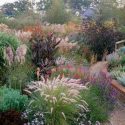
| Landscape uses | Hedges, screens, wildlife habitat, edible borders, ornamental foliage accents. Red elder is superb for naturalistic woodland gardens and bird support. |
If you have ever stood in a nursery peering at tags that say Sambucus nigra or Sambucus canadensis and wondered whether you were looking at an elderberry tree or an elderberry bush, you are in the right place. This conversational guide walks you through what elderberries are, why people love them, how to grow an elderberry plant at home, and the many tasty ways to enjoy them. Along the way we will touch on elderberry benefits, elderberry syrup, elderberry juice, elderberry tea, and the charm of planting an elderberry shrub for beauty as well as bounty. By the end, you will feel confident choosing between american elderberry, blue elderberry, and red elderberry, and you will know exactly how to turn glossy clusters into everyday kitchen treats.
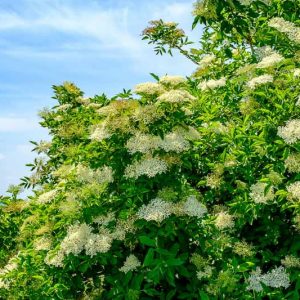
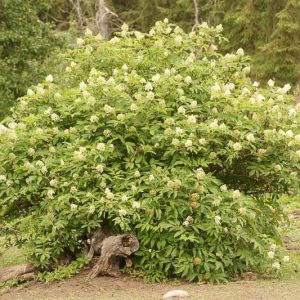
Sambucus includes a handful of garden stars. When people say elderberries, they often mean the fruit of American elder or European Black elder. In the western parts of North America, gardeners also meet Blue elderberry, a handsome species with a natural dusty bloom that makes the fruit appear blue. In cooler mountain or coastal regions you may also encounter Red elderberry, which is treasured by birds but not used for syrup in most home kitchens. Each of these species can be grown as an elderberry shrub or trained into an informal elderberry tree with judicious pruning.
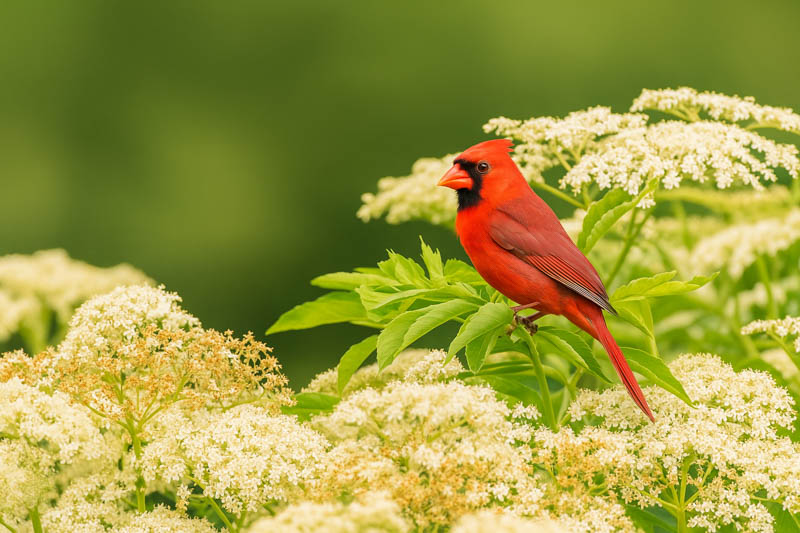
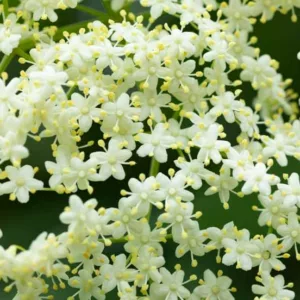
Native to much of North America, this species produces generous clusters of white flowers in late spring followed by dark purple fruit in summer. It thrives in rich soil with steady moisture and is a favorite choice for backyard harvests destined for elderberry syrup, juice, or jam.
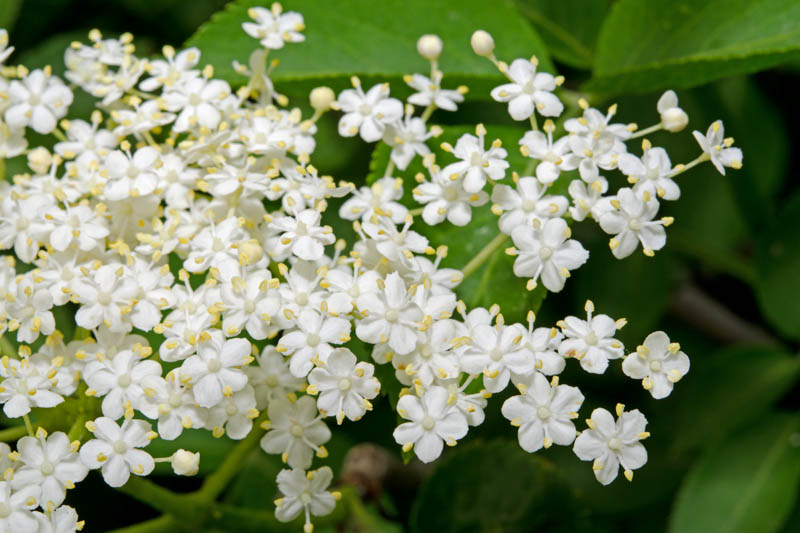
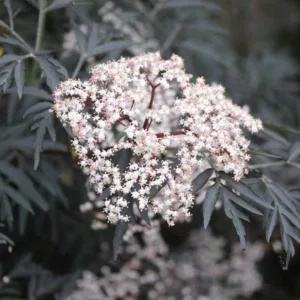
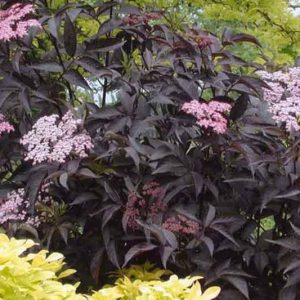
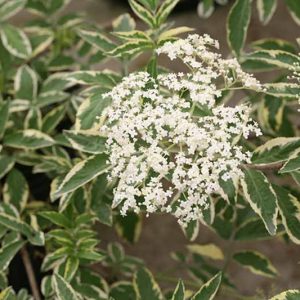
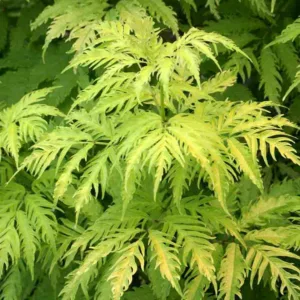
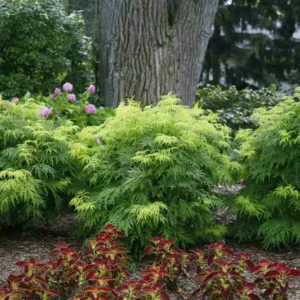
Native to Europe and western Asia, the black elder forms a tall shrub or small tree with creamy-white flower clusters followed by glossy black fruit. It is widely grown both for ornamental cultivars with dramatic foliage and for culinary projects.
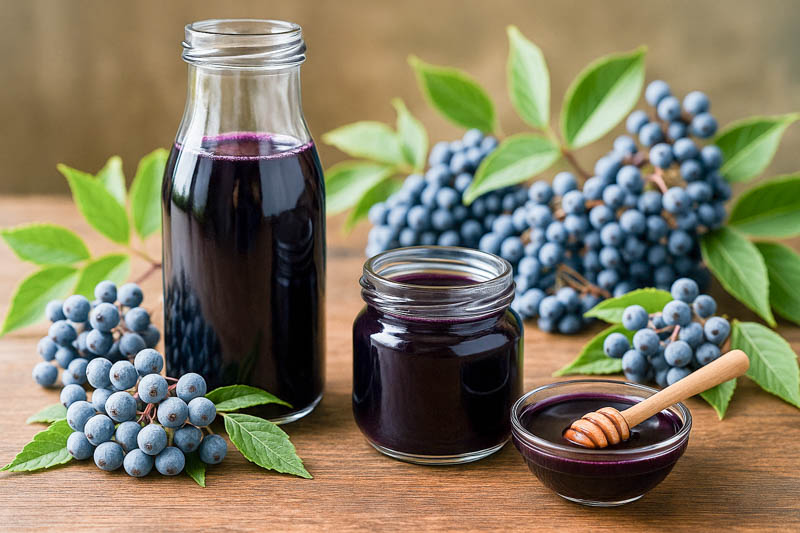
Native to western North America, this species thrives on sun-washed slopes and open woodlands. Its berries develop a natural wax coating that gives them a dusty blue appearance. Blue elderberry grows tall and tree-like and provides important food for wildlife.
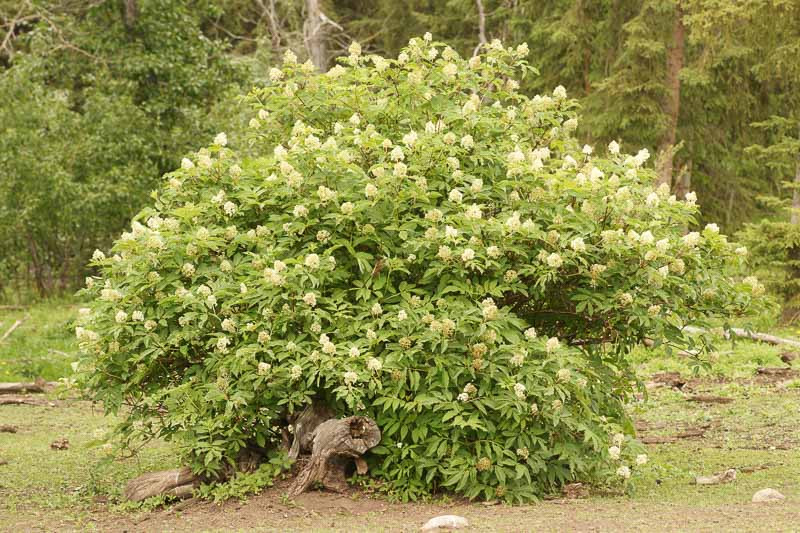
Native across cool temperate regions of the Northern Hemisphere, red elderberry bears bright scarlet fruits earlier than dark-fruited elders. It is prized more for its ornamental appeal and ecological value than for kitchen use.
People plant elderberry shrubs for three big reasons.
Those are the obvious uses, and creative cooks keep going.
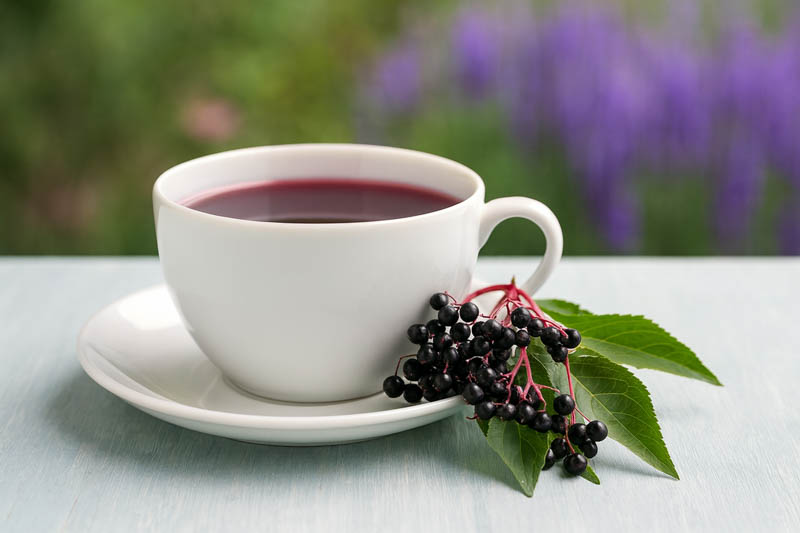
Elderberries have been valued for centuries, and modern studies suggest they may offer several helpful effects when properly prepared. Here are some of the benefits most often highlighted:
Important note: Raw berries, leaves, and stems can contain compounds that are not safe to eat. Always cook ripe fruit from the safe species (S. nigra, S. canadensis, S. cerulea) before use, and check with a qualified professional if you are pregnant, nursing, or managing a health condition.
For kitchen projects: Pick american elderberry selections known for large clusters and reliable set. Pair two choices for a friendly pollination boost.
For dry summer gardens: Blue elderberry offers beauty with admirable toughness once established. Provide regular water during the first seasons and then deep sessions during long dry spells.
For wildlife value and bright color: Red elderberry feeds birds at a busy time of year and adds a dramatic show. Place it where you can watch the morning crowd of visitors.
For small spaces: Look for compact selections and keep up with annual thinning. An elderberry shrub can stay trim with regular attention, and a container grower can enjoy flowers and a modest harvest with a large pot and consistent watering.
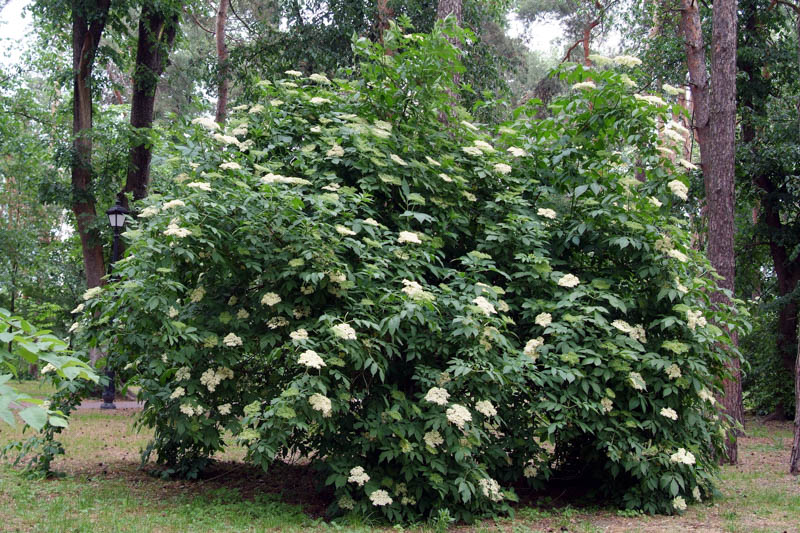
Sun: Full sun gives the strongest bloom and fruit set. In very hot regions a touch of afternoon shade keeps foliage fresh and reduces stress during the warmest weeks.
Soil: Aim for rich, well-drained ground that still holds moisture. Blend generous compost or leaf mold into planting areas. A soil pH near neutral is fine, and a slightly acidic reading is also acceptable.
Spacing: Expect a mature width of two to three meters for many selections. Give each elderberry plant room to fan out and allow air movement, which helps keep foliage clean and fruit clusters easy to harvest.
Water: Consistent moisture is vital during establishment. After the roots reach deeper layers, blue elderberry tolerates dry periods better than most, while american elderberry appreciates regular deep watering during long dry spells.
Companions: Spring bulbs, edible herbs, and pollinator friendly perennials (such as bee balm, anise hyssop, echinacea, and black-eyed Susan) make lovely partners. The flowers attract bees and other helpful insects, which support good fruit set for all your shrubs and small trees nearby.
Elderberries are most productive on canes that are 1–3 years old. Keep your shrub healthy and fruitful with this easy yearly routine:
| Season | Tasks |
|---|---|
| Late winter and early spring | Prune out dead and oldest canes, add compost, check irrigation lines, plant new stock while soil is workable |
| Spring to early summer | Mulch to conserve moisture, water evenly, watch for flower clusters and pollinator activity, tie in any wind-tossed stems |
| Midsummer | Harvest ripe clusters, net a portion of the plant if birds are heavy visitors, keep soil moisture steady |
| Fall | Remove spent fruiting stems, top dress with compost, deep water before winter in dry regions |
| Winter | Review plant structure, plan any rejuvenation cuts for the next pruning window |
Flowering typically begins in late spring, and the flat topped clusters are striking in the garden and irresistible to pollinators. To encourage fruit, keep soil evenly moist after flowering.
If you are growing for the kitchen, consider netting a portion of the plant when the clusters begin to color. Birds enjoy elderberries as much as humans do, and sharing is easier if you save a branch or two for your own recipes. Elderflowers vs Elderberries: Uses, Safety & When to Harvest
Use this quick guide from garden to glass.
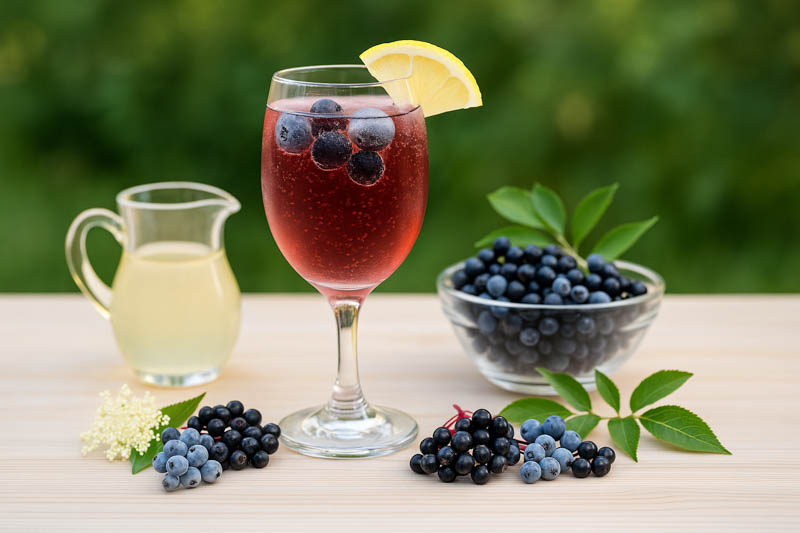
Pantry friendly elderberry syrup: Simmer ripe berries with water until they collapse. Strain through a fine sieve. Stir in honey or sugar while warm. Add a squeeze of lemon. Store in the refrigerator and use within a few weeks, or freeze for longer storage.
Sparkling elderberry juice spritzer: Mix a small measure of syrup or reduced juice with sparkling water and a twist of citrus. Add a few frozen berries as playful ice cubes.
Evening elderberry tea: Combine dried elderberries with a slice of fresh ginger and a curl of lemon peel. Simmer gently, strain, and sip.
Roasted fruit pan sauce: Deglaze a skillet with a splash of elderberry juice, add a spoon of jam, whisk with pan drippings, and finish with a pat of butter for a glossy glaze over roasted vegetables or poultry.
Flower fritters: In regions where it is customary and with the right species, dip fresh elderflower heads in a light batter, fry until crisp, dust with sugar, and serve warm. Always confirm correct identification and local guidance before using flowers this way.
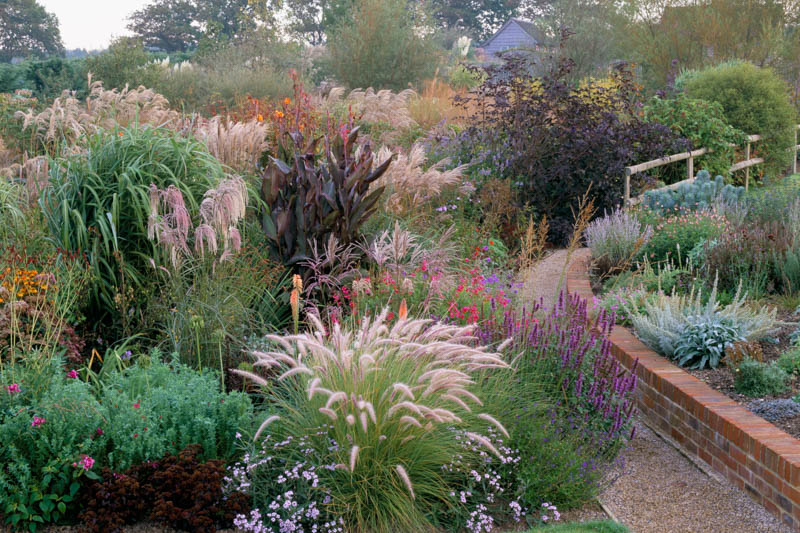
Hedgerow charm: Alternate American/black elders along a fence and interplant with fruiting allies for a long, tasty season. Keep any mint confined to containers so it doesn’t creep into the hedge.
Blue elderberry as a feature: Train Sambucus cerulea into a lifted, multi-stem “tree” and weave in pollinator perennials for long bloom and movement around the canopy.
Red elderberry for habitat: Tuck Sambucus racemosa at the back of a native border and surround it with moisture-loving species that feed pollinators and birds through the season.
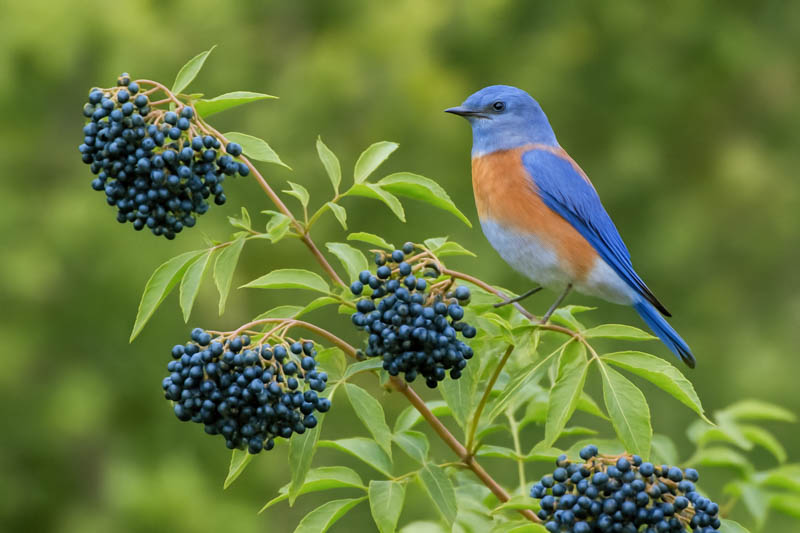
Sambucus is a genus of shrubs and small trees, best known for species like S. nigra (European black elder), S. canadensis (American elder), S. racemosa (red elder), and S. cerulea (blue elder).
No. Only ripe, cooked berries of black, blue, or American elderberry are safe for humans. Red elderberries should not be eaten raw, and all raw berries, leaves, stems, and roots from any Sambucus can cause nausea or worse. Always cook berries before eating.
Elderberries are popular for making syrup, jams, jellies, tea, wine, and baked goods; elderflowers are also used for teas and cordial.
Many elderberry supplements are marketed for immune support, but scientific evidence is mixed; most experts recommend them as a food, not as a medicine.
A typical adult serving for cooked elderberry syrup is about one tablespoon; always follow product or recipe guidance and never eat raw berries in quantity
Most species are partially self-fertile but produce better with another compatible variety nearby for cross-pollination.
Only properly cooked elderberries should be given, and all raw parts are toxic. Consult a doctor or vet for specific dietary questions regarding supplements or large quantities.
Elderberries attract pollinators, support many bird species (with fruit), and provide habitat for native bees.
Sambucus brings beauty, ecological value, and kitchen fun in one generous package. Choose a species that suits your climate, give it sun and steady moisture, and keep pruning simple. Plant two compatible selections if you want full bowls for the pantry. When the clusters ripen, cook them into elderberry syrup for weekend pancakes, blend elderberry juice for sparkling drinks, or wind down with a cup of elderberry tea. Whether you train a graceful elderberry tree in a courtyard or grow a friendly elderberry bush along a fence, elderberries add a sense of abundance to everyday life. Enjoy the flowers, share with the birds, and keep a jar of something delicious in the refrigerator to remind you that the garden is always ready to give.
Updated: September 2025 • Reviewed by Gardenia Editors
| Hardiness |
3 - 9 |
|---|---|
| Plant Type | Shrubs, Trees |
| Plant Family | Adoxaceae |
| Genus | Sambucus |
| Exposure | Full Sun, Partial Sun |
| Season of Interest | Spring (Late), Summer (Early, Mid, Late), Fall |
| Height | 3' - 30' (90cm - 9.1m) |
| Spread | 3' - 30' (90cm - 9.1m) |
| Maintenance | Average |
| Water Needs | Average |
| Soil Type | Chalk, Clay, Loam, Sand |
| Soil pH | Acid, Alkaline, Neutral |
| Soil Drainage | Moist but Well-Drained |
| Characteristics | Fragrant, Showy, Fruit & Berries |
| Tolerances | Clay Soil |
| Attracts | Bees, Butterflies, Birds |
| Landscaping Ideas | Banks And Slopes, Beds And Borders, Hedges And Screens, Rain Gardens |
| Garden Styles | Informal and Cottage |
| Toxic to Humans | No known toxicity |
| Toxic to Cats | No known toxicity |
| Toxic to Dogs | No known toxicity |
| Toxic to Horses | No known toxicity |
| Hardiness |
3 - 9 |
|---|---|
| Plant Type | Shrubs, Trees |
| Plant Family | Adoxaceae |
| Genus | Sambucus |
| Exposure | Full Sun, Partial Sun |
| Season of Interest | Spring (Late), Summer (Early, Mid, Late), Fall |
| Height | 3' - 30' (90cm - 9.1m) |
| Spread | 3' - 30' (90cm - 9.1m) |
| Maintenance | Average |
| Water Needs | Average |
| Soil Type | Chalk, Clay, Loam, Sand |
| Soil pH | Acid, Alkaline, Neutral |
| Soil Drainage | Moist but Well-Drained |
| Characteristics | Fragrant, Showy, Fruit & Berries |
| Tolerances | Clay Soil |
| Attracts | Bees, Butterflies, Birds |
| Landscaping Ideas | Banks And Slopes, Beds And Borders, Hedges And Screens, Rain Gardens |
| Garden Styles | Informal and Cottage |
| Toxic to Humans | No known toxicity |
| Toxic to Cats | No known toxicity |
| Toxic to Dogs | No known toxicity |
| Toxic to Horses | No known toxicity |
Create a membership account to save your garden designs and to view them on any device.
Becoming a contributing member of Gardenia is easy and can be done in just a few minutes. If you provide us with your name, email address and the payment of a modest $25 annual membership fee, you will become a full member, enabling you to design and save up to 25 of your garden design ideas.
Join now and start creating your dream garden!
Create a membership account to save your garden designs and to view them on any device.
Becoming a contributing member of Gardenia is easy and can be done in just a few minutes. If you provide us with your name, email address and the payment of a modest $25 annual membership fee, you will become a full member, enabling you to design and save up to 25 of your garden design ideas.
Join now and start creating your dream garden!