Red Elderberry, Red-berried Elder, American Red Elder, American Red Elderberry, Eastern Red Elderberry, Rocky Mountain Elder, Stinking Elderberry, Elderberry, Sambucus pubens, Sambucus racemosa var. pubens, Sambucus racemosa var. melanocarpa, Sambucus racemosa var. arborescens, Sambucus racemosa ssp. pubens
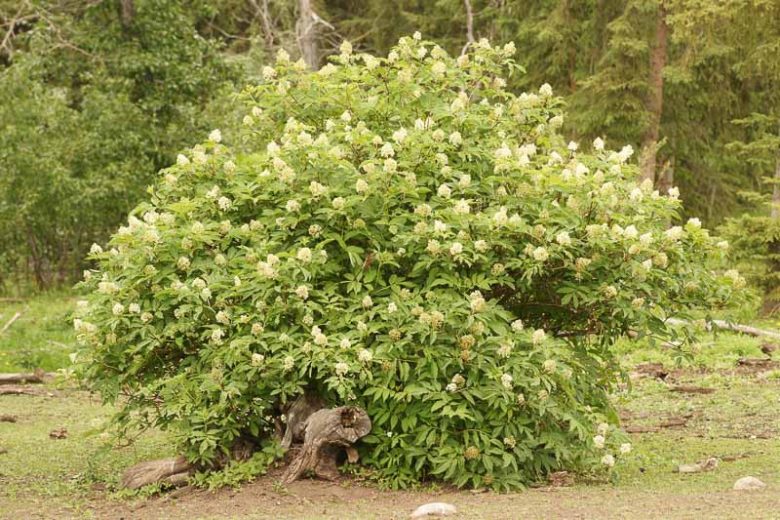
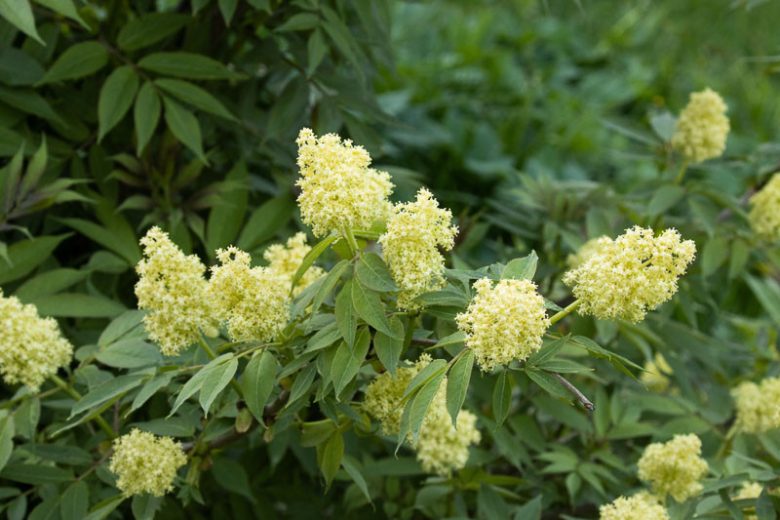
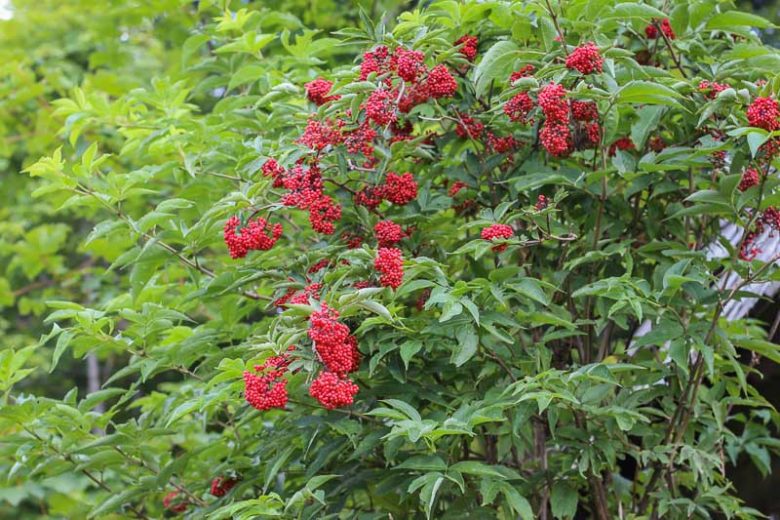


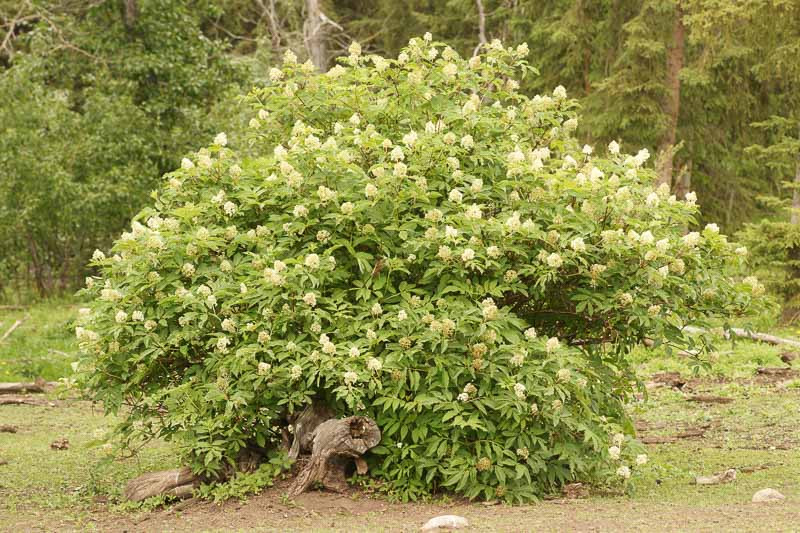
Summary: A striking native elderberry shrub for cool woodlands, stream banks, and wildlife gardens. In spring it shows creamy flowers, then vivid clusters of bright red elderberries that birds relish. Choose this elderberry plant for habitat value and seasonal drama rather than pantry projects.
Taste: Fruit is not suited to casual eating and is generally avoided in the kitchen.
Use: Best for habitat, restoration, and ornamental effect. See safety notes before any food use.
Safety: Do not eat raw fruit. Stems, leaves, and seeds contain potentially harmful compounds. See the safety section below.
| Botanical Name | Sambucus racemosa L. (often treated in North America as S. racemosa subsp. pubens) |
|---|---|
| Family | Adoxaceae |
| Common Names | Red Elderberry, Red-berried Elder, American Red Elder, American Red Elderberry |
| Native Range | Much of the temperate Northern Hemisphere including North America and Eurasia often in cool uplands and moist woodlands |
| Plant Type & Habit | Deciduous elderberry shrub or small multi stem elderberry tree with upright canes and layered branching |
| Hardiness (USDA) | Often listed for zones 3 to 7 |
| Size | Commonly 8-12 feet (2.4-3.6 m) tall and 8-15 feet (2.4-4.5 m) wide |
| Sun & Exposure | Full sun in cool climates bright partial shade in warm regions afternoon shade preferred in heat |
| Soil | Moist fertile loam or forest soils with organic matter enjoys stream edges and seepage zones with drainage between rains |
| Bloom & Fruit | Spring bloom on conical clusters; bright red fruit in early to mid summer. |
| Wildlife | Bloom supports pollinators fruit feeds many songbirds and mammals dense twigs offer nesting cover |
| Toxicity | Raw berries and other parts may cause stomach upset do not eat raw fruit cook only with expert guidance and strain well |
| Primary Uses | Habitat hedges, woodland edges, bank stabilization, riparian buffers, restoration and ornamental effect |
Red elderberry is the showy cousin in the elderberry family. Picture a graceful elderberry shrub along a cool stream bank with pale spring bloom that gives way to bright coral red pyramids of fruit. Those clusters glow in the understory and call birds from across the valley. Gardeners love this elderberry plant for habitat and beauty. Cooks usually leave the fruit to wildlife and rely on American elderberry or Black elderberry when they want elderberries for elderberry syrup elderberry juice and elderberry tea. This guide helps you decide where red elderberry shines in the garden and how to care for it so you get the most from its seasonal fireworks.
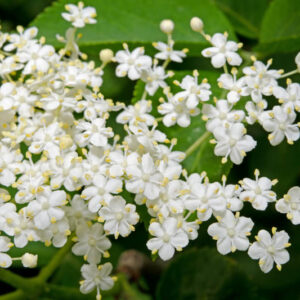
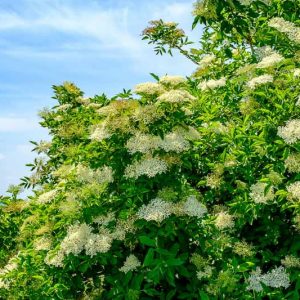
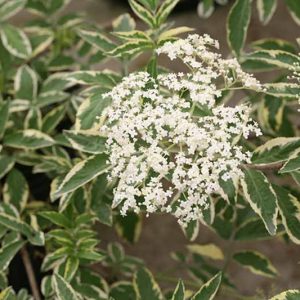
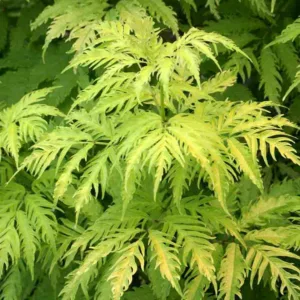
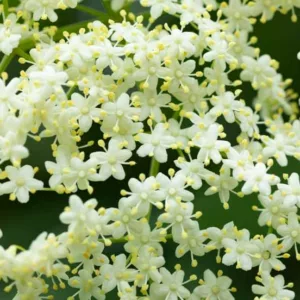
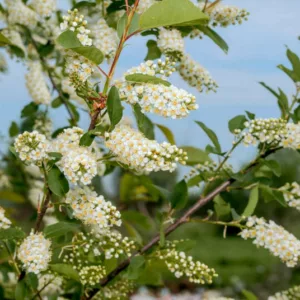
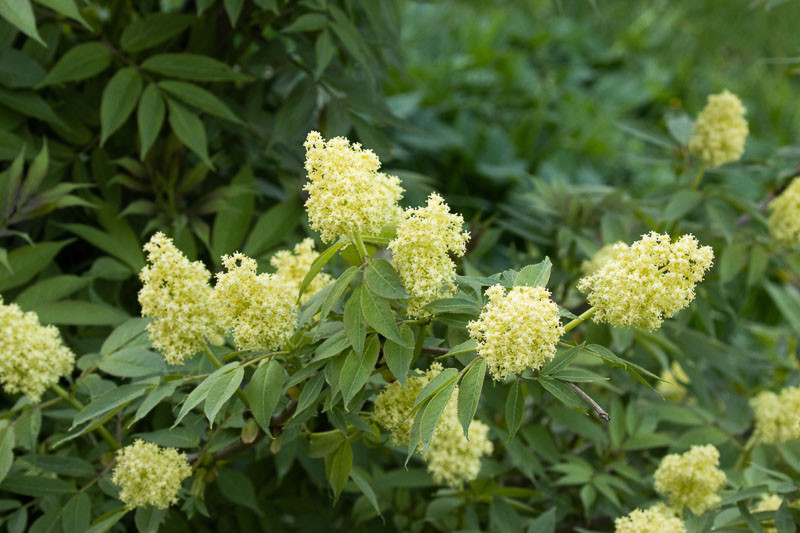
Red elderberry forms a layered thicket with arching canes and opposite leaves divided into sharply toothed leaflets. In spring the plant carries fragrant yellow white bloom in conical clusters that feel more upright than the flat plates common on Black elderberry or American elderberry. By early to mid summer the fruit ripens into shiny towers of red that brighten every woodland edge. As an elderberry shrub it can be trained into a low elderberry tree with a short trunk or kept as a bushy screen in mixed plantings.
Sambucus racemosa grows across a broad swath of the Northern Hemisphere. In North America you will see it from the Pacific coast and the Rockies through the Great Lakes and into the Northeast. It favors cool air spring moisture and partial light beneath taller trees. If your garden offers those conditions red elderberry is a natural fit for a wildlife rich border.
This deciduous suckering shrub or small tree usually grows 8-12 feet (2.4-3.6 m) tall and 8-15 feet (2.4-4.5 m) wide. Annual growth is brisk in spring when soil is moist and temperatures are gentle. Like other elderberries heavy fruiting arrives on canes that grew the prior season so good pruning keeps a steady flow of fresh wood.
Individual canes remain productive for a few seasons while the root crown persists far longer. Renewal pruning each late winter or after fruiting keeps the clump youthful and balanced. With care a single planting can serve a landscape for many years.
The bloom has a faint sweet aroma and attracts early visiting insects in cool spring weather. After pollination the conical clusters swell and flush red. These are vivid and abundant. Many birds arrive when the clusters blush. Robins waxwings thrushes and grouse are frequent visitors. For people the fruit is not a pantry staple. If your goal is elderberry syrup elderberry juice jelly or elderberry tea you will be happier planting American elderberry or Black elderberry and letting red elderberry fill the wildlife role.
Pollination: Red elderberry flowers are visited by a mix of native bees and flies. You can plant a single shrub for wildlife value. In larger hedges multiple plants will provide a fuller display and more fruit for birds.
Elderflowers vs Elderberries: Uses, Safety & When to Harvest
Leaves are opposite pinnate and composed of five to seven leaflets with serrated edges. The fresh green canopy filters light beautifully and pairs well with ferns shade grasses and woodland perennials. The foliage has a distinctive scent when crushed a common trait in the elderberry clan.
Cold hardy through long winters red elderberry prefers cool air and steady moisture. It thrives from zone 3 into 7. In warm summer regions give bright shade and a thick mulch that keeps roots evenly moist.
Think of this species as a habitat specialist and ornamental accent that also helps manage water near slopes and streams.
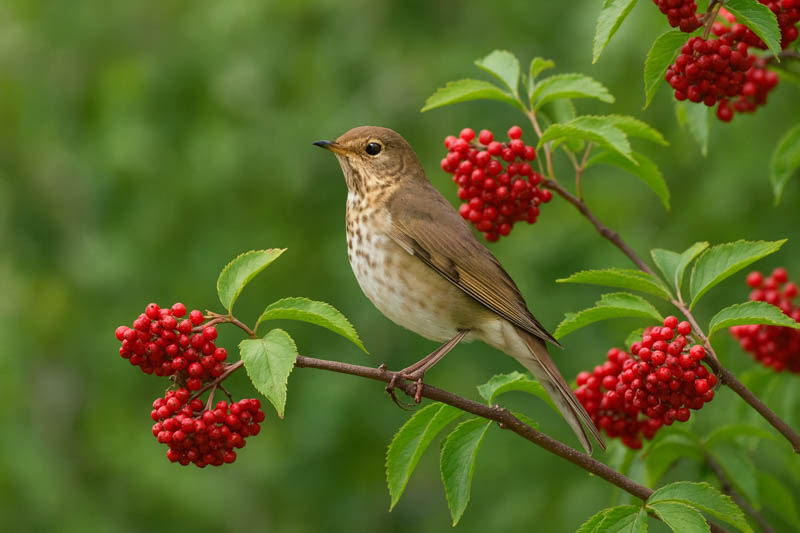
Red elderberry is a magnet for life. Pollinators use the early bloom. Nesting birds appreciate the dense twigs. As fruit colors up many species arrive for a feast. If you plan to share the show with family and friends place a bench nearby and enjoy the parade of visitors under summer light.
All elderberries contain compounds that can cause digestive upset if eaten raw or undercooked. Red elderberry has a reputation for being more problematic in the kitchen. Stems leaves and seeds contain cyanogenic compounds and should never be eaten. Raw fruit can cause nausea and vomiting. Some regional traditions call for careful processing and straining; this is not a beginner project.
Within native ranges red elderberry behaves as a vigorous woodland component that spreads modestly by seed. In gardens it can sucker near the base and send seedlings where birds drop seed. Control is simple with timely thinning. In regions outside its native range check local guidance before planting near wildlands.
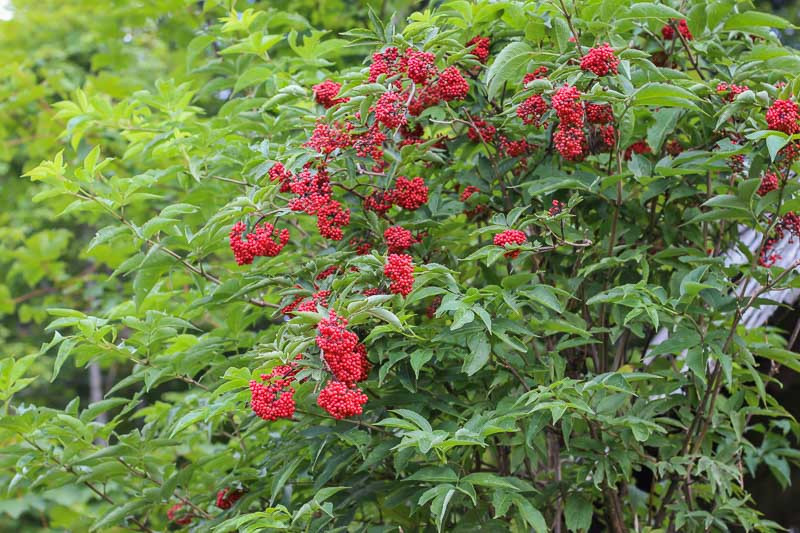
People often ask about elderberry benefits because elderberries appear in recipes and wellness articles. The pantry projects most gardeners love such as elderberry syrup elderberry juice jam and elderberry tea are best made with Black elderberry or American elderberry. Red elderberry shines by supporting birds and insects and by bringing bold color to shaded borders. Think of it as an ecological benefit rather than a pantry staple. When you want elderberries for cooking grow the species suited to the kitchen and enjoy red elderberry as your wildlife beacon.
If you live near woodlands you can plant red elderberry beside your food hedge of American elderberry. The wildlife will thank you and your kitchen will still see plenty of jars filled with late summer color.
Knowing the elderberry clan helps you plan a mixed hedge that serves both people and wildlife.
Red elderberry is easy when you match it with the right site. Think cool mornings partial light and steady moisture that drains between rains.
Flowering and fruiting arrive mainly on canes that grew the prior season. The goal is to keep a rotation of young and middle aged shoots.
Red elderberry is happiest in the ground. If you try a large tub as a wildlife specimen use a container of at least twenty five gallons with many drain holes and water frequently in warm weather. Even then in ground plantings are easier for long term success.
Most gardeners do not harvest red elderberry fruit for food. If a site requires occasional removal of clusters snip whole umbels into shallow trays so they do not crush. Compost them or leave a portion on shrubs farther from paths so birds still have a feast. If you are interested in edible projects plant Black elderberry or American elderberry nearby and keep red elderberry for habitat service.
Red elderberry pairs beautifully with cool season grasses ferns and native perennials. Use it to link the cultivated garden with a wild edge.
Red elderberry brings theater to cool gardens. In spring the pale bloom signals a new season. In early summer the clusters glow and birds gather for a feast. Plant it where soil stays cool and moist give it room to arch and sway and pair it with species that carry your pantry goals such as American elderberry and Black elderberry. That way you enjoy elderberries for elderberry syrup and elderberry juice while red elderberry fills the habitat niche with style. Add a chair nearby. You will want to sit and watch.
It is not recommended for casual kitchen use. Raw fruit and other parts contain compounds that can cause stomach upset. Some regional traditions describe careful processing steps yet this is not beginner friendly. If you want elderberries for elderberry syrup elderberry juice jam or elderberry tea grow American elderberry or Black elderberry and treat red elderberry as a wildlife plant
There is uncertainty and conflicting advice. Some foragers have used flowers for teas or cordials, but toxins may remain; Black and American elderberries’ flowers are much more widely consumed. If in doubt, avoid culinary use of this species.
Look for a multi-stemmed shrub (often 8–12 ft), white or cream pyramidal flower clusters in spring, and bright red berries in summer; leaves are opposite, pinnately compound, and have an unpleasant odor when crushed.
It prefers moist to wet sites such as riparian zones, woodlands, edges of meadows – but can tolerate shade and sun; growth is best with regular water.
Yes, it is a hardy shrub for USDA zones 3–7, excellent for wildlife gardens and native landscaping; but fruit should generally be left for birds or used only with correct cooking advice.
Drought stress, poor soil, or insufficient sunlight often cause wilting or poor growth; elderberries prefer moist, rich environments and regular pruning
Great for hedge rows, riparian planting, native buffers, and as bird habitat; hollow stems also provide nesting sites for native bees.
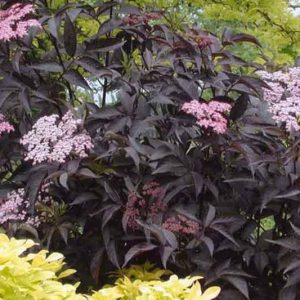
‘Lemony Lace‘ (compact, golden foliage) is widely sold for smaller gardens, with most other red elderberries being regional ecotypes.
Updated September 2025 • Reviewed by Gardenia Editors
| Hardiness |
3 - 7 |
|---|---|
| Heat Zones |
1 - 7 |
| Climate Zones | 1, 1A, 1B, 2, 2A, 2B, 3, 3A, 3B, 4, 5, 6, 14, 15, 16, 17, A2, A3 |
| Plant Type | Shrubs, Trees |
| Plant Family | Adoxaceae |
| Genus | Sambucus |
| Common names | Elderberry |
| Exposure | Full Sun, Partial Sun |
| Season of Interest | Spring (Late), Summer (Early, Mid, Late), Fall |
| Height | 8' - 12' (240cm - 3.7m) |
| Spread | 8' - 15' (240cm - 4.6m) |
| Spacing | 108" - 240" (270cm - 6.1m) |
| Maintenance | Average |
| Water Needs | Average, High |
| Soil Type | Chalk, Clay, Loam, Sand |
| Soil pH | Acid, Alkaline, Neutral |
| Soil Drainage | Moist but Well-Drained |
| Characteristics | Fragrant, Showy, Fruit & Berries |
| Native Plants | United States, Pennsylvania, Rhode Island, Vermont, Connecticut, Maine, Massachusetts, Maryland, New Hampshire, New Jersey, New York, California, Northeast, Pacific Northwest, Southeast, Southwest, Rocky Mountains, Alaska, Illinois, Indiana, Iowa, Michigan, Minnesota, Missouri, North Dakota, Ohio, South Dakota, Wisconsin, Idaho, Oregon, Washington, North Carolina, Tennessee, Virginia, West Virginia, Georgia, Kentucky, Arizona, Nevada, New Mexico, Colorado, Montana, Utah, Wyoming |
| Tolerances | Deer, Wet Soil, Heat, Fire |
| Attracts | Birds, Butterflies, Hummingbirds |
| Garden Uses | Beds And Borders, Hedges And Screens |
| Garden Styles | Coastal Garden, Informal and Cottage |
| Toxic to Humans | Low severity |
| Toxic to Cats | No known toxicity |
| Toxic to Dogs | No known toxicity |
| Toxic to Horses | No known toxicity |


| Hardiness |
3 - 7 |
|---|---|
| Heat Zones |
1 - 7 |
| Climate Zones | 1, 1A, 1B, 2, 2A, 2B, 3, 3A, 3B, 4, 5, 6, 14, 15, 16, 17, A2, A3 |
| Plant Type | Shrubs, Trees |
| Plant Family | Adoxaceae |
| Genus | Sambucus |
| Common names | Elderberry |
| Exposure | Full Sun, Partial Sun |
| Season of Interest | Spring (Late), Summer (Early, Mid, Late), Fall |
| Height | 8' - 12' (240cm - 3.7m) |
| Spread | 8' - 15' (240cm - 4.6m) |
| Spacing | 108" - 240" (270cm - 6.1m) |
| Maintenance | Average |
| Water Needs | Average, High |
| Soil Type | Chalk, Clay, Loam, Sand |
| Soil pH | Acid, Alkaline, Neutral |
| Soil Drainage | Moist but Well-Drained |
| Characteristics | Fragrant, Showy, Fruit & Berries |
| Native Plants | United States, Pennsylvania, Rhode Island, Vermont, Connecticut, Maine, Massachusetts, Maryland, New Hampshire, New Jersey, New York, California, Northeast, Pacific Northwest, Southeast, Southwest, Rocky Mountains, Alaska, Illinois, Indiana, Iowa, Michigan, Minnesota, Missouri, North Dakota, Ohio, South Dakota, Wisconsin, Idaho, Oregon, Washington, North Carolina, Tennessee, Virginia, West Virginia, Georgia, Kentucky, Arizona, Nevada, New Mexico, Colorado, Montana, Utah, Wyoming |
| Tolerances | Deer, Wet Soil, Heat, Fire |
| Attracts | Birds, Butterflies, Hummingbirds |
| Garden Uses | Beds And Borders, Hedges And Screens |
| Garden Styles | Coastal Garden, Informal and Cottage |
| Toxic to Humans | Low severity |
| Toxic to Cats | No known toxicity |
| Toxic to Dogs | No known toxicity |
| Toxic to Horses | No known toxicity |
How many Sambucus racemosa (Red Elderberry) do I need for my garden?
| Plant | Quantity | |
|---|---|---|
| Sambucus racemosa (Red Elderberry) | N/A | Buy Plants |
Create a membership account to save your garden designs and to view them on any device.
Becoming a contributing member of Gardenia is easy and can be done in just a few minutes. If you provide us with your name, email address and the payment of a modest $25 annual membership fee, you will become a full member, enabling you to design and save up to 25 of your garden design ideas.
Join now and start creating your dream garden!
Create a membership account to save your garden designs and to view them on any device.
Becoming a contributing member of Gardenia is easy and can be done in just a few minutes. If you provide us with your name, email address and the payment of a modest $25 annual membership fee, you will become a full member, enabling you to design and save up to 25 of your garden design ideas.
Join now and start creating your dream garden!