Create Your Garden

Overwinter Peppers Indoors: A Step-by-Step Guide

Don’t let frost finish your favorite pepper. Dig it up, pot it, prune lightly, and park it by a bright window. Water sparingly, keep warm, pinch pests. Come spring, replant a mature, raring-to-go shrub that flowers sooner, fruits faster, and outperforms seedlings by weeks. Save seeds, time, and money, too.
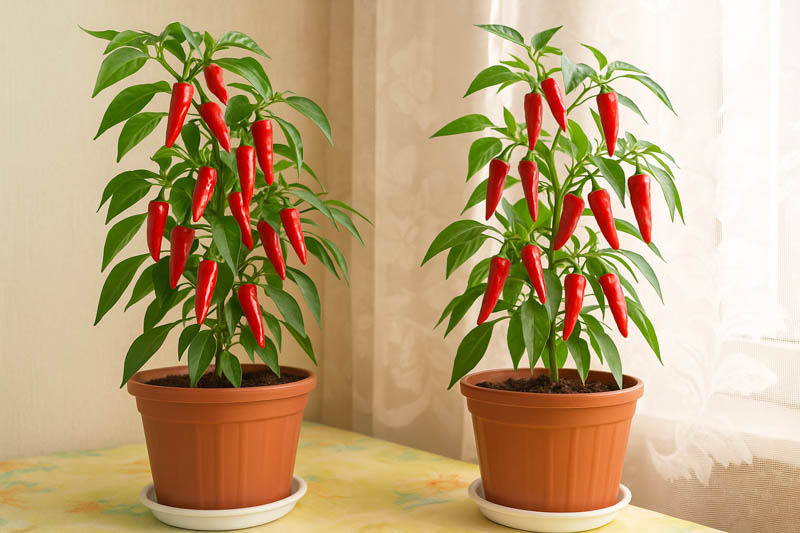
Pepper, Pepper Plants, Potted Pepper, Indoor Peppers, Overwintering Peppers

Peppers (Capsicum species) are among the most rewarding edible and ornamental garden plants, producing sweet, spicy, or blazing-hot fruits for months on end. While these favorites are technically tender perennials—sometimes living many years in frost-free climates—most gardeners treat them as annuals, losing productive, well-established plants with the first frost. But with a little know-how, you can carry your best pepper plants through winter indoors, letting them return bigger, earlier, and more fruitful the following season—and even multiply your supply by propagating from cuttings. Here’s how to make one pepper plant last for years and maximize your harvest!

Why Overwinter Peppers?

  • Jumpstart the Growing Season: Overwintered plants mature faster and set fruit earlier than new seedlings.
  • Keep Your Favorite Varieties: Save unique or hard-to-find peppers that don’t come true from seed, like hybrids or rare heirlooms.
  • Perennial Potential: Peppers can live several years—sometimes over 5—if protected from frost and provided light and care indoors.
  • Increase Productivity: Older, multi-stemmed plants often yield more fruit and recover faster.
  • Free Plants: Overwintered peppers can be used to take cuttings, multiplying your plants by spring.

Choosing the Right Plants to Overwinter

Not all peppers overwinter equally well. Success depends on variety, health, and your indoor space. Here’s what to keep in mind:
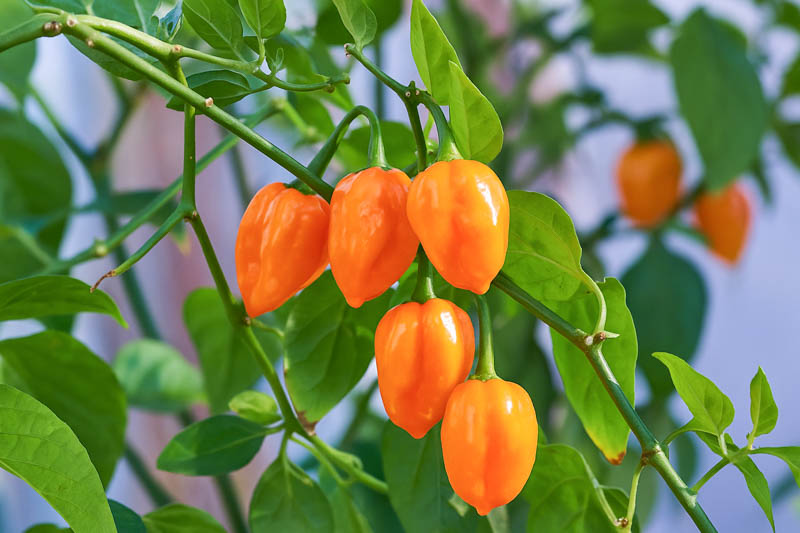
  • Chilies and Hot Peppers (like Habanero, Tabasco, Thai, and rocoto) generally overwinter the best; many originate from tropical perennial species.
  • Sweet and Bell Peppers can be overwintered, but may require more attention and sometimes fruit less vigorously in year two.
  • Choose Your Healthiest Plant: Select a disease-free, pest-free pepper; bushier, compact plants adapt best to containers.
  • Pot Size Matters: Small to medium plants, already in pots, are easiest—but you can dig up mature in-ground peppers and transplant them indoors.

Habanero, Habanero Pepper, Habanero Chili, Capsicum Chinense

Discover The Best Peppers for Containers, Pots, and Tiny Gardens


How to Prepare Peppers for Indoor Overwintering

  • Inspect for Pests & Diseases
    Check leaves, stems, and soil for aphids, spider mites, whiteflies, or fungal issues. Treat or wash off pests with a strong water spray or insecticidal soap.
  • Prune Back the Plant
    Reduce the size to about 6–10 inches (15–25 cm) tall, leaving some branching structure and a few healthy leaves. Pruning helps reduce injury from transplant and encourages dormancy.
  • Transplant (if needed)
    Dig up garden-grown peppers carefully, preserving as much root ball as possible. Pot into a clean container (at least 8–10 inches wide), using sterile, well-draining potting mix.
  • Rinse Roots (optional)
    For heavy pest infestations, some gardeners gently wash soil off the roots before repotting, then place in fresh mix to ensure you’re not bringing pests indoors.
  • Water In
    Water thoroughly, then let excess drain away. Avoid waterlogged soil, which can promote root rot.

Tip: If possible, gradually acclimate plants to indoor conditions for a week or so, moving them to shade or indoors during the day and back out at night. This reduces leaf drop shock.
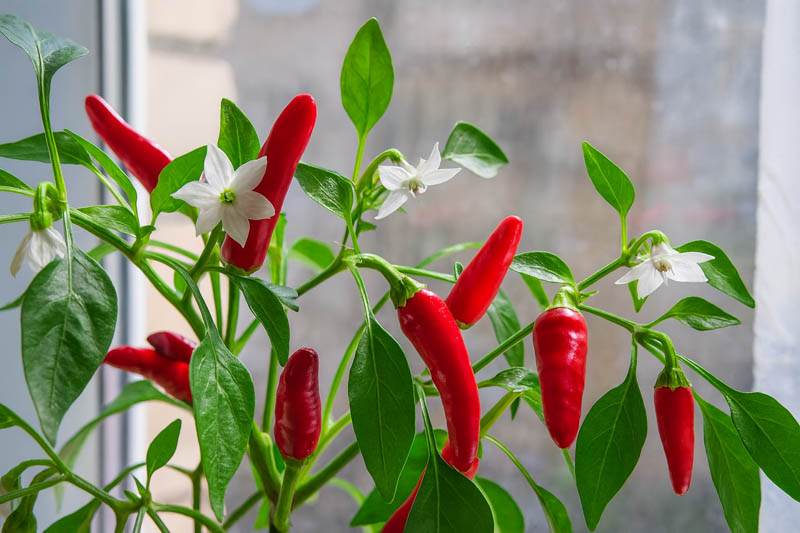
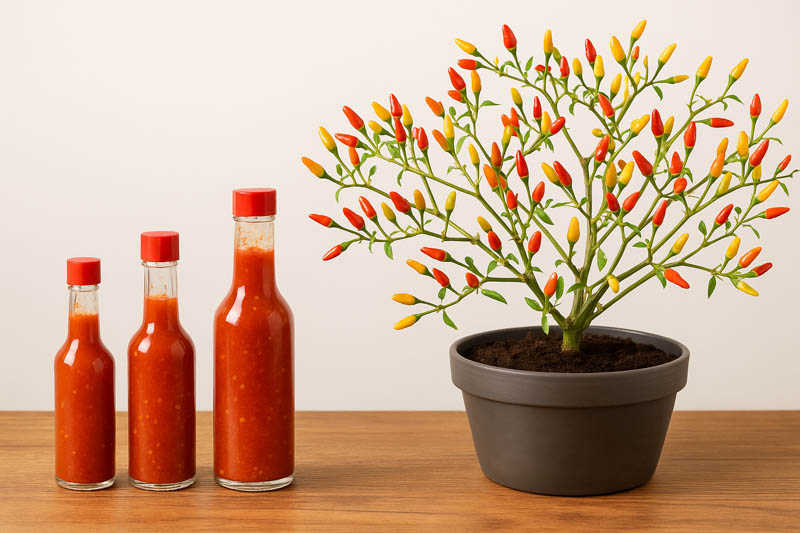
Pepper, Pepper Plants, Potted Pepper, Indoor Peppers, Overwintering Peppers


Ideal Indoor Conditions for Overwintering Peppers

  • Temperature: 55–75°F (13–24°C) is best. Cooler temps (but above freezing) slow growth and encourage dormancy, but don’t let plants freeze.
  • Light: Peppers need at least 8–10 hours of bright light daily to keep growing. A sunny south-facing window may suffice for survival, but for bushiness and new growth, supplement with LED grow lights positioned 4–8 inches overhead.
  • Humidity: Indoor air is often dry in winter—group plants or use a tray of water/pebbles to boost humidity if leaves shrivel or drop.
  • Watering: Let the top 1–2 inches of soil dry before watering again. Peppers need less water in winter; avoid soggy roots!
  • Fertilizer: Reduce feeding heavily; once monthly with a half-strength balanced fertilizer is enough if plants are semi-dormant. If peppers remain actively growing under lights, you may fertilize every 3–4 weeks.

What to Expect Indoors

  • Some leaf drop and yellowing is normal as peppers adjust.
  • Many plants go semi-dormant, with minimal growth; some hot types may continue setting small fruit if kept warm and well-lit.
  • Watch for indoor pests (aphids, spider mites, whiteflies); treat promptly with soap sprays.

Tabasco Pepper, Tabasco Chili, Tabasco, Chili Tabasco, Capsicum frutescens


Routine Care and Troubleshooting

  • Check regularly for pests—under leaves and on stems.
  • Remove dead or yellow leaves to prevent mold or fungus gnats.
  • If growth is leggy and thin, increase light intensity or duration.
  • Avoid overwatering; root rot is the biggest killer indoors.
  • If new leaves are pale, tiny, or curling, supplement with a balanced or low-nitrogen fertilizer once a month.

Multiplying Peppers: Take Advantage of Overwintered Plants

A huge benefit to keeping a pepper plant alive over winter is the opportunity to propagate new plants from strong, pest-free parent stock.
  • Take Cuttings in Late Winter: Trim 4–6 inch side shoots with at least two leaf nodes. Remove leaves from the base and root in water or a sterile mix. Provide bottom heat for best results.
  • Seed Collection: Overwintered plants may still produce viable fruit. Harvest seeds only from healthy, mature fruit that hasn’t cross-pollinated (unless you want hybrids).
  • Planter Division (rare): Some bushy ornamentals can be divided when repotting in spring.

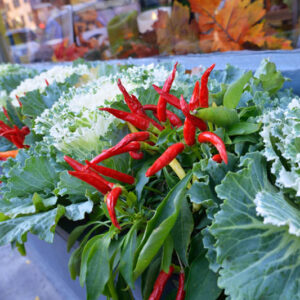
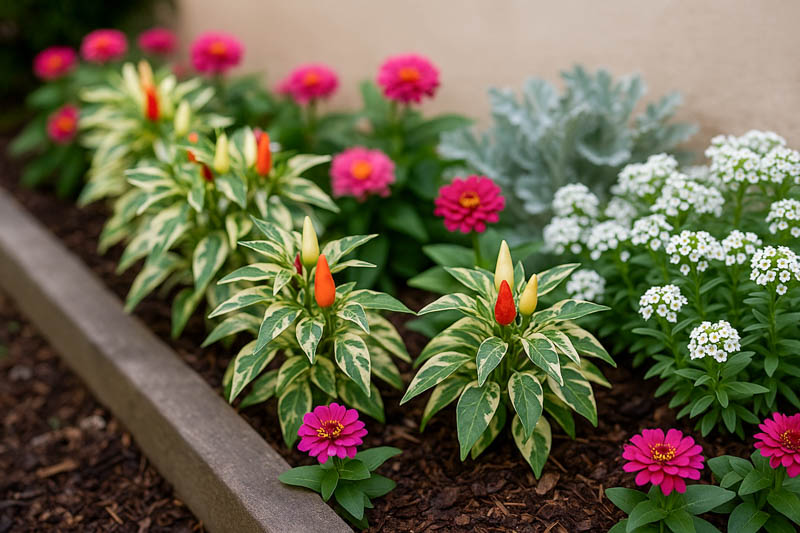
dusty miller, magenta zinnias)., Variegated courtyard (Fish + Candy Cane Red anchors with white alyssum


Moving Peppers Back Outdoors

  • Begin Acclimation (Hardening Off): When all danger of frost has passed and nights consistently stay above 55°F (13°C), slowly reintroduce plants to outdoor conditions over 1–2 weeks.
  • Gradually Increase Sun Exposure: Start with half-shade, move to morning sun, then full sun to avoid sunburn.
  • Resume Regular Feeding: Begin full-strength fertilization as new growth resumes with outdoor warmth and sunlight.
  • Prune if Needed: Cut back any spindly winter stems. Peppers typically bounce back with bushy, robust new growth in spring.
  • Plant In-Ground or in Larger Pots: Overwintered peppers often appreciate fresh soil and a roomier container.

Did you know? In warm climates (zones 9–11), peppers can be grown as true perennials outdoors, but even in cooler regions, overwintering indoors can keep them productive for years.


Conclusion: Unlock the Perennial Power of Peppers

Overwintering pepper plants indoors transforms them from a one-season wonder into a long-lived favorite. With patience and a little care, you’ll enjoy a vigorous head start each spring, more abundant harvests, and the satisfaction of keeping your favorite peppers thriving year after year. Whether you’re preserving rare varieties, want to multiply plants for friends, or just crave the thrill of perennial gardening, bringing peppers indoors for winter is a smart, sustainable, and surprisingly simple solution. Why buy new plants every year when you can nurture and grow your own pepper legacy?


Frequently Asked Questions about Overwintering Peppers

Do peppers produce fruit in winter indoors?

Most will slow or stop fruiting due to low light and day length, but a well-lit hot pepper may set some small fruit. The main goal is plant survival and bushiness, not maximum fruit during winter.

Can any pepper be overwintered?

Most varieties can, though hot, tropical types (like habanero and rocoto) adapt best. Sweet/bell peppers may fruit less after the first year.

Will overwintered peppers get bigger every year?

Yes—many grow noticeably larger and more productive in their second and third years, if healthy and properly pruned.

Can I move a large garden pepper indoors?

Yes, but dig up as much root ball as possible. Prune heavily to reduce transplant shock and fit your indoor space.

Guide Information

Hardiness 9 - 12
Plant Type Annuals, Perennials
Plant Family Solanaceae
Genus Capsicum
Exposure Full Sun
Season of Interest Spring (Late), Summer (Early, Mid, Late)
Height 1' - 5' (30cm - 150cm)
Spread 1' - 2' (30cm - 60cm)
Maintenance Low
Water Needs Average
Soil Type Loam, Sand
Soil pH Acid, Neutral
Soil Drainage Moist but Well-Drained, Well-Drained
Characteristics Showy
Tolerance Deer, Drought
Attracts Birds
Landscaping Ideas Beds And Borders, Patio And Containers
Garden Styles Informal and Cottage, Mediterranean Garden

Recommended Guides

Peppers That Thrive in Containers, Pots, and Tiny Gardens
Edible Ornamentals: Peppers That Look as Good as They Taste
Why Chili Peppers Burn—and the Science That Makes Them Addictive
Best Pepper Companion Plants (and Ones to Avoid)
15 Exotic Fruits That Are Healthier Than You Think
Best Cold-Hardy Citrus Fruits to Grow at Home
Why Rosemary is Perfect for Gardens and Pots
Grow These 20 Herbs Indoors for Freshness All Year
20 Best Flowers for a Thriving Vegetable Garden
Lime: How to Use, Eat, Grow, and Boost Your Health
Compare All Capsicum (Pepper)
Compare Now
Guides with
Capsicum (Pepper)
While every effort has been made to describe these plants accurately, please keep in mind that height, bloom time, and color may differ in various climates. The description of these plants has been written based on numerous outside resources.

Guide Information

Hardiness 9 - 12
Plant Type Annuals, Perennials
Plant Family Solanaceae
Genus Capsicum
Exposure Full Sun
Season of Interest Spring (Late), Summer (Early, Mid, Late)
Height 1' - 5' (30cm - 150cm)
Spread 1' - 2' (30cm - 60cm)
Maintenance Low
Water Needs Average
Soil Type Loam, Sand
Soil pH Acid, Neutral
Soil Drainage Moist but Well-Drained, Well-Drained
Characteristics Showy
Tolerance Deer, Drought
Attracts Birds
Landscaping Ideas Beds And Borders, Patio And Containers
Garden Styles Informal and Cottage, Mediterranean Garden
Compare All Capsicum (Pepper)
Compare Now
Guides with
Capsicum (Pepper)

Related Items

Please Login to Proceed

You Have Reached The Free Limit, Please Subscribe to Proceed

Subscribe to Gardenia

To create additional collections, you must be a paid member of Gardenia
  • Add as many plants as you wish
  • Create and save up to 25 garden collections
Become a Member

Plant Added Successfully

Your garden is taking shape. Unlock full planning.

You’ve reached the free limit. Upgrade for $25/year to add as many plants as you wish and save up to 25 garden collections. Unlock Annual Membership

Update Your Credit
Card Information

Cancel

Create a New Collection

Sign Up to Our Newsletter

    You have been subscribed successfully

    Join Gardenia.net

    Create a membership account to save your garden designs and to view them on any device.

    Becoming a contributing member of Gardenia is easy and can be done in just a few minutes. If you provide us with your name, email address and the payment of a modest $25 annual membership fee, you will become a full member, enabling you to design and save up to 25 of your garden design ideas.

    Join now and start creating your dream garden!

    Join Gardenia.net

    Create a membership account to save your garden designs and to view them on any device.

    Becoming a contributing member of Gardenia is easy and can be done in just a few minutes. If you provide us with your name, email address and the payment of a modest $25 annual membership fee, you will become a full member, enabling you to design and save up to 25 of your garden design ideas.

    Join now and start creating your dream garden!
    Find your Hardiness Zone

    Find your Heat Zone

    Find your Climate Zone