Elder, Elderberry, Black Elder, European Elder, European Elderberry, European Black Elderberry, Elderflower, Common Elder, Common Elderberry, Black Elderberry, Danewort, Bore Tree, Blackberry Elder, Sweet Elder, Tree Of Music, Walewort
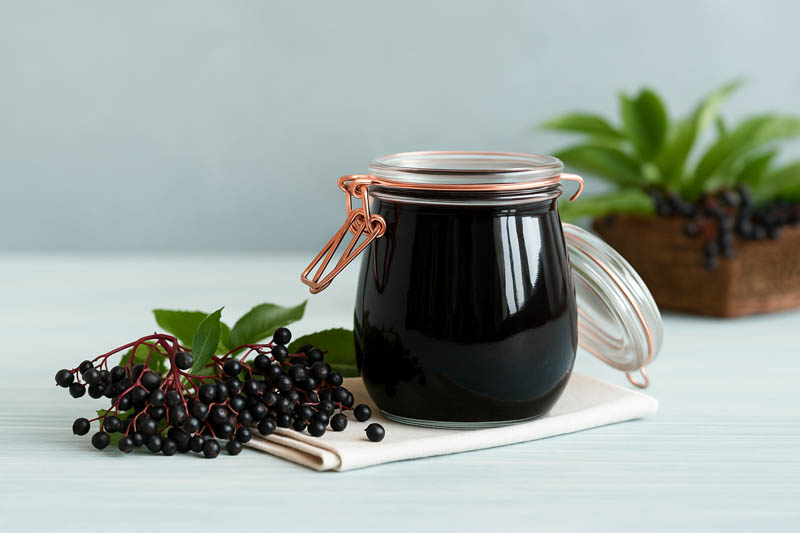


Summary: A hedgerow classic with frothy spring flowers and inky berries used for elderberry syrup, juice, jams, and cordials. The elderberry tree or shrub adds wildlife value and pantry riches.
Taste: Tart, wine-like, juicy with hints of plum and blackberry (when cooked).
Use: Preserves, elderberry syrup, cordials, pies, teas, and tonics.
Safety: Always cook ripe berries. Raw fruit and other parts may cause stomach upset.
| Botanical Name | Sambucus nigra |
|---|---|
| Family | Adoxaceae |
| Common Names | Black elderberry, European elderberry, Common Elderberry |
| Native Range | Europe, Western Asia; naturalized widely in North America |
| Plant Type & Habit | Deciduous large shrub or small tree with arching canes |
| Hardiness (USDA) | Zones 4-8 |
| Size | 8–20 ft tall and wide (depending on pruning) |
| Sun & Exposure | Full sun best; tolerates light shade |
| Soil | Moist, fertile, well-drained loam; neutral pH ideal |
| Bloom & Fruit | Creamy flower clusters in late spring; glossy purple-black berries in late summer |
| Wildlife | Flowers attract pollinators; berries feed birds; dense cover shelters songbirds |
| Toxicity | Raw berries and other parts can irritate; cook fruit well and remove stems |
| Invasiveness | Vigorous; suckers freely in fertile soil. Managed by pruning and harvest |
| Primary Uses | Elderberry syrup, juice, pies, wine, herbal tea, wildlife hedges |
If you love pantry friendly fruit that practically invites pollinators and birds to visit, black elderberry is a perfect match. With clouds of cream flowers in early warm weather and chandelier like clusters of berries by late season, this elderberry shrub is both a landscape anchor and a kitchen workhorse. Whether you are simmering elderberry syrup for pancakes and wellness tonics, shaking up elderberry juice for summer coolers, or brewing a soothing elderberry tea, this plant delivers flavor along with rustic charm.
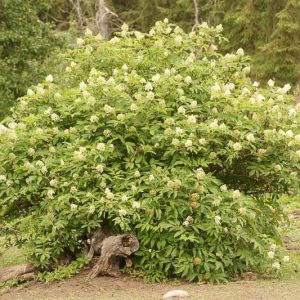
Black elderberry is a deciduous, fast growing elderberry plant with upright, cane like stems and opposite leaves. In late spring it displays large, flat topped flower plates with hundreds of small cream flowers. By late summer those plates mature into heavy clusters of deep purple berries. In the garden the form can be trained as a multistem elderberry tree or kept as a dense elderberry bush for privacy screens and edible borders.
Sambucus nigra originates in Europe and Western Asia and has long been part of hedgerow culture. Settlers and gardeners have carried it far and wide, and today you can find it in homesteads, orchards, and wildlife gardens across temperate zones.
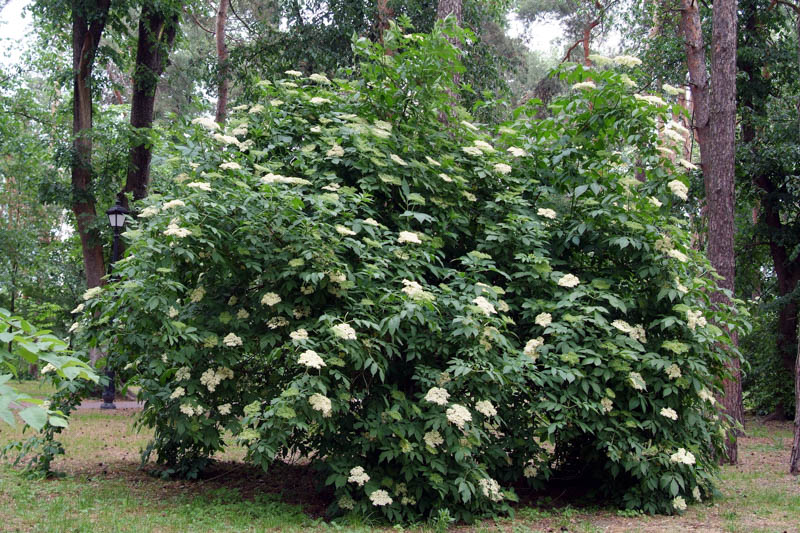
Black elderberry is a fast-growing, multi-stemmed deciduous shrub or small tree. Expect a mature clump that reaches from 8 to 20 feet (2.4-6 m) in height with a similar spread if unpruned. Annual shoot growth is lively when soil is rich and moisture is steady. Fruit is borne on shoots that grow from canes in their second year, which guides the pruning approach described later.
With regular renewal pruning and mulching, an elderberry shrub remains productive for many years. Individual canes are short lived compared with the root crown, so removing older wood keeps the plant youthful and fruitful.
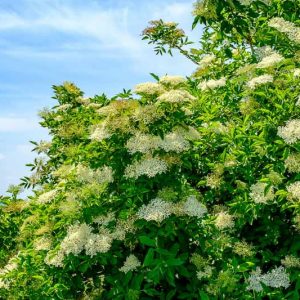
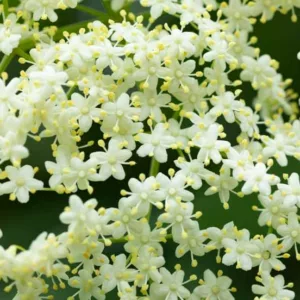
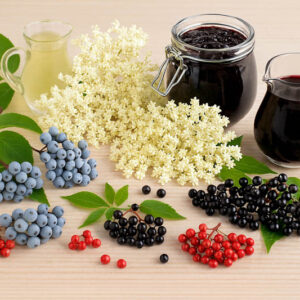
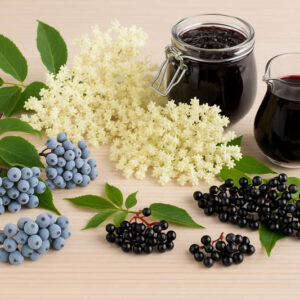
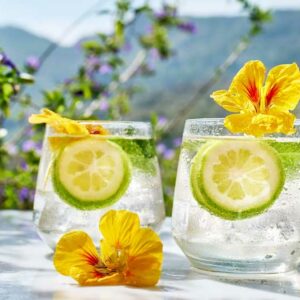
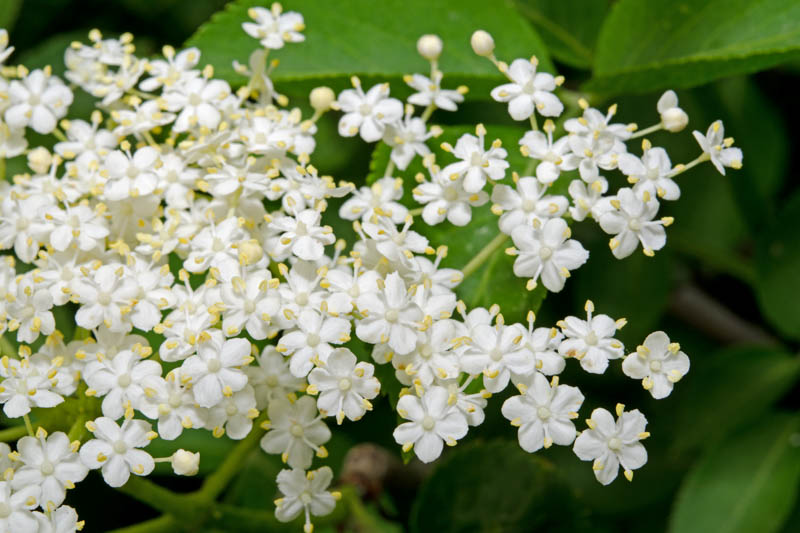
Bloom arrives as wide, flat plates of small, fragrant cream flowers in late spring. These are edible and excellent for elderflower cordial and sparkling summer drinks.
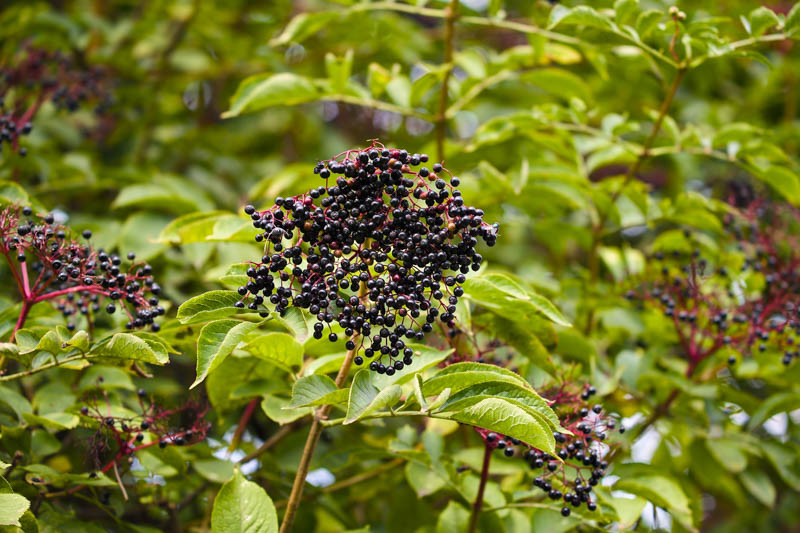
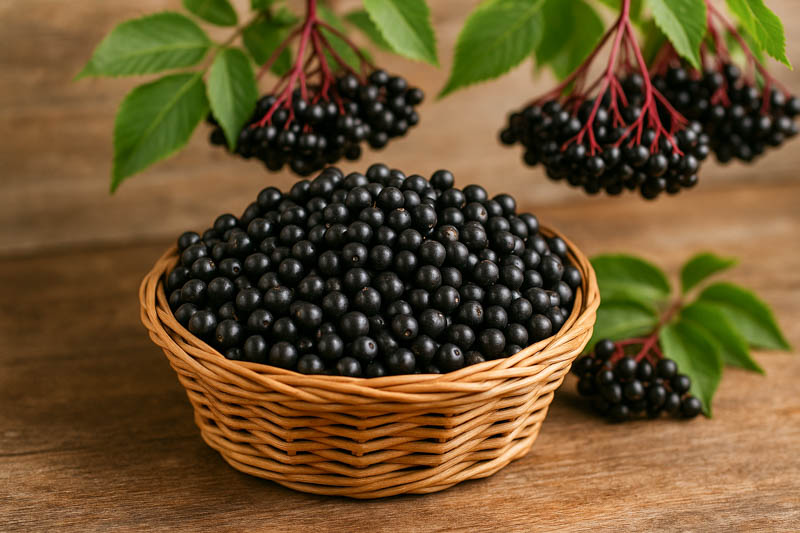
When pollinated, they set dense clusters of berries that turn glossy and purple black as they ripen in late summer. Raw elderberries taste sharp, even bitter, but when cooked they become rich, jammy, and beautifully colored. The juice stains easily, which bakers appreciate for pies and fruit leather.
Pollination: Plants may set some fruit alone, but yields improve with a second Sambucus nigra cultivar nearby. Use same-species partners for best results.
Elderflowers vs Elderberries: Uses, Safety & When to Harvest
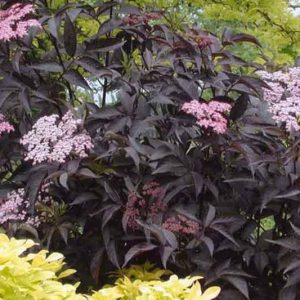
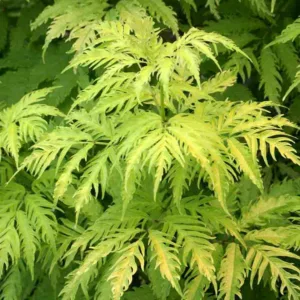
Leaves are opposite, with toothed leaflets that lend a soft, woodland look. New growth is lush green in spring, while some ornamental selections show deep plum or gold foliage for a strong visual accent. The foliage is distinctive for its unpleasant fragrance when crushed.
Black elderberry grows in a wide range of climates, usually from zone 5 to zone 8 (some cultivars hardy to 4). It handles cold winters, rebounds vigorously in spring, and appreciates steady moisture during hot stretches.
Black elderberry serves both kitchen and landscape. Enjoy flavorful harvests and also put the shrub to work as structure, habitat, and seasonal color in the garden.
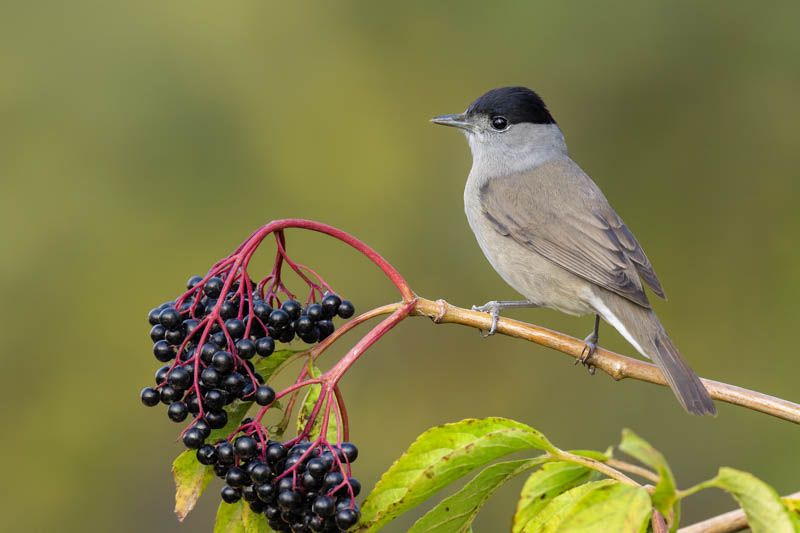
An elderberry plant is a magnet for life. Creamy flower plates draw bees, butterflies, and other pollinators. Ripe clusters feed thrushes, waxwings, robins, and many songbirds. Dense branching offers cover for nesting birds. In backyard orchards, net part of the crop near harvest if you want to share fairly. Nearby nectar plants boost pollination and fruit set.
Black elderberry is considered medium in poison severity if eaten raw in quantity. All ripe berries should be cooked before use. Other plant parts contain compounds that can release cyanide in the body.
Sambucus nigra can be invasive in some regions due to its rapid growth, suckering habit, and self-seeding. While native to Europe and parts of Asia and Africa, it has naturalized widely and is considered weedy or invasive outside its native range.
Elderberries are beloved in traditional kitchens and modern wellness circles. Although research is ongoing and you should always consult a professional for medical advice, cooked elderberries have a long culinary record along with a notable profile of pigments and antioxidants.
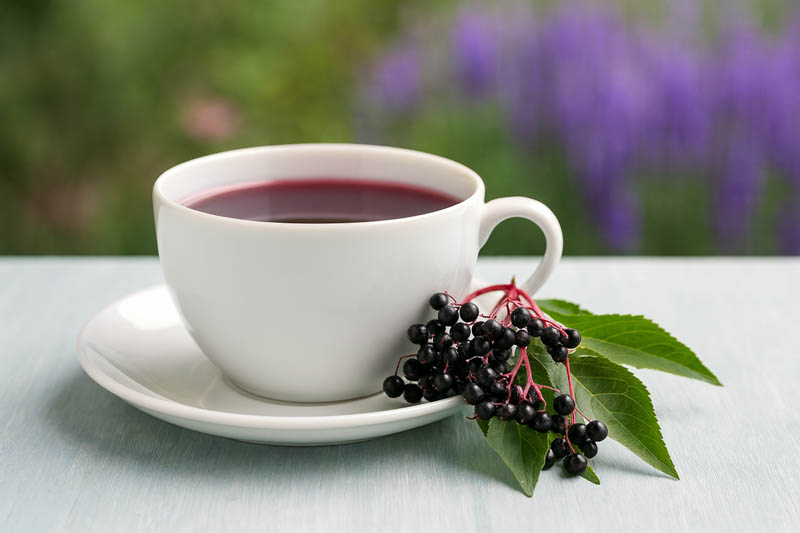
Many families prepare elderberry syrup as a pantry staple for waffles, yogurt bowls, and sodas. Elderberry juice can be mixed with sparkling water for a bright spritzer or reduced to a glaze for roasted fruit desserts. A warm cup of elderberry tea provides comfort on chilly days and is a favorite in herbal kitchens. These classic uses help you enjoy elderberry benefits in everyday cooking without fuss.
Always cook the ripe berries before eating. Raw elderberries and the small stems can upset the stomach. Leaves, twigs, bark, and unripe fruit are not for consumption. Strain well, discard solids, and label your jars clearly so the household knows they are cooked products.
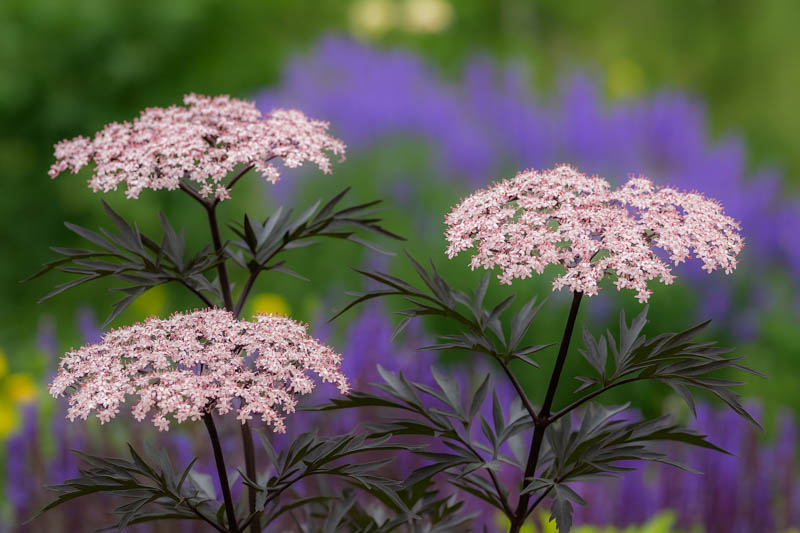
| Cultivar (Synonym) | Type | Foliage & Flowers | Habit & Size | Best Uses | Notes |
|---|---|---|---|---|---|
| ‘Black Lace’ (S. nigra ‘Eva’) | Ornamental + fruiting | Deep purple-black, finely dissected leaves; soft pink fragrant flowers | Upright, airy; about 6–8 ft tall × 6–8 ft wide | Focal shrub, modern borders, hedges, edible landscaping | Heavy bloom; berries suitable for cooking with a pollination partner |
| ‘Black Beauty’ (S. nigra ‘Gerda’) | Ornamental + fruiting | Broad dark purple leaves; pink-blushed fragrant flowers | Rounded; about 8–15 ft tall × 4–8 ft wide | Specimen, mixed shrub borders, wildlife value | Pairs well with green-leaf cultivars for contrast and pollination |
| ‘Black Tower’ (often sold as ‘Eiffel 1’) | Ornamental columnar | Dark purple leaves; pale pink flowers | Narrow upright; about 6–10 ft tall × 3–4 ft wide | Tight spaces, vertical accents, formal hedging | Columnar habit; add a second cultivar for better fruit set |
| ‘Aurea’ | Ornamental + fruiting | Golden-yellow foliage in spring, softening to chartreuse; creamy flowers | Bushy; about 8–12 ft tall × 6–10 ft wide | Bright accent, shade-lightener, edible hedge | Color best in sun with moisture; may scorch in extreme heat |
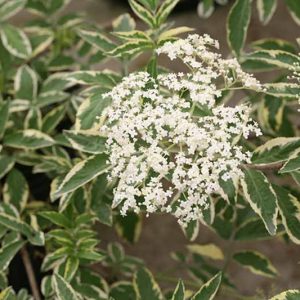
| ‘Albovariegata’ (also sold as ‘Variegata’) | Ornamental | Green leaves irregularly edged and splashed with cream; white flowers | Upright, elegant; about 8–10 ft tall × 6–8 ft wide | Light-catching specimen, cottage borders | Variegation is strongest in good light; prune out any green reversions |
| ‘Guincho Purple’ | Ornamental + fruiting | Bronze-purple spring growth maturing to deep purple; pink-tinged flowers | Rounded; about 8–12 ft tall × 6–10 ft wide | Color contrast, wildlife hedges | Reliable color show; good partner for green or gold forms |
| ‘Laciniata’ (Cut-leaf elder) | Ornamental + fruiting | Deeply cut green leaves; creamy umbels | Graceful, arching; about 8–12 ft tall × 6–10 ft wide | Textural specimen, naturalized areas | Airy texture pairs well with bold-leaf perennials |
| ‘Pendula’ (Weeping elder) | Ornamental | Green foliage; white flowers followed by dark fruit | Weeping form; about 6–8 ft tall × 6–8 ft wide (staked standards are common) | Specimen, water-feature edges, small gardens | Train early to establish a clean umbrella canopy |
| ‘Haschberg’ | Fruiting orchard type | Green leaves; heavy flower and fruit clusters | Vigorous; about 10–12 ft tall × 8–10 ft wide | Syrup, juice, wine, commercial plantings | Renowned European cultivar for yield and quality |
| ‘Samdal’ | Fruiting orchard type | Green foliage; very large berry clusters | Upright; about 8–10 ft tall × 6–8 ft wide | Juice, jam, processing | Often paired with ‘Samyl’ for cross-pollination and staggered harvest |
| ‘Samyl’ | Fruiting orchard type | Green foliage; abundant bloom and fruit | Rounded; about 8–10 ft tall × 6–8 ft wide | Syrups, cordials, preserves | Companion to ‘Samdal’ to boost yields |
| ‘Sampo’ | Fruiting + flowers | Green leaves; highly aromatic flowers favored for cordial | Bushy; about 8–10 ft tall × 6–8 ft wide | Elderflower cordial, culinary bloom use, good fruit | Great choice if elderflower flavor is a priority |
| ‘Instant Karma’ (S. nigra ‘SMNSJD’) | Ornamental + fruiting | Clean green leaves with creamy white margins; large fragrant white flower plates | Upright, rounded; about 6–8 ft tall × 6–8 ft wide | Bright specimen, mixed borders, edible hedge, wildlife value | Best variegation in good light and even moisture; prune out any all-green shoots; pair with another S. nigra for better fruit set |
It helps to know the elderberry family when you plan a mixed planting.
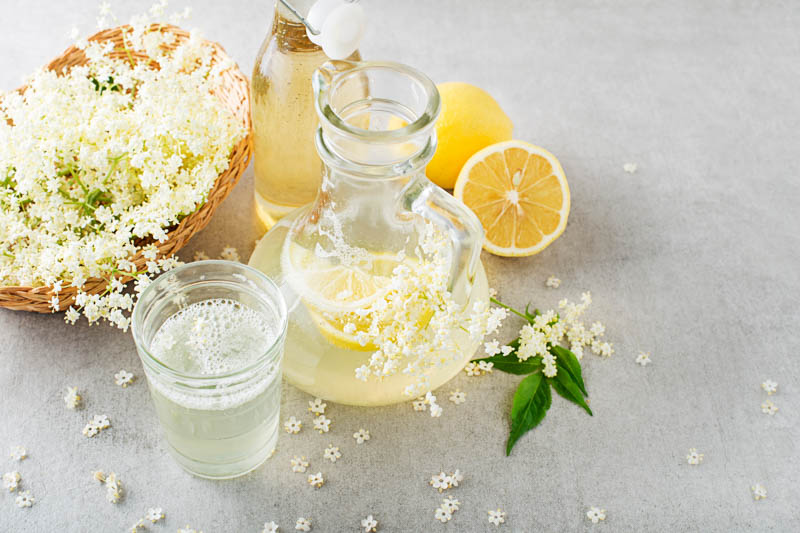
Few fruiting shrubs offer so much reward for so little effort. Give your elderberry plant sun, room, and moisture, and it will shower you with flowers and fruit.
Fruit forms best on canes that grew the previous year. Use a simple renewal plan each late winter or very early spring.
While in ground plantings are easiest, you can grow compact selections in large tubs from fifteen to twenty five gallons. Use a roomy pot with many drain holes, plant in a rich potting mix, water frequently in warm weather, and refresh the top layer of mix each spring.
These simple methods let you enjoy elderberry benefits in many forms. Use clean jars, label them, and keep products chilled unless fully canned by tested methods.
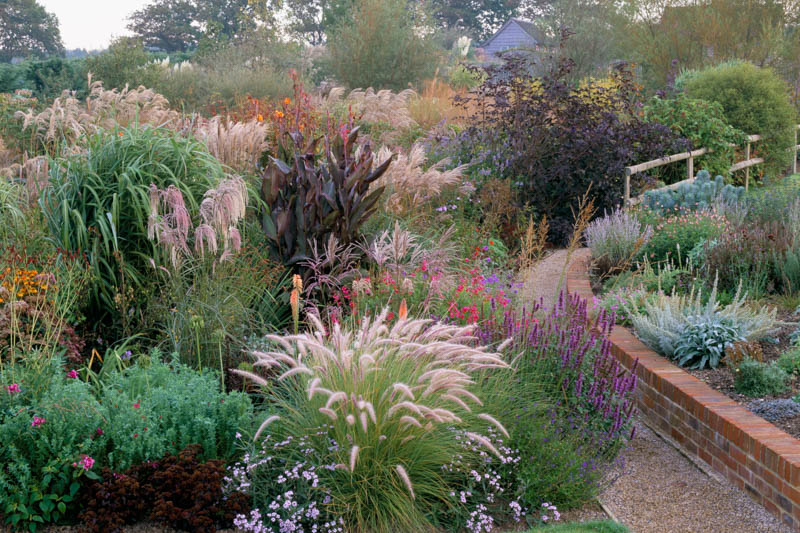
Planting black elderberry connects you to a deep tradition of hedgerows, small farms, and home kitchens. The plant is generous, forgiving, and wonderfully productive. A sunny corner and a little water are often enough to turn a young elderberry bush into a yearly harvest of flowers and fruit. With two or three plants you can keep a steady rotation of renewal pruning, encourage strong new shoots, and fill your pantry with elderberry syrup, elderberry juice, jam, and cordial. Along the way you support bees, feed birds, and enjoy a living sculpture that changes with the seasons.
Whether you are a first time grower or a seasoned gardener seeking resilient, multipurpose plants, black elderberry offers beauty, bounty, and a touch of old world romance. Brew a pot of elderberry tea, drizzle syrup over pancakes, pour a sparkling spritz made with your own juice, and taste how this timeless fruit can become part of your everyday table.
No. Always cook ripe berries. Raw fruit and small stems can irritate the digestive system. Leaves, bark, and unripe fruit are not for consumption.
Both are excellent for cooking. Black elderberry is Sambucus nigra and is classic in European hedgerows. American elderberry is Sambucus canadensis, common in North America. Grow what suits your climate and what you can source, and consider planting two selections for stronger crops.
Keep syrup chilled unless you use a tested canning recipe that specifies safe shelf storage. When in doubt, refrigerate or freeze.
One plant can fruit, yet two different selections placed within bee flight distance usually yield more and ripen more evenly.
Likely unripe fruit, lack of sun, or water stress. Give more sun, maintain consistent moisture, and wait for full color before picking.
Yes. Choose a strong central stem and remove lower side shoots over time to create a small trunk. Continue renewal pruning so the top stays productive.
You can brew both. Flower tea is floral and light. Berry tea uses dried fruit and tastes richer. In every case, cook or steep properly and strain well.
USDA NRCS PLANTS Database: Sambucus nigra profile
Oregon State University Extension: Play it safe when preserving elderberries
CABI Invasive Species Compendium: Sambucus nigra
Updated: September 2025 • Reviewed by Gardenia Editors
| Hardiness |
5 - 8 |
|---|---|
| Heat Zones |
6 - 8 |
| Climate Zones | 2, 2A, 2B, 3, 3A, 3B, 4, 5, 6, 7, 14, 15, 16, 17 |
| Plant Type | Shrubs, Trees |
| Plant Family | Adoxaceae |
| Genus | Sambucus |
| Common names | Elderberry |
| Exposure | Full Sun, Partial Sun |
| Season of Interest | Spring (Late), Summer (Early, Mid, Late), Fall |
| Height | 8' - 20' (240cm - 6.1m) |
| Spread | 8' - 20' (240cm - 6.1m) |
| Spacing | 96" - 240" (240cm - 6.1m) |
| Maintenance | Average |
| Water Needs | Average |
| Soil Type | Chalk, Clay, Loam, Sand |
| Soil pH | Acid, Alkaline, Neutral |
| Soil Drainage | Moist but Well-Drained |
| Characteristics | Fragrant, Showy, Fruit & Berries |
| Native Plants | United Kingdom |
| Tolerances | Clay Soil, Heat, Fire |
| Attracts | Butterflies, Bees, Birds |
| Garden Uses | Beds And Borders, Hedges And Screens, Rain Gardens |
| Garden Styles | Coastal Garden, Informal and Cottage |
| Toxic to Humans | Medium severity |
| Toxic to Cats | No known toxicity |
| Toxic to Dogs | No known toxicity |
| Toxic to Horses | No known toxicity |


| Hardiness |
5 - 8 |
|---|---|
| Heat Zones |
6 - 8 |
| Climate Zones | 2, 2A, 2B, 3, 3A, 3B, 4, 5, 6, 7, 14, 15, 16, 17 |
| Plant Type | Shrubs, Trees |
| Plant Family | Adoxaceae |
| Genus | Sambucus |
| Common names | Elderberry |
| Exposure | Full Sun, Partial Sun |
| Season of Interest | Spring (Late), Summer (Early, Mid, Late), Fall |
| Height | 8' - 20' (240cm - 6.1m) |
| Spread | 8' - 20' (240cm - 6.1m) |
| Spacing | 96" - 240" (240cm - 6.1m) |
| Maintenance | Average |
| Water Needs | Average |
| Soil Type | Chalk, Clay, Loam, Sand |
| Soil pH | Acid, Alkaline, Neutral |
| Soil Drainage | Moist but Well-Drained |
| Characteristics | Fragrant, Showy, Fruit & Berries |
| Native Plants | United Kingdom |
| Tolerances | Clay Soil, Heat, Fire |
| Attracts | Butterflies, Bees, Birds |
| Garden Uses | Beds And Borders, Hedges And Screens, Rain Gardens |
| Garden Styles | Coastal Garden, Informal and Cottage |
| Toxic to Humans | Medium severity |
| Toxic to Cats | No known toxicity |
| Toxic to Dogs | No known toxicity |
| Toxic to Horses | No known toxicity |
How many Sambucus nigra (Black Elderberry) do I need for my garden?
| Plant | Quantity | |
|---|---|---|
| Sambucus nigra (Black Elderberry) | N/A | Buy Plants |
Create a membership account to save your garden designs and to view them on any device.
Becoming a contributing member of Gardenia is easy and can be done in just a few minutes. If you provide us with your name, email address and the payment of a modest $25 annual membership fee, you will become a full member, enabling you to design and save up to 25 of your garden design ideas.
Join now and start creating your dream garden!
Create a membership account to save your garden designs and to view them on any device.
Becoming a contributing member of Gardenia is easy and can be done in just a few minutes. If you provide us with your name, email address and the payment of a modest $25 annual membership fee, you will become a full member, enabling you to design and save up to 25 of your garden design ideas.
Join now and start creating your dream garden!