Create Your Garden

Pretty Magnolia trees and Shrubs for Small Gardens

Short on space? Grow magnolias—compare compact Star & Loebner types, small Saucer cultivars, and slim dwarf Southern magnolias.
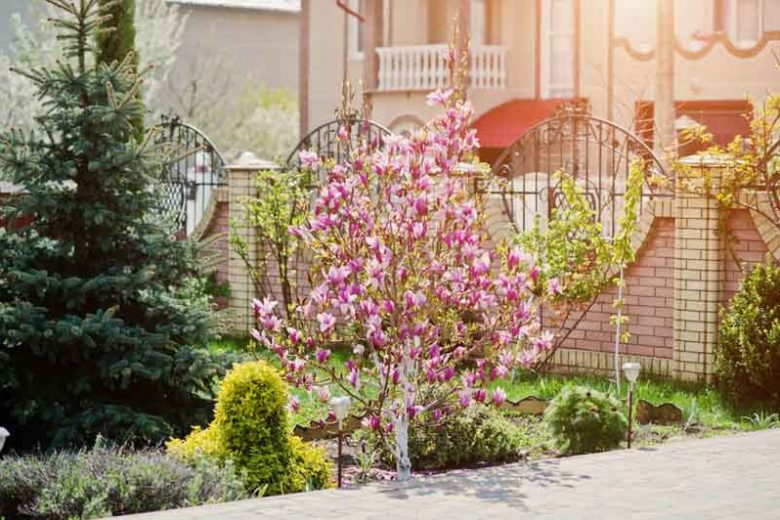
Small Magnolia, Tree for Small Gardens, Yellow Magnolias, Winter Blooming Magnolias, Spring Blooming Magnolias, Pink Magnolias, White Magnolias, Purple Magnolias, Red Magnolias

Best Compact Magnolias for Small Gardens

Pretty Magnolias for Small Gardens — Quick Picks & Care

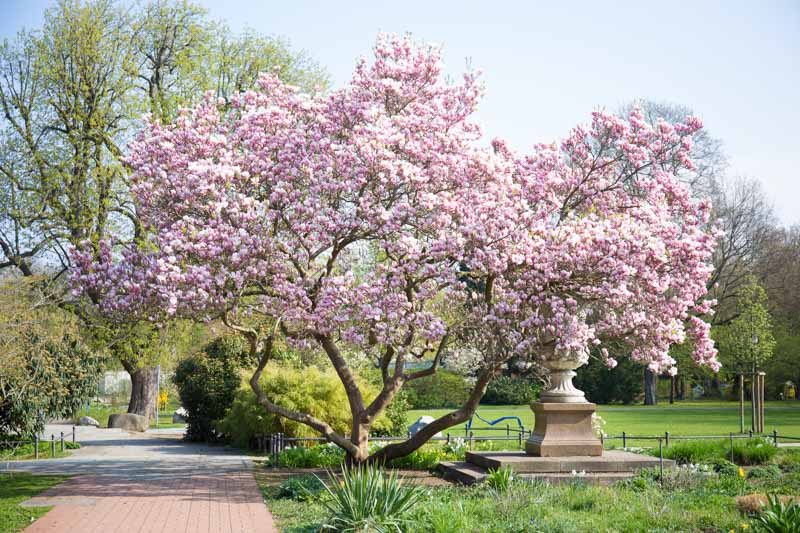
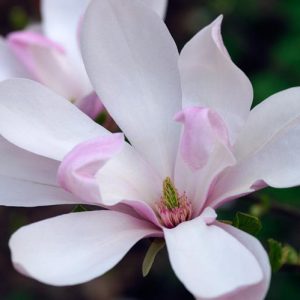
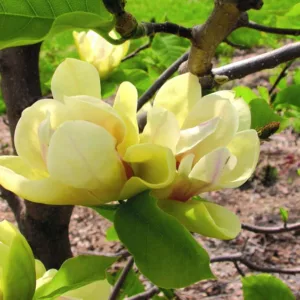
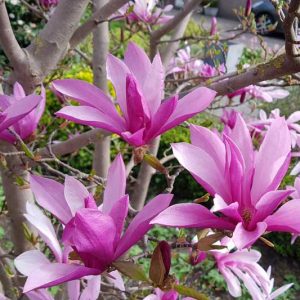
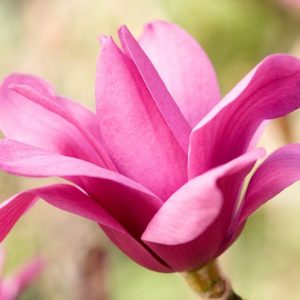
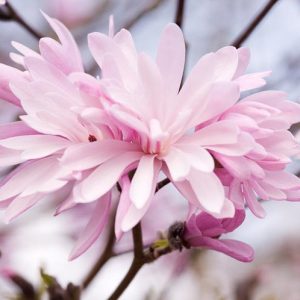
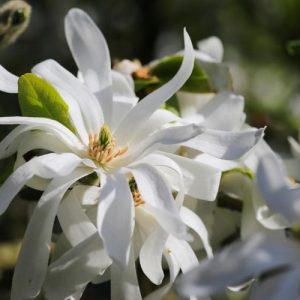
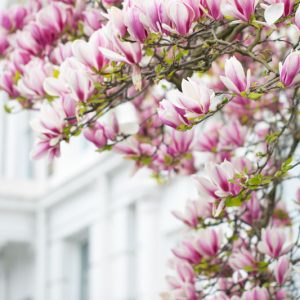
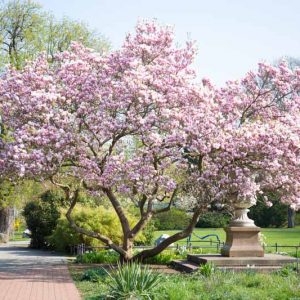
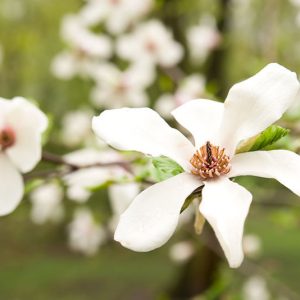
Compact magnolia varieties in bloom

Summary: Small space? You can still have show-stopping magnolias. Choose compact, early bloomers for tight courtyards, or narrow evergreens (warm zones) for year-round privacy. Pick by bloom timing, habit, and evergreen vs. deciduous to keep color rolling from late winter into summer.
Best uses: Courtyard specimens, mixed borders, patio planters (very large containers), slim privacy screens.

Quick Picks
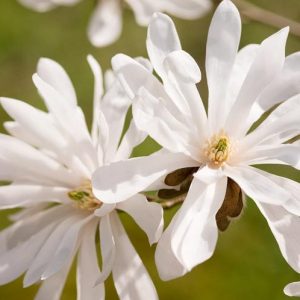
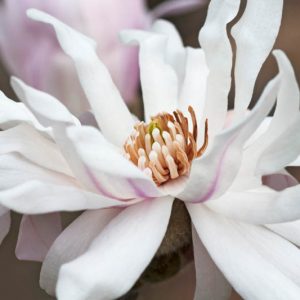
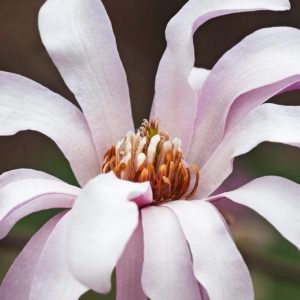
  • Tiny gardens: Star magnolia (M. stellata) and Loebner hybrids — compact, very early bloom.
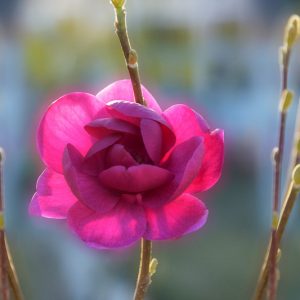
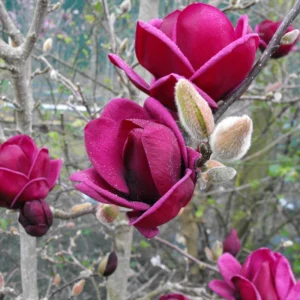
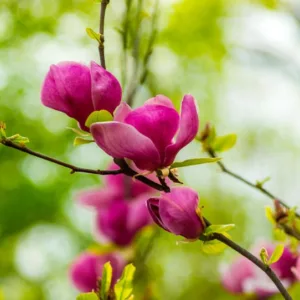
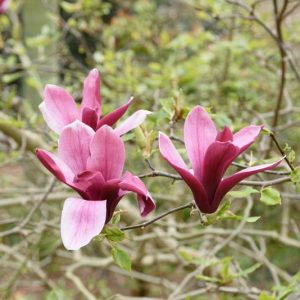
  • Dark, dramatic flowers: ‘Genie’, ‘Nigra’ (upright habits suit narrow beds).
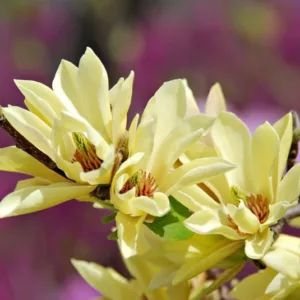
  • Sunny hues: Yellow-toned selections (e.g., ‘Sunsation’) add spring pop in small spaces.
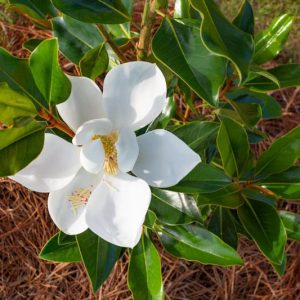
  • Evergreen screen (warm regions): Southern magnolia selections such as ‘Little Gem’ give slim, year-round structure.
  • Extra-hardy & compact: ‘Susan’ (Little Girl Series) for colder gardens with limited room.

Popular Types at a Glance
Type Habit / Size Tier Zone Band Bloom & Key Notes
Star Magnolia (M. stellata) Compact, multi-stem shrub/small tree Colder → Temperate Very early white/blush “stars”; great for tight spaces
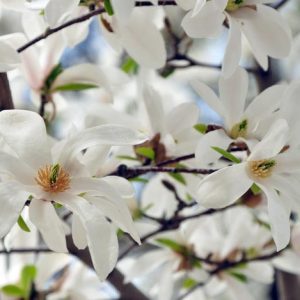
Loebner Magnolia (M. × loebneri) Compact–Small, small tree Temperate (cold-tolerant hybrid) Early star-like bloom; reliable in small yards
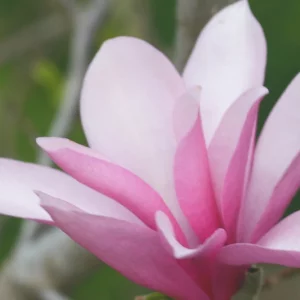
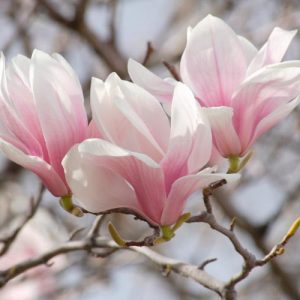
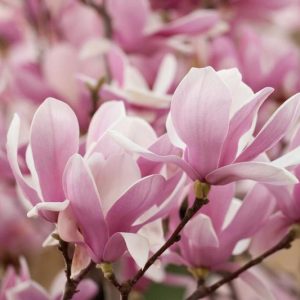
Saucer Magnolia (M. × soulangeana) Small–Medium, rounded tree Temperate Iconic pink/white goblets; early–mid spring (watch late frosts)
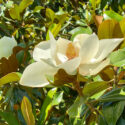
Southern Magnolia (M. grandiflora) — e.g., ‘Little Gem’ Narrow, evergreen screen/specimen Warm (some selections adapt to cool-temperate sites) Lemon-scented summer blooms; year-round foliage
Compact Color Cultivars — ‘Genie’, ‘Nigra’, ‘Sunsation’ Upright/Compact accents Temperate (check cultivar page) Deep burgundy or yellow-flushed blooms; strong focal points

For exact mature size and USDA zones, see each cultivar’s page (canonical source).

Care (Quick)
  • Sun & soil: Full sun to part shade; evenly moist, well-drained, slightly acidic soil; shelter from wind and late frosts (for early bloomers).
  • Planting: Set root flare at/just above grade; mulch 2–3 in (keep off trunk) to steady moisture and soil temp.
  • Water: Deep weekly soaks for the first 1–2 years; keep moisture steady during bud swell and summer heat.
  • Feed: Annual compost; if needed, use a balanced, slow-release fertilizer in early spring.
  • Prune: Minimal—right after bloom for deciduous types; late spring–midsummer for evergreens. Avoid heavy winter cuts.
  • Containers: Use very large pots; insulate roots from heat; water consistently.

Troubleshooting (Fast)

  • Buds zapped by frost? Site out of frost pockets; favor later-blooming hybrids (e.g., many yellows) or evergreen Southern types in warm zones; cover buds on freeze nights.
  • Few flowers? Often too much shade, excess nitrogen, or pruning at the wrong time—magnolias set next year’s buds on the previous season’s wood.
  • Sooty leaves/sticky honeydew? Check for scale or aphids; treat (horticultural oil) and rinse foliage afterward.
  • Leaf yellowing on evergreens? Some spring leaf swap is normal; on alkaline soils, correct iron chlorosis with acid-forming feed/chelate.

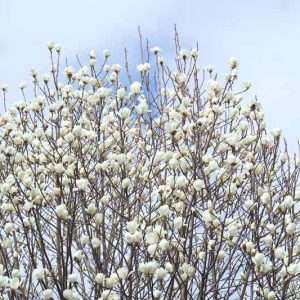
Prized worldwide for the beauty of their exquisite flowers and majestic forms, Magnolias are beloved harbingers of spring, with their parade of showy, fragrant blooms, often on display before they leaf out.

While some Magnolias can be large shrubs or trees that could swallow up the average garden, there are quite a few Magnolia cultivars of smaller stature that would fit small yards.

Here is a list of Magnolias which are more modestly sized and bloom at an early age. Most of them are easy to grow and require little maintenance. Plant one of these hardy flowering trees and bask year after year in its glory!

Guide Information

Hardiness 4 - 9
Heat Zones 1 - 9
Climate Zones 2, 3, 4, 5, 6, 7, 8, 9, 14, 15, 16, 17, 18, 19, 20, 21, 22, 23, 24
Plant Type Shrubs, Trees
Plant Family Magnoliaceae
Genus Magnolia
Exposure Full Sun, Partial Sun
Season of Interest Spring (Early, Mid, Late), Winter
Maintenance Low
Water Needs Average
Soil Type Clay, Loam, Sand
Soil pH Acid, Neutral
Soil Drainage Moist but Well-Drained, Well-Drained
Characteristics Cut Flowers, Fragrant, Plant of Merit, Showy
Landscaping Ideas Small Gardens

Pretty Magnolias for Small Gardens

Growing Magnolias

  • Selecting the Right Spot: Full sun to partial shade (morning sun is ideal in hot summers). Too much shade reduces bloom. Choose a site sheltered from drying winds and late frost pockets—swollen buds are easily damaged by cold snaps.
  • Soil: Organically rich, well-drained, slightly acidic to neutral soil (pH ~5.5–7.0). Magnolias are adaptable but dislike waterlogging.
  • Planting: Dig a hole 2–3× wider than the root ball, no deeper. Tease/score any circling roots. Set the root flare at or just above grade. Backfill with native soil (avoid heavy amendments), water in, and mulch 2–3 in (5–7 cm) deep—keep mulch off the trunk.
  • Watering: Keep soil evenly moist for the first 2–3 years (deep, infrequent soaks). Mature trees usually need water only in drought; maintain steadier moisture during bud set and summer heat. Do not overwater heavy soils.
  • Mulching: Renew a mulch ring annually to conserve moisture, moderate soil temperature, and protect shallow roots.
  • Fertilizer: Top-dress with compost in spring. Use a slow-release, balanced or acid-forming fertilizer only if growth or a soil test suggests it—avoid high nitrogen that can reduce flowering.
  • Pruning: Minimal. Prune right after bloom on deciduous types (buds form on previous wood); late spring–midsummer for evergreens. Remove only dead, damaged, or crossing wood.
  • Transplanting: Magnolias resent root disturbance. Plant at the final site and avoid frequent moving or deep cultivation around roots.

Patience pays: young magnolias may take a few seasons to flower, but the show is worth the wait.

Growing Magnolias in Containers (Quick Guide)

  • Pick compact stars: Magnolia stellata, M. × loebneri (‘Leonard Messel’), Little Girl Series (‘Susan’). In warm zones, consider dwarf M. grandiflora like ‘Little Gem’.
  • Pot size: Start with 18–24 in (45–60 cm) wide containers with ample drainage; raise on pot feet for airflow.
  • Mix: High-quality, well-drained, slightly acidic potting mix; add pine bark/compost for structure. No garden soil.
  • Planting: Keep the root flare level with the surface. Mulch 1–2 in (2.5–5 cm), but keep mulch off the trunk.
  • Light & water: Full sun to part shade. Water deeply until it runs from the base; in heat, check daily. Never leave the pot sitting in a full saucer.
  • Feeding: Early spring application of slow-release balanced/acid-forming fertilizer; top-dress with compost mid-season.
  • Pruning: Minimal—after bloom (deciduous) or late spring–midsummer (evergreen); remove only dead/crossing wood.
  • Winter care: Container roots get colder—treat as one USDA zone colder. Wrap pots, group together, or move to a sheltered spot/garage. Water sparingly but don’t let the mix bone-dry.
  • Repotting: Every 2–3 years, step up one size or refresh the outer third of the mix if reusing the container.
  • Long-term note: Some cultivars will eventually outgrow containers—plan to up-pot over time or plant out once established.
  • Mobility: Use a dolly/caster to rotate for even sun and quickly move pots before frosts or wind events.

Frequently Asked Questions

Which magnolias stay small for tight gardens?

tar magnolia (Magnolia stellata), Loebner hybrids (e.g., ‘Leonard Messel’), the Little Girl series (‘Susan’, ‘Ann’, ‘Betty’), M. liliiflora ‘Nigra’, and compact cultivars like ‘Genie’ or Saucer dwarf ‘Lilliputian’.

How big do compact magnolias get?

Most mature around 8–15 ft (2.5–4.5 m) tall and wide. Always check the specific cultivar’s page for canonical size.

Which small magnolias are the hardiest?

Star magnolia and many Little Girl hybrids (‘Susan’, ‘Ann’) include selections rated to USDA Zone 4.

What’s the best small magnolia to avoid frost damage?

Choose later bloomers. Loebner types flower a bit after star; ‘Nigra’ and some hybrids bloom later in spring. Use breathable covers on freeze nights.

Can I grow a small magnolia in a container?

Yes. Pick compact cultivars (stellata, Loebner, Little Girl, ‘Genie’). Use a very large pot (18–24 in / 45–60 cm), well-drained slightly acidic mix, and protect roots in winter (treat as one USDA zone colder).

How much sun do compact magnolias need?

Full sun to part shade. More sun usually means more flowers; in hot climates, light afternoon shade keeps blooms fresh.

What soil do they prefer?

Evenly moist, well-drained, organically rich, slightly acidic soil. Mulch 2–3 in (5–7.5 cm), keeping mulch off the trunk.

How long until a young plant blooms?

Many compact cultivars flower young—often within 2–3 years—though weather, site, and vigor affect timing.

Why are buds dropping or flowers sparse?

Likely late frost, insufficient sun, drought stress, high-nitrogen feeding, or pruning at the wrong time. Improve light, water evenly, avoid heavy N, and prune post-bloom.

Are there evergreen options that stay fairly small?

Dwarf Southern magnolias (‘Little Gem’, ‘Teddy Bear’) hold a narrower profile in warm zones, but still plan for 15–25 ft (4.5–7.5 m) at maturity.

Do small magnolias attract pollinators?

Yes. Magnolia flowers are primarily beetle-pollinated and also visited by early bees and flies—valuable early-season resources.

You may want to review these useful guides

Favorite Yellow Magnolia Trees for Your Garden
Magnolia Tree: How to Grow and Care with Success
Popular Types of Magnolia Shrubs and Trees
Popular Pine Trees for Small Gardens
Add a Splash of Color: Perfect Flowering Shrubs for Small Gardens
Pretty Lilacs for Small Gardens
Pretty Clematis for Small Gardens
Wisteria Varieties for Small Gardens
Azaleas and Rhododendrons for Small Gardens
Small Trees, Big Impact: Maximize Your Garden’s Potential
Anise Magnolia (Magnolia salicifolia)
Loebner Magnolia (Magnolia x loebneri)
Saucer Magnolia (Magnolia x soulangeana)
Star Magnolia (Magnolia stellata)
Yulan Magnolia (Magnolia denudata)
Compare All Magnolia
Compare Now
Explore Great Plant Combination Ideas
Magnolia
Guides with
Magnolia
While every effort has been made to describe these plants accurately, please keep in mind that height, bloom time, and color may differ in various climates. The description of these plants has been written based on numerous outside resources.

Guide Information

Hardiness 4 - 9
Heat Zones 1 - 9
Climate Zones 2, 3, 4, 5, 6, 7, 8, 9, 14, 15, 16, 17, 18, 19, 20, 21, 22, 23, 24
Plant Type Shrubs, Trees
Plant Family Magnoliaceae
Genus Magnolia
Exposure Full Sun, Partial Sun
Season of Interest Spring (Early, Mid, Late), Winter
Maintenance Low
Water Needs Average
Soil Type Clay, Loam, Sand
Soil pH Acid, Neutral
Soil Drainage Moist but Well-Drained, Well-Drained
Characteristics Cut Flowers, Fragrant, Plant of Merit, Showy
Landscaping Ideas Small Gardens
Compare All Magnolia
Compare Now
Explore Great Plant Combination Ideas
Magnolia
Guides with
Magnolia

Related Items

Please Login to Proceed

You Have Reached The Free Limit, Please Subscribe to Proceed

Subscribe to Gardenia

To create additional collections, you must be a paid member of Gardenia
  • Add as many plants as you wish
  • Create and save up to 25 garden collections
Become a Member

Plant Added Successfully

Your garden is taking shape. Unlock full planning.

You’ve reached the free limit. Upgrade for $25/year to add as many plants as you wish and save up to 25 garden collections. Unlock Annual Membership

Update Your Credit
Card Information

Cancel

Create a New Collection

Sign Up to Our Newsletter

    You have been subscribed successfully

    Join Gardenia.net

    Create a membership account to save your garden designs and to view them on any device.

    Becoming a contributing member of Gardenia is easy and can be done in just a few minutes. If you provide us with your name, email address and the payment of a modest $25 annual membership fee, you will become a full member, enabling you to design and save up to 25 of your garden design ideas.

    Join now and start creating your dream garden!

    Join Gardenia.net

    Create a membership account to save your garden designs and to view them on any device.

    Becoming a contributing member of Gardenia is easy and can be done in just a few minutes. If you provide us with your name, email address and the payment of a modest $25 annual membership fee, you will become a full member, enabling you to design and save up to 25 of your garden design ideas.

    Join now and start creating your dream garden!
    Find your Hardiness Zone

    Find your Heat Zone

    Find your Climate Zone