Create Your Garden

Star Magnolia (Magnolia stellata)

Craving spring drama? Meet star magnolia, the compact magnolia tree that wakes the garden early. Its starry white or pink magnolia flowers sparkle on bare branches, followed by lush summer leaves.
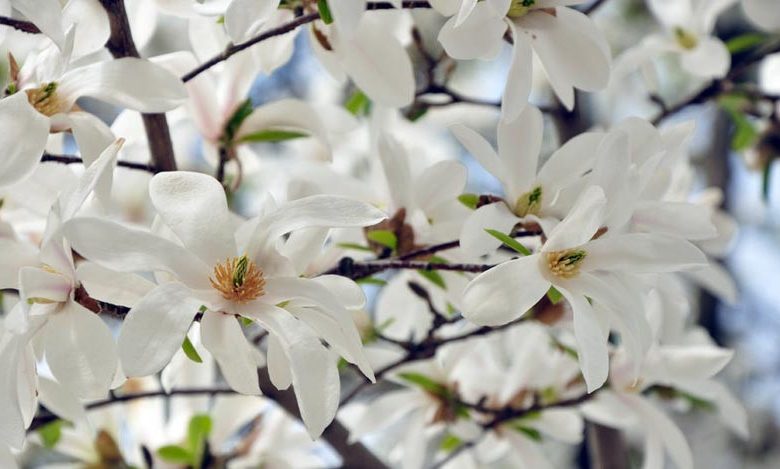
Magnolia stellata, Star Magnolia, White magnolia, Winter flowers, Spring flowers, White flowers, fragrant trees, fragrant flowers

Star Magnolia – Magnolia stellata: Your First Taste of Spring

Quick Facts — Star Magnolia (Magnolia stellata)

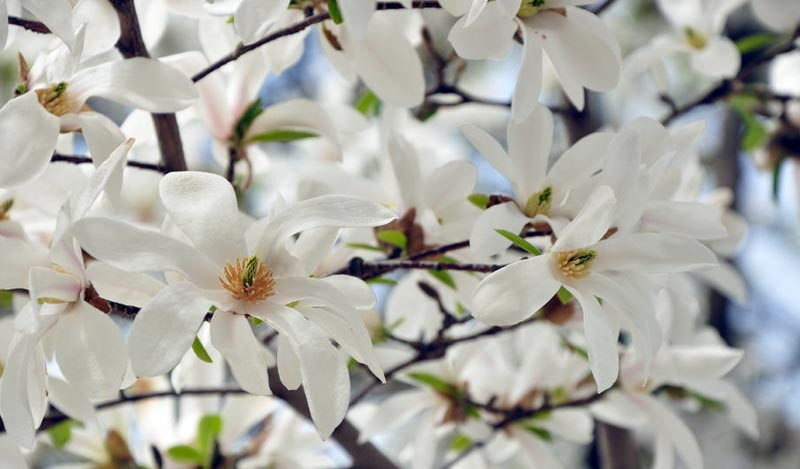
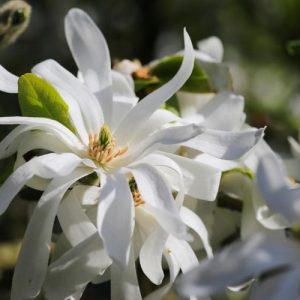
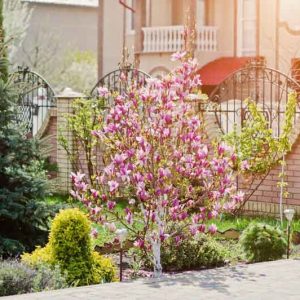
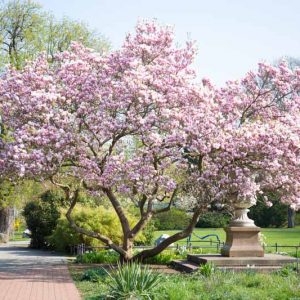
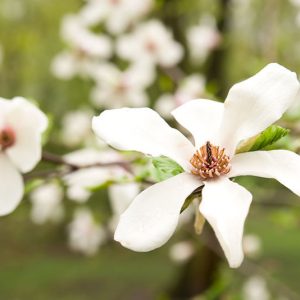
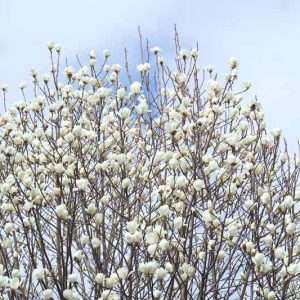
Star magnolia tree in bloom with white star-shaped magnolia flowers

Summary: Among the very first woody plants to flower, Star Magnolia opens a cloud of starry white or blush magnolia flowers on bare branches when the rest of the garden is still yawning awake. Compact, cold-hardy, and lovely from twig to petal, it’s a perfect small-space magnolia tree.
Fragrance: Light, sweet, fresh-spring scent.
Best uses: Specimen, courtyard accent, mixed border, foundation bed, patio view.
Wildlife: Early-season resource for pollinators (beetles, flies, early bees).

Botanical Name Magnolia stellata
Common Name Star magnolia
Type & Habit Deciduous large shrub/small tree; rounded to oval; often multi-stemmed
Size 10–20 ft (3–6 m) tall × 8–20 ft (2.4–6 m) wide; slow to moderate growth
Bloom Late winter–early spring; star-shaped magnolia flowers with 12–30+ narrow tepals (often up to ~40)
Hardiness (USDA) Zones 4–9 (excellent cold tolerance for magnolia trees)
Sun & Soil Full sun to part shade; evenly moist, well-drained, slightly acidic to neutral soil
Landscape Uses Specimen, mixed border, foundation planting, courtyard/patio focal point, informal screen (multi-stem)
Wildlife & Pollination Primarily beetle-pollinated; early food for beneficial insects when few other trees are blooming
Deer/Rabbits Mild deer resistance; protect young stems from rabbits
Toxicity & Invasiveness Not known to be toxic to people or pets; non-invasive in gardens

Care (Quick)
  • Planting: Dig 2–3× wider than the root ball; set root flare at/just above grade; mulch 2–3 in (keep off trunk).
  • Water: Deep soak weekly in the first two seasons; keep evenly moist during bud swell and summer heat.
  • Feed: Annual compost; if needed, use a slow-release, acid-forming fertilizer in early spring.
  • Prune: Lightly after bloom; remove dead/crossing wood; avoid heavy winter/fall pruning.
  • Frost: Protect swollen buds from late hard freezes with breathable covers; avoid frost pockets.

Why gardeners adore it: When a starry magnolia flower explodes on bare twigs in late winter, you can practically hear the garden cheer. This magnolia tree looks delicate but shrugs off cold, fits where big magnolia trees won’t, and delivers a reliable “wow” right when you’ve missed magnolia flowers the most.


What Is Star Magnolia?

Magnolia stellata is a slow-growing, deciduous magnolia tree (often multi-stemmed) native to Japan. The species name “stellata” means “starry,” a nod to those distinctive, many-tepaled blossoms that read like white fireworks. It’s one of the earliest-blooming magnolia trees and a go-to choice for gardeners who want spring drama without a giant footprint.

Magnolia belongs to the Magnoliaceae family, which includes several popular species such as the Southern Magnolia (Magnolia grandiflora), Star Magnolia (Magnolia stellata), Saucer Magnolia (Magnolia × soulangeana), and Sweetbay Magnolia (Magnolia virginiana).

  • Habit & size: Typically 10–20 ft tall and 8–20 ft wide, with a rounded, spreading outline that’s elegant even in winter.
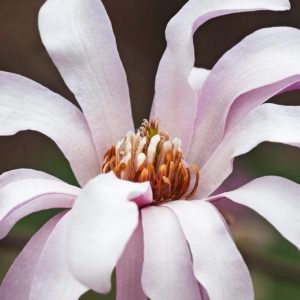
  • Flowers: Star-shaped magnolia flowers, usually pure white but sometimes soft pink to deeper blush depending on the cultivar. Each 3–4 in blossom can have 12–30 or more narrow tepals (often up to ~40), creating that signature starburst.
  • Bloom time: Late winter to very early spring—among the first woody plants to flower.
  • Foliage: Elliptical, lush green leaves follow the bloom; in fall, they take on bronze or warm tan tones.
  • Hardiness: Exceptionally cold-tolerant for a magnolia tree; USDA Zones 4–9.
  • Uses: Specimen, mixed shrub border, foundation bed, woodland edge, or informal hedge (multi-stem clumps).
  • Pollinators: Early resource for beneficial insects, especially beetles (magnolias evolved before bees were common!) and early-season bees/flies.

Why Grow a Star Magnolia Tree?

  • Earliest color: While other plants are still snoozing, this magnolia flowers open across the branches in a blizzard of petals.
  • Compact beauty: A small-scale magnolia tree that suits city lots, courtyards, and front gardens without overwhelming them.
  • Cold-hardy: If you’ve written off magnolia trees for cold climates, think again—this one can thrive down to Zone 4.
  • Four-season interest: Spring bloom, summer shade, warm fall tones, and sculptural winter branching.
  • Low maintenance: Once established, it’s surprisingly hands-off—just water during dry spells and prune lightly after bloom.

Bottom line: Star Magnolia is the reliable, romantic early bloomer that makes winter feel shorter and spring feel bigger.

What Star Magnolia Looks Like Through the Seasons

Season What You’ll See
Late winter Silky buds swelling; a hint of petals within. Protect from sudden hard freezes if possible.
Early spring Branches explode with starry magnolia flowers—white or blush—on leafless wood. Peak photo moment!
Late spring–summer Clean green canopy; welcome shade for perennials beneath.
Fall Leaves color to bronze/tan; small cone-like pods may reveal red seeds; bark and branching take the stage.
Winter Sculptural silhouette; fuzzy flower buds promise the next show.

Notable Star Magnolia Cultivars (Find Your Favorite Look)

Cultivar Size USDA Zones* Highlights & Best Uses
Royal Star 10–20 ft × 8-15 ft 4–8 Large, double white flowers with many narrow tepals; classic for small front yards and near windows.
Centennial 15-20 ft × 15–20 ft 4–9 Showy white blooms; vigorous and widely adapted; excellent specimen for lawn or courtyard.
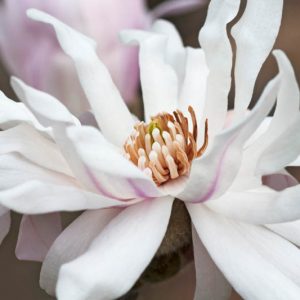
‘Waterlily’ 10–15 ft × 10–12 ft 4–9 Elegant, many-petaled white flowers with a hint of cream; refined near entries and patios.
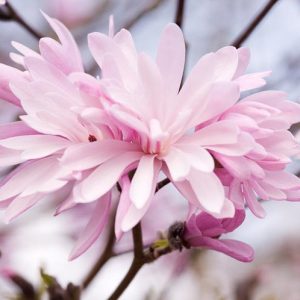
Jane Platt 10-15 ft × 10–12 ft 4-8 Highly regarded soft pink flowers; compact habit—great for smaller gardens.
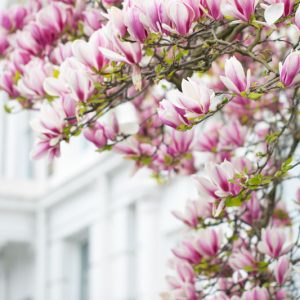
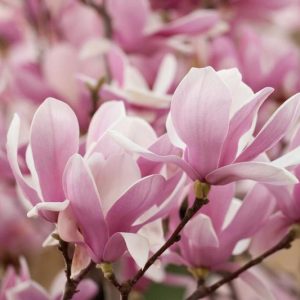
‘Rosea’ (syn. ‘Pink Star’) 10–15 ft × 10–12 ft 4–9 Blush to light pink magnolia flowers; romantic against dark evergreens or brick.
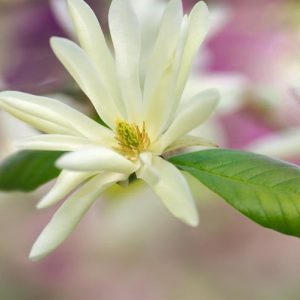
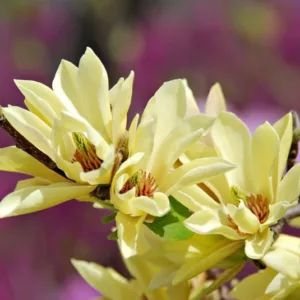
Gold Star 15–25 ft × 15–20 ft 5–9 Creamy-yellow, starry early blooms (4 in.); upright small tree; standout specimen for city/cottage gardens.
‘Chrysanthemumiflora’ 10–15 ft × 8–12 ft 5–9 Exceptional petal count—fluffy, chrysanthemum-like flowers; conversation piece near patios.

*Zones and sizes are typical ranges and can vary with cultivar, nursery strain, and site conditions. Always confirm locally.
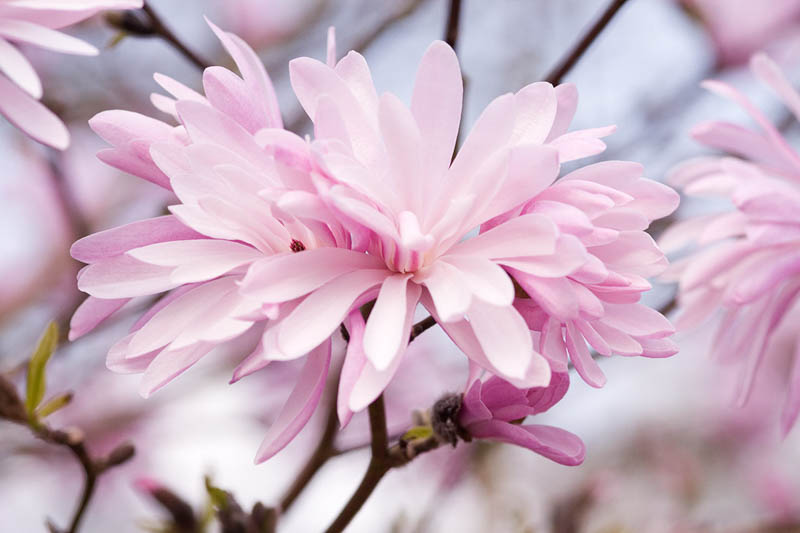

Magnolia stellata 'Jane Platt', Star Magnolia, Star Magnolia 'Jane Platt' , White magnolia, Winter flowers, Spring flowers, White flowers, fragrant trees, fragrant flowers

Garden Design with Star Magnolia

Think of Star Magnolia as both sculpture and spotlight. Place it where the silhouette and those very early magnolia flowers will shine—by a picture window, at the bend of a walkway, or anchoring a mixed border. Because the bloom arrives on bare branches, a single magnolia flower can read across the entire yard.

  • Specimen placement: Pride of place on a front lawn or courtyard for maximum visibility in late winter and spring.
  • Framing views: Flank an entry or patio; low underplantings keep sight lines clear to the flowers.
  • Backdrops: Evergreen hedges or walls make white magnolia flowers pop; dark brick does the same for blush cultivars.
  • Woodland edge: At a woodland margin, starry blossoms appear like floating lanterns among still-bare branches.
  • Espalier & containers: Compact forms can be trained flat on a warm wall, or grown in large planters (20–25+ gal) with attentive watering.

Perfect Companion Plants

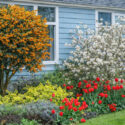
Choose partners that enjoy the same conditions (sun to part shade, evenly moist soil) and extend color before and after bloom.
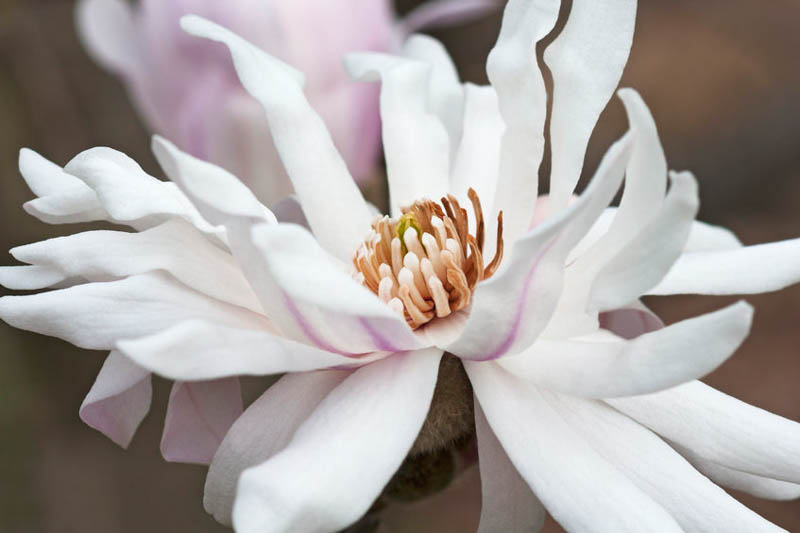

Magnolia stellata 'Centennial', Star Magnolia, Star Magnolia 'Centennial' , White magnolia, Winter flowers, Spring flowers, White flowers, fragrant trees, fragrant flowers

Planting & Site Selection

Star Magnolia asks for three simple things: decent light, decent soil, and decent drainage. Nail those and you’ll be rewarded for decades.

  • Light: Full sun to part shade. In hot-summer regions, a bit of afternoon shade can help petals last longer.
  • Soil: Moist but well-drained loam is ideal; slightly acidic to neutral pH keeps foliage lush. Improve heavy clay with organic matter; raise the planting area a few inches if drainage is marginal.
  • Microclimate: Buds can be nipped by a late freeze. Avoid low frost pockets; east or north exposures can slow premature bud opening.
  • Space: Leave 10–15 ft from buildings or other trees for mature spread. Star Magnolia has a wide, fibrous root system that prefers life under mulch, not lawn.

How to Plant (Step-by-Step)

  1. Soak the root ball before planting if it’s dry

    Gently tease circling roots.

  2. Dig a hole 2–3× wider than the root ball, no deeper

    Keep the root flare at or slightly above finished grade.

  3. Backfill with your native soil (no need for heavy amendments), watering halfway to settle.

  4. Mulch 2–3 in deep out to at least the dripline

    Keep mulch a few inches off the trunk.

  5. Water deeply to settle and tag a weekly reminder for year one.


Watering, Feeding & Mulching

  • Establishment (first two seasons): Deep soak once a week (more in hot spells) to moisten the top 8–12 in of soil.
  • Mature trees: About 1 in (25 mm) of water per week in dry weather. Mulch conserves moisture and cools roots.
  • Feeding: Annual compost is often enough. If growth seems slow or leaves pale, apply a slow-release, acid-forming fertilizer in early spring per label.
  • Mulch: Maintain 2–3 in of shredded bark or leaf mold, replenishing annually. Keep it off the trunk to prevent rot.

Pruning & Training

Short version: less is more. Magnolias resent heavy pruning, and Star Magnolia sets next year’s magnolia flowers early.

  • Timing: Right after bloom. Remove dead/damaged twigs and lightly thin crossing branches.
  • Shaping: Decide early whether you want a single-trunk “tree” or a multi-stem “large shrub.” Both are beautiful.
  • Limit: Keep live canopy removal under ~20% in any given year.

Cold, Wind & Frost Tips

  • Late frosts: If a hard freeze threatens during bud swell, toss a breathable frost cloth over the canopy overnight.
  • Wind: Choose sites with some shelter; strong winds can shred petals on peak bloom days.
  • Young stems: In rabbit-prone areas, guard trunks in winter; remove guards in spring to prevent moisture buildup.

Growing in Containers & Espalier

Compact cultivars can thrive in very large planters—fantastic for patios where you want magnolia flowers at eye level.

  • Container size: 20–25+ gallons with excellent drainage.
  • Mix: Rich, well-draining potting mix; water more frequently in heat and protect the root ball from hard freezes.
  • Top-up: Refresh the top few inches of mix each spring; repot as needed every few years.
  • Espalier: Train young shoots on a trellis or wire frame against a sunny wall for a living spring mural.

Propagation

  • Cuttings: Semi-ripe cuttings in summer root best with bottom warmth, high humidity, and a free-draining medium. Rooting hormone helps.
  • Layering: Simple layering of a low branch can succeed with patience.
  • Seed: Possible, but seedlings vary; expect a wait of several years to bloom and uncertain flower form.
  • Grafting: Named cultivars are grafted to preserve their unique flower color/shape.

Care Calendar (Quick)

Care Calendar (Quick)
Season Tasks
Early spring Water during bud swell and dry spells; top up 2–3 in mulch (keep off trunk); consider light, slow-release fertilizer if growth is weak.
After bloom Light shaping and removal of winter damage; avoid heavy pruning that cuts off next year’s magnolia flowers.
Summer Deep water in heat; maintain mulch; monitor for aphids/scale and wash off as needed.
Fall Soil test if chlorosis shows; correct pH; clean up leaves to reduce leaf-spot carryover; avoid late-season fertilizer in cold zones.
Winter Protect young trunks from rabbits; consider frost cloth on nights with sudden hard freezes during bud swell.

Pests, Diseases & Easy Solutions

Star Magnolia is generally trouble-free if you provide water, mulch, and air circulation.

Common Pests

  • Aphids & Mealybugs: Spray with a firm jet of water; encourage beneficial insects; consider horticultural soap if needed.
  • Scale insects: Monitor twigs; treat crawler stage with horticultural oil; improve vigor with steady watering.
  • Magnolia borer (regional): Keep trees unstressed and avoid wounding; consult local guidance if pressure is known.

Diseases

  • Powdery mildew & leaf spots: Thin lightly for airflow, water at soil level, and clean up fallen leaves in autumn.
  • Verticillium wilt (soil-borne): Avoid planting where susceptible hosts died of wilt; maintain vigor.

Troubleshooting & Pro Tips

  • Few magnolia flowers: Add sun, keep even moisture during late-summer bud set, and skip heavy pruning after midsummer.
  • Yellowing leaves (chlorosis): Check pH; aim slightly acidic. Improve drainage and add organic matter.
  • Browned blooms: That’s a frost surprise. The tree will be fine and next year’s show returns.
  • Root disturbance: Avoid digging under the canopy. Mulch beats cultivation every time.

Guide Information

Hardiness 4 - 9
Heat Zones 5 - 9
Climate Zones 2B, 3, 3A, 3B, 4, 5, 6, 7, 8, 9, 14, 15, 16, 17, 18, 19, 20, 21, 22, 23, 24
Plant Type Shrubs, Trees
Genus Magnolia
Exposure Full Sun, Partial Sun
Season of Interest Spring (Early), Fall, Winter
Height 10' - 20' (3m - 6.1m)
Spread 8' - 20' (240cm - 6.1m)
Water Needs Average
Soil Type Clay, Loam, Sand
Soil pH Acid, Alkaline, Neutral
Soil Drainage Moist but Well-Drained, Well-Drained
Characteristics Cut Flowers, Fragrant, Showy
Attracts Bees
Landscaping Ideas Beds And Borders, Hedges And Screens, Wall-Side Borders
Garden Styles City and Courtyard, Informal and Cottage, Traditional Garden

Notable Star Magnolia Varieties

Wrap-Up

Star Magnolia is proof that a small magnolia tree can deliver huge emotional impact. Those early magnolia flowers break the spell of winter, the summer canopy is gracious and tidy, and the plant asks for little more than water, mulch, and a good spot. If you’ve dreamt of magnolia trees but feared they’d be too big or too tender, this is the one that says, “Relax—I’ve got you.”

Frequently Asked Questions

When does Star Magnolia bloom?

Star magnolia is among the earliest magnolias to bloom, producing fragrant white (sometimes pink) star-shaped flowers on bare branches in late winter to early spring, before leaf-out.

How hardy is Star Magnolia?

Hardy in USDA zones 4 or 5 through 8, tolerating significant cold and making it suitable for much of the U.S. and Europe.

How large does Star Magnolia get?

Usually grows 10–20 ft (3–6 m) high and 8-20 ft (2.4–6 m) wide, forming a dense, slow-growing shrub or small tree.

Does it need full sun or shade?

Prefers full sun to light shade; flowering is most prolific in full sun but some afternoon shade may protect blooms from spring frosts.

Will late frosts damage the flowers?

Yes, a hard freeze during bloom can brown or ruin flowers. Plant in a sheltered location to offer some protection.

How fast does Star Magnolia grow?

Growth is slow to moderate, typically taking 10–20 years to reach ultimate size.

When and how should Star Magnolia be pruned?

Needs little pruning other than removing dead, damaged, or crossed branches. Prune only after flowering.

Does it transplant well?

Young plants transplant more easily due to fleshy, shallow root systems; older plants resent disturbance.

Why is my Star Magnolia not flowering?

Common causes: planting in too much shade, immature plant (blooms after a few years), or flowers killed by late frost.

Updated: September 2025 • Reviewed by Gardenia Editors

Companion Plants for Star Magnolia

Narcissi (Daffodils)
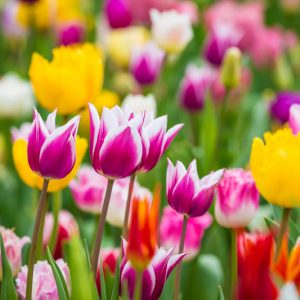
Tulips
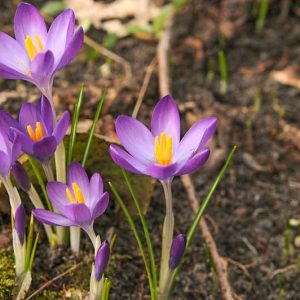
Crocus tommasinianus (Early Crocus)
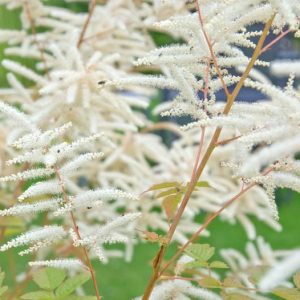
Astilbe
Hosta (Plantain Lily)
Hydrangea macrophylla (Bigleaf Hydrangea)

Discover These Helpful Guides for Further Reading

Pretty Magnolia trees and Shrubs for Small Gardens
Magnolia Tree: How to Grow and Care with Success
Favorite Yellow Magnolia Trees for Your Garden
Popular Types of Magnolia Shrubs and Trees
35 Spectacular Flowering Trees for Instant Curb Appeal
30 Best Spring Flowers Every Gardener Should Grow
Flower Bulbs That Thrive Under Trees
Best Ginkgo Trees for Home Gardens
Top Pollution-Tolerant Trees for Cities and Urban Landscapes
Laurel Trees and Shrubs: Choosing the Best for Your Garden
32 Fast-Growing Shade Trees That Thrive in Any Climate
Palm Tree Facts You Didn’t Know
Popular Pine Trees for Small Gardens
Small Trees and Shrubs That Attract Birds
Anise Magnolia (Magnolia salicifolia)
Loebner Magnolia (Magnolia x loebneri)
Yulan Magnolia (Magnolia denudata)
Saucer Magnolia (Magnolia x soulangeana)
Compare All Magnolia
Compare Now
Explore Great Plant Combination Ideas
Magnolia
Guides with
Magnolia
While every effort has been made to describe these plants accurately, please keep in mind that height, bloom time, and color may differ in various climates. The description of these plants has been written based on numerous outside resources.

Guide Information

Hardiness 4 - 9
Heat Zones 5 - 9
Climate Zones 2B, 3, 3A, 3B, 4, 5, 6, 7, 8, 9, 14, 15, 16, 17, 18, 19, 20, 21, 22, 23, 24
Plant Type Shrubs, Trees
Genus Magnolia
Exposure Full Sun, Partial Sun
Season of Interest Spring (Early), Fall, Winter
Height 10' - 20' (3m - 6.1m)
Spread 8' - 20' (240cm - 6.1m)
Water Needs Average
Soil Type Clay, Loam, Sand
Soil pH Acid, Alkaline, Neutral
Soil Drainage Moist but Well-Drained, Well-Drained
Characteristics Cut Flowers, Fragrant, Showy
Attracts Bees
Landscaping Ideas Beds And Borders, Hedges And Screens, Wall-Side Borders
Garden Styles City and Courtyard, Informal and Cottage, Traditional Garden
Compare All Magnolia
Compare Now
Explore Great Plant Combination Ideas
Magnolia
Guides with
Magnolia

Related Items

Please Login to Proceed

You Have Reached The Free Limit, Please Subscribe to Proceed

Subscribe to Gardenia

To create additional collections, you must be a paid member of Gardenia
  • Add as many plants as you wish
  • Create and save up to 25 garden collections
Become a Member

Plant Added Successfully

Your garden is taking shape. Unlock full planning.

You’ve reached the free limit. Upgrade for $25/year to add as many plants as you wish and save up to 25 garden collections. Unlock Annual Membership

Update Your Credit
Card Information

Cancel

Create a New Collection

Sign Up to Our Newsletter

    You have been subscribed successfully

    Join Gardenia.net

    Create a membership account to save your garden designs and to view them on any device.

    Becoming a contributing member of Gardenia is easy and can be done in just a few minutes. If you provide us with your name, email address and the payment of a modest $25 annual membership fee, you will become a full member, enabling you to design and save up to 25 of your garden design ideas.

    Join now and start creating your dream garden!

    Join Gardenia.net

    Create a membership account to save your garden designs and to view them on any device.

    Becoming a contributing member of Gardenia is easy and can be done in just a few minutes. If you provide us with your name, email address and the payment of a modest $25 annual membership fee, you will become a full member, enabling you to design and save up to 25 of your garden design ideas.

    Join now and start creating your dream garden!
    Find your Hardiness Zone

    Find your Heat Zone

    Find your Climate Zone