Saucer Magnolia, Southern Magnolia, Star Magnolia, Loebner Magnolia, Sweet Bay Magnolia, Cucumber Tree
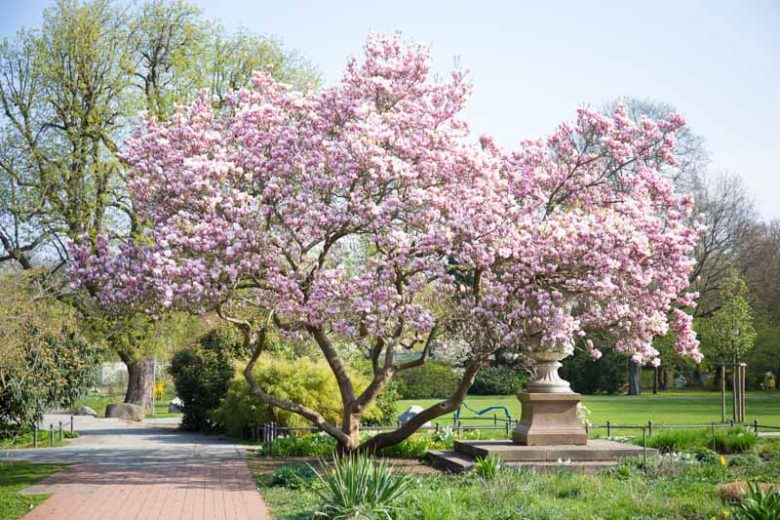


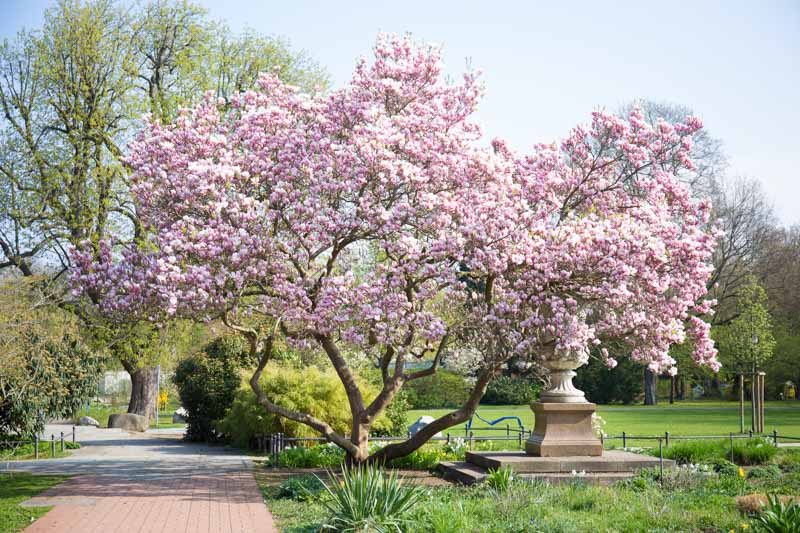
Summary: Magnolias range from petite, early-blooming shrubs to iconic lawn trees with dinner-plate blossoms or evergreen, lemon-scented flowers. Pick by size, hardiness, and bloom season to stage fireworks from late winter through summer.
Fragrance: Often sweet/citrusy (varies by species).
Best uses: Specimen, courtyard, mixed border, screens (evergreens), street/lawn trees.
| Botanical Group | Magnolia (deciduous & evergreen shrubs/trees) |
|---|---|
| Bloom Season | Late winter to summer (species-dependent); earliest: star/Loebner; mid-spring: saucer, kobus, yulan; late spring–summer: sweetbay; summer & repeat: southern evergreen types |
| Hardiness (USDA) | Approx. Zones 4–10 overall (varies by species/cultivar) |
| Sun & Soil | Full sun to part shade; evenly moist, well-drained, slightly acidic to neutral soil; shelter from harsh wind & late frosts (for early bloomers) |
| Size Range | 8–80+ ft tall depending on species/cultivar; check mature size before planting |
| Wildlife & Pollination | Ancient, mostly beetle-pollinated blooms; early nectar/pollen for beneficial insects |
| Pruning | Minimal. Prune just after bloom (deciduous) or in late spring/summer (evergreen). Avoid heavy winter cuts. |
| Deer/Rabbits | Generally moderate resistance; protect young stems |
| Toxicity & Invasiveness | Not known to be toxic to people or pets; non-invasive in gardens |
| Type (Species) | Zones | Size (H×W) | Bloom & Notes |
|---|---|---|---|
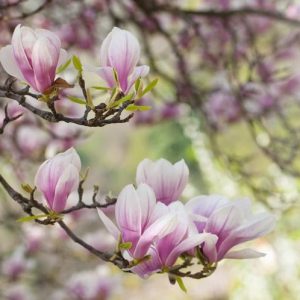
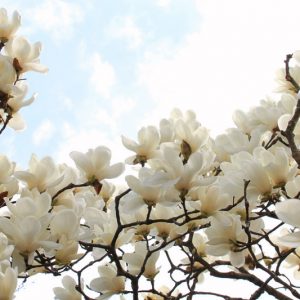
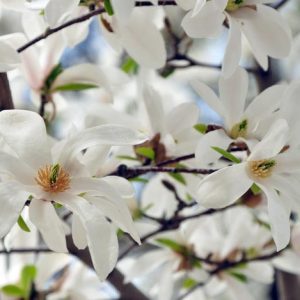
| Star Magnolia (M. stellata) | 4–9 | 10–20×8–20 ft | Earliest white/blush “stars”; superb for small spaces |
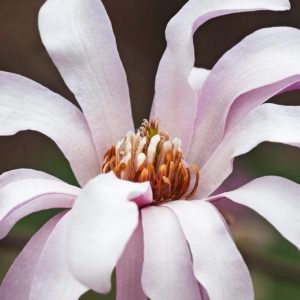
| Loebner Magnolia (M. × loebneri) | 5–9 | 8–30×6–30 ft | Early, star-like blooms; cold-tolerant hybrids |
| Saucer Magnolia (M. × soulangeana) | 5–9 | 20–30×20–25 ft | Classic pink/white “goblets” in mid-spring |
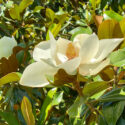
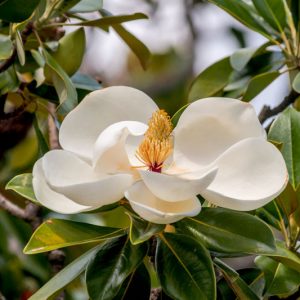
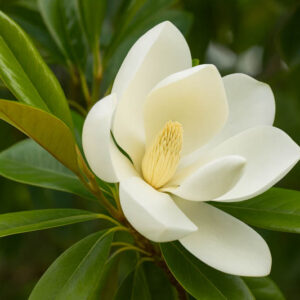
| Southern Magnolia (M. grandiflora) | 7–9 (some to 6) | 15–80×8–50 ft | Evergreen; huge lemon-scented summer flowers; great screens |
| Sweetbay Magnolia (M. virginiana) | 5–10 | 10–35×10–35 ft | Late spring–summer creamy, citrusy flowers; semi-evergreen South |
| Kobus & Yulan (M. kobus, M. denudata) | 5–8 / 6–9 | 25–50+ ft | Elegant white blooms before leaf-out; parents of many hybrids |
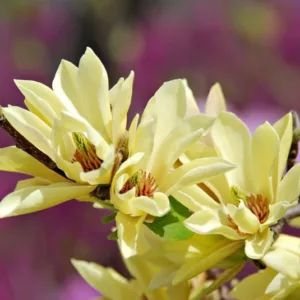
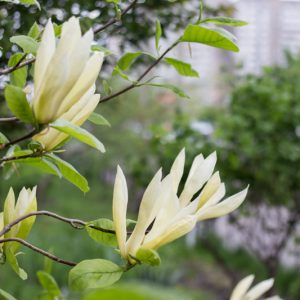
| Cucumber Tree (M. acuminata) | 4–8 | 40–70×20–30 ft | Hardy species; source of yellow-flowered cultivars |
Magnolia is a genus of flowering trees and shrubs in the Magnoliaceae family. The genus includes over 200 species of deciduous and evergreen plants native to Asia and the Americas.
Magnolia is a diverse group of plants that come in a range of shapes, sizes, and growth habits. They can be deciduous, losing their leaves in the fall, or evergreen, retaining their foliage year-round. The flowers of many magnolia trees are also highly fragrant, adding to their appeal in the garden.
Some magnolias are small shrubs, perfect for adding interest to a mixed border or small garden. Others can grow to be tall trees, providing a commanding presence in a landscape. The size of the plant often depends on the species, with some magnolias reaching only a few feet in height while others can grow to be over 80 feet (24 meters) tall.
The leaves of magnolias are also diverse, ranging from large and tropical-looking to small and delicate. Some species have glossy green leaves, while others have a silvery or fuzzy texture to their foliage.
The wide range of sizes, growth habits, foliage, and flower characteristics make magnolias a versatile and popular addition to many gardens. Whether you’re looking for a fragrant shrub or a tall tree to provide shade, there’s a magnolia species that will fit the bill. Additionally, some evergreen magnolias can add year-round interest to a garden with their showy flowers, glossy leaves, and attractive bark.
There are many reasons to grow a magnolia tree, including:
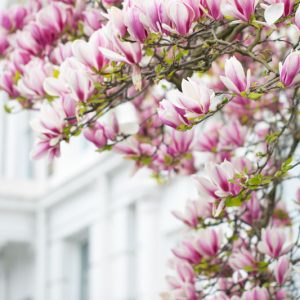
Beautiful flowers: Magnolias are renowned for their large, showy flowers that come in a variety of colors and shapes, including white, pink, purple, and yellow. They add a striking visual impact to any landscape.
Fragrance: Many magnolia species have a sweet, pleasant fragrance that fills the air around them, making them a delight to experience in the garden.
Attractive foliage: Magnolias have distinctive foliage that is often shiny and leathery, with unique shapes and textures. Some species have leaves that are evergreen, providing year-round interest.
Wildlife habitat: Magnolia trees provide valuable habitat for a variety of wildlife, including birds and insects. They can also be a food source for wildlife, as many species produce cones or fruit.
Shade and privacy: Magnolia trees can be used to provide shade and privacy in the landscape, making them a great choice for planting near patios, decks, or other outdoor living areas.
Low maintenance: Magnolia trees are generally low maintenance and require little pruning or fertilization, making them a great choice for busy homeowners or those who want an easy-to-care-for tree in their yard.
Overall, magnolia trees are a beautiful and versatile addition to any landscape, providing stunning flowers, pleasant fragrances, and a variety of other benefits.
| Hardiness |
4 - 10 |
|---|---|
| Plant Type | Shrubs, Trees |
| Plant Family | Magnoliaceae |
| Genus | Magnolia |
| Exposure | Full Sun, Partial Sun |
| Season of Interest | Spring (Early, Mid, Late), Summer (Early, Mid, Late) |
| Maintenance | Low |
| Water Needs | Low, Average |
| Soil Type | Clay, Loam, Sand |
| Soil pH | Acid, Neutral |
| Soil Drainage | Moist but Well-Drained, Well-Drained |
| Characteristics | Fragrant, Showy |
| Tolerances | Drought |
| Attracts | Bees, Birds, Butterflies |
| Landscaping Ideas | Beds And Borders, Patio And Containers, Wall-Side Borders |
| Garden Styles | City and Courtyard, Informal and Cottage |
| Toxic to Humans | No known toxicity |
| Toxic to Cats | No known toxicity |
| Toxic to Dogs | No known toxicity |
| Toxic to Horses | No known toxicity |

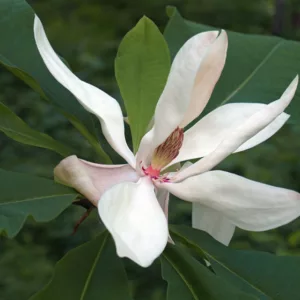
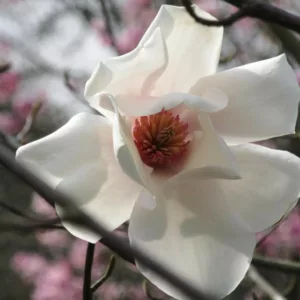
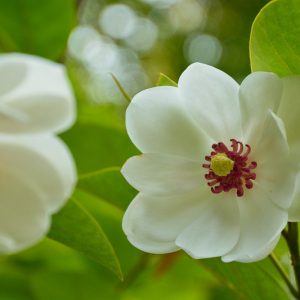
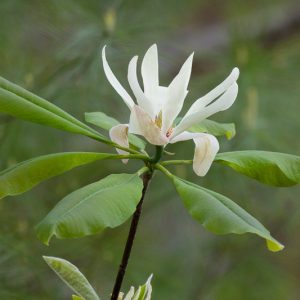
*Evergreen hardiness varies by cultivar and winter severity.
Magnolia trees thrive in well-drained soils that are slightly acidic and rich in organic matter. They prefer a location with full sun to partial shade, with at least 6 hours of direct sunlight per day. However, some magnolia species, such as the sweetbay magnolia, can tolerate more shade than others. When planting a magnolia tree, it is important to choose a location sheltered from strong winds and frost pockets, as these conditions can damage the tree and reduce flowering.
It is also essential to provide adequate space for the magnolia tree to grow. Most magnolias are medium to large trees that can reach 20 to 80 feet (6-24 meters) in height and 10 to 50 feet (3-15 meters) in width, depending on the species. Therefore, it is important to plant them away from buildings, power lines, and other structures to avoid any potential damage as the tree grows. It is also important to consider the proximity of other trees or plants, as magnolias can have shallow roots and may compete with other plants for nutrients and water.
Finally, when selecting a location for a magnolia tree, it is important to consider the climate and soil conditions. Different magnolia species have different requirements for temperature, moisture, and soil pH, so it is important to choose a species that is well-suited to your region and soil type.
Magnolias are generally low-maintenance trees, but there are a few things to keep in mind when it comes to caring for them:
Watering: Magnolia trees prefer well-drained soil, so avoid over-watering. However, it is important to ensure the tree is watered regularly, especially during the first few years after planting.
Fertilizing: Magnolias do not require a lot of fertilizer, but a slow-release fertilizer can be applied in early spring to encourage healthy growth.
Mulching: Add a layer of mulch around the base of the tree, but not touching the trunk. Mulch helps retain moisture and suppresses weeds.
Pruning: Keep it minimal. For deciduous magnolias, prune right after bloom (buds form on the previous season’s wood). For evergreen types, prune in late spring to midsummer after the first flush. Avoid heavy winter cuts.
Winter Protection: In colder climates, magnolia trees may benefit from winter protection, such as burlap wrap or anti-desiccant spray, to prevent damage from frost or harsh winds.
Overall, magnolias are relatively easy to care for and can provide stunning beauty and fragrance to your garden or landscape.
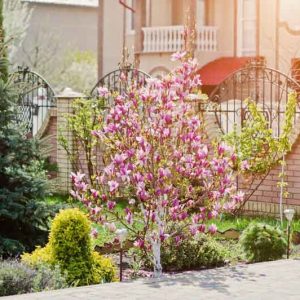
Star magnolia (M. stellata) and Loebner magnolia stay compact and flower early, making them ideal for tight spaces.
Keep pruning minimal. For deciduous magnolias, prune right after bloom (buds form on last year’s wood). For evergreen magnolias, prune in late spring to midsummer after the first flush.
Most prefer full sun to partial shade and well-drained, organic-rich, slightly acidic soil; shelter from strong winds/frost pockets improves bloom.
Sizes vary widely—from small shrubs to 80-ft trees. Always check the species’ mature height/spread and give adequate space away from buildings and lines.
Generally low-maintenance: water regularly while establishing, mulch to conserve moisture, light feeding in spring, and minimal pruning in the proper window.
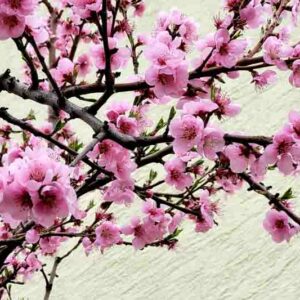
Star magnolia is among the earliest, flowering in late winter to very early spring with star-shaped blooms.
Updated: September 2025 • Reviewed by Gardenia Editors
Irina_k, Shutterstock
| Hardiness |
4 - 10 |
|---|---|
| Plant Type | Shrubs, Trees |
| Plant Family | Magnoliaceae |
| Genus | Magnolia |
| Exposure | Full Sun, Partial Sun |
| Season of Interest | Spring (Early, Mid, Late), Summer (Early, Mid, Late) |
| Maintenance | Low |
| Water Needs | Low, Average |
| Soil Type | Clay, Loam, Sand |
| Soil pH | Acid, Neutral |
| Soil Drainage | Moist but Well-Drained, Well-Drained |
| Characteristics | Fragrant, Showy |
| Tolerances | Drought |
| Attracts | Bees, Birds, Butterflies |
| Landscaping Ideas | Beds And Borders, Patio And Containers, Wall-Side Borders |
| Garden Styles | City and Courtyard, Informal and Cottage |
| Toxic to Humans | No known toxicity |
| Toxic to Cats | No known toxicity |
| Toxic to Dogs | No known toxicity |
| Toxic to Horses | No known toxicity |
Create a membership account to save your garden designs and to view them on any device.
Becoming a contributing member of Gardenia is easy and can be done in just a few minutes. If you provide us with your name, email address and the payment of a modest $25 annual membership fee, you will become a full member, enabling you to design and save up to 25 of your garden design ideas.
Join now and start creating your dream garden!
Create a membership account to save your garden designs and to view them on any device.
Becoming a contributing member of Gardenia is easy and can be done in just a few minutes. If you provide us with your name, email address and the payment of a modest $25 annual membership fee, you will become a full member, enabling you to design and save up to 25 of your garden design ideas.
Join now and start creating your dream garden!