Saucer magnolia delivers a burst of teacup blooms in early spring, then settles into handsome foliage and sculptural winter form. Learn how to site, plant, and prune it for maximum color, browse the best compact and classic cultivars, and steal design ideas that make this showstopper sing.


Summary: A beloved hybrid Magnolia tree famed for huge goblet-shaped
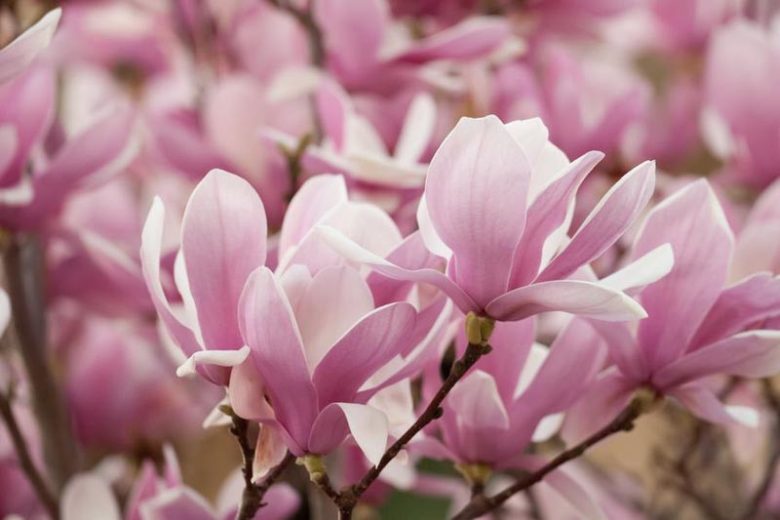
Magnolia flowers in early–mid spring (often before leaves). Color ranges from soft pinks
to rich purples with white interiors. Deciduous, rounded habit; perfect as a specimen for small yards.
| Botanical Name | Magnolia × soulangeana |
|---|---|
| Common Name | Saucer magnolia |
| Type & Habit | Deciduous small tree/large shrub; upright when young, rounded with age |
| Size | Typically 15–25 ft (4.5–7.5 m) tall and wide |
| Bloom | Early–mid spring; large goblet/saucer-shaped flowers, light fragrance |
| Hardiness (USDA) | Zones 5–9 |
| Sun & Soil | Full sun to part shade; evenly moist, well-drained, slightly acidic soil |
| Landscape Uses | Specimen/accent, courtyard focal point, large container (dwarf forms), espalier |
| Wildlife & Pollination | Primarily beetle-pollinated; early-season resource for beneficial insects |
| Deer/Rabbits | Mild deer resistance; protect young stems from rabbits |
Why gardeners adore it: When a Saucer Magnolia tree opens its first Magnolia flower of spring—big as teacups and blushed in pinks and purples—the whole garden suddenly feels like a celebration. It’s dramatic but friendly, architectural yet soft, and surprisingly easy to grow.
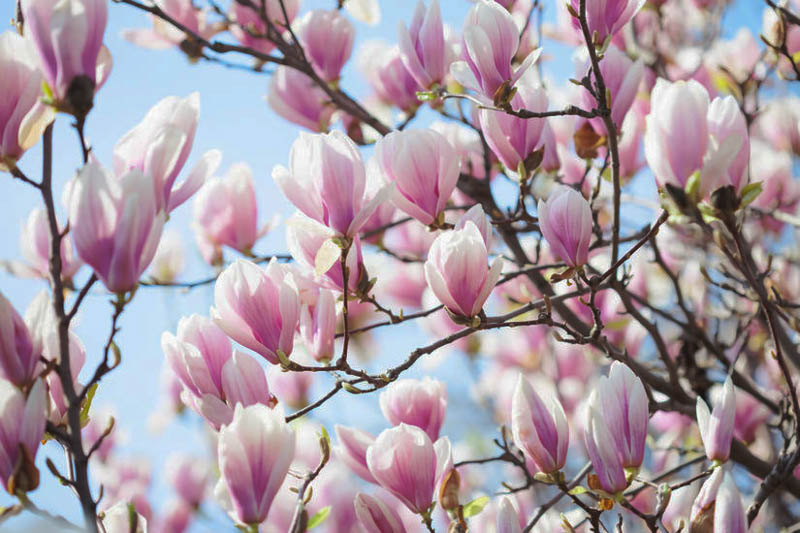
Magnolia belongs to the Magnoliaceae family, which includes several popular species such as the Southern Magnolia (Magnolia grandiflora), Star Magnolia (Magnolia stellata), Saucer Magnolia (Magnolia × soulangeana), and Sweetbay Magnolia (Magnolia virginiana).
Magnolia × soulangeana, commonly called Saucer Magnolia, is a historic hybrid created in early 19th-century France by plantsman Étienne Soulange-Bodin. It’s a cross between Magnolia denudata and M. liliiflora. The result is a classic Magnolia tree with bold, goblet-shaped spring flowers that often appear before the leaves.
Also sold as tulip magnolia or Japanese magnolia in some regions (not to be confused with Liriodendron tulipifera, the tulip tree).
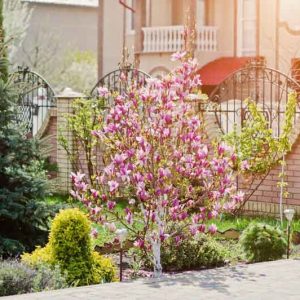
Saucer magnolia grows as a deciduous small tree or large multi-stemmed shrub, depending on how it’s trained.
Young plants are typically upright and vase-shaped; with age the canopy becomes broader, rounded, and spreading,
creating a graceful silhouette that stands out in winter.
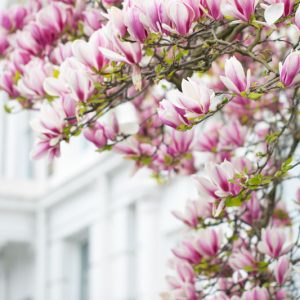
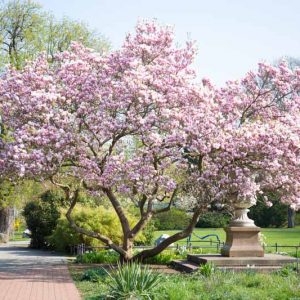
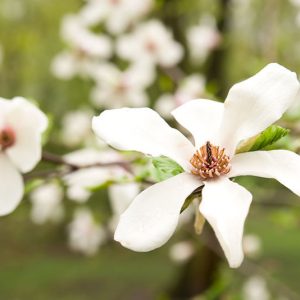
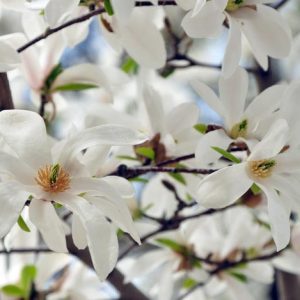
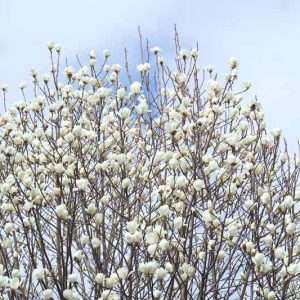
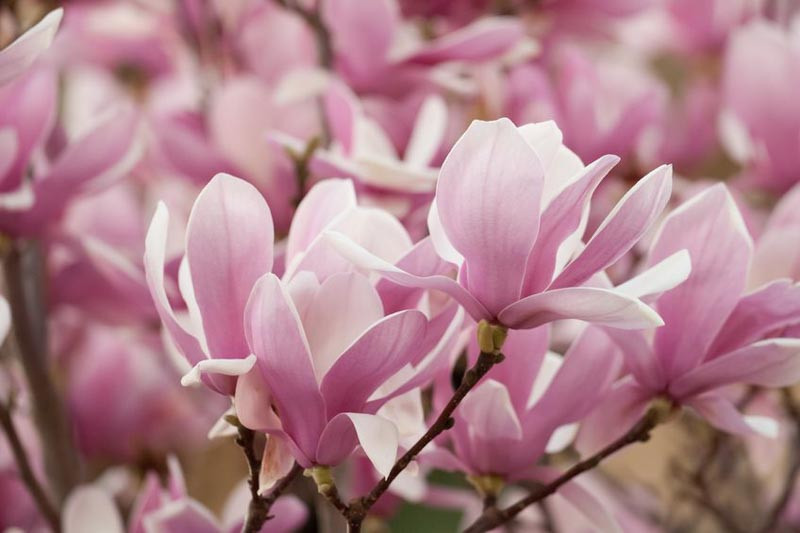
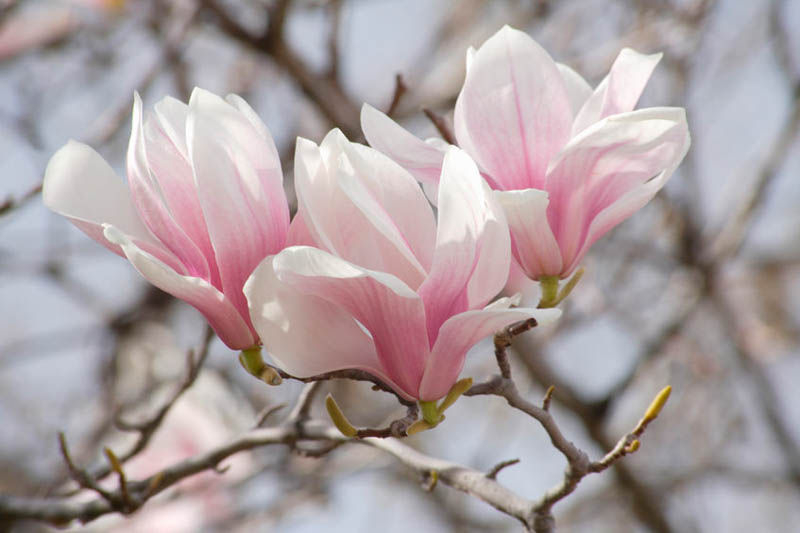
The hallmark of saucer magnolia is its spectacular bloom. Flowers open on bare wood for maximum impact,
reading as oversized goblets or broad “saucers” perched along the branches.
After flowering, saucer magnolia forms small, cone-like follicles that split to reveal red seeds. They’re a minor litter item and can attract birds; remove by hand if you prefer a tidy look.
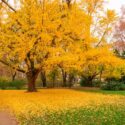
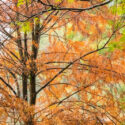
After flowering, obovate, mid-green leaves unfurl to form a dense summer canopy that casts cooling shade. In fall, foliage typically shifts to warm tan or golden-brown, before dropping to reveal the tree’s smooth gray bark and branching architecture for winter interest.
USDA Zones 5–9 (some cultivars hardy to Zone 4; confirm locally). Early spring frosts can nip buds and flowers—use mild microclimates and avoid low pockets.
Invasiveness: Saucer magnolia is non-invasive and well-behaved in managed landscapes.
Magnolia flowers evolved before bees were widespread and are primarily pollinated by beetles, with flies and other early-season insects contributing. The blossoms offer early nectar/pollen resources when few other trees are in bloom.
Generally deer-resistant, though hungry deer may sample tender growth. Rabbits can chew young shoots and bark—use guards or fencing during establishment and protect trunks in winter where browsing is common.
Bottom line: If you’ve ever wished for a “fireworks moment” in spring, Saucer Magnolia delivers—reliable, romantic, and accommodating.
*Zones and sizes are typical ranges; they vary by source and site. Always confirm locally.
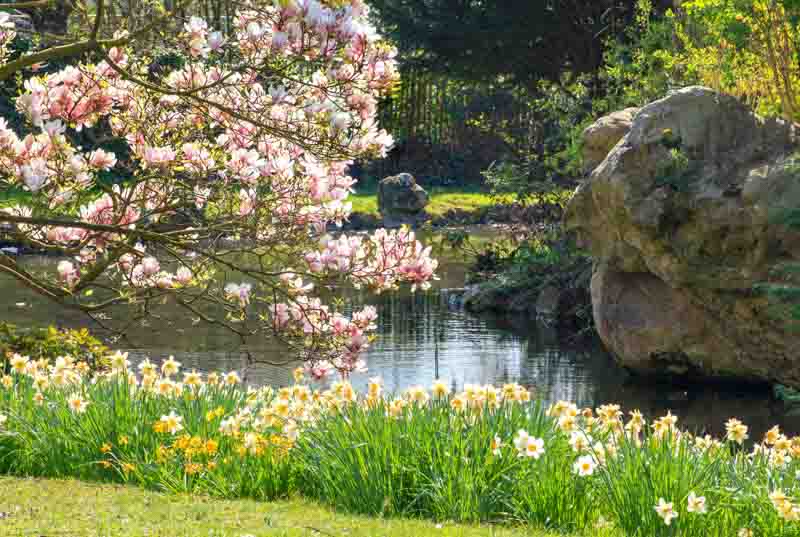
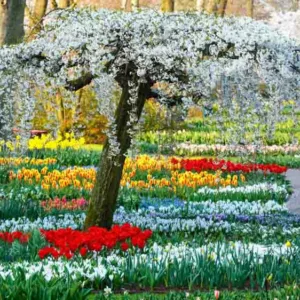
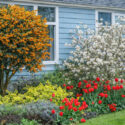
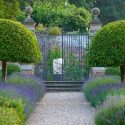
Think of Saucer Magnolia as both sculpture and spotlight. Place it where the silhouette and those early blooms will shine.
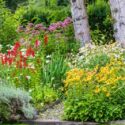
Choose companions that echo Magnolia’s soft spring palette and keep interest rolling after bloom.
Saucer Magnolia is generally trouble-free. Keep it watered, mulched, and well-sited, and most problems stay minor.
Frosted buds? It happens. The canopy still looks great and next spring’s show will return.
| Hardiness |
5 - 9 |
|---|---|
| Heat Zones |
7 - 9 |
| Climate Zones | 2B, 3, 3A, 3B, 4, 5, 6, 7, 8, 9, 14, 15, 16, 17, 18, 19, 20, 21, 22, 23, 24 |
| Plant Type | Shrubs, Trees |
| Plant Family | Magnoliaceae |
| Genus | Magnolia |
| Exposure | Full Sun, Partial Sun |
| Season of Interest | Spring (Early, Mid) |
| Height | 15' - 25' (4.6m - 7.6m) |
| Spread | 15' - 25' (4.6m - 7.6m) |
| Maintenance | Low |
| Water Needs | Average |
| Soil Type | Clay, Loam, Sand |
| Soil pH | Acid, Neutral |
| Soil Drainage | Moist but Well-Drained |
| Characteristics | Cut Flowers, Fragrant, Showy |
| Landscaping Ideas | Beds And Borders, Patio And Containers, Wall-Side Borders |
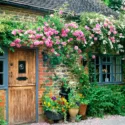
| Garden Styles | City and Courtyard, Informal and Cottage, Traditional Garden |
| Toxic to Humans | No known toxicity |
| Toxic to Cats | No known toxicity |
| Toxic to Dogs | No known toxicity |
| Toxic to Horses | No known toxicity |
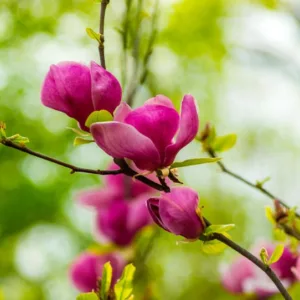

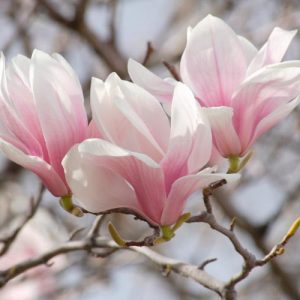
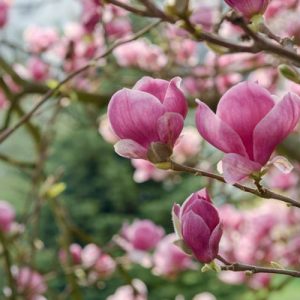
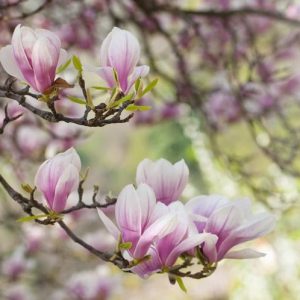
Blooms early to mid-spring, often before leaf-out. Flowers may be affected by late frosts, which can brown or ruin blossoms
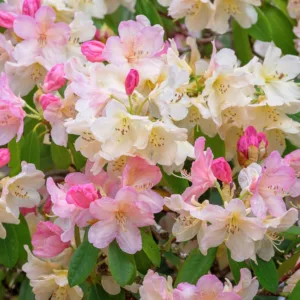
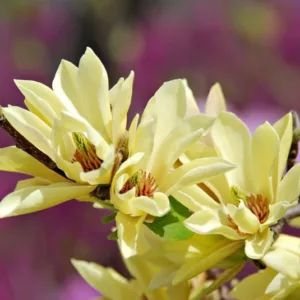
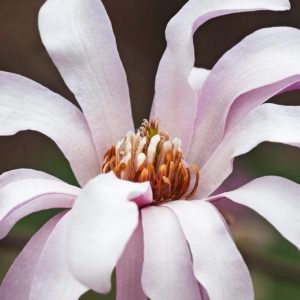
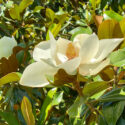
Flowers are typically pink, purple, or white, often large (6–10 inches/15–25 cm), and goblet- or saucer-shaped.
Typically matures at 20–30 ft (6–9 m) tall and wide, though some compact cultivars remain smaller.
Prefers full sun to part shade and rich, well-drained, slightly acidic to neutral soil. Sensitive to very dry or waterlogged sites and does best with even moisture.
Hardy in USDA zones 5–9; may need protection in colder climates and may be vulnerable to late freezes.
Generally, light or corrective pruning only—saucer magnolias dislike heavy pruning. Prune right after bloom if needed and avoid cutting more than 1/3 in one year.
Yes, especially compact cultivars, though containers dry out faster and require more attentive watering and frost protection. Choose a large, deep container and well-draining soil.
Generally healthy, but can suffer from scale, aphids, tulip-poplar weevil, verticillium wilt, powdery mildew, and sometimes squirrel damage. Proper siting and good hygiene minimize most risks.
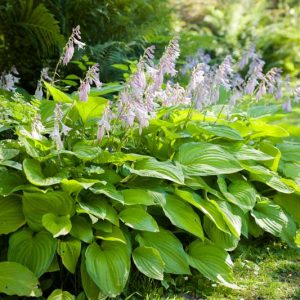
Good companions include shade-loving groundcovers and perennials such as ferns, hostas, barrenwort, sweet woodruff, vinca, and deadnettle.
Growth rate is moderate; expect to reach mature size in about 10 years under good care.
Petals fall in spring and can be somewhat messy underfoot; fruit is minimal and not troublesome.
Updated: September 2025 • Reviewed by Gardenia Editors
sjallen / 123RF Stock Photo
| Hardiness |
5 - 9 |
|---|---|
| Heat Zones |
7 - 9 |
| Climate Zones | 2B, 3, 3A, 3B, 4, 5, 6, 7, 8, 9, 14, 15, 16, 17, 18, 19, 20, 21, 22, 23, 24 |
| Plant Type | Shrubs, Trees |
| Plant Family | Magnoliaceae |
| Genus | Magnolia |
| Exposure | Full Sun, Partial Sun |
| Season of Interest | Spring (Early, Mid) |
| Height | 15' - 25' (4.6m - 7.6m) |
| Spread | 15' - 25' (4.6m - 7.6m) |
| Maintenance | Low |
| Water Needs | Average |
| Soil Type | Clay, Loam, Sand |
| Soil pH | Acid, Neutral |
| Soil Drainage | Moist but Well-Drained |
| Characteristics | Cut Flowers, Fragrant, Showy |
| Landscaping Ideas | Beds And Borders, Patio And Containers, Wall-Side Borders |
| Garden Styles | City and Courtyard, Informal and Cottage, Traditional Garden |
| Toxic to Humans | No known toxicity |
| Toxic to Cats | No known toxicity |
| Toxic to Dogs | No known toxicity |
| Toxic to Horses | No known toxicity |
Create a membership account to save your garden designs and to view them on any device.
Becoming a contributing member of Gardenia is easy and can be done in just a few minutes. If you provide us with your name, email address and the payment of a modest $25 annual membership fee, you will become a full member, enabling you to design and save up to 25 of your garden design ideas.
Join now and start creating your dream garden!
Create a membership account to save your garden designs and to view them on any device.
Becoming a contributing member of Gardenia is easy and can be done in just a few minutes. If you provide us with your name, email address and the payment of a modest $25 annual membership fee, you will become a full member, enabling you to design and save up to 25 of your garden design ideas.
Join now and start creating your dream garden!