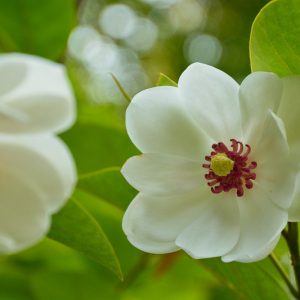
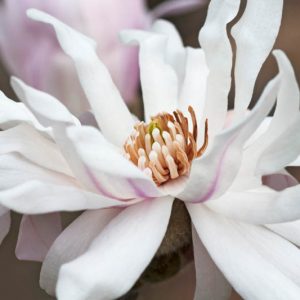
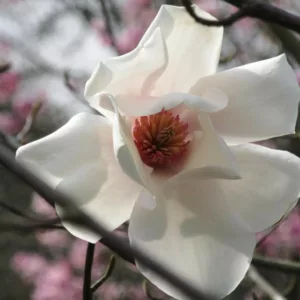
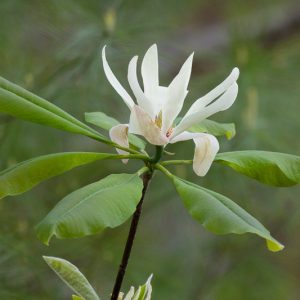
Saucer Magnolia, Southern Magnolia, Star Magnolia, Loebner Magnolia, Sweet Bay Magnolia, Cucumber Tree


Summary: Choose a sheltered spot with sun and rich, well-drained soil. Water deeply while establishing, mulch wide, and prune lightly at the right time. Use the quick fixes below to keep flowers coming and foliage glossy.
| When to plant | Autumn–spring, whenever soil isn’t frozen; stake if exposed (evergreens may need it). |
|---|---|
| Sun & soil | Full sun to light shade; fertile, moist, well-drained, slightly acidic to neutral; shelter from frost/wind. |
| Water & mulch | Deep weekly soaks in years 1–2; keep a wide mulch ring (leave a gap at the trunk) to conserve moisture. |
| Feeding | Light, slow-release feed in late winter for young plants; established trees need little fertilizer. |
| Pruning | Deciduous: mid-summer–early autumn (after bloom). Evergreen: spring–summer. Remove only dead/crossing wood. |
Magnolia is a genus of deciduous or evergreen shrubs or trees that are widely known for their large, showy, fragrant flowers. There are over species of magnolia, and they are native to East Asia and the Americas.
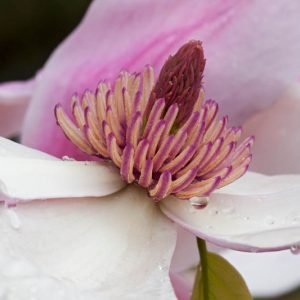
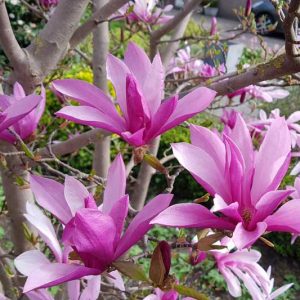
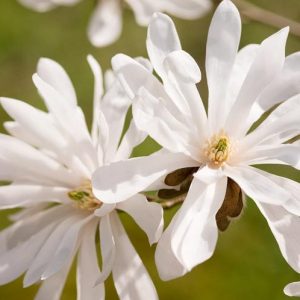
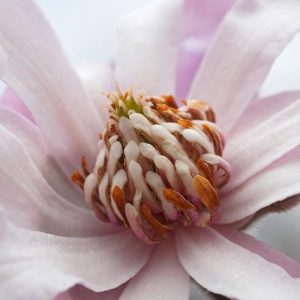
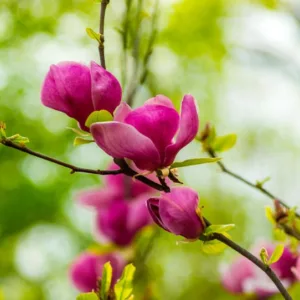
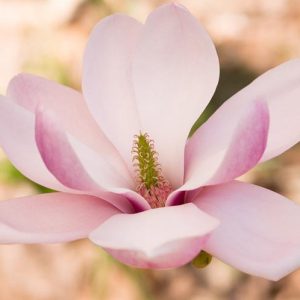
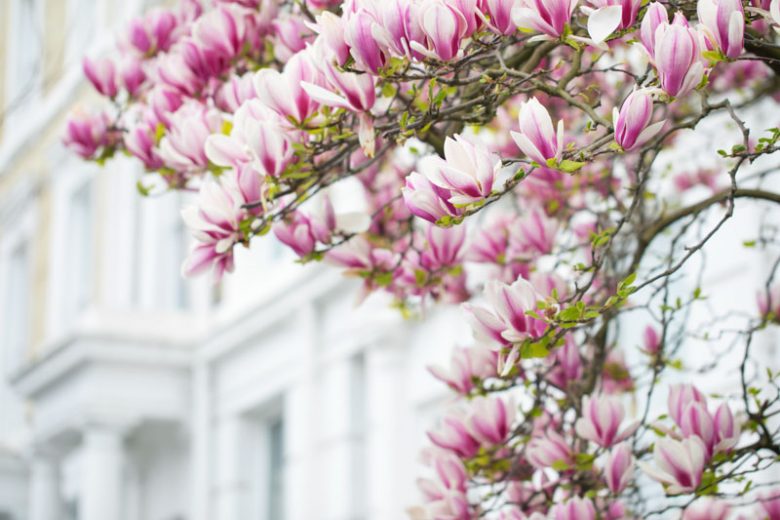
Flowers: One of the most iconic features of the magnolia tree is its large, showy flowers, which can range in color from white, pink, purple, and even yellow. The flowers can range in size from a few inches to over a foot in diameter.
Fragrance: Many magnolia species are also prized for their fragrant flowers, which can fill a garden or landscape with a sweet, pleasant aroma.
Foliage: Magnolia trees are also prized for their evergreen or deciduous foliage, which can vary in shape and size depending on the species.
Bloom time: The trees typically bloom in the spring or summer. One of the unique features of magnolia trees is that they are often among the first trees to bloom in the spring, with some species blooming as early as late winter. This makes them a popular choice for gardeners looking to add color to their landscape early in the season. These trees are also prized for their long blooming season, which can last several weeks or even months.
Size: Magnolia trees can vary in size from small shrubs, up to 15 feet (4.5 meters) tall to large trees that can reach heights of up to 80 feet (24 meters) or more. They are long-lived, with some specimens living for over 100 years.
Uses: In addition to their ornamental value, magnolia trees have also been used for medicinal purposes for centuries. The bark, leaves, and flowers of the magnolia tree have been used in traditional medicine for centuries to treat a variety of ailments. Some studies suggest that magnolia bark extract may have anti-inflammatory, anti-anxiety, and anti-cancer properties.
Hardiness: Magnolias have different hardiness zones depending on the species and cultivar. Generally, they can grow in USDA hardiness zones 4 to 10. The sweetbay magnolia (Magnolia virginiana) can grow in zones 5 to 10, while the southern magnolia (Magnolia grandiflora) is typically hardy in zones 7 to 10.
Whether you’re looking for a large shade tree or a compact shrub, there is a magnolia species that will fit your needs. With proper planting and care, your magnolia tree or shrub can provide years of beauty and enjoyment.
| Hardiness |
4 - 10 |
|---|---|
| Plant Type | Shrubs, Trees |
| Plant Family | Magnoliaceae |
| Genus | Magnolia |
| Exposure | Full Sun, Partial Sun |
| Season of Interest | Spring (Early, Mid, Late), Summer (Early, Mid, Late) |
| Maintenance | Low |
| Water Needs | Low, Average |
| Soil Type | Clay, Loam, Sand |
| Soil pH | Acid, Neutral |
| Soil Drainage | Moist but Well-Drained, Well-Drained |
| Characteristics | Fragrant, Showy |
| Tolerances | Drought |
| Attracts | Bees, Birds, Butterflies |
| Landscaping Ideas | Beds And Borders, Patio And Containers, Wall-Side Borders |
| Garden Styles | City and Courtyard, Informal and Cottage |
| Toxic to Humans | No known toxicity |
| Toxic to Cats | No known toxicity |
| Toxic to Dogs | No known toxicity |
| Toxic to Horses | No known toxicity |
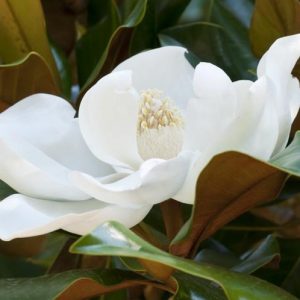
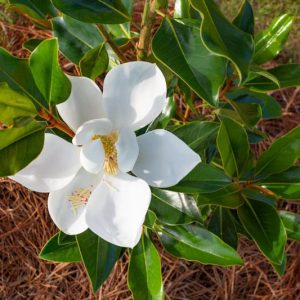
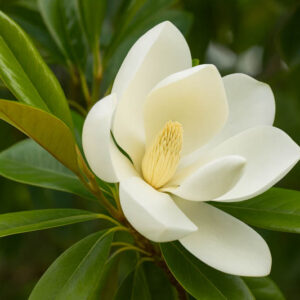
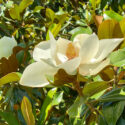
Southern Magnolia (Magnolia grandiflora): Usually USDA 7–10 (some cultivars hardy to 6). Evergreen, with lemon-scented blooms late spring into summer; from compact selections to large trees (check cultivar page for mature size). Native to the United States.
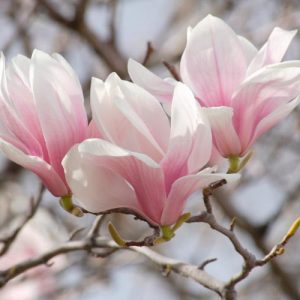
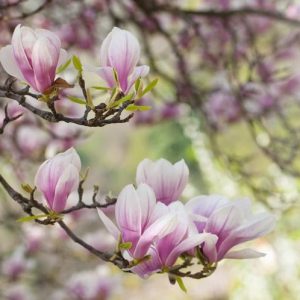
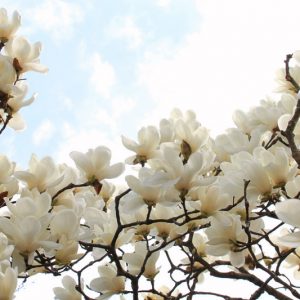
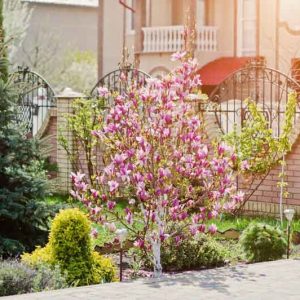
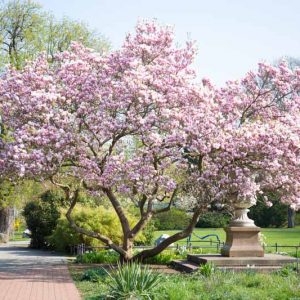
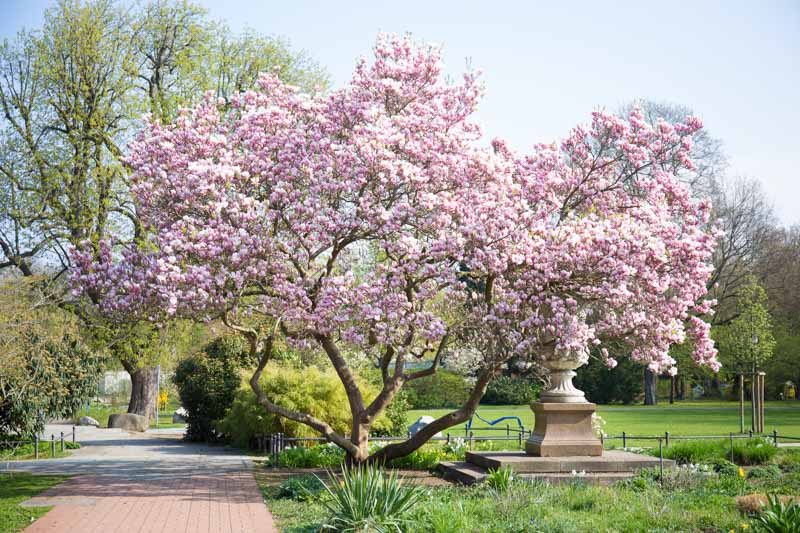
Saucer Magnolia (Magnolia × soulangeana): USDA 5–9. Rounded small tree (often 20–30 ft) with iconic pink-to-white goblets in early–mid spring; protect from late frosts.
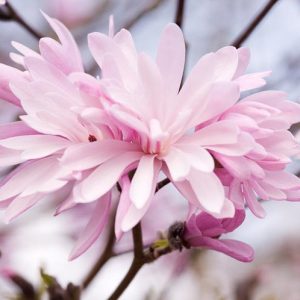
Star Magnolia (Magnolia stellata): Typically USDA 4–8/9. Compact shrub/small tree (about 10–20 ft) bearing very early starry white or blush flowers.
Loebner Magnolia (Magnolia × loebneri): USDA 4–9. Early, star-like blooms; many cultivars stay in the 12–20 ft range (some larger). Good cold tolerance.
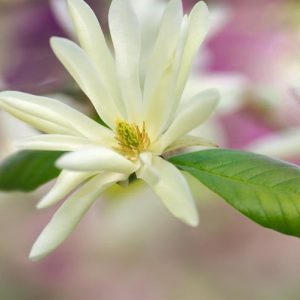
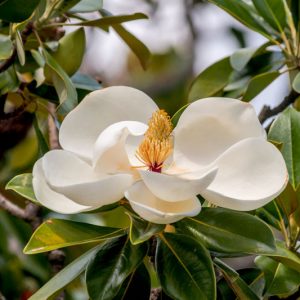
Sweetbay Magnolia (Magnolia virginiana): USDA 5–10. Graceful, lemon-scented flowers late spring into summer; semi-evergreen to evergreen in warm zones; often 10–35 ft. Native to the United States.
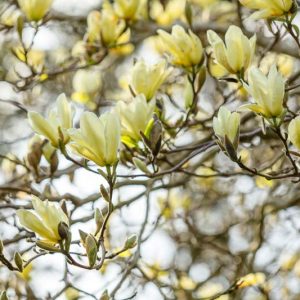
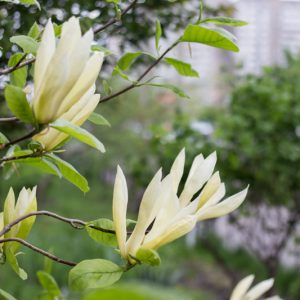
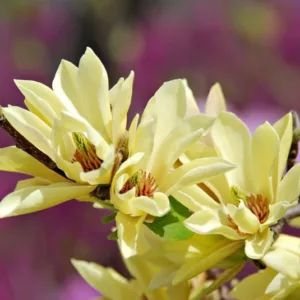
Cucumber Tree (Magnolia acuminata): USDA 4–8. Hardy, large tree (to ~70 × 30 ft); yellow-green blossoms late spring–early summer; parent of many yellow hybrids. Native to the United States.
Tip: Prune minimally and at the right time—deciduous magnolias right after bloom (they set next year’s buds on current wood); evergreens in late spring–summer.
Magnolias are low-maintenance once established. Focus on steady moisture, wide mulch, and light, well-timed pruning.
Prune lightly—magnolias resent hard cuts. Remove dead/diseased wood anytime; make clean cuts just outside the branch collar; skip wound paint.
Pro tip: Choose a permanent site—magnolias dislike transplanting. Keep the root flare visible at soil level and protect young trunks from string trimmers.
Choose the method that fits your goal. Seed gives genetic variation (not true-to-name) and takes time; vegetative methods clone a cultivar and flower sooner.
Seed (slow; not true-to-type): Harvest ripe seeds, remove the red aril (soak & rub), then cold stratify 8–16 weeks (moist medium at 34–41°F / 1–5°C). Sow in a free-draining, slightly acidic mix and keep evenly moist. Germination is erratic—anywhere from spring after stratification to the following year. Expect 5–10+ years to first bloom.
Layering (most reliable at home):
Cuttings (species/cultivar dependent): Best on softwood to semi-ripe shoots taken late spring to mid-summer. Use a sharp heel or basal wound, apply IBA rooting hormone, and root in a porous mix (e.g., bark + perlite) under high humidity (enclosed dome/mist) with gentle bottom heat (70–75°F / 21–24°C). Many deciduous magnolias root reluctantly; M. grandiflora (southern magnolia) cultivars are generally more cooperative with semi-ripe cuttings. Rooting can take 8–12+ weeks.
Grafting & budding (best for named cultivars): Ensures a genetic clone and quicker flowering. Common methods include winter bench grafts (e.g., whip-and-tongue) on compatible understock (often M. kobus, M. acuminata), or late-summer chip budding. Typically done by nurseries but worth mentioning if you need exact duplicates.
Tips: Take material from healthy, vigorous, juvenile shoots; use sterile tools; label everything. Harden off rooted plants gradually and avoid disturbing roots—magnolias dislike rough handling.
Magnolias are generally tough, but a few repeat offenders show up. Start with good culture (even moisture, airflow, clean pruning) and treat only when needed.
When should I plant a magnolia?
Late winter–early spring (when soil is workable). In mild climates, early fall also works.
How much sun do they need?
Full sun to part shade; more sun = more bloom. Shelter from cold, drying winds.
What soil is best?
Rich, well-drained, slightly acidic (about pH 5.5–6.8). Avoid waterlogged sites. Mulch 2–3 in.
How often should I water?
Deeply once a week for the first 1–2 years. After establishment, water in droughts and during bud swell.
Do magnolias need fertilizer?
Usually light feeders. Top-dress with compost; if needed, use a slow-release, acid-forming feed in early spring.
When do I prune?
Keep it minimal. Deciduous: right after bloom. Evergreen: late spring to midsummer. Avoid heavy winter cuts.
Why isn’t mine flowering?
Too young, too much shade, frost-blasted buds, drought stress, excess nitrogen, or pruning at the wrong time.
Buds turned brown—what happened?
Late frost. Plant out of frost pockets, choose later bloomers, and cover with breathable fabric on freeze nights.
Can I grow magnolias in containers?
Yes—choose compact types (e.g., M. stellata, × loebneri, Little Girl series; dwarf M. grandiflora in warm zones). Use very large pots; treat as one USDA zone colder.
How far from buildings/paths should I plant?
Allow for mature spread. Medium trees: 10–20 ft from foundations; small forms can be 6–10 ft. Keep 4–6 ft from paving (shallow roots can lift hardscape).
How fast do they grow?
Slow to moderate. M. grandiflora can be moderate; M. stellata often slow.
How long until they bloom?
Grafted cultivars: 2–3 years. Seedlings: 7–10+ years.
Are magnolias evergreen?
Some (e.g., Southern magnolia) are evergreen; sweetbay can be semi-evergreen in warm zones; many others are deciduous.
My evergreen magnolia is dropping leaves—normal?
Yes—old leaves shed in spring as new growth emerges.
Yellow leaves in alkaline soil?
Likely iron chlorosis. Add organic mulch, acidify gently, and use chelated iron as directed.
Can I move a mature magnolia?
Tricky. They dislike root disturbance. Transplant when dormant with a substantial root ball—or hire a pro.
Best small-garden picks?
Magnolia stellata, × loebneri (‘Leonard Messel’), Little Girl series (‘Susan’, ‘Ann’), compact saucer types like ‘Lilliputian’, and upright color forms like ‘Genie’ or ‘Nigra’.
Magdanatka, Shutterstock
| Hardiness |
4 - 10 |
|---|---|
| Plant Type | Shrubs, Trees |
| Plant Family | Magnoliaceae |
| Genus | Magnolia |
| Exposure | Full Sun, Partial Sun |
| Season of Interest | Spring (Early, Mid, Late), Summer (Early, Mid, Late) |
| Maintenance | Low |
| Water Needs | Low, Average |
| Soil Type | Clay, Loam, Sand |
| Soil pH | Acid, Neutral |
| Soil Drainage | Moist but Well-Drained, Well-Drained |
| Characteristics | Fragrant, Showy |
| Tolerances | Drought |
| Attracts | Bees, Birds, Butterflies |
| Landscaping Ideas | Beds And Borders, Patio And Containers, Wall-Side Borders |
| Garden Styles | City and Courtyard, Informal and Cottage |
| Toxic to Humans | No known toxicity |
| Toxic to Cats | No known toxicity |
| Toxic to Dogs | No known toxicity |
| Toxic to Horses | No known toxicity |
Create a membership account to save your garden designs and to view them on any device.
Becoming a contributing member of Gardenia is easy and can be done in just a few minutes. If you provide us with your name, email address and the payment of a modest $25 annual membership fee, you will become a full member, enabling you to design and save up to 25 of your garden design ideas.
Join now and start creating your dream garden!
Create a membership account to save your garden designs and to view them on any device.
Becoming a contributing member of Gardenia is easy and can be done in just a few minutes. If you provide us with your name, email address and the payment of a modest $25 annual membership fee, you will become a full member, enabling you to design and save up to 25 of your garden design ideas.
Join now and start creating your dream garden!