Create Your Garden

Monarch Nectar Plants for Arkansas

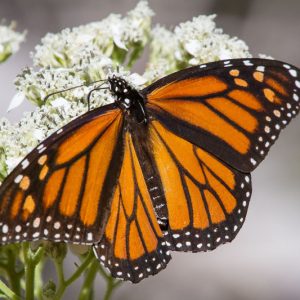
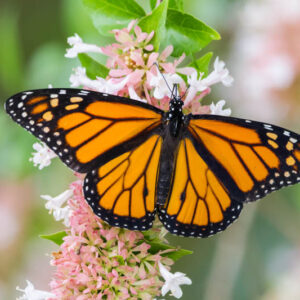
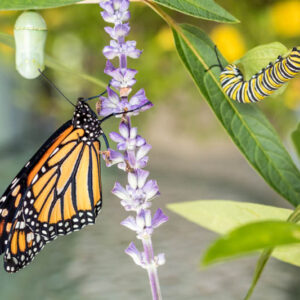
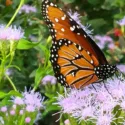
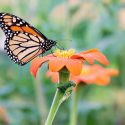
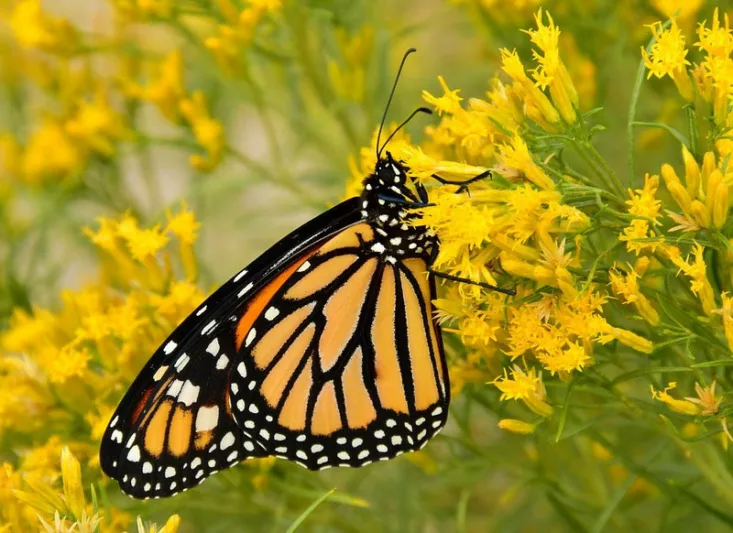
Monarch butterflies cross Arkansas twice each year, hungry for sugar rich fuel. Give them a runway of bloom from spring through fall with native milkweeds, coneflowers, mistflowers, sunflowers, goldenrods, and asters.
Monarch Butterflies, Monarch Plants, Pollinator Plants, Butterfly Plants, Hummingbird Plants, Bee Plants, Southeast Plants, Arkansas Native Plants, Native Plants

Great Monarch Nectar Plants for Arkansas: Turn Your Yard Into a Migration Power Station

Arkansas sits on a major monarch highway. From the Ozark and Boston Mountains down through river bottoms, Delta fields, and oak woodlands, monarch butterflies move through your skies from March into May and again from mid summer into fall. Every one of those butterflies is running on nectar.

By planting the native species highlighted in the Xerces Society Monarch Nectar Plants – Southern Plains guide, you can turn any Arkansas landscape into a reliable fueling station that also looks good, handles heat and humidity, and supports bees, birds, and other pollinators. For an even bigger plant palette, see Great Pollinator Plants for Arkansas. And if you want to browse natives broadly, check out Plant Finder and Arkansas native plants for overlap across our region.

Quick Start – Monarch Success in Arkansas

  • Match the migration: Monarchs peak March to May and July to October. Make sure something blooms through that entire window.
  • Use natives from this list: These Southern Plains species are climate smart, tough, and documented monarch nectar plants. Skip tropical milkweed and invasive ornamentals.
  • Plant in bold patches: Cluster 5 to 7 or more of each species so monarchs see strong color targets instead of lonely singletons.
  • Choose sunny spots: Most thrive in full sun and low to medium water once established, even in Arkansas heat and clay.
  • Keep it pesticide free: Avoid insecticides, especially systemic products, and confirm purchased plants are neonicotinoid free.
  • Layer heights: Low spreaders at the front, coneflowers and mistflowers in the middle, tall sunflowers, ironweed, and goldenrods as the high, dramatic backdrop.

Start With Native Milkweed

Milkweed is monarch nursery habitat. In Arkansas, regionally native milkweeds support both healthy migration and breeding. Smart list picks to anchor your designs:

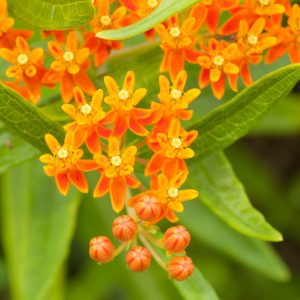
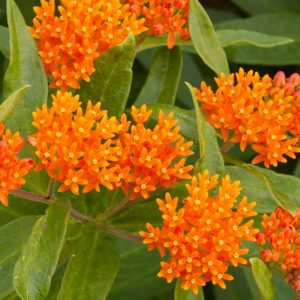
  • Butterfly milkweed (Asclepias tuberosa): Compact, blazing orange blooms, drought tolerant, ideal for sunny slopes, borders, and prairie style mixes.
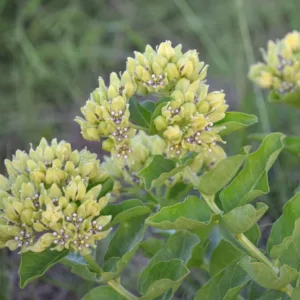
  • Spider milkweed (Asclepias viridis): One of the most important Southern Plains milkweeds, with green and purple flower clusters in pastures, roadsides, and open gardens.
Good to know: Avoid tropical milkweed (Asclepias curassavica). In mild conditions it can persist all winter, disrupt migration, and increase parasite problems. Stick with native milkweeds and surround them with the nectar plants below.

Arkansas Monarch Nectar All Stars

Below are most plants featured in the Xerces Southern Plains guide, arranged by bloom season to match monarch timing in Arkansas. Plant widely and repeat your favorites for a colorful, high value nectar corridor.

Spring to Early Summer – Waking Up the Migration

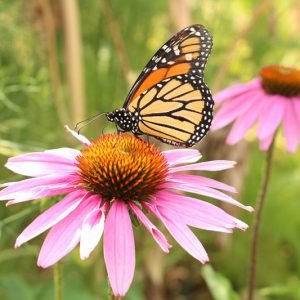
  • Narrow-leaved purple coneflower (Echinacea angustifolia): A drought tough prairie classic with rosy purple petals and bold cones. Thrives in sun, wind, lean or rocky soils from Ozark glades to upland pastures.
  • Butterfly milkweed (Asclepias tuberosa): Monarch host and nectar plant with bright orange blooms from late spring. Excellent along drives, meadows, and mixed borders.
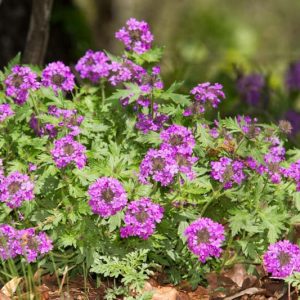
  • Dakota mock vervain (Glandularia bipinnatifida): Low, finely cut foliage topped with purple blooms. Perfect for edging, rock gardens, and hot, dry patches that still need color.
  • Spider milkweed (Asclepias viridis): Essential host plant with greenish purple flower clusters. Suited to open, sunny Arkansas fields, roadsides, and prairie gardens.

Early to Mid Summer – Building Momentum

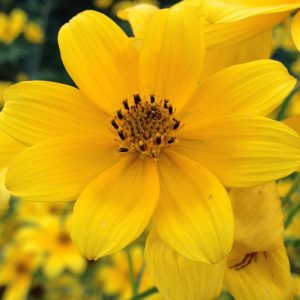
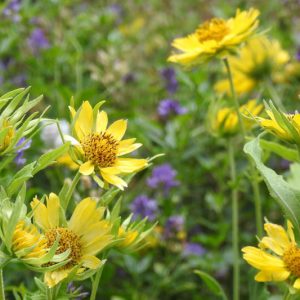
  • Bearded beggarticks (Bidens aristosa): Annual with bright yellow daisies. A powerhouse nectar source for wetter spots, ponds, rain gardens, and low swales.
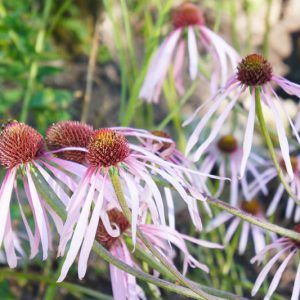
  • Pale purple coneflower (Echinacea pallida): Graceful, drooping petals. Thrives in clay, heat, and neglect. Blends seamlessly into both naturalistic and formal plantings.

Summer to Fall – Prime Time Fuel for Southbound Monarchs

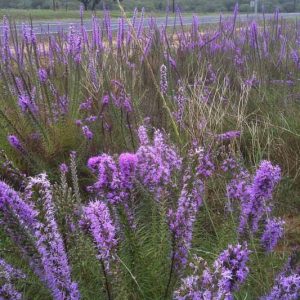
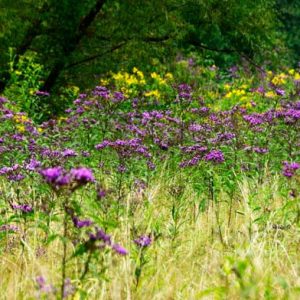
  • Baldwin’s ironweed (Vernonia baldwinii): Vivid purple flower clusters on tall stems. Tough, showy, and heavily used by monarchs and native bees.
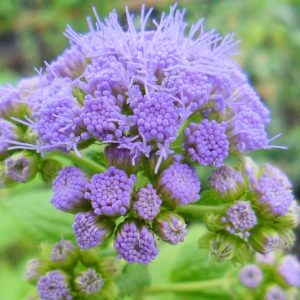
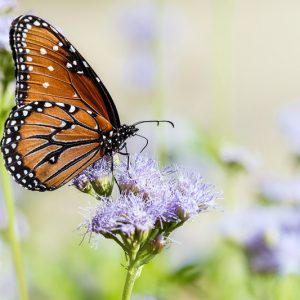
  • Blue mistflower (Conoclinium coelestinum): Soft blue to lavender fuzzy flowers. Spreads into nectar rich colonies where soils stay moderately moist.
  • Compassplant (Silphium laciniatum): Tall, architectural stems with sunflower like blooms. Stunning in large spaces, prairie restorations, and along fences.
  • Cusp blazing star (Liatris punctata var. mucronata): Spikes of pink purple flowers that monarchs instantly recognize. Ideal for hot, dry, sunny Arkansas sites.
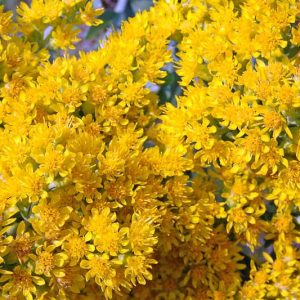
  • Downy ragged goldenrod (Solidago petiolaris): Fine textured yellow plumes. Very late blooming, sometimes into November, keeping the nectar bar open.
  • Frostweed (white crownbeard) (Verbesina virginica): Tall white blooms at woodland edges and fencerows. A crucial late nectar plant with eye catching frost formations in winter.
  • Golden crownbeard (Verbesina encelioides): Cheerful yellow daisies. Thrives in disturbed soils, roadsides, and tough sunny corners, providing fast habitat.
  • Gray goldenrod (Solidago nemoralis): Compact goldenrod suited to small gardens and rocky banks. Outstanding fall nectar in a tidy package.
  • Gregg’s mistflower (Texas ageratum) (Conoclinium greggii): Famous monarch and queen magnet. Best in warmer microclimates and well drained Arkansas gardens, especially in the south or urban heat islands.
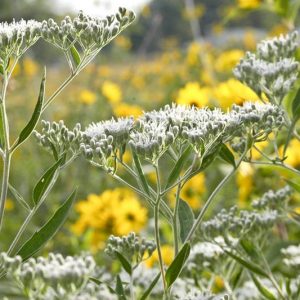
  • Lateflowering thoroughwort (Eupatorium serotinum): Airy white flower clusters that carry nectar into late summer and fall along ditches, back fences, and meadow style areas.
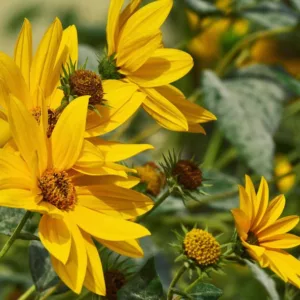
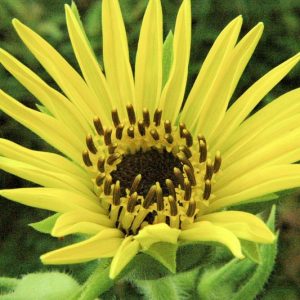
  • Maximilian sunflower (Helianthus maximiliani): Tall, brilliant yellow blooms that draw monarchs and later feed birds. Excellent as a natural screen.
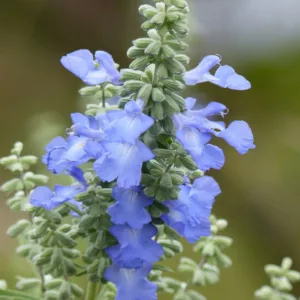
  • Pitcher sage (Salvia azurea): Sky blue flower spikes, heat and drought tough. Adds cool color contrast in late season plantings.
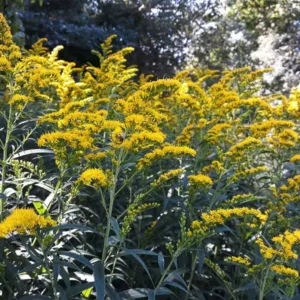
  • Stiff goldenrod (Oligoneuron rigidum): Bold upright clusters of yellow. A monarch heavy hitter best in larger beds or prairie mixes.
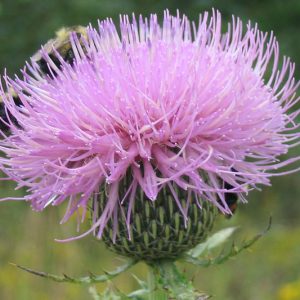
  • Tall thistle (Cirsium altissimum): Native thistle with big pink purple blooms. Extremely rich nectar source for monarchs and many pollinators.

Fall Finale – Critical Last Call for Fuel

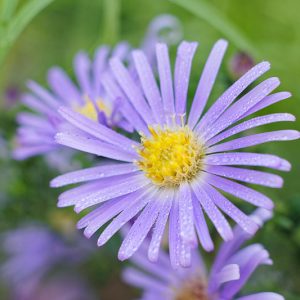
  • Aromatic aster (Symphyotrichum oblongifolium): Dense mounds of purple flowers at the tail end of the season. One of the best final fueling stations for southbound monarchs.

Woody Allies – Shrubs and Small Trees

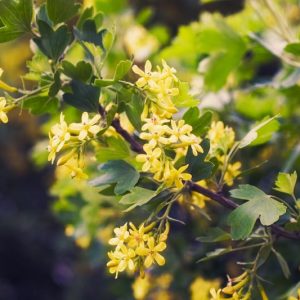
  • Golden currant (Ribes aureum): Early fragrant yellow flowers for spring pollinators, plus berries for wildlife. Ideal along north walls, riparian edges, and shelterbelts.
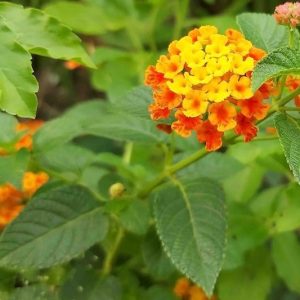
  • Texas lantana (Lantana urticoides): Hot colored clusters that draw butterflies all season in hot, dry sites and large containers where hardy. Note that the Xerces guide lists its distribution as limited to Texas, so consider this a specialty accent in Arkansas rather than a staple.
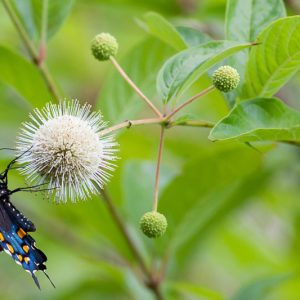
  • Buttonbush (Cephalanthus occidentalis): White spherical blooms packed with nectar. Perfect for ponds, rain gardens, and wetter low spots.

Guide Information

Genus Asclepias
Native Plants Arkansas, Southeast, United States
Attracts Birds, Butterflies, Hummingbirds

Best Monarch Nectar Plants for Arkansas

Asclepias tuberosa (Butterfly Milkweed)
Asclepias viridis (Green Milkweed)
Bidens aristosa (Tickseed Sunflower)
Cephalanthus occidentalis (Buttonbush)
Conoclinium coelestinum (Blue Mistflower)
Echinacea angustifolia (Narrow-leaf Coneflower)
Echinacea pallida (Pale Purple Coneflower)
Eupatorium serotinum (Late Boneset)
Glandularia bipinnatifida (Prairie Verbena)
Helianthus maximiliani (Maximilian Sunflower)
Liatris punctata var. mucronata (Texas Blazing Star)
Oligoneuron rigidum (Stiff Goldenrod)
Salvia azurea (Blue Sage)
Silphium laciniatum (Compass Plant)
Solidago nemoralis (Gray Goldenrod)
Verbesina encelioides (Golden Crownbeard)
Verbesina virginica (Frostweed)
Vernonia baldwinii (Western Ironweed)
Lantana urticoides (Texas Lantana)
Ribes aureum (Clove Currant)
Symphyotrichum oblongifolium (Aromatic Aster)
Cirsium altissimum (Tall Thistle)
Conoclinium greggii (Palm-leaf Mistflower)

Designing an Arkansas Monarch Oasis

  • Layer by season: Ensure at least three species in bloom in spring, three in summer, and three in fall, so monarchs always find fuel. For example, plant narrow-leaved purple coneflower, butterfly milkweed, and golden currant early. Add bearded beggarticks, pale purple coneflower, and blue mistflower for summer. Finish with Maximilian sunflower, ironweed, goldenrods, crownbeards, tall thistle, and aromatic aster in fall.
  • Layer by height: Place Dakota mock vervain and gray goldenrod at the front, coneflowers and mistflowers in the middle, with Maximilian sunflower, compassplant, tall thistle, frostweed, and buttonbush as tall anchors.
  • Cluster colors: Monarchs cue in on bold blocks of golds, oranges, purples, and blues. Repeat your best species in drifts for maximum signal and easy maintenance.
  • Blend wild and tidy: Frame lush patches with mowed edges, paths, or simple borders so your high value habitat reads as intentional and neighbor friendly.

Soils, Water, and Care for Arkansas Conditions

  • Soil prep: Loosen compacted soil and reduce aggressive weeds but go easy on fertilizer. These plants evolved in lean prairie and woodland soils.
  • Watering: Water deeply during the first growing season to drive roots downward. Once established, most listed species handle normal rainfall with minimal extra water.
  • Mulch: Use a light layer of shredded wood or gravel, leaving some bare patches for ground nesting bees and natural reseeding.
  • Maintenance: Hand weed, thin enthusiastic spreaders like mistflowers if they wander, and wait until late winter to cut stems so overwintering insects can finish their life cycle.

Smart Protection for Monarchs

Plant diversity is half the magic. The other half is keeping chemicals out. Systemic insecticides can move into nectar and leaves, harming caterpillars and adults. Always ask nurseries if plants are free of neonicotinoids and avoid routine yard sprays.

Even a single Arkansas bed with butterfly milkweed, mistflowers, coneflowers, goldenrods, sunflowers, and aromatic aster can turn a plain lawn into a monarch hotspot. Scale up over time, link with neighbors, schools, and parks, and you help stitch together a continuous migration long lifeline of native bloom.


Discover more beautiful Arkansas and regional native plants

Arkansas native plants 

Plant Finder

Learn More

Frequently Asked Questions

What are monarch nectar plants in Arkansas?

They are flowering plants that provide sugar rich nectar for adult monarch butterflies as they migrate and breed across Arkansas. In the Southern Plains, the Xerces Society highlights native species like butterfly milkweed, spider milkweed, coneflowers, goldenrods, sunflowers, mistflowers, ironweed, asters, and others that monarchs are documented using.

Why are nectar plants so important for monarchs here?

Monarchs pass through Arkansas twice each year. In spring they need nectar to power breeding flights north. In late summer and fall they need dense, reliable nectar to fuel their long trip to Mexico. Without continuous nectar sources, more butterflies run out of energy before reaching the next stop.

When should monarch nectar plants bloom in Arkansas?

Aim for flowers from early March through late October. Practically, that means:
Early spring to early summer: coneflowers, butterfly milkweed, spider milkweed, Dakota mock vervain, golden currant
Summer: bearded beggarticks for wet spots, pale purple coneflower, blue mistflower, compassplant, cusp blazing star
Late summer to fall: Baldwin’s ironweed, Maximilian sunflower, mistflowers, thoroughwort, goldenrods, frostweed, crownbeards, tall thistle, aromatic aster
If at least three species are blooming in each season, you are in good shape.

Do I also need milkweed, or are nectar plants enough?

Nectar plants feed adult monarchs. Native milkweeds are the only host plants for monarch caterpillars. For full support in Arkansas, you need both: plant native milkweeds like butterfly milkweed and spider milkweed plus a diverse mix of nectar flowers.

Are these plants drought tolerant enough for Arkansas summers?

Many are. Butterfly milkweed, spider milkweed, narrow-leaved and pale purple coneflower, cusp blazing star, pitcher sage, gray goldenrod, golden crownbeard, and Maximilian sunflower are especially tough once established. In the first year, water deeply to root them in. After that most handle normal drought cycles well.

Can I grow monarch nectar plants in containers?

Yes. Use deep containers with drainage and a well drained mix. Good candidates include butterfly milkweed, coneflowers, aromatic aster, Gregg’s mistflower in warm spots, Texas lantana where hardy, and pitcher sage. They will need regular watering but can still be valuable nectar stops.

Are native goldenrods and thistles a problem?

No. Native goldenrods like gray and downy ragged goldenrod and native tall thistle are excellent monarch nectar sources and support many other pollinators. They are very different from aggressive invasive thistles or weedy species people usually fight.

Are cultivars okay, or should I use straight native species?

Straight species are the safest choice for nectar quality and wildlife value. Some modest cultivars are fine, but avoid forms with double flowers, odd colors, or heavy petal modifications that can reduce nectar or make it hard for insects to feed.
 

Do I need fertilizer for these plants?

Generally no. These natives are adapted to lean soils. Too much fertilizer can cause floppy growth and fewer flowers. Focus on good establishment rather than feeding.

Are these plants deer or rabbit proof?

None are completely safe, but many are less palatable. Goldenrods, aromatic aster, pitcher sage, butterfly milkweed, and some of the more aromatic species tend to experience less browsing. Young plants may need temporary cages or repellents.

How do I maintain a monarch friendly planting without harming wildlife?

Hand weed instead of blanket spraying, avoid insecticides, thin aggressive spreaders instead of clearing whole patches, and delay major cutting back until late winter so beneficial insects using stems and leaf litter can finish their life cycles.

What are the most common mistakes people make with monarch nectar gardens in Arkansas?

Planting tropical milkweed instead of natives. Using pesticides on or near nectar plants. Planting single specimens instead of nectar rich clumps. Ignoring late season bloom during fall migration. Overwatering or overfertilizing drought adapted natives so they flop or rot.

Updated: November 2025 • Reviewed by Gardenia Editors

Recommended Guides

Great Pollinator Plants for Arkansas
The Ultimate Guide to Native Plants for a Beautiful Garden
The Ultimate Guide to Wildlife-Friendly Plants for a Beautiful Garden
Monarch Butterfly
Pretty Native American Roses
How to Create an Enchanting Butterfly Garden
Butterflies Unveiled: A Host Plant Love Story in Your Garden
30 Fascinating Butterfly Facts You Need to Know
Grow Milkweed, Save Monarch Butterflies: A Step-by-Step Guide
Compare All Asclepias (Milkweed)
Compare Now
Explore Great Plant Combination Ideas
Asclepias (Milkweed)
Explore Great Plant Combination Ideas
Middle South Lower South
While every effort has been made to describe these plants accurately, please keep in mind that height, bloom time, and color may differ in various climates. The description of these plants has been written based on numerous outside resources.

Guide Information

Genus Asclepias
Native Plants Arkansas, Southeast, United States
Attracts Birds, Butterflies, Hummingbirds
Compare All Asclepias (Milkweed)
Compare Now
Explore Great Plant Combination Ideas
Asclepias (Milkweed)
Explore Great Plant Combination Ideas
Middle South Lower South

Related Items

Please Login to Proceed

You Have Reached The Free Limit, Please Subscribe to Proceed

Subscribe to Gardenia

To create additional collections, you must be a paid member of Gardenia
  • Add as many plants as you wish
  • Create and save up to 25 garden collections
Become a Member

Plant Added Successfully

Your garden is taking shape. Unlock full planning.

You’ve reached the free limit. Upgrade for $25/year to add as many plants as you wish and save up to 25 garden collections. Unlock Annual Membership

Update Your Credit
Card Information

Cancel

Create a New Collection

Sign Up to Our Newsletter

    You have been subscribed successfully

    Join Gardenia.net

    Create a membership account to save your garden designs and to view them on any device.

    Becoming a contributing member of Gardenia is easy and can be done in just a few minutes. If you provide us with your name, email address and the payment of a modest $25 annual membership fee, you will become a full member, enabling you to design and save up to 25 of your garden design ideas.

    Join now and start creating your dream garden!

    Join Gardenia.net

    Create a membership account to save your garden designs and to view them on any device.

    Becoming a contributing member of Gardenia is easy and can be done in just a few minutes. If you provide us with your name, email address and the payment of a modest $25 annual membership fee, you will become a full member, enabling you to design and save up to 25 of your garden design ideas.

    Join now and start creating your dream garden!
    Find your Hardiness Zone

    Find your Heat Zone

    Find your Climate Zone