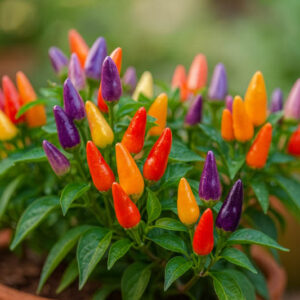
Maximize your pepper harvest with smart companion planting. Discover the best plants to boost growth, deter pests, and improve flavor, plus the ones that can stunt or harm your peppers.
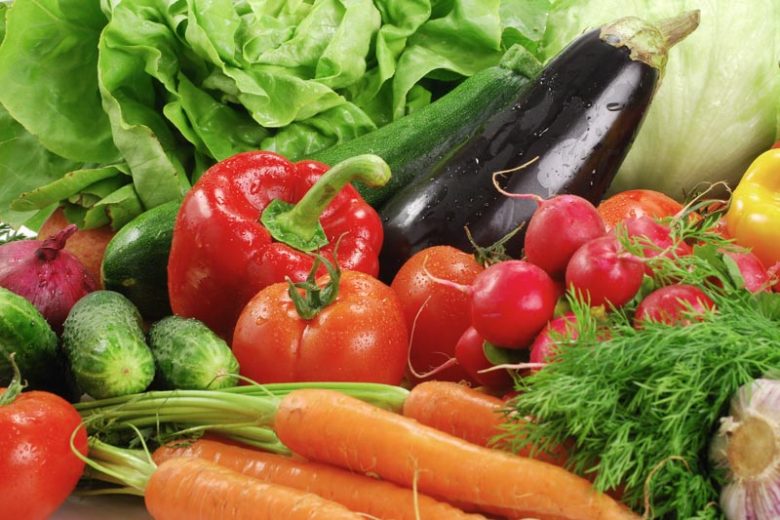


Peppers are celebrated in culinary dishes around the world and offer rich nutrition alongside health benefits like anti-inflammatory and antioxidant properties. But to maximize a pepper plant’s performance, knowing which plants to grow near (and far from) them is crucial for the health, productivity, and resilience of your garden.
Companion planting is the strategic practice of growing specific plants together to improve pest control, attract pollinators, enhance nutrient availability, and increase yields. This approach creates a balanced ecosystem in your garden.
| Companion Plant | Type / Category | Height / Spread | Benefit | Notes |
|---|---|---|---|---|
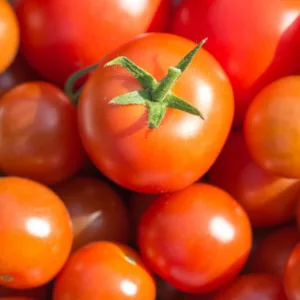
| Tomatoes | Fruit vegetable (Nightshade) | Varies by cultivar | Shares growing needs; can shade soil | Rotate yearly to avoid shared soil-borne diseases |
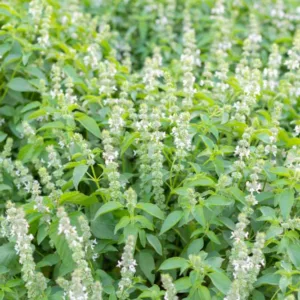
| Basil | Herb | 12–24” H | Repels aphids, spider mites; attracts pollinators | May enhance pepper flavor |
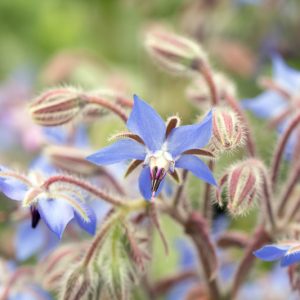
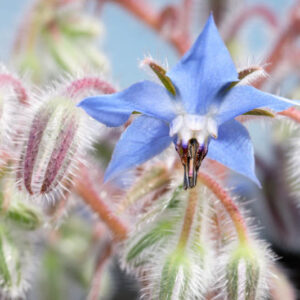
| Borage | Flowering herb | 18–24” H | Deters tomato hornworms; attracts bees | Edible blue flowers; good pollinator plant |
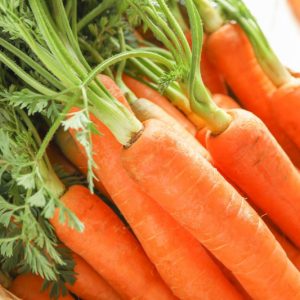
| Carrots | Root vegetable | 12–18” H | Taproots complement peppers’ shallow roots | Maximizes space, minimal competition |
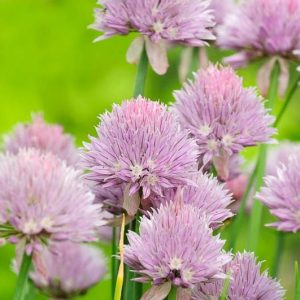
| Chives | Herb (Allium) | 8–20” H | Repels aphids/thrips; attracts pollinators | Edible flowers add aesthetic value |
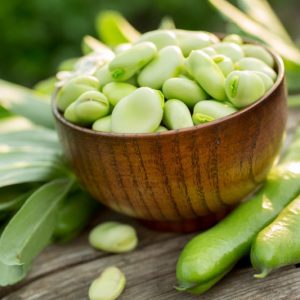
| Fava Beans | Legume | 2–3’ H | Fix nitrogen in soil | Monitor for aphids on new growth |
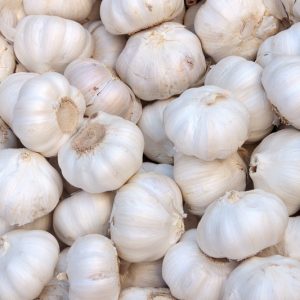
| Garlic | Bulb vegetable (Allium) | 12–24” H | Repels aphids, slugs, and beetles | Avoid overcrowding to reduce root competition |
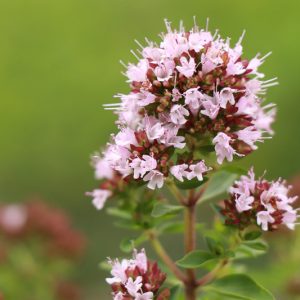
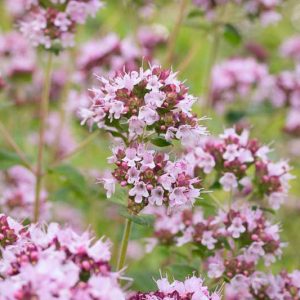
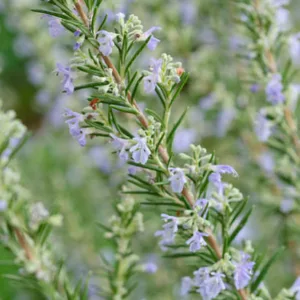
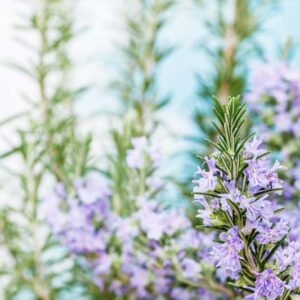
| Oregano, Rosemary, Marjoram | Herbs | Varies (10–36” H) | Repel pests; attract beneficial insects | Fragrant foliage also deters mammals |
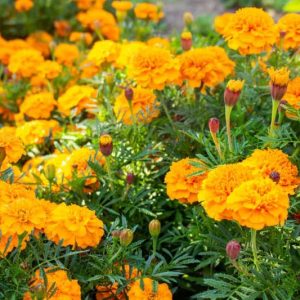
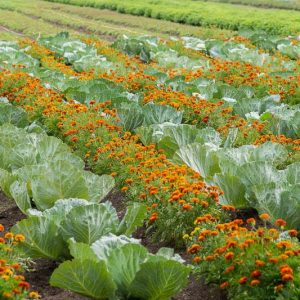
| Marigolds | Annual flower | 6–24” H | Repel nematodes, aphids, whiteflies | Attract hoverflies, ladybugs |
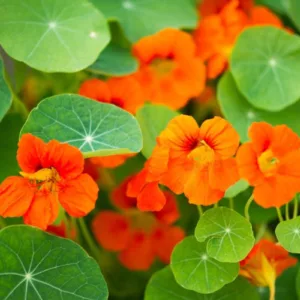
| Nasturtiums | Annual flower | 6–12” H (trailing longer) | Trap crop for aphids, whiteflies | Edible flowers; attracts pollinators |
| Onions | Bulb vegetable (Allium) | 12–24” H | Repel aphids, beetles; minimal root interference | Good for borders/interplanting |
| Spinach or Lettuce | Leafy greens | 6–12” H | Suppress weeds; shade-tolerant under peppers | Harvest early to free space mid-season |
Some plants can compete with peppers for nutrients, attract shared pests, or stunt their growth. Avoid pairing peppers with the following:
| Plant | Type / Category | Reason to Avoid |
|---|---|---|
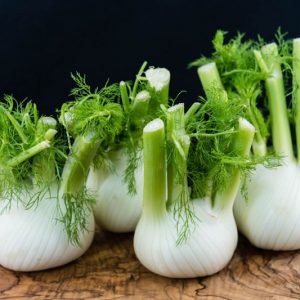
| Fennel | Herb | Secretes allelopathic chemicals (like anethole) that inhibit pepper growth and attract pests like aphids. |
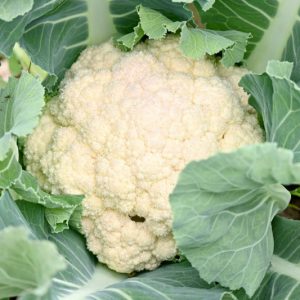
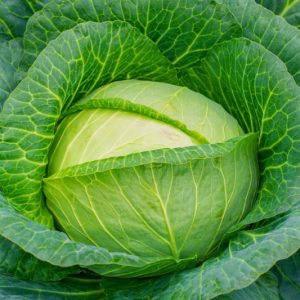
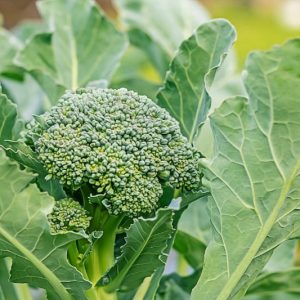
| Brassicas (Broccoli, Cauliflower, Cabbage) | Leafy vegetable | Compete for similar nutrients; attract flea beetles and cabbage worms that harm peppers. |
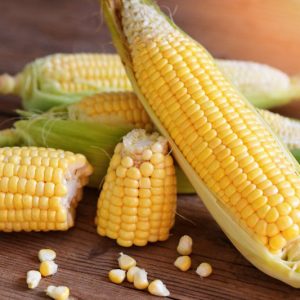
| Corn | Grain | Heavy feeder that depletes soil nutrients quickly; attracts pests like corn earworms and armyworms. |
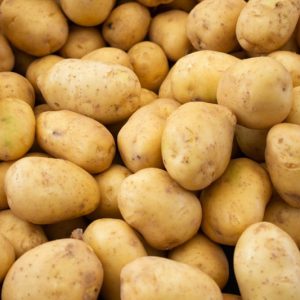
| Potatoes | Root/tuber (Nightshade) | Compete for nutrients; share pests/disease (like Colorado potato beetle); root disturbance during harvest can damage peppers. |
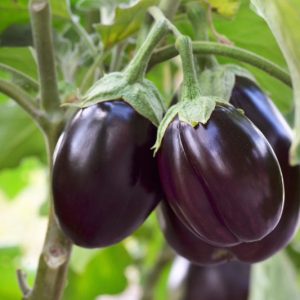
| Eggplants | Fruit vegetable (Nightshade) | Shares pests like Colorado potato beetle and flea beetles; competes for nutrients; heightened risk of aphid infestations. |
| Strawberries | Fruit (perennial) | Compete for root space; attract slugs and snails, which can damage both strawberries and peppers. |
| Stone Fruit Trees | Fruit tree | Risk of bacterial leaf spot transmission; large roots and canopy compete for nutrients, water, and light. |
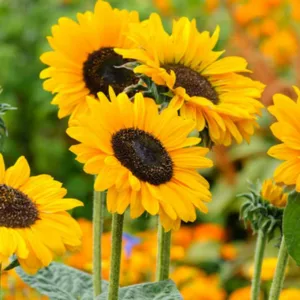
| Sunflowers | Annual flower | Allelopathic compounds can inhibit seed germination and growth. |
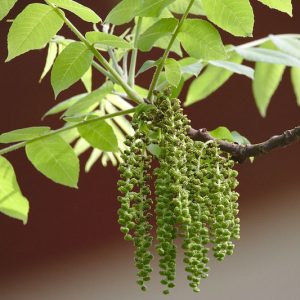
| Black Walnut | Tree | Produces juglone, a toxin harmful to nightshades; causes stunted growth. |
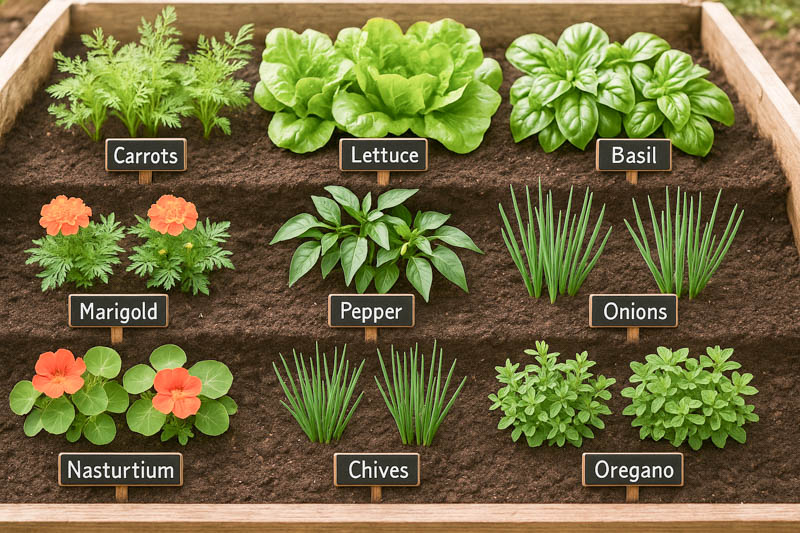
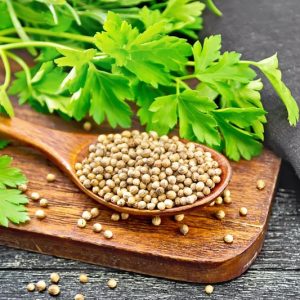
Absolutely. Marigolds, nasturtium, borage, calendula, and alyssum thrive in containers or raised beds alongside peppers. Herbs like basil, cilantro, and chives also do well and provide continuous harvest for cooking. Make sure all companions share similar requirements for sunlight, soil, and water.
This is frequently mentioned for basil and some culinary herbs, but direct scientific evidence is limited. The primary proven benefits are pest reduction and increased pollination, which may indirectly improve yields and plant health.
Companions like basil, chives, and small flowers can be interplanted within 6–12in of pepper stems. Larger-rooted or taller plants (e.g., tomatoes, marigolds) should be spaced 18–24in to prevent shading and root competition. Always avoid overcrowding, which encourages humidity and disease.
No, companion planting is a valuable organic tool to reduce pest populations and boost beneficial insects, but it does not guarantee complete pest prevention. Integrated pest management (including monitoring and crop rotation) is always recommended for best results.
| Hardiness |
9 - 12 |
|---|---|
| Plant Type | Annuals, Perennials |
| Plant Family | Solanaceae |
| Genus | Capsicum |
| Exposure | Full Sun |
| Season of Interest | Spring (Late), Summer (Early, Mid, Late) |
| Height | 1' - 5' (30cm - 150cm) |
| Spread | 1' - 2' (30cm - 60cm) |
| Maintenance | Low |
| Water Needs | Average |
| Soil Type | Loam, Sand |
| Soil pH | Acid, Neutral |
| Soil Drainage | Moist but Well-Drained, Well-Drained |
| Characteristics | Showy |
| Tolerances | Deer, Drought |
| Attracts | Birds |
| Landscaping Ideas | Beds And Borders, Patio And Containers |
| Garden Styles | Informal and Cottage, Mediterranean Garden |
| Toxic to Humans | No known toxicity |
| Toxic to Cats | No known toxicity |
| Toxic to Dogs | No known toxicity |
| Toxic to Horses | No known toxicity |
Monticello, Shutterstock
| Hardiness |
9 - 12 |
|---|---|
| Plant Type | Annuals, Perennials |
| Plant Family | Solanaceae |
| Genus | Capsicum |
| Exposure | Full Sun |
| Season of Interest | Spring (Late), Summer (Early, Mid, Late) |
| Height | 1' - 5' (30cm - 150cm) |
| Spread | 1' - 2' (30cm - 60cm) |
| Maintenance | Low |
| Water Needs | Average |
| Soil Type | Loam, Sand |
| Soil pH | Acid, Neutral |
| Soil Drainage | Moist but Well-Drained, Well-Drained |
| Characteristics | Showy |
| Tolerances | Deer, Drought |
| Attracts | Birds |
| Landscaping Ideas | Beds And Borders, Patio And Containers |
| Garden Styles | Informal and Cottage, Mediterranean Garden |
| Toxic to Humans | No known toxicity |
| Toxic to Cats | No known toxicity |
| Toxic to Dogs | No known toxicity |
| Toxic to Horses | No known toxicity |
Create a membership account to save your garden designs and to view them on any device.
Becoming a contributing member of Gardenia is easy and can be done in just a few minutes. If you provide us with your name, email address and the payment of a modest $25 annual membership fee, you will become a full member, enabling you to design and save up to 25 of your garden design ideas.
Join now and start creating your dream garden!
Create a membership account to save your garden designs and to view them on any device.
Becoming a contributing member of Gardenia is easy and can be done in just a few minutes. If you provide us with your name, email address and the payment of a modest $25 annual membership fee, you will become a full member, enabling you to design and save up to 25 of your garden design ideas.
Join now and start creating your dream garden!