Fennel, Sweet Fennel, Fenkell, Finckle, Finkel, Common Fennel, Florence Fennel, Finocchio
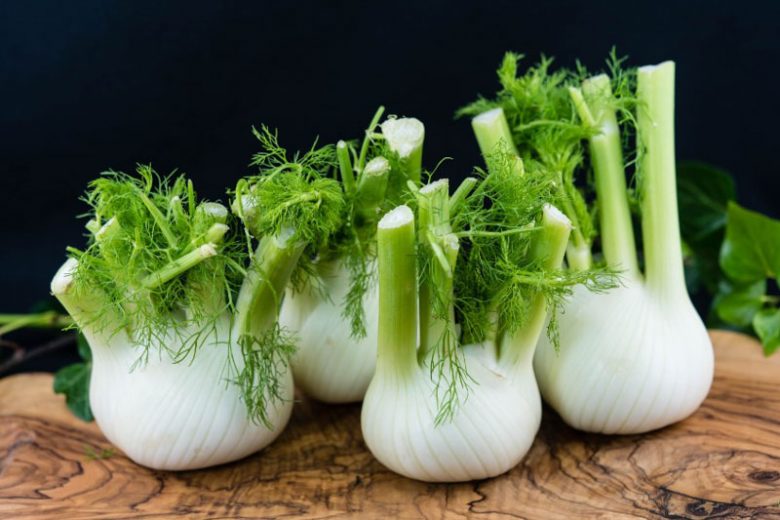


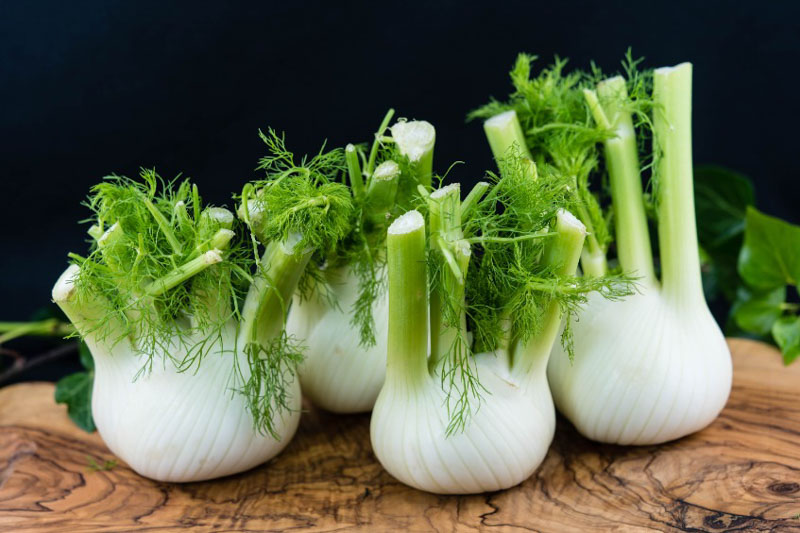
Summary: Mediterranean native in the carrot family grown three ways: as a feathery herb fennel for fronds, flowers, and seeds, as bulb-forming Florence fennel for crisp “bulbs,” and for intensely aromatic fennel pollen.
Taste: Cool, sweet anise/licorice notes; fronds are bright and herbal, bulbs are juicy-crisp, seeds warm and sweetly aromatic.
Use: Shaved salads, roasting and braises, seafood sheets pans, teas, spice blends/sausage, frond pesto, finishing pollen.
Safety: Edible and non-toxic. Do not confuse with “dog fennel,” which is unrelated and not edible.
| Botanical Name | Foeniculum vulgare (herb/leaf types); F. vulgare var. azoricum (bulb-forming “Florence fennel”) |
|---|---|
| Family | Apiaceae (Carrot family) |
| Common Names | Fennel, sweet fennel, bronze fennel (purple-leaved); finocchio (bulb type) |
| Forms & Uses | Herb fennel: fronds, flowers (pollen), seeds · Florence fennel: swollen “bulb” (leaf bases) + usable fronds |
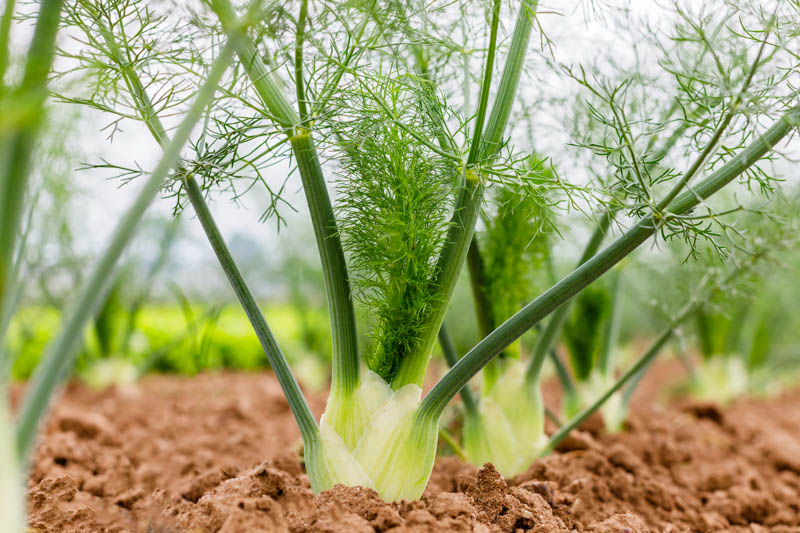
| Plant Type & Habit | Short-lived perennial herb (often self-seeding) or cool-season annual vegetable (bulb type); upright, airy foliage with flat-topped yellow umbels |
| Hardiness (USDA) | 4–9 for herb types (with protection in colder spots); bulb type best in cool seasons of 5–9 |
| Size | Herb types: 3–6 ft (0.9–1.8 m) in bloom; bulb type: 2–3 ft (60–90 cm); spread 18–24 in (45–60 cm) |
| Sun & Exposure | Full sun (6–8+ hrs) |
| Soil | Rich, well-drained loam; pH ~6.0–8.0; steady moisture (especially for bulbs) |
| Seasonality | Sow/plant in cool windows (spring & fall). Heat and drought promote bolting, especially in bulb types. |
| Edible Parts | Fronds (herb), swollen base of bulb type, flowers (pollen), seeds (spice) |
| Bloom & Seed | Yellow umbels attract pollinators; collect seeds as heads brown and dry |
| Wildlife | Excellent nectar source for bees and beneficial insects; host/attractor for swallowtail caterpillars in some regions |
| Invasiveness | May self-seed; deadhead if spread is a concern; check local guidance |
| Primary Uses | Culinary herb & vegetable, edible landscaping, pollinator plant, spice (seeds/pollen) |
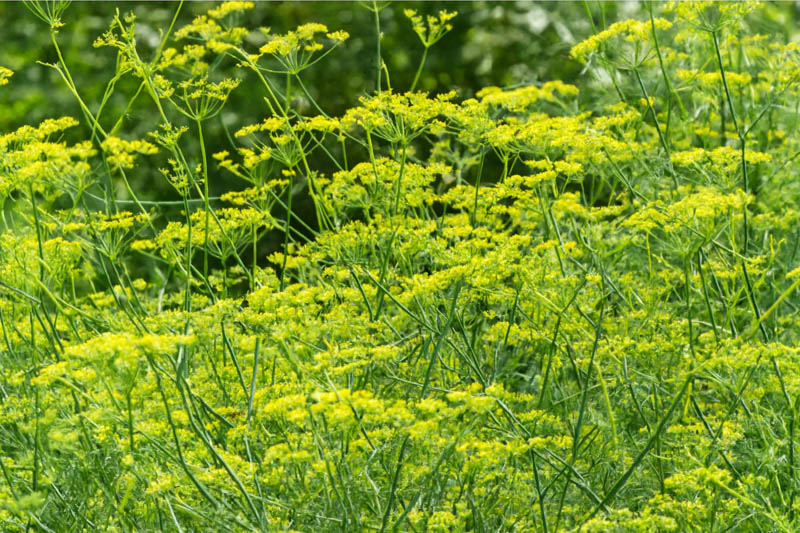
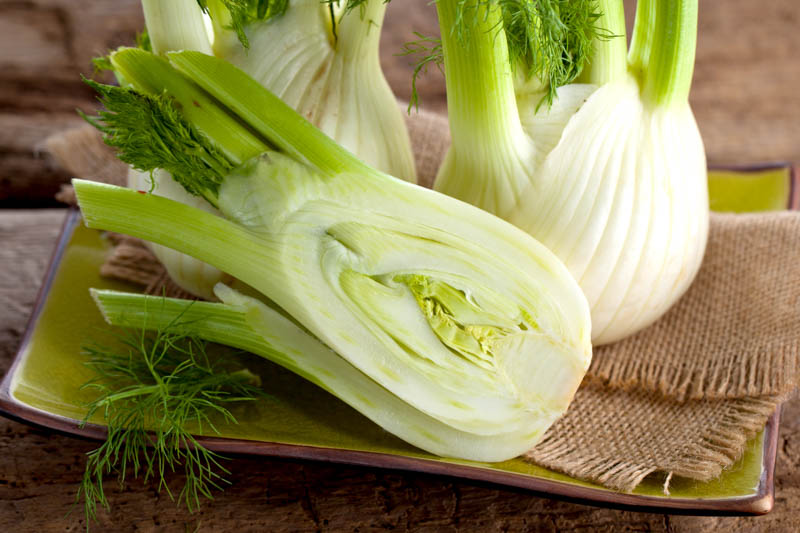
The species is an elegantly aromatic herb with fine, threadlike foliage and flat-topped umbels of yellow flowers. Botanically, what we call the “fennel bulb” is not a true bulb at all—it’s a stack of thickened, overlapping leaf bases that swell at the soil line in the Florence type. Herb forms don’t swell noticeably; instead they channel energy into lush fronds, tall flower stems, and abundant seed heads.
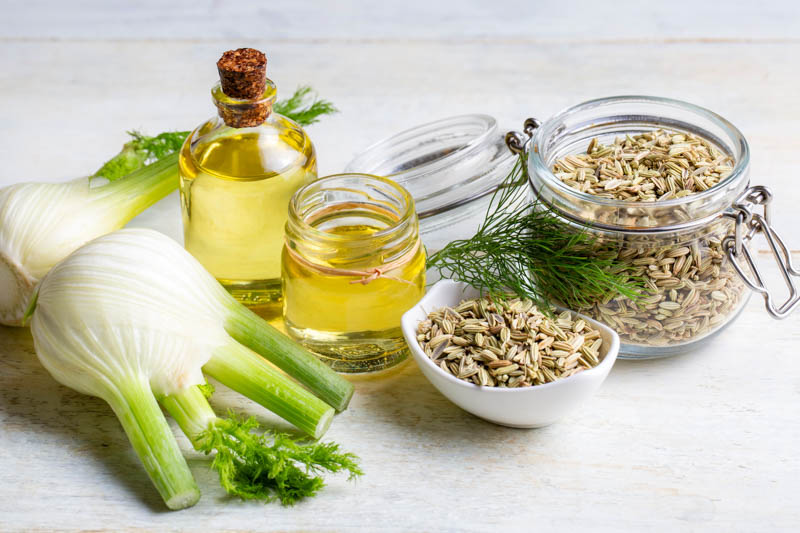
Flavor-wise, all parts share the signature cool anise/licorice note: the fronds are grassy-bright and gently sweet; the base (in the bulb type) is crisp and juicy; fennel seeds are warm, sweetly spicy, and famously good in sausage, biscotti, and spice blends; while fennel pollen is an intensely floral, citrus-anise dust used as a finishing touch.
| Feature | Herb/Leaf Fennel (F. vulgare) | Florence Fennel / “fennel bulb” (F. vulgare var. azoricum) |
|---|---|---|
| Primary harvest | fronds, flowers (for pollen), seeds | the crisp swollen base (“bulb”), plus usable fronds |
| Lifespan | short-lived perennial (often self-seeds) | cool-season annual; heat/drought → bolting |
| Height | 3–6 ft (0.9–1.8 m) in bloom | ~2–3 ft (60–90 cm) |
| Best sowing windows | spring or fall (fall in hot regions) | early spring and late summer for fall harvest |
| Notes | great pollinator plant; can spread by seed | minimize root disturbance; harvest at 2.5–4.5 in |
Fennel is native to the Mediterranean, thriving in bright sun, lean-to-moderately fertile soils, and periodic dry spells. It’s naturalized widely along coasts and sunny slopes, which is gardener-speak for “likes drainage and light.” Its cultural needs echo classic Mediterranean staples like onions and celery—but with the bonus of intoxicating aroma and nectar-rich blooms beloved by beneficial insects.
Herb types are often treated as perennial herbs in mild climates; they may die back in winter and return from the crown. The bulb type is a cool-season annual: heat + drought push it to bolt (send up a hollow flower stalk), halting base swelling. Where summers are hot or long-day, plan spring harvests early and lean into late-summer sowings for fall glory.
Days to harvest (bulb type): ~70–90 days from direct sow; ~60–80 days from transplant. Leaf types can be clipped continuously once established.
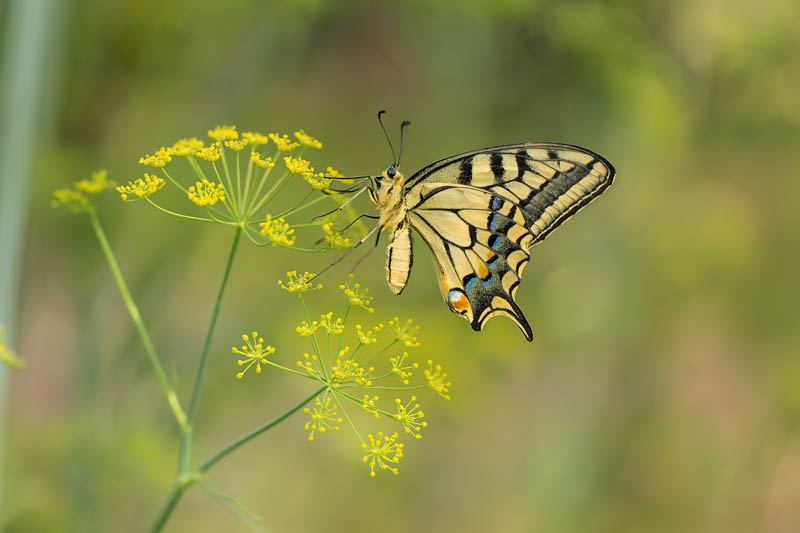
Fennel is a pollinator party. The flat umbels feed hoverflies, lacewings, tiny parasitic wasps, bees, and butterflies (including black swallowtail caterpillars). Plant a clump at the garden edge and let a few stalks flower—you’ll be recruiting natural pest control while stocking up on fennel pollen and seeds.
Culinary fennel is widely eaten. Edible parts include fronds, the crisp base of the bulb type, flowers (for pollen), and dried seeds (for tea and spice). As with many aromatics, concentrated essential oil is not the same as food: don’t ingest essential oils or apply undiluted to skin. People with sensitivities in the carrot/celery family (Apiaceae) can rarely experience oral itching—discontinue if symptoms occur. For animals, fennel (culinary) is listed as not toxic to dogs, cats, and horses in small culinary amounts.
General information only, not medical advice.
Herb fennel can self-seed freely in mild climates. Deadhead if spread is a concern. The bulb fennel self-seeds less; harvesting removes most of the “weedy” potential.
Grower Story We planted a trio by the patio for the fronds—and ended up with an on-site pollinator café. Now we tuck a spring row of Florence fennel for shaved salads and roasted fennel, and let the border clump bloom for fennel pollen and seeds. One species, three harvests, endless fennel recipes.
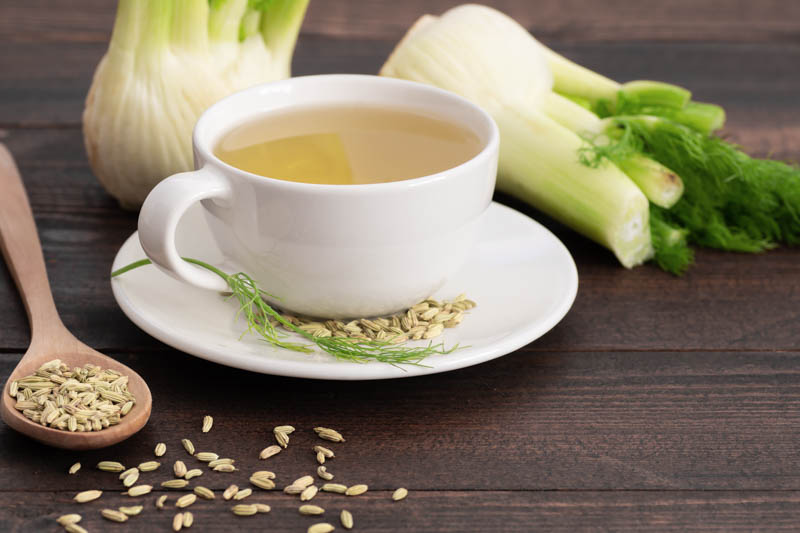
A simple, soothing cup made from lightly crushed seeds. Naturally sweet and caffeine-free.
Iced version: Steep strong (2 tsp seeds), cool, then chill; serve over ice with lemon.
For culinary enjoyment only; not medical advice.
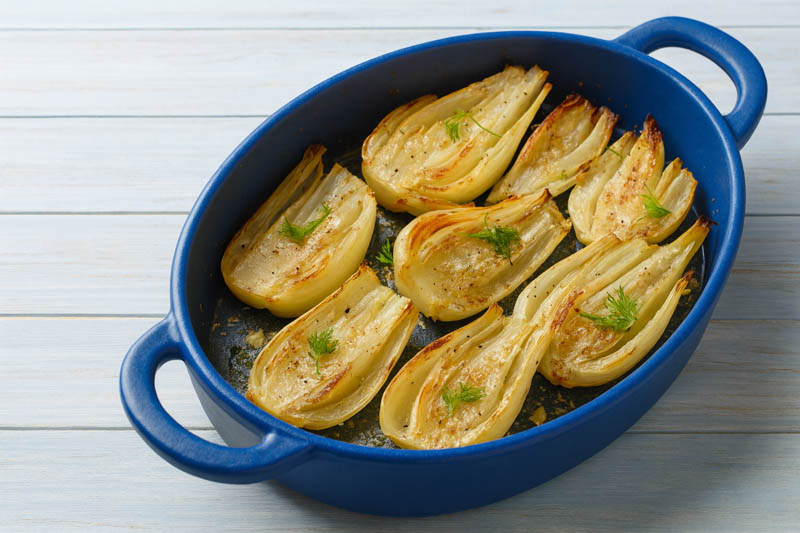
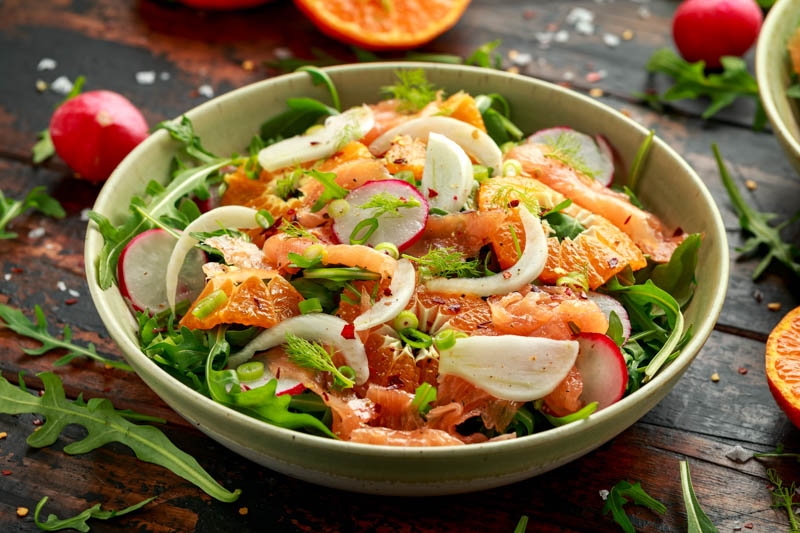
Citrus wakes up the sweetness; tomatoes and olives bring briny contrast; seafood feels tailor-made; pork and sausages adore fennel seeds. For quick dinners: sheet-pan cod with tomatoes and the base slices; pasta with garlic, chile, and toasted seeds; roasted fennel with thyme beside chicken; or a fennel salad with orange, olive oil, and shaved cheese.
The base is hydrating, low in calories, and a tidy source of vitamin C, potassium, and fiber. Typical values per 100 g raw base:
| Nutrient | Amount (approx.) |
|---|---|
| Calories | ~31 |
| Carbohydrates | ~7–8 g |
| Fiber | ~3 g |
| Protein | ~1 g |
| Vitamin C | ~10–12 mg |
| Potassium | ~350–420 mg |
Numbers vary by variety, soil, and freshness. Choose firm, pale-green bases with crisp stalks; fronds should be fresh and feathery.
| Name | Habit & Notes | Best Uses |
|---|---|---|
| Common green fennel | Tall, feathery, productive; classic herb form for fronds and seeds; great for pollinators. | Fronds, tea, seeds, pollen; ornamental screens. |
| Bronze fennel (‘Purpureum’) | Smoky-purple foliage; striking in borders; similar flavor to green types. | Edible fronds, cutting gardens, pollinator magnet, garnish. |
| Variety | Best Season | Approx. Days | Bulb Traits & Flavor | Bolting Tendency | Good For |
|---|---|---|---|---|---|
| ‘Zefa Fino’ | Spring & Fall | 60–75 | Uniform, medium, sweet-citrus anise notes. | Moderate | Fennel salad, quick sautés |
| ‘Orion’ | Cool spring & early fall | 70–80 | Round, dense, very white, excellent flavor. | Low–Moderate | Roasted fennel, braises, steaks |
| ‘Perfection’ / ‘Selma Fino’ | Mostly Fall | 75–90 | Classic Italian finocchio character, aromatic, layered. | Moderate | Shaved salads, gratins |
| ‘Montebianco’ | Spring & Fall | 70–80 | Round, bright white, mild-sweet flavor. | Low–Moderate | Steaks, soups, roasting |
Days vary with weather, spacing, and sowing method. In warm spells, spring crops can bolt early—choose quick, bolt-tolerant selections or shift to fall sowing.
Fennel dislikes root disturbance. Use deep cells or soil blocks, set out small, and water in thoroughly. For leaf types, direct sowing is simple and effective; thinning provides baby greens.
| Region / Summer Profile | Herb Fennel | Bulb/Finocchio | Notes |
|---|---|---|---|
| Cool-summer/coastal | Sow spring or fall; may overwinter | Spring & late-summer sowings excel | Even moisture = lush fronds and juicy bases |
| Temperate four-season | Spring sow; may return next year | Spring harvest before heat; best again in fall | Mulch to steady moisture and temperature |
| Hot-summer/interior | Fall sowing for winter/spring fronds | Very early spring or fall only | Use 30–40% shade cloth during sudden heat |
| Mild-winter (Mediterranean/Subtropical) | Autumn sow; can behave as perennial | Late-summer to autumn sowings; can overwinter | Plants left may bloom next spring for pollen/seeds |
Once umbels open, you have two windows: right away for fennel pollen (tap flowers over parchment, dry briefly), later for fennel seeds (clip browned heads into a bag; dry, rub, and winnow).
 Fennel’s aromatic chemistry can inhibit some very close neighbors, especially seedlings. Best practice: give it its own row or a discrete patch, then plant friends in the adjacent bed with a buffer.
Avoid in the same bed: other Apiaceae (carrot, parsley, celery, cilantro) to reduce shared pest pressure and resource competition; very young or shallow-rooted seedlings right alongside; tight “mixed herb” plantings—give culinary herbs their own pots or bed.
Snip as needed from established plants. Regular clipping encourages tender regrowth. A little goes a long way.
Cut when firm and 2.5–4.5 in (6–11 cm) across. Trim roots, leave an inch or two of stalk, and stash the fronds for garnish. For snow-white, extra-tender bases, gently pull soil or straw around the lower portion (optional blanching).
On a dry morning, clip browned umbels into a paper bag. Finish drying indoors; rub to free the seeds; winnow chaff; store airtight away from light.
Tap freshly opened yellow umbels over parchment. Air-dry briefly and bottle. A pinch delivers a sunny, floral lift.
| Issue | What You’ll See | How to Respond |
|---|---|---|
| Bolting (bulb type) | Hollow central stalk, skinny bases | Plant for cool seasons; water steadily; harvest promptly at size |
| Stringy or hollow bases | Tough fibers, gaps | Avoid drought/heat stress; don’t crowd; keep growth even |
| Aphids | Sticky fronds, clusters on stems | Blast with water; welcome predators; use insecticidal soap if needed |
| Slugs & snails | Chewed seedlings and ribs | Handpick; copper tape/beer traps; keep mulch thin near stems |
| Root rot | Wilting despite wet soil | Improve drainage; water deeply but avoid sogginess |
No. “Dog fennel” (often Eupatorium capillifolium) is a weedy wildflower, not edible like Foeniculum vulgare. For gardening and cooking, use reputable sources for fennel seed and plants.
Leaf/herb fennel can behave as a short-lived perennial and often self-seeds in mild climates. The bulb type is grown as an annual; left in the ground, it will usually flower the following season.
Give it its own row or patch and keep neighbors in the adjacent bed with a buffer. Flowering fennel belongs at the garden edge, where it’s a top-tier pollinator plant.
Plant for cool weather, water evenly, and harvest at size. Heat and drought trigger flowering. Fall crops are often the sweetest and most reliable.
For crunch, use celery or kohlrabi; for licorice aroma, use anise seed or a whisper of star anise; for green garnish, combine dill and parsley.
Different fennel forms can cross with each other, so saved seed might not come true. Fennel and dill won’t cross.
| Season | Garden Actions (Leaf & Bulb) | Harvest & Kitchen Ideas | Notes & Pro Tips |
|---|---|---|---|
| Early spring | Prep beds; sow leaf fennel or transplant hardened-off starts. Start bulb type indoors or direct sow when soil is ~50–60°F (10–16°C). | Baby fronds on eggs and fish; first small bases for fennel salad. | Low tunnels or row cover speed growth and protect from cold snaps. |
| Late spring | Thin to final spacing. Keep water steady; hill a little mulch around bulb bases for pearly color. | Shaved salad, sautéed slices for pasta; frond gremolata. | Shade cloth during surprise heat helps prevent bolting (bulb type). |
| High summer | Pause new bulb sowings if heat is persistent; let some leaf plants bloom for pollen and pollinators. | Grilled slabs or quick pickles; iced fennel tea; gather fennel pollen. | Bolted bulb plants are tougher—use for stock or let them flower for seeds. |
| Late summer | Sow the fall run of bulb fennel; keep moisture even. Net if swallowtail caterpillars are heavy (or leave one sacrificial plant for butterflies!). | Peak texture for raw dishes and sheet-pan dinners. | Fall crops are densest and sweetest—aim for stress-free growth. |
| Autumn | Main harvest of bulb bases. Clip browned umbels for fennel seeds; tap flowers for the last of the pollen. | Roasted fennel with Parmesan; sausage-and-fennel pasta; spice blends with seeds. | Trim tops and store bases in the crisper; dry seeds thoroughly before jarring. |
| Winter | Clear beds; add compost; in cold zones, start a few seeds indoors late winter. In mild zones, leaf fennel may overwinter. | Simmer fennel tea from saved seeds; braise stored bases with citrus and olives; test new fennel recipes. | Check stored bases weekly; use any with blemishes first. Order seed early. |
Timing shifts with climate. In hot-summer regions, treat spring as short and lean into late-summer sowing for the best fall bases.
Grow Foeniculum vulgare and you get a border-worthy herb, a cool-season vegetable, and a spice rack all in one. Give it sun, drainage, and even moisture. Snip fennel fronds for everyday brightness, slice the base for roasted fennel and crisp fennel salad, brew fennel tea from your own fennel seeds, and finish dishes with a flick of fennel pollen. Keep dog fennel out of the conversation, label your jars proudly, and enjoy a year of aroma, crunch, and that unmistakable, refreshing licorice lift.
| Hardiness |
4 - 9 |
|---|---|
| Heat Zones |
6 - 9 |
| Climate Zones | 1, 1A, 1B, 2, 2A, 2B, 3, 3A, 3B, 4, 5, 6, 7, 8, 9, 10, 11, 12, 13, 14, 15, 16, 17, 18, 19, 20, 21, 22, 23, 24, A1, A2, A3, H1, H2 |
| Plant Type | Herbs, Perennials |
| Plant Family | Apiaceae |
| Common names | Fennel, Fennel Bulb |
| Exposure | Full Sun |
| Season of Interest | Summer (Early, Mid, Late), Fall |
| Height | 2' - 6' (60cm - 180cm) |
| Spread | 1' - 3' (30cm - 90cm) |
| Maintenance | Low |
| Water Needs | Average |
| Soil Type | Chalk, Clay, Loam, Sand |
| Soil pH | Acid, Alkaline, Neutral |
| Soil Drainage | Moist but Well-Drained |
| Characteristics | Fragrant, Showy, Cut Flowers |
| Native Plants | United Kingdom |
| Tolerances | Deer, Heat, Poor Soil, Humidity |
| Attracts | Butterflies, Bees, Birds |
| Garden Uses | Beds And Borders, Patio And Containers |
| Garden Styles | Informal and Cottage |
| Toxic to Humans | No known toxicity |
| Toxic to Cats | Not toxic |
| Toxic to Dogs | Not toxic |
| Toxic to Horses | Not toxic |


| Hardiness |
4 - 9 |
|---|---|
| Heat Zones |
6 - 9 |
| Climate Zones | 1, 1A, 1B, 2, 2A, 2B, 3, 3A, 3B, 4, 5, 6, 7, 8, 9, 10, 11, 12, 13, 14, 15, 16, 17, 18, 19, 20, 21, 22, 23, 24, A1, A2, A3, H1, H2 |
| Plant Type | Herbs, Perennials |
| Plant Family | Apiaceae |
| Common names | Fennel, Fennel Bulb |
| Exposure | Full Sun |
| Season of Interest | Summer (Early, Mid, Late), Fall |
| Height | 2' - 6' (60cm - 180cm) |
| Spread | 1' - 3' (30cm - 90cm) |
| Maintenance | Low |
| Water Needs | Average |
| Soil Type | Chalk, Clay, Loam, Sand |
| Soil pH | Acid, Alkaline, Neutral |
| Soil Drainage | Moist but Well-Drained |
| Characteristics | Fragrant, Showy, Cut Flowers |
| Native Plants | United Kingdom |
| Tolerances | Deer, Heat, Poor Soil, Humidity |
| Attracts | Butterflies, Bees, Birds |
| Garden Uses | Beds And Borders, Patio And Containers |
| Garden Styles | Informal and Cottage |
| Toxic to Humans | No known toxicity |
| Toxic to Cats | Not toxic |
| Toxic to Dogs | Not toxic |
| Toxic to Horses | Not toxic |
How many Foeniculum vulgare (Fennel) do I need for my garden?
| Plant | Quantity | |
|---|---|---|
| Foeniculum vulgare (Fennel) | N/A | Buy Plants |
Create a membership account to save your garden designs and to view them on any device.
Becoming a contributing member of Gardenia is easy and can be done in just a few minutes. If you provide us with your name, email address and the payment of a modest $25 annual membership fee, you will become a full member, enabling you to design and save up to 25 of your garden design ideas.
Join now and start creating your dream garden!
Create a membership account to save your garden designs and to view them on any device.
Becoming a contributing member of Gardenia is easy and can be done in just a few minutes. If you provide us with your name, email address and the payment of a modest $25 annual membership fee, you will become a full member, enabling you to design and save up to 25 of your garden design ideas.
Join now and start creating your dream garden!