Create Your Garden

36 Best Deer-Resistant Perennial Plants

Deer destroying your garden overnight? You’re not alone. The secret isn’t fencing—it’s choosing the right perennials and planting them strategically. With the right mix of scent, texture, and smart design, you can enjoy bold color all season while deer move on to easier meals. Let’s build a deer-smart garden!
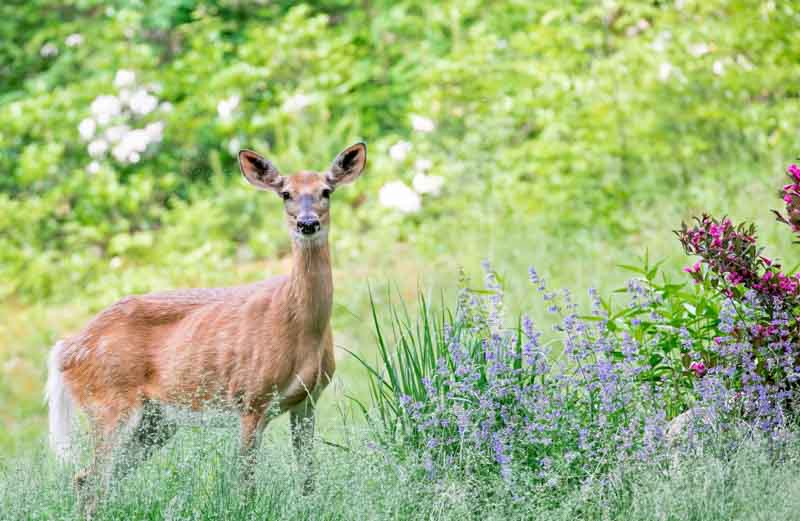
Deer-resistant plants, Deer-proof Plants, Bleeding Heart, Catnip, Foxglove, Sage, Iris, Lavender

36 Deer-Resistant Perennials For Color That Lasts All Season

Few things are more disheartening than watching a lush border get trimmed to nubs overnight. If your garden sits on a well-traveled deer route, you know the routine: new growth disappears, buds vanish, and anything tender becomes a midnight snack. Here is the better routine. By leaning on deer-resistant perennials, you can build a garden that thrives through the seasons with far less stress. These plants use scent, taste, texture, or timing to tell deer to keep moving. With a few smart design tricks, your beds can look full, layered, and colorful while staying off the menu.

Why Deer Love Gardens (But Often Leave Certain Perennials Alone)

To deer, a typical yard looks like a drive-through. Garden beds are neatly arranged and irrigated, loaded with fresh shoots and flower buds, and conveniently located away from thorny thickets. In spring, after a lean winter, deer are especially motivated to browse soft, nutrient-dense growth.

Hostas, tender daylilies, and early-flushing border perennials are prime targets. Their foliage is succulent and high in water, and flower buds are concentrated flavor-bombs that deer detect quickly.

Callout – Seasonal browsing pressure:
Early spring: little wild forage and lots of tender shoots
Summer drought: irrigated borders stay greener than the woods
Fall: deer increase intake to build fat reserves for winter

So why do some perennials sail through untouched? Unlike soft annuals or mild greens, many perennials have built-in defenses that deer learn to avoid. Some are aromatic herbs, some are bitter or mildly toxic, and others are rough, fuzzy, or prickly. A quick sniff or nibble is often enough to send a deer elsewhere.

What Makes a Perennial “Deer-Resistant”

Deer make decisions with their noses and mouths. They evaluate scent, taste, and texture before committing to a real bite. If a plant smells strong, stings the tongue, leaves a bitter aftertaste, or has coarse or bristly foliage, it usually gets skipped.

The most deer-resistant perennials typically show one or more of these traits:

  • Strong, resinous, or camphorous fragrance that overwhelms sensitive noses. Examples include many culinary herbs like lavender and rosemary.
  • Bitter or toxic compounds that quickly teach avoidance. Some plants contain alkaloids, glycosides, or volatile oils that taste awful to browsers.
  • Prickly, bristly, or fuzzy textures that are literally uncomfortable to bite. Think barbed margins, stiff hairs, or sandpapery leaves.
  • Milky or sticky sap that gums up mouths. It is unappealing, and deer move on fast.
  • Low moisture foliage that is less rewarding to chew. Tough, wiry leaves are less attractive than juicy greens.
Callout – Quick cues deer dislike:
Pungent scent, bitter flavor, sticky or milky sap, hairy or thorny leaves, and stiff or leathery texture. If a perennial shows two or more of these, deer usually skip it.

Important reality check: deer-resistant does not mean deer-proof. A starving or overpopulated herd might sample almost anything once. The difference is that resistant perennials rarely become repeat snacks. One taste usually ends the experiment.

Why Perennials Are Perfect for Deer-Prone Gardens

Perennials are backbone plants. They return year after year, knit borders together, and fill space with dependable color and texture. Many of the best border mainstays happen to be deer-resistant, which means you can rely on them for long-term performance.

  • Long seasons of interest – foliage, flowers, seedheads, and winter silhouettes extend your display well beyond bloom time.
  • Layering power – low, mid, and tall perennials blend into shrubs and grasses to create depth and make browsing harder.
  • Low maintenance – once established, many perennials thrive with modest care and bounce back quickly from light grazing.
  • Pollinator habitat – deer-resistant does not mean insect-resistant. Many attract bees and butterflies without inviting deer.
  • Design flexibility – build drifts, repeat color, or weave accents through a mixed border for four-season impact.
Callout – Perennials train the herd:
When deer sample strong-scented, bitter, or prickly perennials early in the season, they often remember and avoid those beds for months.

With thoughtful placement and repetition, deer-resistant perennials become living perimeter security. You get rhythm, structure, and color while reducing the odds of nightly damage.

How Deer Behave Around Perennials (and How to Outsmart Them)

Deer are cautious generalists. They test small amounts, pay attention to smell, and memorize safe routes. They prefer low-effort browsing: open sightlines, predictable edges, and soft growth at mouth height. Turn those tendencies against them by making your borders confusing, fragrant, and texturally complex.

Perennials can disrupt browsing patterns through:

  • Fragrance that masks the scent of tastier neighbors. Strong aromatic foliage scrambles the nose-first approach deer rely on.
  • Taste training where one bitter nibble teaches a lasting lesson. Deer remember what to skip.
  • Mixed plantings that hide vulnerable plants in a matrix of tough companions. It becomes hard to locate favorites quickly.
  • Density and height that make beds feel risky. Tight massing and layered heights obscure sightlines and reduce confidence.
  • Seasonal timing where late-emerging perennials dodge the hungriest early-spring window.
Callout – Deer remember
Once a deer gets a mouthful of pungent, fuzzy, or bitter foliage near your path or entry bed, it often avoids that route for the rest of the season.

Use this to your advantage. Place aromatic or prickly sentinels at access points and along predictable travel lines. The goal is simple: make your garden feel like a lot of work compared to your neighbor’s salad bar.

Guide Information

Plant Type Perennials
Tolerance Deer

Perennial Plants that Deer Hate and Will Avoid

Aconitum napellus (Monkshood)
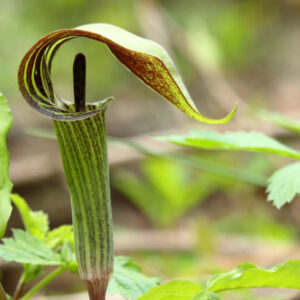
Arisaema triphyllum (Jack in the Pulpit)
Armoracia rusticana (Horseradish)
Asarum europaeum (European Wild Ginger)
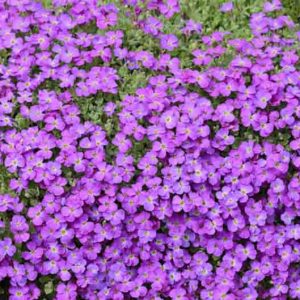
Aubrieta deltoidea (Rock Cress)
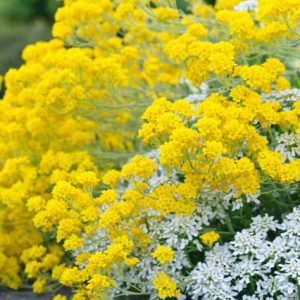
Aurinia saxatilis (Basket-of-Gold)
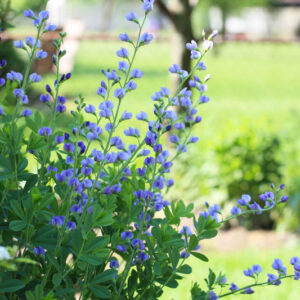
Baptisia australis (False Indigo)
Digitalis purpurea (Common Foxglove)
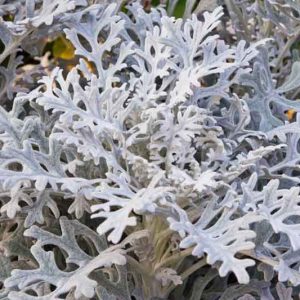
Jacobaea maritima (Dusty Miller)
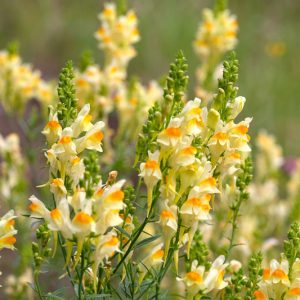
Linaria vulgaris (Yellow Toadflax)
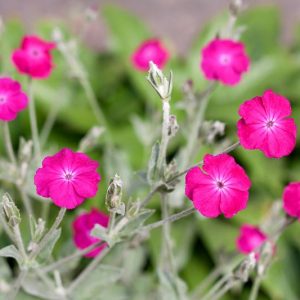
Lychnis coronaria (Rose Campion)
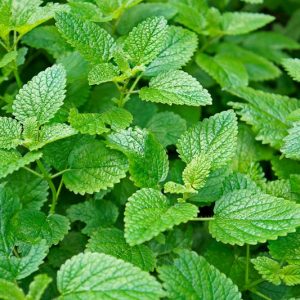
Melissa officinalis (Lemon Balm)
Myosotis sylvatica (Wood Forget-Me-Not)
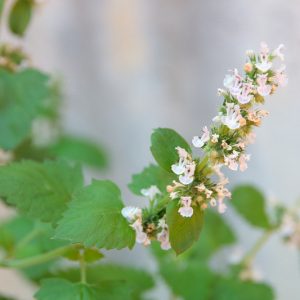
Nepeta cataria (Catnip)
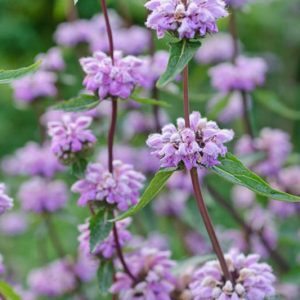
Phlomis tuberosa (Jerusalem Sage)
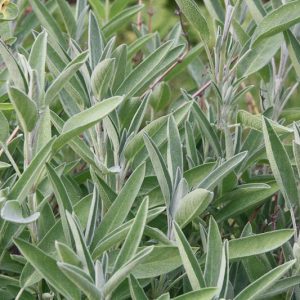
Salvia officinalis (Sage)
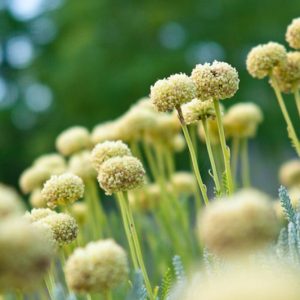
Santolina chamaecyparissus (Lavender Cotton)
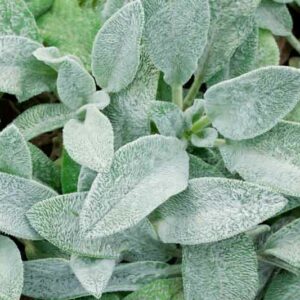
Stachys byzantina (Lamb’s Ear)
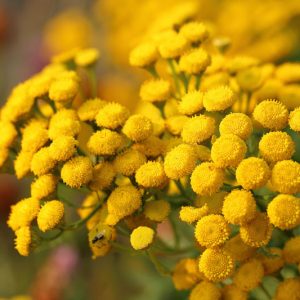
Tanacetum vulgare (Tansy)
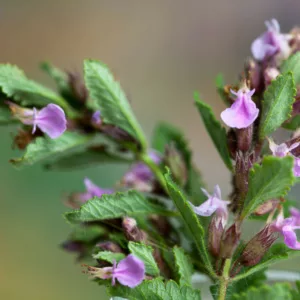
Teucrium chamaedrys (Wall Germander)
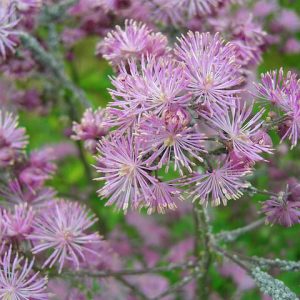
Thalictrum aquilegiifolium (Meadow Rue)
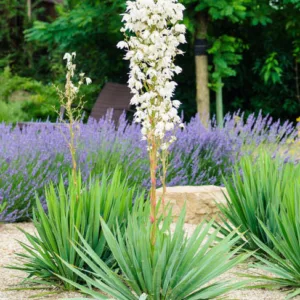
Yucca filamentosa (Adam’s Needle)
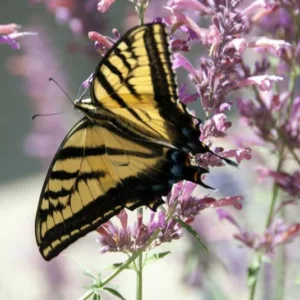
Agastache (Hyssop)
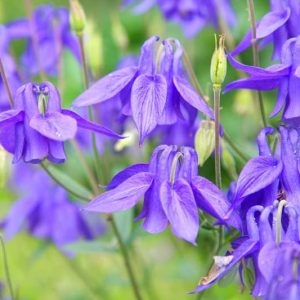
Aquilegia (Columbine)
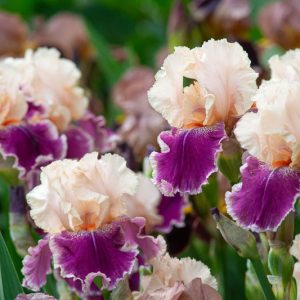
Iris germanica (Bearded Iris)
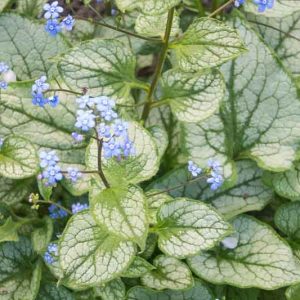
Brunnera macrophylla (Siberian Bugloss)
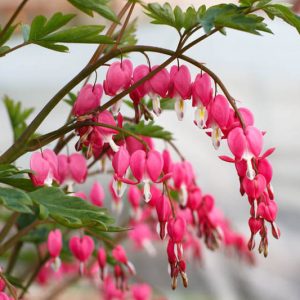
Dicentra (Bleeding Heart)
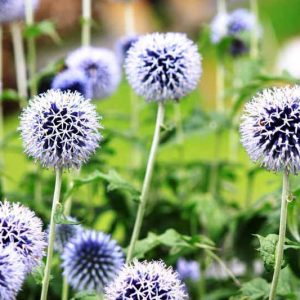
Echinops (Globe Thistle)
Helleborus (Hellebore)
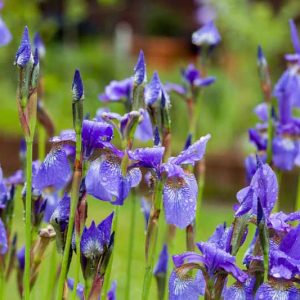
Iris sibirica (Siberian Iris)
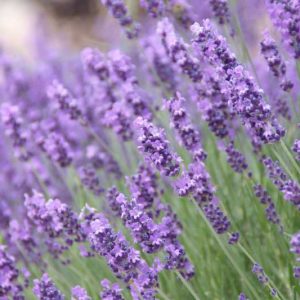
Lavandula angustifolia (English Lavender)
Monarda (Bee Balm)
Paeonia (Peonies)
Papaver orientale (Oriental Poppy)
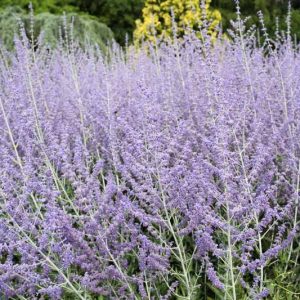
Salvia yangii (Russian Sage)
Ranunculus asiaticus (Persian Buttercup)

Beyond Plants: Cultural and Physical Deterrents That Help Perennials Thrive

Even with smart plant choices, early protection makes a difference, especially during the first growing season. Combine cultural tactics and physical barriers with your planting plan to lock in success.

Quick win

Pair two tactics at once. Use a scent-based repellent on entry edges and add low mesh over fresh growth for the first 3 to 4 weeks.
  • Water and feed wisely: do not overfertilize with high nitrogen. Lush, sappy growth is more attractive to deer and more likely to flop.
  • Cut back strategically: shearing aromatic perennials encourages fresh, strongly scented foliage that keeps repelling.
  • Mulch thoughtfully: use coarse, sharp, or aromatic mulches where practical. Pine needles, cedar chips, and herb clippings can help.
  • Rotate repellents: deer learn fast. Switch products and application patterns every 2 to 3 weeks during peak pressure.
  • Employ barriers during emergence: low netting, temporary cages, or mesh domes protect new growth until plants toughen up.
  • Use motion and light: motion-activated sprinklers or lights along access routes can reduce nighttime visits.
Pro tip

Alternate repellent types. Try egg solids one cycle, a garlic or capsaicin formula the next. Change the smell and the routine to keep deer guessing.

The first season is the training season. Protect vulnerable growth early, then reduce defenses as plants mature and your living perimeter takes over.

The Honest Truth: “Resistant” Does Not Mean “Untouchable”

Reality check

Weather, herd size, and habitat shift from year to year. A few test nibbles do not mean your plants failed. It usually means pressure rose temporarily.

No plant is safe in a crisis. When winter hangs on, drought bites, or population spikes, deer drop their standards. You might see experimental bites on plants that have been ignored for years. That does not mean those perennials stopped working. It means conditions changed.

Success metric

A low level of cosmetic damage with fast recovery and strong bloom counts equals a win. Aim for resilience, not perfection.

Here is the good news. Most robust deer-resistant perennials are so pungent, prickly, or bitter that deer rarely return for a second try. Your goal is not zero damage. Your goal is minor damage, fast recovery, and a border that looks great across the season. Build redundancy into your design, and you win most nights.

Smart Combinations That Look Good and Confuse Deer

Use these combination principles to integrate your 36 perennial all-stars without advertising them as a buffet.

Design shortcut

Think edge, middle, heart. Edge handles deterrence, middle does the blending, heart provides the show. Repeat the trio for rhythm and protection.
  • Aromatic edge + lush heart: ring the bed with strongly scented perennials, then fill the interior with your color workhorses. The edge does the deterrent work while the heart does the showy work.
  • Silvers and sages with jewel tones: pair blue-green, silver, or gray foliage with deep purples, magentas, oranges, and golds. You get designer contrast and a fragrance-forward barrier.
  • Grasses as scaffolding: clumps of ornamental grasses create movement and visual clutter. Deer feel exposed and less confident weaving through them.
  • Texture mashup: combine fuzzy, ferny, glossy, and strappy leaves. Mouthfeel variety makes quick browsing difficult and unappealing.
  • Staggered bloom windows: plan color from spring to frost so your border looks appealing to you, not to deer. When one wave fades, the next picks up the baton.
  • Check our Deer-Resistant Garden Design Ideas
Pro tip

Hide any must-have deer candy inside a 3 to 1 ratio. Three tough companions to one tasty accent keeps browsing rare and recovery quick.

Practical Layouts For Real Yards

Not every garden is a show garden. Here are simple layouts that scale up or down and keep deer second-guessing.

Layout at a glance

Use repeating modules. If a 3 foot by 3 foot unit works once, it will work ten times. Repetition builds beauty and trains the herd.

Front Walk Sentry

A narrow bed along a path or driveway is a classic browsing lane. Flip the script by making it the most aromatic strip on the property. Plant fragrant perennials in a repeating pattern at 18 to 24 inch intervals, tuck in low grasses for movement, and add one or two sculptural accents near the door. Result: a beautiful welcome that doubles as your best deterrent zone.

Pro tip

Place the strongest scented plants right where wind channels toward the street or path. Scent moves. Use it.

Mixed Border Matrix

In a larger bed, think in modules. Create a 3 foot by 3 foot repeating unit of deer-resistant perennials that includes one vertical accent, two midsize mounds, and a low edging plant. Repeat the module with color variations to create flow while maintaining deterrence. Hide any vulnerable favorites right behind each module so they are visually present but physically protected.

Patio Perimeter

Deer avoid spaces that feel human. Wrap your patio in a low hedge of highly resistant perennials and grasses. The human scent zone plus dense plant texture discourages drive-by nibbling. You enjoy fragrance and movement where you relax most.

Installation and Establishment Tips

Get the first year right and you will be rewarded for years to come. A few small steps significantly reduce risk.

Checklist

Prep soil, plant a bit dense, water deep not often, shield new shoots, and shear to refresh fragrance. Nail these five and your odds rise fast.
  • Soil prep: loosen soil 8 to 12 inches deep, add compost as needed, and correct drainage issues early. Strong roots equal fast recovery from incidental nibbles.
  • Planting density: space tighter than minimum recommendations if pressure is high. Tight spacing closes gaps and reduces quick sightlines.
  • Watering plan: deep, infrequent watering builds tough plants that are less attractive to deer than constantly soft, overwatered growth.
  • Early shielding: use low-profile mesh, netting, or individual hoops during the first flush of growth. Remove once plants bulk up.
  • Maintenance rhythm: deadhead, shear, and shape to keep fragrance strong, foliage full, and seedheads tidy. Healthy plants are more resilient after the occasional chomp.
Cost saver

Invest in barriers once and reuse them every spring. Simple mesh and a handful of flexible hoops pay for themselves after the first saved bloom cycle.

Troubleshooting: When Deer Push Their Luck

Even the smartest plan can face a bold or hungry herd. Here is how to respond quickly without redesigning everything.

Rapid response plan

Block the path, change the smell, add a little noise. Three small changes in a week usually break a new browsing habit.
  • Spot-spray repellents in the exact browse path for 1 to 2 weeks. Change formulations every few applications.
  • Add temporary barriers like portable mesh fencing on slender stakes. Move it weekly so deer cannot map a route.
  • Increase confusion by tucking small pots of aromatic herbs within gaps. The new scent disrupts established patterns.
  • Swap the bait by moving the tastiest plants closer to the house or patio, where deer feel less comfortable, and surrounding them with highly resistant companions.
  • Observe and adjust. Deer are creatures of habit. Identify the entry point, block it, and bolster that area with your strongest deterrent perennials.
Tell-tale signs

Fresh torn leaves, parallel hoof prints, and clipped buds point to a consistent route. Treat that corridor like your priority zone.

Respond fast and the pattern breaks. Most herds are opportunistic. Make your border the hard option and they edit you off the route.

Care Calendar For Deer-Prone Perennial Borders

Consistency matters. Use this simple rhythm to keep your defenses fresh and your display prime.

Seasonal snapshot

Front-load protection in spring, rotate tactics in summer, tighten edges in fall, and leave structure in winter. Small moves at the right time make the big difference.
Season Focus Actions
Early Spring Refresh mulch, apply initial repellent on access edges, and cage new shoots for 3 to 4 weeks if pressure is high. Shear aromatic perennials to promote strongly scented new growth.
Late Spring to Summer Deadhead, shear, and feed lightly as needed. Rotate repellents every 2 to 3 weeks during drought or when you notice tracks and droppings.
Late Summer to Fall Divide crowded clumps to maintain density, add grasses for movement, and keep edges full. Consider a final repellent rotation as deer intake ramps up.
Winter Leave standing stems and grasses where appropriate. They provide wildlife habitat and visual texture, and they make nocturnal nibbling awkward.

Measurement: How To Tell Your Plan Is Working

Good garden management is observable. Track a few simple markers so you can celebrate progress and tighten weak spots.

Track it to tweak it

One photo per month from the same angle plus a quick bloom tally tells you more than guesswork. Let data guide the next small adjustment.
  • Damage snapshots: take monthly photos from the same angle. You will see if damage is trending down or if a new route has opened.
  • Bloom count: count flowering stems on your key perennials each season. Rising numbers mean browsing is dropping.
  • Regrowth speed: note how fast nibbled foliage rebounds. Fast recovery suggests healthy roots and effective deterrents.
  • Path mapping: after rain, study tracks. Add a barrier or aromatic cluster right on the most traveled line.
Green flag

Less clipping at the edges and more flowers in the core means your living perimeter is working. Keep doing what is working and adjust only the weak spots.

If damage stabilizes at low levels and flowering improves season over season, your living perimeter is doing its job.

Maintenance Myths To Ignore

Myth buster

It is not about one silver bullet. It is about a simple pattern repeated well: tough plants, good layout, light-touch deterrents, consistent care.
  • Myth: All natives are deer-resistant. Many natives are loved by deer. Choose on traits, not origin. Aromatic, bitter, or rough still matter most.
  • Myth: Repellents alone will save a buffet border. They help, but you cannot spray your way out of a plant list deer adore. Start with tough plants first.
  • Myth: One fence solves everything. Fencing helps, but deer can jump surprising heights. Use plant texture and layout so the interior does not feel worth the leap.
  • Myth: If a plant gets bitten once, it is a failure. Not true. A single test nibble is a deer learning experience. What matters is whether they return.

Ready to Discover the Best Deer-Resistant Perennials?

Now that you know how deer think and how to design against their habits, it is time to put the right plants to work. From aromatic herbs and fuzzy-leaved classics to architectural grasses and structural bloomers, there are dozens of options that look incredible and stand their ground.

You already have the curated list of 36 top performers in your database, so plug them into these strategies and watch the pressure drop while the beauty rises.

Want more deer-smart inspiration?

Putting It All Together

You do not need a fortress. You need a pattern. Choose perennials that deer prefer to avoid, arrange them so access feels awkward, and add light-touch deterrents during the high-pressure windows. Your border will read as designed, not defensive, and it will perform through spring, summer, and fall with a fraction of the drama.

Use your database of 36 proven deer-resistant perennials as the toolkit. Drop them into the strategies above and watch how quickly your garden moves from vulnerable to resilient.

Frequently Asked Questions

Why do deer eat some perennials but leave others alone?

Deer eat by scent, taste, and texture. Tender, mild, high-moisture foliage is attractive. Strongly scented, bitter, fuzzy, or prickly perennials are skipped because they taste or feel unpleasant.

Will deer pull up or uproot perennials?

Rarely. Deer mostly browse above ground. However, repeated tugging on young plants can loosen roots. Protect new transplants with low mesh for the first month and water deeply so roots anchor quickly.

Are any perennials truly deer-proof?

None are 100 percent deer-proof, but many are reliably avoided. Aromatic herbs, prickly or fuzzy foliage, and plants with bitter compounds are about as close as it gets.

How can I protect deer favorites in my border?

Hide them within a matrix of strongly scented or prickly companions. Place them closer to the house, use temporary cages during spring flush, and rotate repellents for a few weeks while they establish.

Do deer avoid fragrant perennials?

Usually, yes. Strong perfumes from aromatic foliage overwhelm sensitive noses. Keep fragrance high by lightly shearing after bloom to encourage fresh growth.

Will deer eat perennial leaves but leave flower buds?

Yes. Deer often take the most accessible parts first. Losing foliage can weaken plants, so protect new growth early with mesh and strategic companion planting.

Can companion planting really help with deer?

Absolutely. A defensive perimeter of aromatic or prickly perennials around vulnerable plants reduces browsing. Deer read complex texture and fragrance as high effort.

What is the easiest way to start a deer-resistant perennial garden?

Begin with proven deer-resistant perennials, repeat them in generous drifts, and mix in ornamental grasses. Add temporary cages and rotate repellents for the first month, then reduce as plants bulk up.

12 Best Deer-Resistant Annual Flowers
18 Best Deer-Resistant Shrubs That Look Stunning
16 Beautiful Flower Bulbs That Rodents Will Avoid
18 Plants That Voles Will Avoid
27 Beautiful Flower Bulbs Deer Don’t Like to Eat
30 Best Deer-Resistant Flowers and Plants for Your Garden
15 Top Deer-Resistant Ornamental Grasses for Any Garden
Do Deer Eat Hydrangea?
Do Deer Eat Hibiscus?
While every effort has been made to describe these plants accurately, please keep in mind that height, bloom time, and color may differ in various climates. The description of these plants has been written based on numerous outside resources.

Guide Information

Plant Type Perennials
Tolerance Deer

Related Items

Please Login to Proceed

You Have Reached The Free Limit, Please Subscribe to Proceed

Subscribe to Gardenia

To create additional collections, you must be a paid member of Gardenia
  • Add as many plants as you wish
  • Create and save up to 25 garden collections
Become a Member

Plant Added Successfully

Your garden is taking shape. Unlock full planning.

You’ve reached the free limit. Upgrade for $25/year to add as many plants as you wish and save up to 25 garden collections. Unlock Annual Membership

Update Your Credit
Card Information

Cancel

Create a New Collection

Sign Up to Our Newsletter

    You have been subscribed successfully

    Join Gardenia.net

    Create a membership account to save your garden designs and to view them on any device.

    Becoming a contributing member of Gardenia is easy and can be done in just a few minutes. If you provide us with your name, email address and the payment of a modest $25 annual membership fee, you will become a full member, enabling you to design and save up to 25 of your garden design ideas.

    Join now and start creating your dream garden!

    Join Gardenia.net

    Create a membership account to save your garden designs and to view them on any device.

    Becoming a contributing member of Gardenia is easy and can be done in just a few minutes. If you provide us with your name, email address and the payment of a modest $25 annual membership fee, you will become a full member, enabling you to design and save up to 25 of your garden design ideas.

    Join now and start creating your dream garden!
    Find your Hardiness Zone

    Find your Heat Zone

    Find your Climate Zone