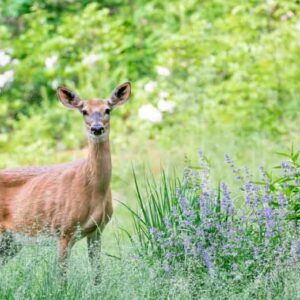
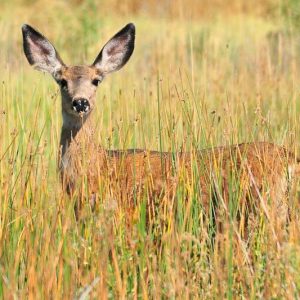
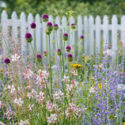
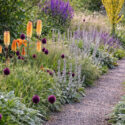
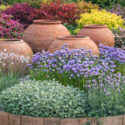
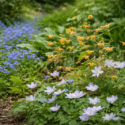
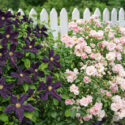
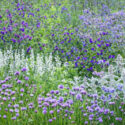
Deer treating your beds like a salad bar? Switch the menu. This guide shows how to choose deer-resistant flowers and plants, layer smart design, and use quick deterrents so color lasts from spring to frost. Build a living perimeter that trains the herd and keeps blooms thriving, not disappearing today.



Nothing is more frustrating than waking up to stems nipped to stubs and buds gone missing overnight. If deer regularly cruise your neighborhood, your garden can feel like a free buffet. The good news is simple: many flowers and plants are naturally unappealing to deer. With the right choices and a few design tricks, you can enjoy gorgeous color without turning your yard into a fortress. Let’s plant smarter and keep the show going.
To deer, most gardens look like high-effort nutrition with low risk. Beds are irrigated, soil is improved, and new growth is tender and easy to reach. When wild forage is scarce in early spring, deer head straight for the softest shoots, buds, and leaves. In summer drought, irrigated borders stay greener than the woods. Come fall, deer increase intake to bulk up for winter and browse more aggressively.
Tender annuals, lush perennials, and soft-leaved favorites are prime targets. Their foliage is moisture-rich, and their buds are concentrated little nutrient bombs.
So why do some plants sail through a season with minimal damage? Unlike soft annuals or mild greens, many flowers and plants have built-in defenses that deer learn to avoid. Some are intensely aromatic, others are bitter or mildly toxic, and many feel prickly, hairy, or leathery in the mouth. A single sniff or test bite often teaches a lasting lesson. Remember: deer-resistant does not mean deer-proof, but it does mean far fewer repeat snacks.
Deer evaluate plants by scent, taste, and texture. If something smells strong, tastes bad, or feels uncomfortable to chew, they tend to move on. Plants that check two or more of the traits below are usually skipped in favor of easier forage.
Reality check: deer-resistant ≠ deer-proof. Starving deer will sample almost anything, but resistance traits keep damage low and learning fast. Use this to your advantage by placing strongly resistant plants at access points and around your prized plants.
When browsing is predictable, the most elegant solution is a planting plan that does the policing for you. Deer-resistant flowers and plants deliver beauty and resilience with less intervention.
Start with a sturdy backbone, then weave in color. The right matrix makes your garden feel like work to deer and simple joy to you. For category browsing and filters by zone, sunlight, and color, see Deer Tolerance.
| Plant Type | Annuals, Bulbs, Herbs, Ornamental Grasses, Perennials, Shrubs |
|---|---|
| Tolerances | Deer |
| Toxic to Humans | No known toxicity |
| Toxic to Cats | No known toxicity |
| Toxic to Dogs | No known toxicity |
| Toxic to Horses | No known toxicity |
Deer are cautious generalists. They follow routine paths, sniff before chewing, and remember where easy food lives. They prefer open sightlines and predictable plantings where they can browse quickly and retreat just as fast.
Here is how plants and layout disrupt those habits:
Think like a designer and a behaviorist at the same time. You are building a bed that delights the eye and complicates the snack run. Check our deer-resistant Garden Design Ideas
Browsing pressure rises and falls with weather, available forage, and herd size. Plan for each seasonal pattern and you will see damage drop.
Early Spring: After winter scarcity, deer target fresh shoots. Load the front of beds with strongly scented or texturally rough plants. Protect vulnerable new growth until it toughens.
Summer: During drought, irrigated gardens become a magnet. Aromatic and leathery foliage earns its keep. Rotate repellents when you see tracks and droppings.
Fall: Intake spikes before winter. Fresh regrowth and late blooms draw attention. Keep edges dense and confusing with grasses and sturdy perennials.
Pressures vary by setting. Suburban herds can be bold around people. Rural deer may prefer wild forage until a hard season hits. Adjust tactics to what you observe locally. For pest behavior and control basics, see Deer 101: Behavior, Damage, and Control.
Smart layout protects plants and makes your beds look intentional. Use structure and repetition so your garden reads as composed artistry, not a barricade.
Callout – Layering strategy:
More design tips:
Want category deep dives and example plants to slot into each layer? Explore these Gardenia collections: Annuals Deer Usually Skip, Perennials Deer Usually Skip, Shrubs Deer Usually Skip, Ornamental Grasses Deer Usually Skip.
Even with strong plant choices, early protection matters, especially in year one. Combine cultural tactics with light-touch barriers to lock in success.
Think of the first season as training the herd and establishing your living perimeter. After that, maintenance gets easier.
No plant is completely safe in a crisis. When winter lingers, drought bites, or population spikes, deer get less selective. You might notice experimental bites on plants that were ignored for years. That does not mean your strategy stopped working. It means conditions changed.
Here is the good news: most robust deer-resistant plants are so pungent, prickly, or bitter that deer rarely come back for seconds. Your goal is not zero damage. Your goal is minor damage, fast recovery, and long-lasting beauty. Build redundancy into the design and you win most nights.
Use these combination principles to integrate your favorite plants without advertising them as a buffet.
Not every garden is a show garden. These simple layouts scale up or down and keep deer second-guessing.
A narrow bed along a path or driveway is a classic browsing lane. Flip the script by making it the most aromatic strip on the property. Plant fragrant gatekeepers in a repeating pattern at 18 to 24 inch intervals, tuck in low grasses for movement, and add one or two sculptural accents near the door. Result: a beautiful welcome that doubles as your best deterrent zone.
In a larger bed, think in modules. Create a 3 foot by 3 foot repeating unit that includes one vertical accent, two midsize mounds, and a low edging plant. Repeat with color variations to create flow while maintaining deterrence. Hide any vulnerable favorites right behind each module so they are visually present but physically protected.
Deer avoid spaces that feel human. Wrap your patio with a low hedge of highly resistant plants and grasses. The human scent zone plus dense texture discourages drive-by nibbling. You enjoy fragrance and movement where you relax most.
Get the first year right and you will be rewarded for years. A few small choices significantly reduce risk.
Even the smartest plan can face a bold or hungry herd. Here is how to respond quickly without redesigning everything.
Respond fast and the pattern breaks. Most herds are opportunistic. Make your border the hard option and you get edited off the route.
Consistency matters. Use this simple rhythm to keep defenses fresh and the display prime.
| Season | Focus Actions |
|---|---|
| Early Spring | Refresh mulch, apply initial repellent on access edges, and cage new shoots for 3 to 4 weeks if pressure is high. Shear aromatic plants to promote strongly scented new growth. |
| Late Spring to Summer | Deadhead, shear, and feed lightly as needed. Rotate repellents every 2 to 3 weeks during drought or when you notice tracks and droppings. |
| Late Summer to Fall | Divide crowded clumps to maintain density, add grasses for movement, and keep edges full. Consider a final repellent rotation as deer intake ramps up. |
| Winter | Leave standing stems and grasses where appropriate. They provide wildlife habitat and visual texture, and they make nocturnal nibbling awkward. |
Good garden management is observable. Track a few simple markers so you can celebrate progress and tighten weak spots.
Now that you understand how deer decide what to eat and how to design against their habits, you are ready to choose with confidence. From aromatic herbs and fuzzy-leaved perennials to structural shrubs and grasses, there are dozens of options that look incredible and stand their ground.
You already have the curated list in your database, so plug those plants into these strategies and watch the pressure drop while the beauty rises.
Want more deer-smart inspiration?
Deer choose by scent, taste, and texture. Tender, mild, high-moisture foliage is attractive. Strongly scented, bitter, fuzzy, prickly, or leathery plants are usually skipped because they taste or feel unpleasant.
None are 100 percent deer-proof, but many are reliably avoided. Aromatic herbs, prickly or fuzzy foliage, and plants with bitter compounds are about as close as it gets.
Hide them inside a matrix of strongly scented or prickly companions, place them closer to the house, use temporary cages in spring, and rotate repellents for a few weeks while they establish.
Usually, yes. Strong perfumes from aromatic foliage overwhelm sensitive noses. Keep fragrance high by lightly shearing after bloom to encourage fresh, scented growth.
Pressure changes with weather, forage, and herd size. Drought, long winters, or population spikes make deer less selective, so they sample plants they usually ignore.
Yes. Deer often take the most accessible parts first. Losing foliage weakens plants, so protect new growth early with mesh and strategic companion planting.
Absolutely. A defensive perimeter of aromatic or prickly plants around vulnerable flowers reduces browsing. Deer read complex texture and fragrance as high effort.
Begin with proven deer-resistant categories, repeat them in generous drifts, and mix in ornamental grasses. Add temporary cages and rotate repellents for the first month, then reduce as plants bulk up.
Gertjan Hooijer/Shutterstock
| Plant Type | Annuals, Bulbs, Herbs, Ornamental Grasses, Perennials, Shrubs |
|---|---|
| Tolerances | Deer |
| Toxic to Humans | No known toxicity |
| Toxic to Cats | No known toxicity |
| Toxic to Dogs | No known toxicity |
| Toxic to Horses | No known toxicity |
Create a membership account to save your garden designs and to view them on any device.
Becoming a contributing member of Gardenia is easy and can be done in just a few minutes. If you provide us with your name, email address and the payment of a modest $25 annual membership fee, you will become a full member, enabling you to design and save up to 25 of your garden design ideas.
Join now and start creating your dream garden!
Create a membership account to save your garden designs and to view them on any device.
Becoming a contributing member of Gardenia is easy and can be done in just a few minutes. If you provide us with your name, email address and the payment of a modest $25 annual membership fee, you will become a full member, enabling you to design and save up to 25 of your garden design ideas.
Join now and start creating your dream garden!