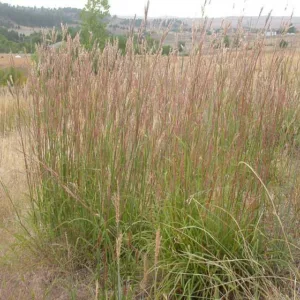
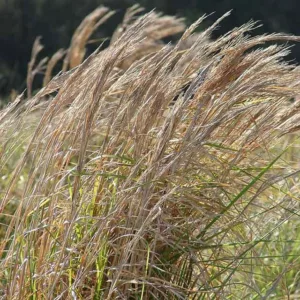
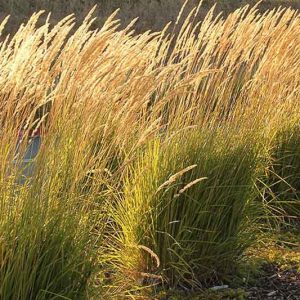
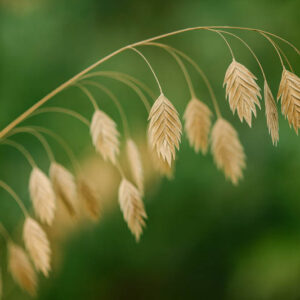
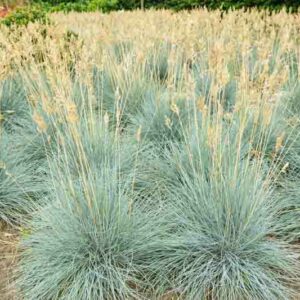
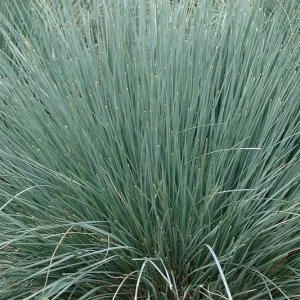
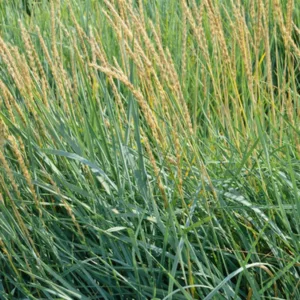
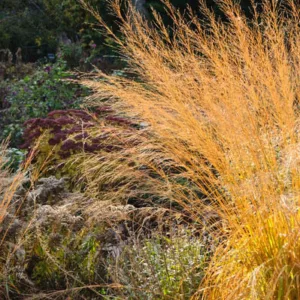
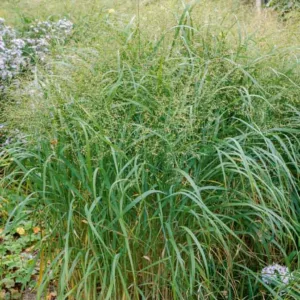
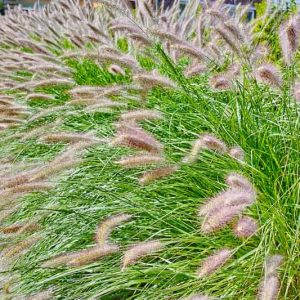
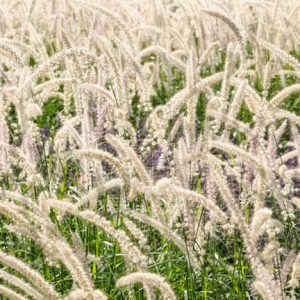
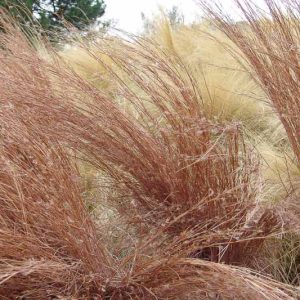
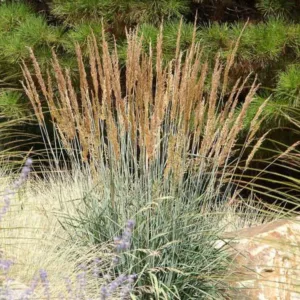
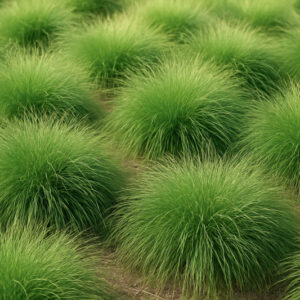
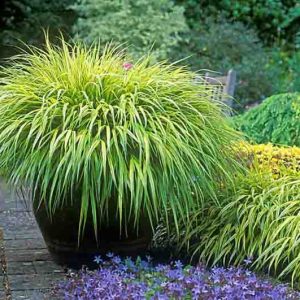
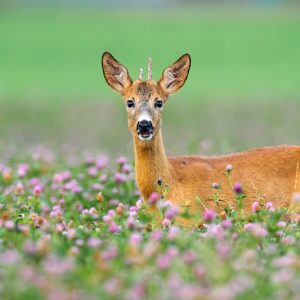
Deer love to nibble soft perennials and annuals, but they usually skip ornamental grasses. Why? Their texture, structure, and growth patterns make them unappealing. If you want beauty without constant browsing, these grasses are your secret weapon for effortless, deer-resistant landscaping.


Looking for low-maintenance plants that deer ignore and still make your garden shine? Ornamental grasses are the perfect blend of beauty and toughness. They sway in the breeze, glow in sunlight, and offer year-round interest – while staying off the deer menu. Here are the best choices.
Deer may love lush flowers and tender perennials, but ornamental grasses are a different story. To deer, grasses offer little reward and plenty of deterrents. They’re tough, dry, and often scratchy – hardly the juicy, nutrient-rich foliage deer prefer.
Deer seek moisture, protein, and softness. Most ornamental grasses are the opposite: fibrous, silica-rich, and low in nutrition. Even young shoots are less appealing than the new growth of garden perennials or annuals.
Movement plays a role, too. Tall or wispy grasses sway and rustle in the breeze, creating unpredictable motion and noise – two things deer instinctively avoid.
Unlike flowers that rely on fragrance or toxicity, grasses repel deer through structure, texture, and environment. When these traits combine, grasses become some of the most reliable deer-resistant plants available.
Key deterrent traits include:
And unlike many plants, ornamental grasses don’t need to be fragrant or toxic to be ignored – deer simply don’t find them worth the effort.
Ornamental grasses offer more than deer resistance – they bring unmatched beauty and function to the landscape. They add texture, height, movement, and sound, creating a dynamic garden even when flowers are out of bloom.
Here’s why they’re invaluable in deer-heavy areas:
They’re beautiful, practical, and tough – ideal for gardeners who want style without constant worry.
Deer are cautious by nature. They rely on open sight lines to spot predators and prefer landscapes they can move through easily.
Ornamental grasses disrupt that comfort in several ways:
| Plant Type | Ornamental Grasses |
|---|---|
| Tolerances | Deer |
| Toxic to Humans | No known toxicity |
| Toxic to Cats | No known toxicity |
| Toxic to Dogs | No known toxicity |
| Toxic to Horses | No known toxicity |
During drought, heat, or winter scarcity, deer often start sampling plants they normally ignore. However, ornamental grasses continue to hold up better than most.
Here’s why:
Exception: In early spring, very young shoots of some grasses may be slightly more attractive before they toughen up. Protect new divisions until established.
Strategic placement of grasses can transform your garden from “easy deer buffet” to “better skip this yard.” The key is using grasses as structural defenders and visual shields.
Here’s how to design for beauty and protection:
Callout – Layered defense strategy:
Mix heights, colors, and textures for visual interest. Grasses pair beautifully with deer-resistant perennials, shrubs, and annuals for a four-season, low-care landscape.
Mass plantings are especially effective – both aesthetically and functionally. A single grass is decorative; a drift of grasses is a deterrent.
Even the most resistant garden benefits from layered protection. Ornamental grasses can boost the effectiveness of other deterrent methods by working with them, not just beside them.
Consistency still matters. Refresh plantings, divide grasses every few years, and change garden patterns slightly each season to keep deer uncertain.
Ornamental grasses are among the most reliable deer-resistant plants available – but even they aren’t completely immune in extreme situations.
In severe hunger or overpopulation, deer may take a sample. The good news? They rarely come back for seconds.
The goal isn’t zero damage – it’s minimal, recoverable, and rare damage. Ornamental grasses deliver exactly that.
You now understand why deer typically avoid grasses, how these plants naturally defend themselves, and how to design them into a beautiful, functional landscape. Ornamental grasses offer movement, structure, year-round appeal, and some of the strongest deer resistance in the plant world.
Now, let’s take a look at the top ornamental grasses deer usually skip – so you can build a landscape that’s both stunning and smart.
Ready to build the ultimate deer-resistant garden? Explore these next:
Use a temporary barrier until plants toughen up:
Wire cages
Netting
Cloches
Repellent spray
Young plants are the most vulnerable—protect them first.
Dawn and dusk are peak feeding times. However, in suburban areas, deer may visit at night to avoid people.
Yes. Deer have excellent memory and will return to successful feeding locations—often bringing others. That’s why stopping them early is crucial.
On rare occasions, yes. Starving deer will taste almost anything, but usually only a small nibble. Toxic plants often cause discomfort, so deer learn to avoid them after one try.
A layered approach is best.
Plants deter casually
Scent confuses
Layout delays
Fencing blocks
Using 2–3 methods together is far more effective than relying on one.
Start with free or low-cost strategies:
Choose deer-resistant plants
Place aromatic annuals at edges
Remove attractants (fallen fruit, soft shoots)
Use homemade repellents (eggs, garlic, soap)
Introduce visual/sound disruptions
Only add fencing or devices if needed.
USFWS Mountain-Prairie, Flickr,Wildmedia, Shutterstock
| Plant Type | Ornamental Grasses |
|---|---|
| Tolerances | Deer |
| Toxic to Humans | No known toxicity |
| Toxic to Cats | No known toxicity |
| Toxic to Dogs | No known toxicity |
| Toxic to Horses | No known toxicity |
Create a membership account to save your garden designs and to view them on any device.
Becoming a contributing member of Gardenia is easy and can be done in just a few minutes. If you provide us with your name, email address and the payment of a modest $25 annual membership fee, you will become a full member, enabling you to design and save up to 25 of your garden design ideas.
Join now and start creating your dream garden!
Create a membership account to save your garden designs and to view them on any device.
Becoming a contributing member of Gardenia is easy and can be done in just a few minutes. If you provide us with your name, email address and the payment of a modest $25 annual membership fee, you will become a full member, enabling you to design and save up to 25 of your garden design ideas.
Join now and start creating your dream garden!