Lemon Balm, Balm, Balm Leaf, Balm Oil Plant, Barm Leaf, Bee Balm, Dropsywort, Honey Plant, Pimentary, Sweet Balm, Sweet Mary, Tea Balm
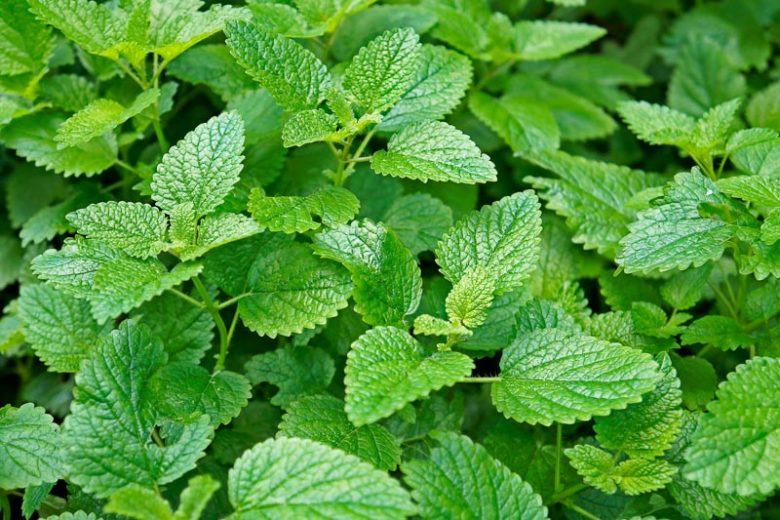


Melissa officinalis, commonly known as Lemon Balm, is a fragrant, bushy perennial herb in the mint family (Lamiaceae), which also includes basil, rosemary, sage, oregano, thyme, and lavender. Crush its soft, crinkled green leaves between your fingers, and you’ll instantly recognize its signature lemon scent—fresh, citrusy, and uplifting.
Native to south-central Europe, the Mediterranean Basin, Iran, and Central Asia, Lemon Balm has become a global favorite in gardens and herbal medicine cabinets alike.
This perennial herb grows 2 to 3 feet (60-90 cm) tall and 18 to 36 inches (45-90 cm) wide, forming lush clumps that spread by seed and underground rhizomes.
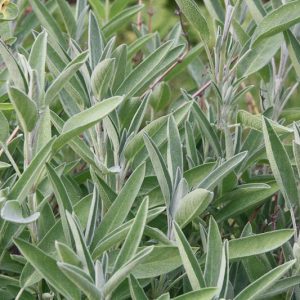
Its deeply veined, ovate leaves appear in opposite pairs along square stems—classic mint family features. The bright green leaves are slightly hairy, wrinkled, and emit a zesty lemon aroma when brushed or crushed.
In summer, small clusters of creamy white or pale yellow flowers bloom at the leaf axils. Though tiny, they’re nectar-rich and beloved by bees, butterflies, and other pollinators. The name “Melissa” even means “honeybee” in Greek, a fitting tribute to the plant’s pollinator appeal.
Lemon Balm is hardy in USDA zones 3 through 7. It tolerates heat, humidity, drought, and light frost and can overwinter successfully in most temperate climates. In colder regions, it may die back in winter but regrows in spring.
Lemon Balm is more than just a fragrant herb — it’s a powerhouse of wellness benefits, offering natural support for the mind, body, and skin.
| Benefit | How It Helps |
|---|---|
| Calms the Nervous System | Promotes relaxation, eases anxiety, and supports restful sleep by boosting GABA levels in the brain. |
| Boosts Brain Function | Enhances memory, focus, and mood; being studied for potential benefits in mild dementia. |
| Digestive Support | Eases bloating, cramps, and indigestion through antispasmodic properties. |
| Cold Sore Relief | Helps heal cold sores and may prevent outbreaks with antiviral action. |
| Natural Antimicrobial | Combats bacteria and viruses, offering natural immune support. |
| Rich in Antioxidants | Protects against oxidative stress, supporting heart, brain, and skin health. |
| Gentle Skin Care | Soothes bug bites, minor wounds, and irritated skin when applied topically. |
Versatile and easy to enjoy, Lemon Balm finds its way into kitchens, medicine cabinets, and gardens alike.
Beyond the kitchen and medicine chest, Lemon Balm is a standout in the garden, offering beauty, fragrance, and ecological benefits.
Lemon Balm is a magnet for pollinators. Bees, butterflies, and other beneficial insects are drawn to its sweet nectar. Its dense clumps also offer low shelter for small creatures in the garden.
Lemon Balm is generally considered non-toxic to humans, cats, dogs, and horses. It’s a safe herb to grow around children and pets. However, large doses may cause mild side effects in sensitive individuals like all herbs.
Thanks to its strong citrus scent, Lemon Balm is typically avoided by deer and rabbits. This makes it a great choice for gardens where browsing animals is problematic.
Heads up: Lemon Balm can be a vigorous grower and self-seeds freely. If left unchecked, it may take over—so consider containers or regular pruning to keep it in line. Remove flower heads before seeds form to limit spread. Find where this species is invasive in the United States.
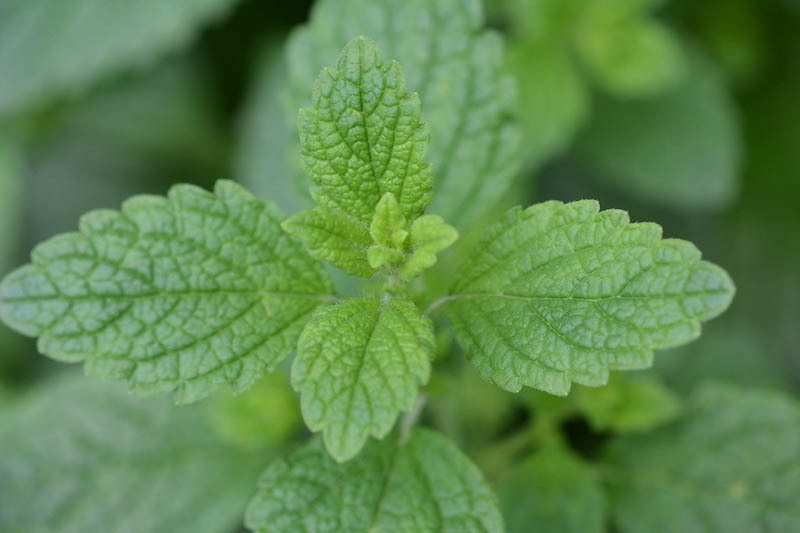
Lemon Balm is easy to grow, beginner-friendly, and rewarding. With a little sunlight, good soil, and occasional care, this refreshing herb will thrive in gardens, containers, and even windowsills. It’s a fast grower, low maintenance, and tolerant of a bit of neglect—just the way we like it.
For the best flavor and potency, harvest Lemon Balm just before it blooms—this is when the leaves are packed with essential oils.
When to Harvest: Snip leaves or whole stems when the plant is at least 6-8 inches (15–20 cm) tall. The ideal time is mid-morning, after the dew dries but before the sun gets too strong.
How to Harvest: Use clean, sharp scissors or pruners to cut stems, leaving at least one-third of the plant intact so it can regrow fast. Pinch off flower buds if you want to extend leaf production.
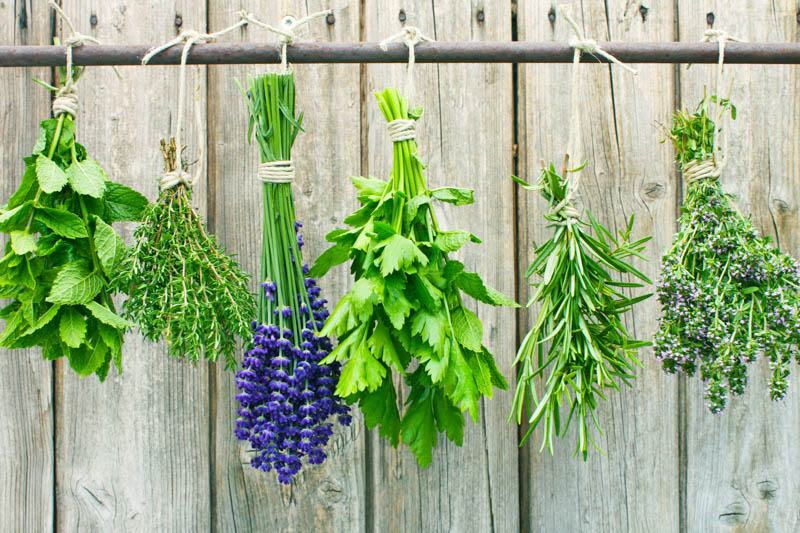
Drying: Bundle 4–6 stems together and hang them upside down in a dark, dry, and breezy spot. Once crispy, strip the leaves and store them in airtight containers away from sunlight and heat.
Freezing: Chop fresh leaves and freeze them in ice cube trays with water or olive oil. Great for tossing into soups, teas, or sautés.
Tip: Fresh leaves wilt fast and lose flavor quickly—so if you’re not using them right away, dry or freeze them to keep their lemony goodness around longer.
Start harvesting once the plant is well-established—usually a month or so after planting.
Keep snipping throughout the season. Frequent harvesting encourages bushy growth and stops the plant from going to seed too soon.
Cut back hard in midsummer for a big flush of new growth—perfect for a second round of harvests.
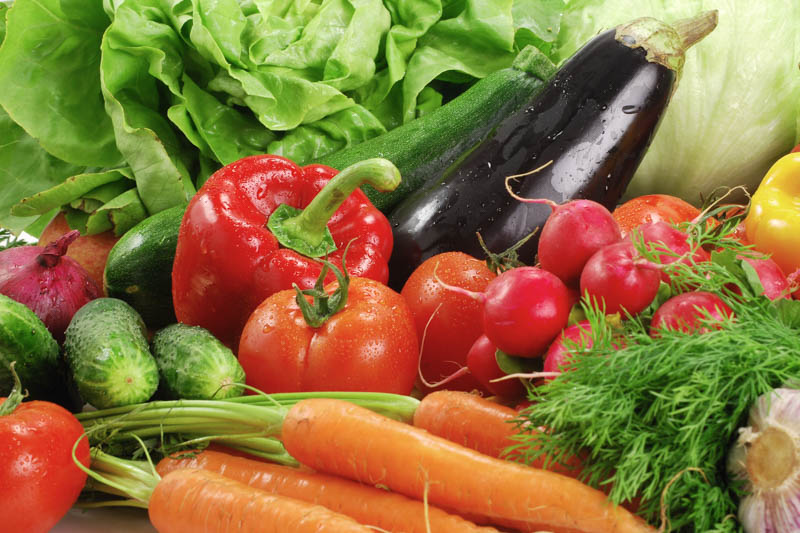
Lemon Balm makes a great companion plant in various garden settings. It helps attract pollinators, repel certain pests, and even enhance the flavor of nearby crops. Here are some plants that thrive alongside it:
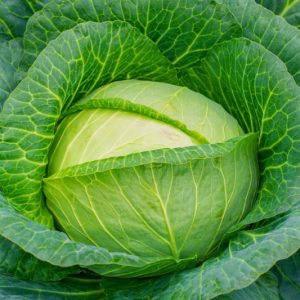
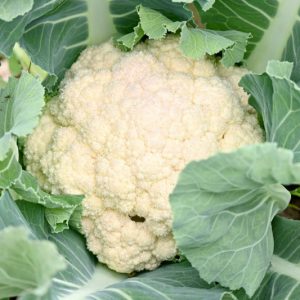
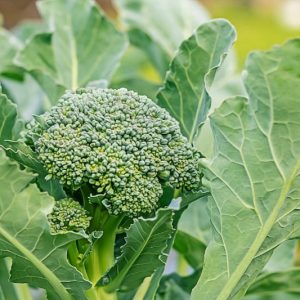
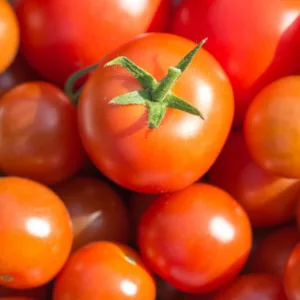
Vegetables: Lemon balm is said to enhance the flavor and vigor of many vegetables when grown nearby, especially brassicas like broccoli, cauliflower, kale, Brussels sprouts, and cabbage. It also grows well with tomatoes, summer squash, and winter squash. Discover 20 Best Flowers for a Thriving Vegetable Garden.
Herbs: It pairs beautifully with other Mediterranean and aromatic herbs like basil, lavender, mint, sage, and rosemary.
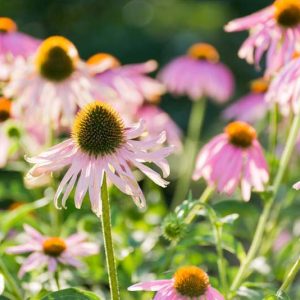
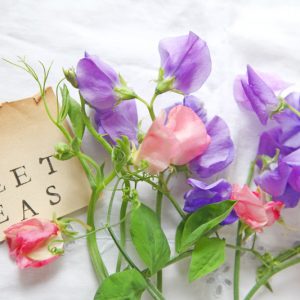
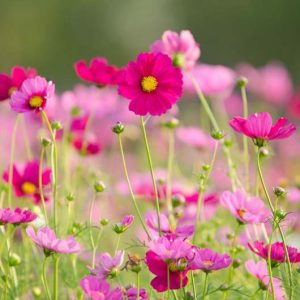
Flowers: Lemon balm supports pollinator-friendly blooms while also acting as a mild pest repellent. Companion flowers include cosmos, poppies, rudbeckia, echinacea, sweet peas, bee balm, chamomile, and borage.
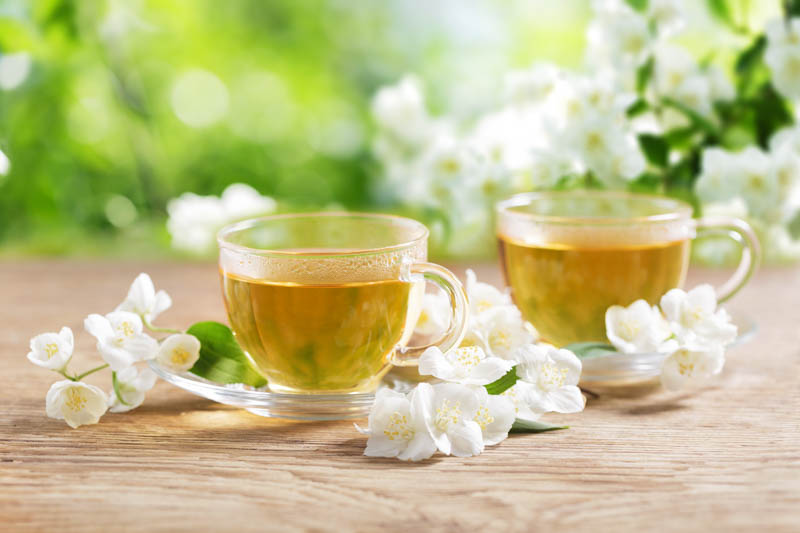
Lemon Balm tea is soothing, lemony, naturally caffeine-free, and easy to prepare. Perfect for a calming moment any time of day!
| Step | Ingredients/Instructions | Tip |
|---|---|---|
| What You Need | 1–2 teaspoons fresh Lemon Balm leaves (or 1 teaspoon dried), 1 cup hot water (just off the boil) | Fresh leaves provide a brighter, more aromatic flavor. |
| Step 1 | Gently crush the leaves to release essential oils. | Use your fingers or a mortar and pestle. |
| Step 2 | Place leaves in a teapot or mug and pour over hot water. | Use water just off the boil (around 200°F / 93°C). |
| Step 3 | Cover and steep for 5–10 minutes. | Longer steeping = stronger lemony flavor. |
| Step 4 | Strain and enjoy. | Optional: Add honey or lemon to taste. |
This tea is calming before bed, soothing for digestion, and a gentle pick-me-up during the day.
Lemon balm supports relaxation, eases stress and anxiety, and helps improve sleep. It may also relieve digestive discomfort and cold sores, while offering mild cognitive and heart health benefits thanks to its antioxidant and antiviral compounds.
Use lemon balm as a tea, tincture, or essential oil to ease anxiety and calm the mind. It pairs well with valerian, chamomile, or hops for enhanced relaxation, and works best when taken regularly during stressful periods.
Yes, lemon balm promotes better sleep by reducing restlessness and calming the nervous system. When combined with herbs like valerian or chamomile, it can improve sleep quality and make it easier to fall asleep naturally.
Lemon balm is safe for most people when used moderately. Avoid during pregnancy or breastfeeding. It may interact with sedatives and thyroid medications, so consult a healthcare provider if you’re on prescription drugs.
Grow lemon balm in well-drained soil and a sunny or partly shaded spot. Water regularly, especially in dry weather. Prune often to prevent flowering, keep it compact, and extend the harvest season throughout summer.
Yes, lemon balm can be applied as a cream or ointment to treat cold sores, bug bites, and minor skin irritations. It helps reduce inflammation, speeds healing, and soothes irritated skin.
Side effects may include dizziness, nausea, and drowsiness. Rarely, it may increase eye pressure, so people with glaucoma should avoid it. Always start with small doses.
| Hardiness |
3 - 7 |
|---|---|
| Climate Zones | 1, 1A, 1B, 2, 2A, 2B, 3, 3A, 3B, 4, 5, 6, 7, 8, 9, 10, 11, 12, 13, 14, 15, 16, 17, 18, 19, 20, 21, 22, 23, 24 |
| Plant Type | Herbs, Perennials |
| Plant Family | Lamiaceae |
| Common names | Balm, Lemon Balm |
| Exposure | Full Sun, Partial Sun |
| Season of Interest | Summer (Early, Mid, Late) |
| Height | 2' - 3' (60cm - 90cm) |
| Spread | 1' - 3' (30cm - 90cm) |
| Spacing | 12" - 36" (30cm - 90cm) |
| Maintenance | Low |
| Water Needs | Low, Average |
| Soil Type | Chalk, Clay, Loam, Sand |
| Soil pH | Acid, Alkaline, Neutral |
| Soil Drainage | Well-Drained |
| Characteristics | Fragrant, Showy |
| Tolerances | Deer, Heat, Poor Soil, Humidity |
| Attracts | Bees |
| Garden Uses | Beds And Borders, Ground Covers, Patio And Containers |
| Garden Styles | Informal and Cottage |
| Toxic to Humans | No known toxicity |
| Toxic to Cats | Not toxic |
| Toxic to Dogs | Not toxic |
| Toxic to Horses | Not toxic |


| Hardiness |
3 - 7 |
|---|---|
| Climate Zones | 1, 1A, 1B, 2, 2A, 2B, 3, 3A, 3B, 4, 5, 6, 7, 8, 9, 10, 11, 12, 13, 14, 15, 16, 17, 18, 19, 20, 21, 22, 23, 24 |
| Plant Type | Herbs, Perennials |
| Plant Family | Lamiaceae |
| Common names | Balm, Lemon Balm |
| Exposure | Full Sun, Partial Sun |
| Season of Interest | Summer (Early, Mid, Late) |
| Height | 2' - 3' (60cm - 90cm) |
| Spread | 1' - 3' (30cm - 90cm) |
| Spacing | 12" - 36" (30cm - 90cm) |
| Maintenance | Low |
| Water Needs | Low, Average |
| Soil Type | Chalk, Clay, Loam, Sand |
| Soil pH | Acid, Alkaline, Neutral |
| Soil Drainage | Well-Drained |
| Characteristics | Fragrant, Showy |
| Tolerances | Deer, Heat, Poor Soil, Humidity |
| Attracts | Bees |
| Garden Uses | Beds And Borders, Ground Covers, Patio And Containers |
| Garden Styles | Informal and Cottage |
| Toxic to Humans | No known toxicity |
| Toxic to Cats | Not toxic |
| Toxic to Dogs | Not toxic |
| Toxic to Horses | Not toxic |
How many Melissa officinalis (Lemon Balm) do I need for my garden?
| Plant | Quantity | |
|---|---|---|
| Melissa officinalis (Lemon Balm) | N/A | Buy Plants |
Create a membership account to save your garden designs and to view them on any device.
Becoming a contributing member of Gardenia is easy and can be done in just a few minutes. If you provide us with your name, email address and the payment of a modest $25 annual membership fee, you will become a full member, enabling you to design and save up to 25 of your garden design ideas.
Join now and start creating your dream garden!
Create a membership account to save your garden designs and to view them on any device.
Becoming a contributing member of Gardenia is easy and can be done in just a few minutes. If you provide us with your name, email address and the payment of a modest $25 annual membership fee, you will become a full member, enabling you to design and save up to 25 of your garden design ideas.
Join now and start creating your dream garden!