Deer love tender growth, but they usually skip the tough, aromatic, or prickly shrubs on this list. Build a beautiful, low-care framework that protects your beds, screens views, and adds four-season appeal. With smart choices and simple design tricks, you can enjoy color and structure - without constant browsing.
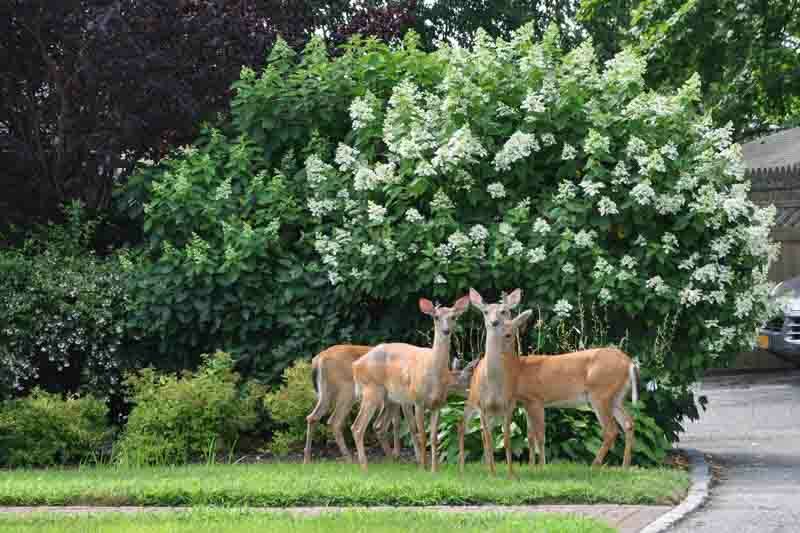


When deer discover your yard, it can feel like you’re gardening for them. One evening stroll and – poof – buds nipped, stems stripped, hopes dashed. Deer may be lovely at a distance, but up close they’re relentless browsers. The good news? Choose the right shrubs and you can build a landscape that’s beautiful and far less appetizing.
Once you understand what attracts deer and what deters them, you can design a framework of deer-resistant shrubs that protects your garden year-round – and looks great doing it.
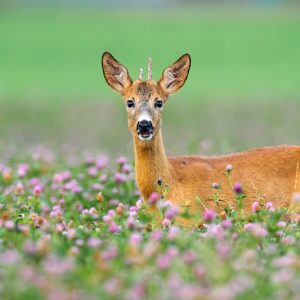
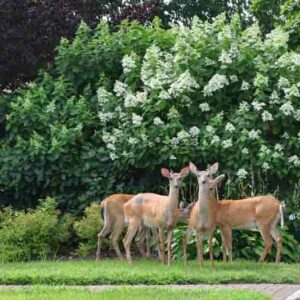
To a hungry deer, gardens offer the softest, freshest growth – especially in spring when wild forage is limited. Tender shoots, flower buds, and fertilized new growth are irresistible. Add wide sight lines and easy escape routes, and your beds become a safe, all-you-can-eat bar.
Here’s where shrubs shine: mature, twiggy, or leathery growth isn’t nearly as tempting as soft annuals or herbaceous perennials. Many shrubs carry natural defenses – from aromatic oils to spines – and provide structure that discourages casual nibbling.
Deer don’t read plant tags – but their noses and mouths are excellent critics. They learn quickly to avoid plants that feel rough, taste bitter, or smell intense. Reliable deer-resistant plants often share these traits:
Remember: deer-resistant ≠ deer-proof. Extreme hunger can push deer to sample anything once – but they rarely return to a shrub that tastes or feels unpleasant.
Shrubs are the backbone of a resilient garden. They deliver structure, privacy, and four-season interest – and they’re your best long-term defense against browsing.
| Plant Type | Shrubs |
|---|---|
| Tolerances | Deer |
| Toxic to Humans | No known toxicity |
| Toxic to Cats | No known toxicity |
| Toxic to Dogs | No known toxicity |
| Toxic to Horses | No known toxicity |
Deer are cautious, routine-driven browsers. They follow familiar trails, prefer open views, and sample “safe” plants first. If your landscape offers wide, straight approaches, it’s easier for deer to pop in, graze, and bolt.
Shrubs change that calculus. Dense or spiny shrubs create friction. Aromatic evergreens send a “keep moving” signal. And varied heights interrupt those easy sight lines.
Callout – Watch for rut damage:
Browsing pressure rises during drought, deep cold, or population spikes. Urban/suburban deer – comfortable around people -may test more plants. Even then, shrubs with strong defenses usually hold up better than flowers or herbaceous perennials.
Protect new plantings: fresh, tender growth is more vulnerable. Once shrubs harden off, browsing typically drops.
Think in layers. Use shrubs to shape movement, block views, and shelter vulnerable plants.
Callout – A simple layering recipe:
Curve paths, stagger plantings, and avoid straight “runways.” Mix shrubs with deer-resistant perennials, annuals, and ornamental grasses to create a layered, confusing border that deer are less likely to enter.
Even with a strong shrub palette, smart maintenance keeps pressure low.
Consistency is key. Tweak something each season so your garden never becomes a “known quantity.”
No shrub is invincible. In a tough year, deer may sample anything once. But with the right traits – and a layered design – the odds swing heavily in your favor.
Your goal is minimal, recoverable, and rare damage. A smart shrub framework delivers exactly that.
You now have the strategy to build structure, block easy approaches, and lower browse pressure. Next up: the shrubs that consistently perform in deer country – so you can plant with confidence and enjoy your garden again.
Ready to build the ultimate deer-resistant garden? Explore these next:
Deer feeding changes based on weather, population, and food availability. In mild years with plenty of natural forage, they’re pickier. In drought, harsh winters, or overpopulation, they’ll eat plants they usually ignore.
Sometimes. Deer rely more on taste and texture than color, but silver, blue, or variegated foliage often indicates tougher, drier, or more bitter leaves – traits deer generally dislike. So while color alone doesn’t deter them, it often signals plants that do.
Often, yes. Evergreen foliage is usually tougher, waxier, or more aromatic. However, some evergreens (like arborvitae/yew) are deer candy. So resistance depends on the shrub’s traits, not just whether it’s evergreen.
Yes. Deer target the most nutritious or tender parts first, which often means buds, blooms, or new shoots. They may ignore the leaves but still ruin flowering.
Yes! Fresh new growth is like salad to deer. After pruning, shrubs push out tender, juicy shoots – prime browsing material. Protect shrubs after pruning until new growth toughens up.
Usually. Young shrubs have softer stems and leaves and no developed defenses. Mature shrubs often have thicker bark, tougher foliage, or dense branching that makes browsing difficult.
Not if you choose deer-resistant varieties. In fact, resistant shrubs can create a protective barrier. Planting deer favorites (like hostas or roses) will attract more deer, but tough shrubs usually do the opposite.
| Plant Type | Shrubs |
|---|---|
| Tolerances | Deer |
| Toxic to Humans | No known toxicity |
| Toxic to Cats | No known toxicity |
| Toxic to Dogs | No known toxicity |
| Toxic to Horses | No known toxicity |
Create a membership account to save your garden designs and to view them on any device.
Becoming a contributing member of Gardenia is easy and can be done in just a few minutes. If you provide us with your name, email address and the payment of a modest $25 annual membership fee, you will become a full member, enabling you to design and save up to 25 of your garden design ideas.
Join now and start creating your dream garden!
Create a membership account to save your garden designs and to view them on any device.
Becoming a contributing member of Gardenia is easy and can be done in just a few minutes. If you provide us with your name, email address and the payment of a modest $25 annual membership fee, you will become a full member, enabling you to design and save up to 25 of your garden design ideas.
Join now and start creating your dream garden!