Some flowers deer simply don’t like - and the reasons are fascinating. From bold fragrance to fuzzy leaves, these annuals use nature’s own defenses to stay off the menu. Learn how to choose, combine, and design with them to enjoy color all season long - without constant replanting or frustration.
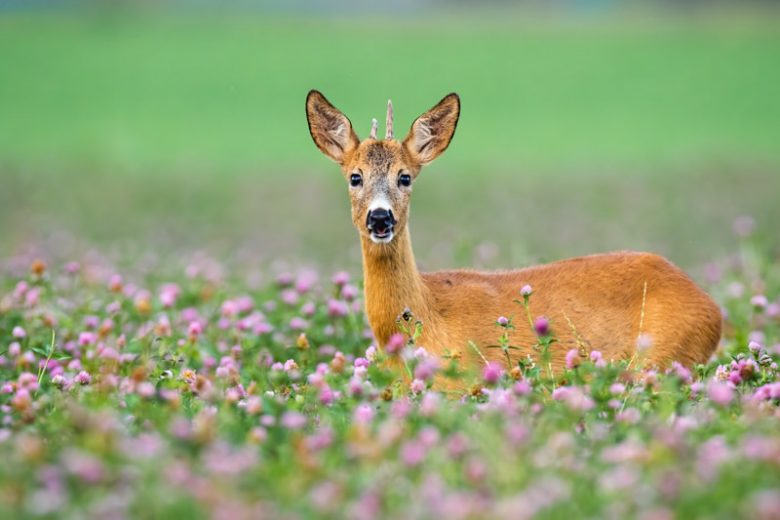


Few things frustrate a gardener more than waking up to a row of neatly cropped stems where colorful blooms once danced. Deer can be charming to watch from afar – but when they wander into your garden, their curiosity (and appetite) often leads to disappointment.
Fortunately, once you understand what attracts deer and what deters them, you can design beds that both delight you and discourage browsing – especially with the right annual flowers.
To deer, your garden is a five-star buffet. They’re opportunistic feeders, seeking out the most tender, moisture-rich growth they can find.
Tender new shoots, freshly planted annuals, and fertilized foliage are high-value targets. Sweet scents and lush greenery signal “safe, juicy, and easy.”
Layout plays a role, too. Wide, open sight lines and straight plantings feel safe for cautious grazers. If paths are broad and edges are soft, deer can browse and bolt quickly – exactly the scenario they prefer.
Deer don’t read plant labels, but their instincts tell them what to avoid. They’re suspicious of plants that are hard to chew, confusing to smell, or unpleasant to taste.
Reliable deer-resistant plants often share deterrent traits: fuzzy or prickly foliage, strong aromatic oils, leathery leaves, or mild toxicity/bitterness. They’re not deer-proof, but they tip the odds in your favor.
Annuals with resinous foliage or bold fragrance can form a living barrier. Plant them where deer first test your beds and use their scent and texture to protect tastier companions behind them.
Annuals are your color specialists: fast to grow, generous with bloom, and brilliantly adaptable.
Because you replant them each season, you can test combinations, tweak layouts, and respond to local deer behavior without committing to a long-term landscape change.
Think of deer-resistant annuals as a frontline defense – combining texture, fragrance, and quick coverage to confuse browsers and protect the plants you love most.
| Plant Type | Annuals |
|---|---|
| Tolerances | Deer |
| Toxic to Humans | No known toxicity |
| Toxic to Cats | No known toxicity |
| Toxic to Dogs | No known toxicity |
| Toxic to Horses | No known toxicity |
Deer are creatures of habit. Once they find a reliable food source, they’ll revisit along the same trails – sometimes with extra company.
Break the pattern. Vary what you plant, refresh scents through the season, and shift bed edges so the garden never feels predictable or “safe.”
Callout – Learned tastes:
Browsing pressure isn’t static. Drought, hard winters, and population spikes push deer to sample plants they’d normally ignore.
Urban and suburban deer, used to people and lights, may be bolder. That’s when combining plant resistance with smart design and physical deterrents becomes essential.
When food is scarce, layer variety: mix textures, fragrances, and mild bitterness across the bed so no single plant becomes the obvious target.
Smart design turns “pretty” into “pretty effective.” Use deer-resistant annuals at entry points and along bed edges to create a scented perimeter that’s confusing to browse.
Plant in generous drifts for impact. The more stems and fragrance you mass at the boundary, the stronger the deterrent effect.
Callout – A simple layering recipe:
Mix heights and bloom times so there’s never a gap of fresh, unprotected growth. For design inspiration, explore deer-resistant garden ideas and browse the Ultimate Guide to Deer-Resistant Plants: Strategies, Lists & Zone Picks for deeper strategy and regional picks.
Even with a great palette, maintenance and gentle deterrence stack the deck in your favor.
Consistency is key. Tweak something each season so the garden never becomes a “known quantity.”
No plant is completely safe when deer are truly hungry. In lean periods, even fuzzy, bitter, or aromatic annuals may get a test nibble.
The goal isn’t perfection – it’s balance. With smart choices and small adjustments, you’ll enjoy lush, colorful annuals that usually get skipped, and recover quickly if nibbled.
Now that you understand what attracts deer, what deters them, and how to design a garden they’ll pass by, you’re ready to explore the best deer-resistant annual flowers. Each selection delivers color, texture, and resilience – ideal for a lively border that stands up to curious wildlife.
Ready to build the ultimate deer-resistant garden? Explore these next:
Unfortunately, no plant is 100% deer-proof. When food is scarce, deer may try almost anything. However, deer rarely eat plants with strong fragrance (lavender), fuzzy foliage (lamb’s ear), prickly texture (barberry), or toxicity (foxglove, euphorbia). These are your best bets.
No. “Deer-proof” is a myth. The correct term is deer-resistant – plants deer usually avoid. Stress, drought, and hunger can make deer sample even resistant plants, though usually only once if the taste is unpleasant.
“Deer-resistant” doesn’t mean “never eaten.” It means less preferred. If deer are hungry, young, curious, or overpopulated, they’ll test a wider range of plants – including resistant ones – especially in spring and late summer.
Yes. Deer love soft, tender, high-moisture plants, especially hostas, daylilies, pansies, tulips, roses, and new shoots. They avoid strongly scented, prickly, or bitter foliage.
Use a layered strategy:
1) Plant deer-resistant varieties on the edges
2) Use scent repellents and rotate them
3) Add motion-activated sprinklers or noise
4) Create obstacles or raised beds
5) Remove fallen fruit and temptations
No single method works forever – variation is key.
Deer dislike strong, unfamiliar, or predator-like scents. Top deterrents include:
Mint, rosemary, thyme
Garlic, onion
Lavender
Sage
Fish or egg-based repellents
Predator urine
Rotate scents so deer don’t adapt.
Often yes. Annuals are tender and nutrient-rich, making them appealing. That’s why choosing deer-resistant annuals with scent or texture is so important.
Early spring and late summer/fall.
Spring: limited natural food, new growth in gardens
Late summer/fall: drought stress, prepping for winter
Winter damage also occurs when food is scarce.
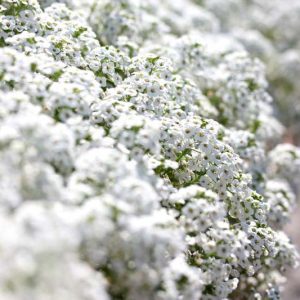
Yes! This is called companion planting. Strongly scented or textured annuals (like marigolds, alyssum, lavender, dusty miller) at the front of beds can help protect tender plants behind them.
Wildmedia, Shutterstock
| Plant Type | Annuals |
|---|---|
| Tolerances | Deer |
| Toxic to Humans | No known toxicity |
| Toxic to Cats | No known toxicity |
| Toxic to Dogs | No known toxicity |
| Toxic to Horses | No known toxicity |
Create a membership account to save your garden designs and to view them on any device.
Becoming a contributing member of Gardenia is easy and can be done in just a few minutes. If you provide us with your name, email address and the payment of a modest $25 annual membership fee, you will become a full member, enabling you to design and save up to 25 of your garden design ideas.
Join now and start creating your dream garden!
Create a membership account to save your garden designs and to view them on any device.
Becoming a contributing member of Gardenia is easy and can be done in just a few minutes. If you provide us with your name, email address and the payment of a modest $25 annual membership fee, you will become a full member, enabling you to design and save up to 25 of your garden design ideas.
Join now and start creating your dream garden!