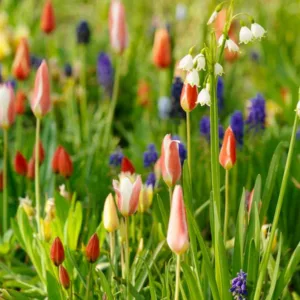
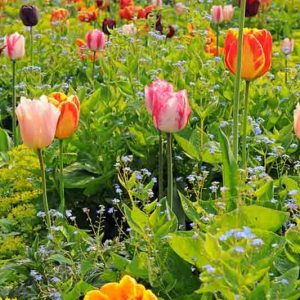
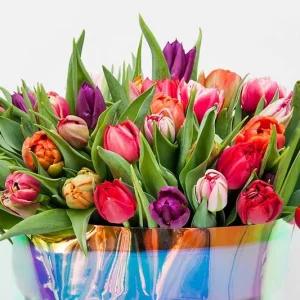
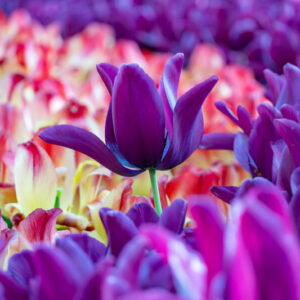
Tulip flowers bring vibrant color and beauty to your spring garden
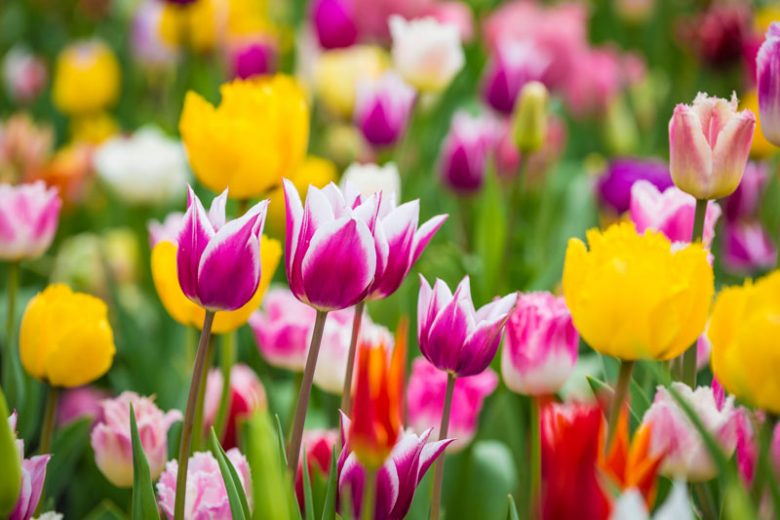


Summary: With over 3,000 registered varieties across 15 groups, tulips (Tulipa) are iconic spring-flowering bulbs. Native to Central Asia and popularized in the Ottoman Empire and Netherlands, they offer colors from bold primaries to soft pastels. Hardy in USDA 3–8, they thrive in full sun and well-drained soils. Though technically perennial, many hybrids are grown as annuals.
Why it matters: Tulips are unmatched for spring displays in borders, containers, and cut-flower gardens—yet require thoughtful variety selection and care for repeat blooms.
| Botanical Name | Tulipa spp. |
|---|---|
| Family | Liliaceae (Lily family) |
| Native Range | Mountains of Central Asia; first cultivated in Turkey |
| Height & Spread | 6 in.–3 ft. (15–90 cm) tall; ~4 in. (10 cm) spread |
| Bloom Time | Spring (early, mid, late depending on type) |
| Hardiness | USDA 3–8; require cold dormancy |
| Soil & Drainage | Well-drained loam, sand, or chalk; neutral–slightly acidic pH |
| Toxicity | Toxic to cats & dogs (tulipalin A & B, especially in bulbs) |
A symbol of spring, Tulips are the most popular bulbs, and most gardeners reserve them a spot in the garden or containers. There are currently over 3,000 registered varieties, divided into fifteen tulip types, mostly based on the flower type, size, and blooming period.
Native: Tulips are native to Central Asia, where they grew in the wild and were first cultivated in Turkey in the Ottoman Empire. From there, they were introduced to the Netherlands in the 17th century, where they became highly popular during Tulip Mania and have since become synonymous with the country.
Description and Growth Habit: Tulips are perennial plants grown from bulbs. They have a distinct upright growth habit, with typically one large flower per stem, although some varieties have multiple smaller flowers.
Size: Depending on the variety, they can grow anywhere from 4 inches (10 cm) to 28 inches (71 cm) in height.
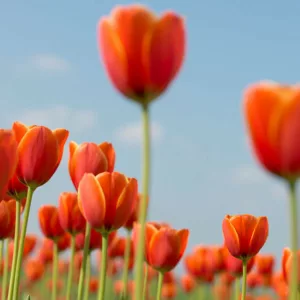
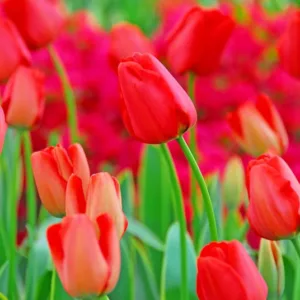
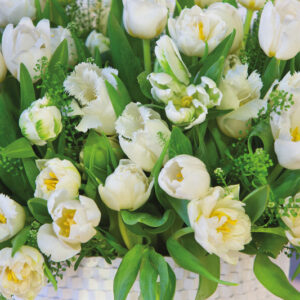
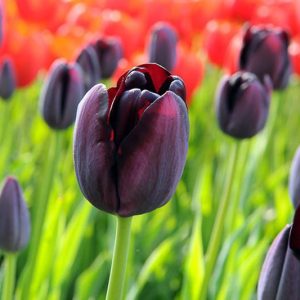
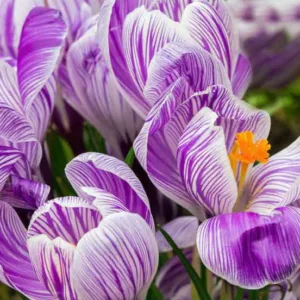
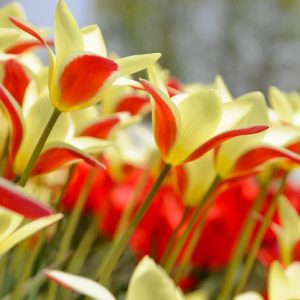
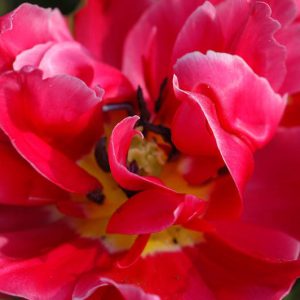
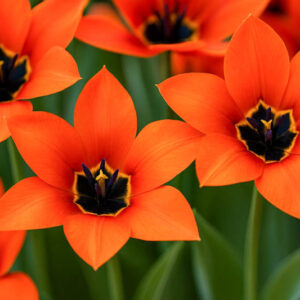
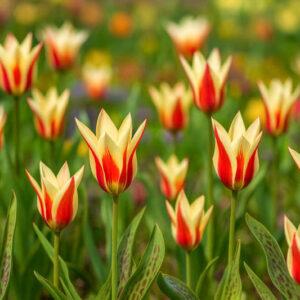
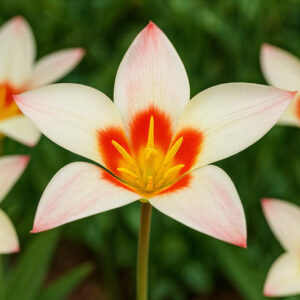
Flowers and Foliage: Tulip flowers are cup-shaped and come in almost every color imaginable, from bright primary colors to pastels and even multicolors. The leaves are usually green, long, and lanceolate with a slightly waxy coating.
Blooming Season: Tulips are known for their spring bloom, but the exact timing can range from early to late spring, depending on the specific variety and the climate. If you want a great spring garden that blooms from the early to the late season, select tulip bulbs that bloom across all three spring seasons.
Hardiness: Tulips are hardy in USDA zones 3-8, although they may need to be replanted every few years in warmer climates, as they prefer a cold winter dormancy.
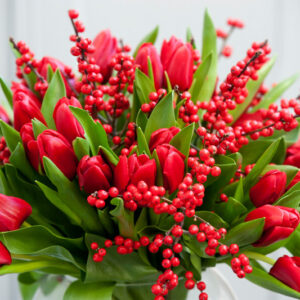
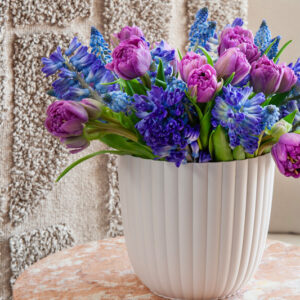
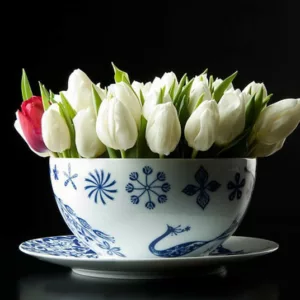
Uses: They are widely used for landscaping and garden decoration due to their variety of colors and sizes. They are also commonly grown for cut flowers. 30 Best Spring Flowers to Spruce up Your Garden
Toxicity: Tulips are toxic to cats and dogs. They contain toxic compounds known as tulipalin A and tulipalin B. These substances are found throughout the plant but are most concentrated in the bulbs.
Deer and Rabbit: Tulips are a favorite snack for deer and rabbits, often falling victim to these hungry garden visitors. Both animals are attracted to the tender shoots and blooms, which can lead to significant damage. To protect your flowers, consider using repellents, fencing, or planting less appealing companion plants nearby.
| Div. | Tulip Group | Bloom Time | Height | Perennial Value* | Highlights / Notes |
|---|---|---|---|---|---|
| 1 | Single Early | Early spring | 10–16 in (25–40 cm) | Fair | Classic cups; good for forcing; cool-weather sturdy. |
| 2 | Double Early | Early spring | 12–16 in (30–40 cm) | Fair | Peony-like early blooms; heavy heads can flop in rain. |
| 3 | Triumph | Mid spring | 12–20 in (30–50 cm) | Good | Reliable shape & stems; excellent for borders/cut flowers. |
| 4 | Darwin Hybrid | Mid spring | 18–24 in (45–60 cm) | Excellent | Large blooms; best perennializers in cool climates. |
| 5 | Single Late | Late spring | 20–28 in (50–70 cm) | Low–Fair | Tall goblets; includes “French” types; best as annuals in many areas. |
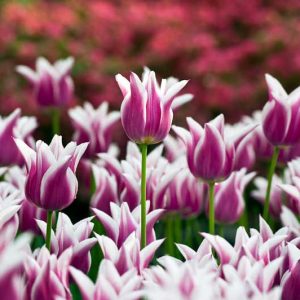
| 6 | Lily-Flowered | Late spring | 16–24 in (40–60 cm) | Low–Fair | Flared, reflexed tips; elegant, vase-worthy. |
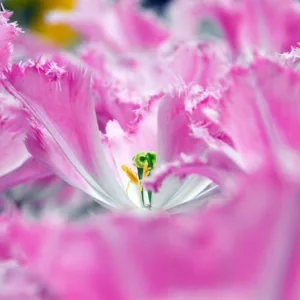
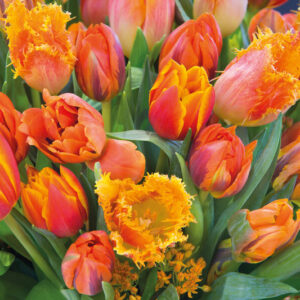
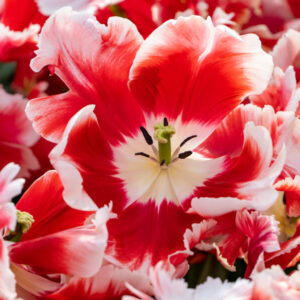
| 7 | Fringed (Crispa) | Mid–late spring | 12–28 in (30–70 cm) | Low | Lacy, serrated petal edges; dramatic displays. |
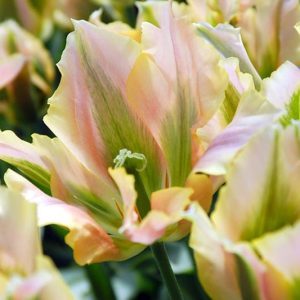
| 8 | Viridiflora | Late spring | 16–24 in (40–60 cm) | Fair | Green-streaked petals; long-lasting blooms. |
| 9 | Rembrandt | Mid–late spring | 18–24 in (45–60 cm) | Low | Streaked/flamed bicolors (modern virus-free look-alikes). |
| 10 | Parrot | Late spring | 14–26 in (35–65 cm) | Low | Ruffled, feathered petals; heat & weather sensitive. |
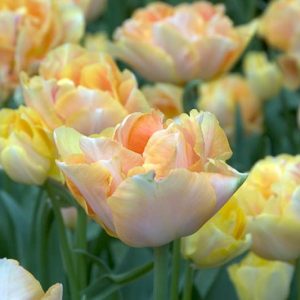
| 11 | Double Late (Peony) | Late spring | 16–24 in (40–60 cm) | Low–Fair | Huge peony-like blooms; may need staking in rain/wind. |
| 12 | Kaufmanniana (Waterlily) | Very early–early | 6–12 in (15–30 cm) | Excellent | Starry, wide-opening flowers; naturalize well; great in rock gardens. |
| 13 | Fosteriana (Emperor) | Early spring | 12–20 in (30–50 cm) | Excellent | Large elongated blooms; strong stems; dependable returners. |
| 14 | Greigii | Early–mid spring | 8–12 in (20–30 cm) | Excellent | Mottled leaves; flowers open wide; reliable perennializers. |
| 15 | Species / Botanical | Varies (mostly early–mid) | 4–12 in (10–30 cm) | Excellent | Wild species & cultivars; naturalize & multiply; drought tolerant. |
*Perennial value assumes excellent drainage, full sun, cool winters, dryish summers. In warm/wet-summer climates, many hybrids are best treated as annuals or pre-chilled.
| Hardiness |
3 - 8 |
|---|---|
| Heat Zones |
1 - 8 |
| Plant Type | Bulbs |
| Plant Family | Liliaceae |
| Genus | Tulipa |
| Exposure | Full Sun |
| Season of Interest | Spring (Early, Mid, Late) |
| Height | 6" - 3' (15cm - 90cm) |
| Spread | 4" (10cm) |
| Spacing | 4" (10cm) |
| Depth | 7" (18cm) |
| Maintenance | Low |
| Water Needs | Average |
| Soil Type | Chalk, Loam, Sand |
| Soil pH | Acid, Neutral |
| Soil Drainage | Well-Drained |
| Characteristics | Cut Flowers, Showy |
| Landscaping Ideas | Beds And Borders, Edging, Patio And Containers |
| Garden Styles | City and Courtyard, Gravel and Rock Garden, Informal and Cottage |
| Toxic to Humans | No known toxicity |
| Toxic to Cats | No known toxicity |
| Toxic to Dogs | No known toxicity |
| Toxic to Horses | No known toxicity |

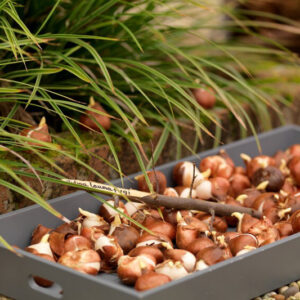
Tulip bulbs should be planted in the fall, typically 6 to 8 weeks before the ground freezes. This timing allows the bulbs to establish roots before winter, ensuring a strong start for spring growth.
In fall, when soil cools to ~40–55°F (4–13°C)—about 6–8 weeks before the ground freezes.
Plant about 3× the bulb’s height deep (usually 6–8 in / 15–20 cm) and 4–6 in (10–15 cm) apart, pointy end up.
Best in Zones 3–8. In warmer climates (8–10), pre-chill bulbs 10–14 weeks at 35–45°F (2–7°C) before planting.
Full sun (6+ hours). In very hot regions, light afternoon shade can help blooms last longer.
Well-drained soil is essential. Sandy or loamy beds, raised beds, or amended heavy clay with grit/compost.
Water after planting to settle soil, then keep evenly moist (not soggy) in fall and spring. Avoid overwatering in summer dormancy.
Mix a low-nitrogen bulb fertilizer into the hole at planting, then feed lightly as leaves emerge next spring. Avoid heavy nitrogen.
They’re short-lived perennials. For best return, try Darwin Hybrid, Fosteriana, Greigii, Kaufmanniana, or species tulips; treat others as annual color.
Plant a bit deeper, choose perennializing types, provide full sun, excellent drainage, and limit summer irrigation.
Deadhead spent flowers so energy goes to the bulb. Keep foliage until it yellows (about 6 weeks), then remove. Don’t tie or braid leaves.
Optional. If summers are wet or you need the space, lift when foliage dies back, dry, clean, and store cool, dark, and airy until fall.
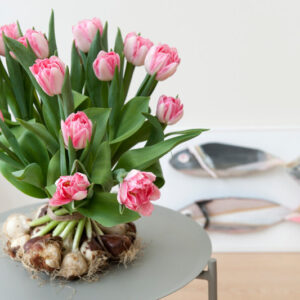
Yes—use pots with drainage, quality potting mix, and pack bulbs closely for a full look. Chill the planted pot 12–16 weeks before bringing to bloom.
Pot in fall, water, then chill 12–16 weeks at 35–45°F (2–7°C). Move to bright 60–65°F (15–18°C) for blooming.
Common causes: insufficient winter chill, too much shade, shallow planting, cutting foliage too early, bulb immaturity, or heavy nitrogen.
Deer, rabbits, and rodents love tulips—use cages/repellents. Watch for gray mold (Botrytis/tulip fire); practice sanitation and rotate planting areas.
Bulbs are toxic if ingested; keep away from pets and children. Sap can irritate skin—wear gloves if sensitive.
Cut when buds are colored but tight. Recut stems, place in cool water, and keep away from fruit (ethylene). Tulips keep growing in the vase—allow extra height.
For a full display, aim for 8–12 bulbs/ft² (85–130 bulbs/m²), depending on bulb size and impact desired.
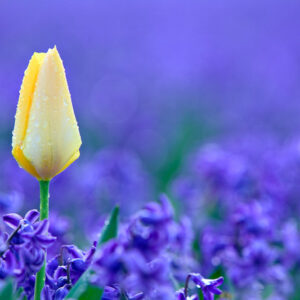
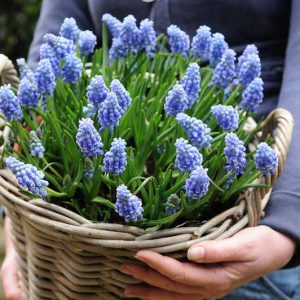
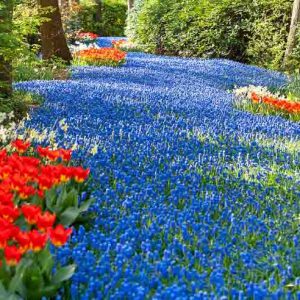
Companions that fill in as tulips fade: daffodils, grape hyacinths (Muscari), pansies/violas, wallflowers, forget-me-nots, and low spring perennials.



Kateryna Mashkevych, Shutterstock
| Hardiness |
3 - 8 |
|---|---|
| Heat Zones |
1 - 8 |
| Plant Type | Bulbs |
| Plant Family | Liliaceae |
| Genus | Tulipa |
| Exposure | Full Sun |
| Season of Interest | Spring (Early, Mid, Late) |
| Height | 6" - 3' (15cm - 90cm) |
| Spread | 4" (10cm) |
| Spacing | 4" (10cm) |
| Depth | 7" (18cm) |
| Maintenance | Low |
| Water Needs | Average |
| Soil Type | Chalk, Loam, Sand |
| Soil pH | Acid, Neutral |
| Soil Drainage | Well-Drained |
| Characteristics | Cut Flowers, Showy |
| Landscaping Ideas | Beds And Borders, Edging, Patio And Containers |
| Garden Styles | City and Courtyard, Gravel and Rock Garden, Informal and Cottage |
| Toxic to Humans | No known toxicity |
| Toxic to Cats | No known toxicity |
| Toxic to Dogs | No known toxicity |
| Toxic to Horses | No known toxicity |
Create a membership account to save your garden designs and to view them on any device.
Becoming a contributing member of Gardenia is easy and can be done in just a few minutes. If you provide us with your name, email address and the payment of a modest $25 annual membership fee, you will become a full member, enabling you to design and save up to 25 of your garden design ideas.
Join now and start creating your dream garden!
Create a membership account to save your garden designs and to view them on any device.
Becoming a contributing member of Gardenia is easy and can be done in just a few minutes. If you provide us with your name, email address and the payment of a modest $25 annual membership fee, you will become a full member, enabling you to design and save up to 25 of your garden design ideas.
Join now and start creating your dream garden!