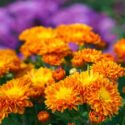
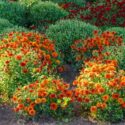
Embrace Nature's Palette: Plant Spring Wildflowers for a Garden Alive with Color and Whispers of the Wild


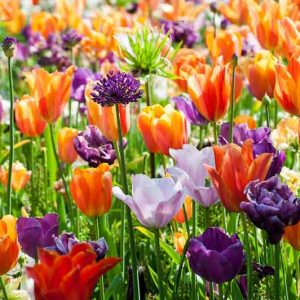
Spring wildflowers bring a unique charm to gardens, offering a blend of natural beauty and ease of care that many gardeners appreciate. As harbingers of spring, these flowers emerge with the season’s warmth, turning gardens into tapestries of color and texture. Wildflowers are not only visually appealing but also beneficial for local ecosystems, attracting and supporting a range of pollinators, from bees to butterflies.
Incorporating wildflowers into a garden can create a more natural, relaxed aesthetic. Unlike cultivated garden plants, wildflowers are often more resilient and adapted to local climates, requiring less maintenance. They can thrive in a variety of soil types and conditions, often withstanding the challenges of local weather patterns better than non-native species.
Wildflowers can be used in various garden styles, from formal borders to meadow-like settings. They are particularly effective in cottage gardens and naturalized areas where they can grow freely. Some wildflowers are annuals, blooming for one season and sowing their seeds for the next year, while others are perennials, returning each spring to grace the garden with their presence.
Planting wildflowers is also a way to contribute to biodiversity. These plants provide essential habitats and food sources for wildlife, contributing to the health of local ecosystems. Whether used as accents in a mixed border or as the main feature in a garden area, wildflowers offer simplicity, beauty, and a connection to the natural world.
| Genus | Aquilegia, Cypripedium, Dicentra, Dodecatheon, Geranium, Geum, Hepatica, Lupinus, Pulsatilla, Rudbeckia, Trillium |
|---|---|
| Native Plants | United States |

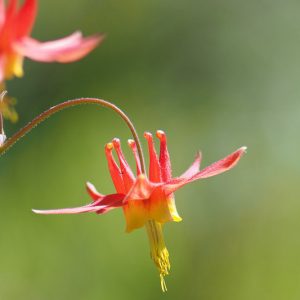
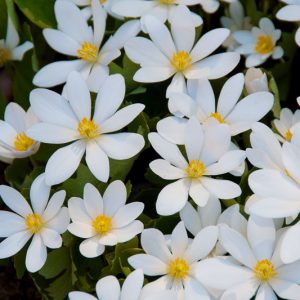
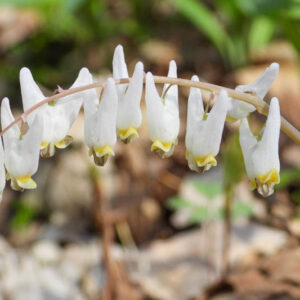
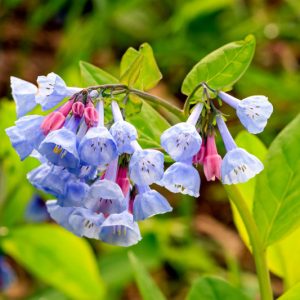
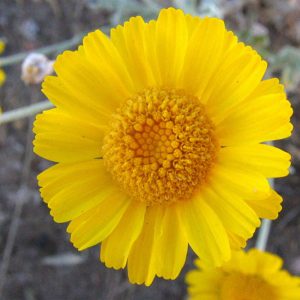

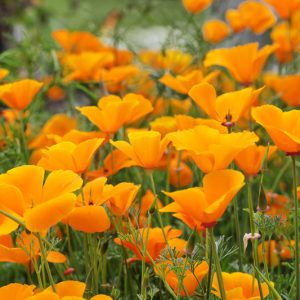
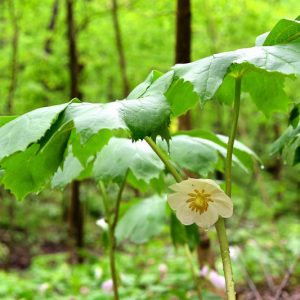

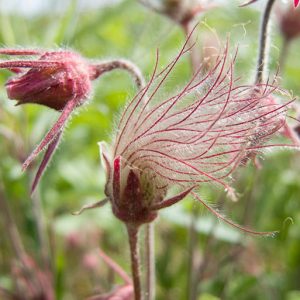

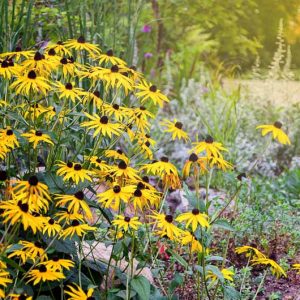
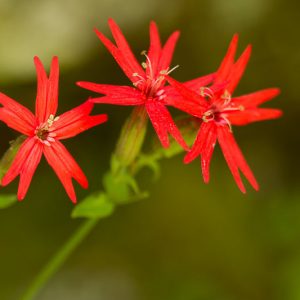
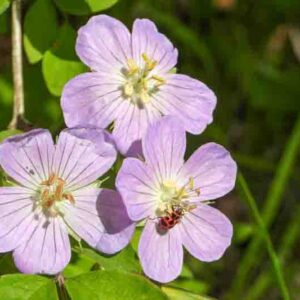

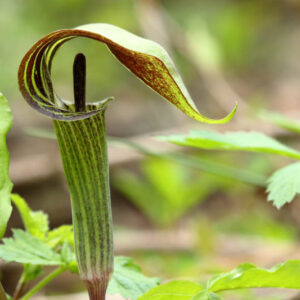
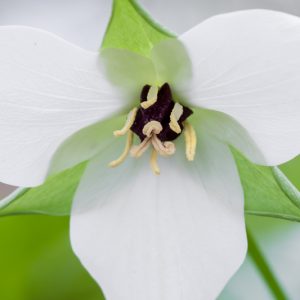

Designing a garden with spring wildflowers can create a vibrant, dynamic space that connects you to nature while providing habitat for local wildlife. Here’s how to integrate these natural beauties into your garden:
Choose the Right Location: Most spring wildflowers thrive in sunny to partially shaded areas. Select a spot that matches the light requirements of your chosen plants.
Soil Preparation: Wildflowers generally prefer well-drained soil. Amend your soil with compost to improve its structure and fertility. Some flowers, however, are adapted to poor soil conditions and may require little to no soil amendments.
Plant Diversity: Choose a variety that blooms at different times during spring to ensure a continuous display of color. Consider height, color, and texture to create visual interest and harmony.
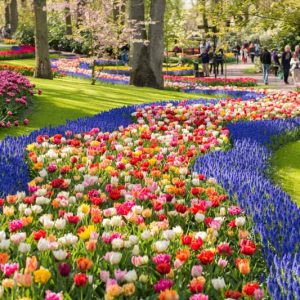
Natural Groupings: Plant wildflowers in clusters or drifts to mimic their natural growth patterns. This approach not only looks aesthetically pleasing but also makes a more significant impact in attracting pollinators.
Incorporate Native Species: Including native wildflowers in your design benefits local ecosystems as they are well-adapted to your region’s climate and provide food and shelter for native wildlife.
Layer with Perennials: Intersperse wildflowers with perennials that will continue to provide interest after the wildflowers have faded. This ensures your garden remains vibrant throughout the growing season.
Create Pathways: Design paths through or around your wildflower areas to allow for easy viewing and maintenance without disturbing the plants.
Edge with Low-Growing Species: Border your wildflower garden with low-growing species to create a tidy edge and define the space.
Consider Wildlife: Choose wildflowers that are known to attract pollinators, birds, and beneficial insects. Providing a water source nearby can also enhance wildlife attraction.
Maintenance: While wildflowers are generally low-maintenance, regular weeding, especially in the early stages of growth, can help them establish. Deadheading spent blooms may encourage a second flowering and prevent unwanted self-seeding.
By following these guidelines, you can create a stunning and ecologically beneficial garden space that celebrates the beauty and simplicity of spring wildflowers.
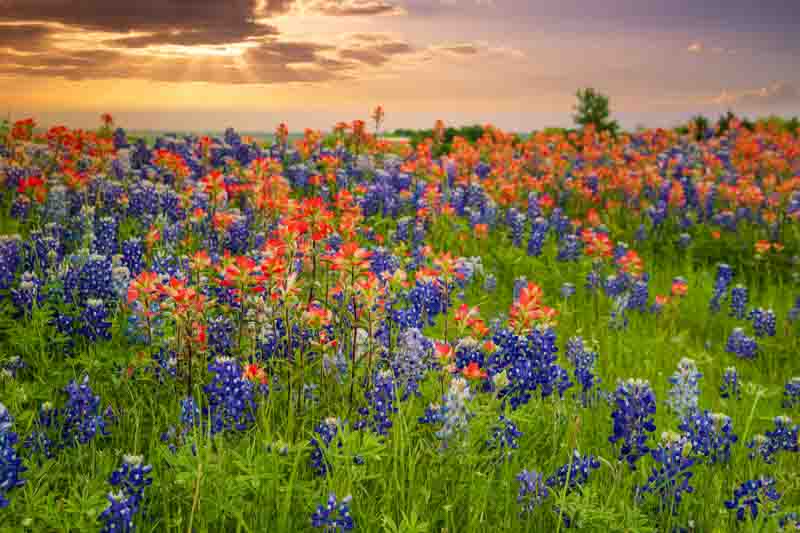
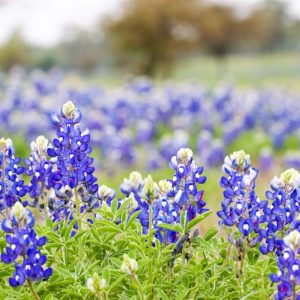
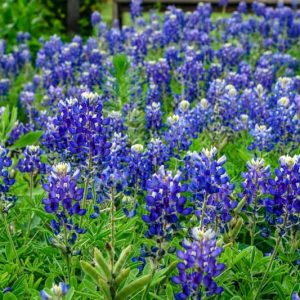
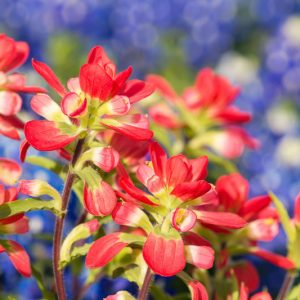
Texas Bluebonnet and Indian Paintbrush wildflowers
Yes, you can scatter wildflower seeds directly onto the ground, but they’ll have the best chance to establish if the soil is prepared first. Rake the area to expose soil, scatter seeds, lightly press them in, and water. Avoid burying seeds too deeply, as many need sunlight to germinate.
In many regions, April is still a good time to plant wildflower seeds, especially if the ground has thawed and frost is no longer a concern. However, wildflowers that require cold stratification benefit from a fall planting, while others thrive with spring planting.
Some of the earliest spring flowers include:
Absolutely! Spring is an excellent time for many wildflowers. Once the soil warms up and the risk of frost has passed, scatter seeds directly onto prepared soil for the best results. Keep them moist until established, and you’ll enjoy colorful blooms throughout the season.

| Genus | Aquilegia, Cypripedium, Dicentra, Dodecatheon, Geranium, Geum, Hepatica, Lupinus, Pulsatilla, Rudbeckia, Trillium |
|---|---|
| Native Plants | United States |
Create a membership account to save your garden designs and to view them on any device.
Becoming a contributing member of Gardenia is easy and can be done in just a few minutes. If you provide us with your name, email address and the payment of a modest $25 annual membership fee, you will become a full member, enabling you to design and save up to 25 of your garden design ideas.
Join now and start creating your dream garden!