Ginkgo 'Horizontalis', Maidenhair Tree 'Horizontalis', Fossil Tree 'Horizontalis', Icho 'Horizontalis'
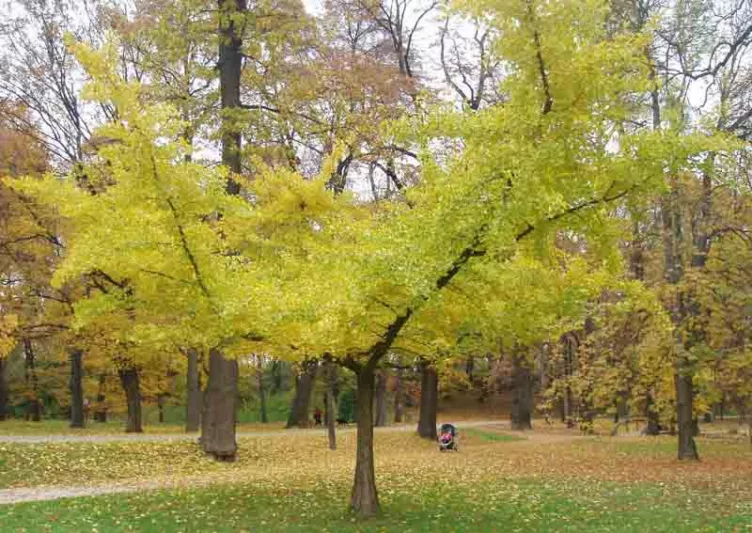


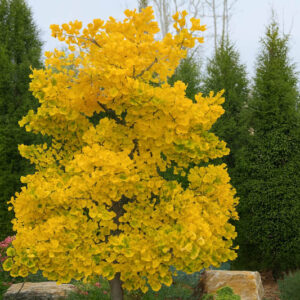
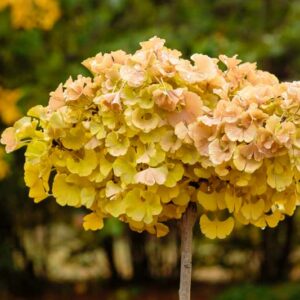
Ginkgo biloba ‘Horizontalis’ is a unique Maidenhair Tree cultivar celebrated for its architecturally stunning, horizontally spreading branches and low, flat canopy laden with graceful, fan-shaped green leaves. Compact and sculptural, ‘Horizontalis’ brings both drama and tranquility to urban gardens and landscapes where width and visual intrigue matter as much as height.
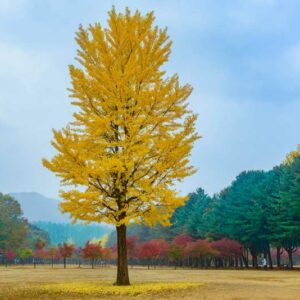
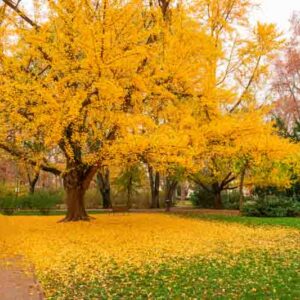
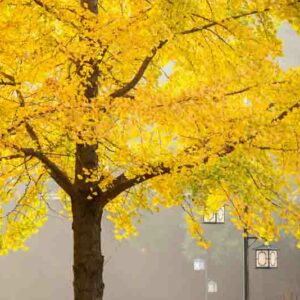
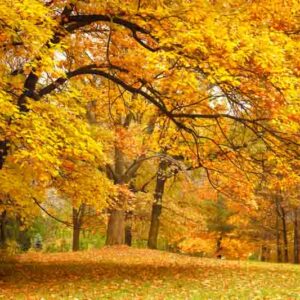
An Ancient Survivor with Timeless Style: Ginkgo biloba boasts a lineage dating back over 200 million years. Unlike the classic upright ginkgo, ‘Horizontalis’ forms an airy, elliptical crown with elegantly layered branches that create a fabulous flat silhouette in winter and a golden spectacle each fall. Its exotic beauty and adaptability are grounded in ancient resilience—the tree thrives where others struggle, handling drought, urban pollution, heat, and salt with ease.
This versatile specimen is beloved for its pest-free, disease-resistant nature and outstanding tolerance to city life. ‘Horizontalis’ adds shade, privacy, and architectural flair while remaining easy-care and ideal for those seeking a statement piece, ground-covering effect, or unique accent in both large and small gardens.
| Botanical Name | Ginkgo biloba ‘Horizontalis’ |
| Common Names | Maidenhair Tree, Horizontalis Ginkgo |
| Plant Type | Deciduous coniferous tree |
| Hardiness Zones | USDA 3–9 |
| Height & Spread | 8–10 ft. tall × 8–20 ft. wide (2.5–3 × 2.5–6 m); extremely wide spread, easily shaped/pruned |
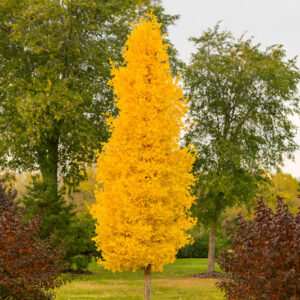
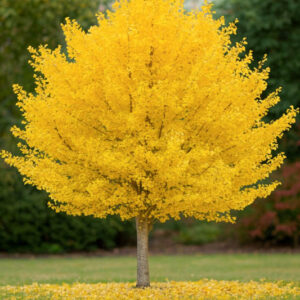
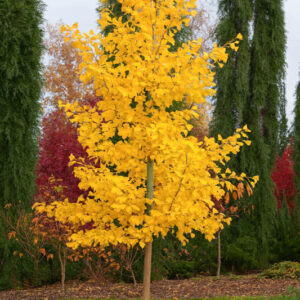
| Leaves & Fall Color | Fan-shaped, green leaves; dazzling gold in autumn; striking winter form |
| Special Features | Exceptional pollution/drought/salt tolerance, pest and disease resistance |
| Main Uses | Architectural specimen, wide shade, screening, ground cover, focal point |
Form & Foliage: ‘Horizontalis’ forms a broad, layered canopy, producing a sense of depth and distinction. The fan-shaped leaves turn brilliant gold in autumn, making every season a show and offering a stark winter sculpture when bare.
Native to China and revered for centuries, ginkgoes connect us to the deep past and embody themes of endurance and adaptability. ‘Horizontalis’ brings those traits front-and-center wherever dramatic form and resilience are needed.
‘Horizontalis’ is perfect for modern garden designs, formal beds, architectural focal points, living screens, or as a striking solo specimen. Underplant with shade-tolerant perennials for maximum visual impact.
| Variety | Type | Foliage & Appearance | Best Uses |
|---|---|---|---|
| Autumn Gold | Full-size canopy | Classic upright tree, bright golden fall color, large, fan-shaped leaves | Shade tree, specimen, street and park use |
| Mariken | Dwarf/compact | Dense, rounded form; lush small leaves; deep yellow autumn foliage | Small gardens, containers, urban courtyards, bonsai |
| Princeton Sentry | Columnar/upright | Tall, narrow form; bright yellow fall color; tolerant of tight spaces | Street plantings, small city lots, narrow spaces |
| Saratoga | Upright spreading | Light green, deeply divided leaves; architectural branching | Specimen tree, shade, landscape accent |
| Majestic Butterfly | Variegated | Leaves streaked green and yellow; unique texture; compact size | Ornamental, small spaces, visual interest |
| Jade Butterflies | Dwarf/upright | Small, deeply lobed “butterfly” leaves; slow growing, bushy | Containers, bonsai, patios, small gardens |
| Pendula | Weeping | Arching, pendulous branches; umbrella-shaped; classic gold fall color | Focal point, ornamental, landscape curiosity |
| Beijing Gold | Variegated/dwarf | Striking creamy-yellow leaves, compact growth, rare | Show gardens, collectors, accent tree |
| Troll | Miniature/spherical | Tiny size, globe-like shape, very dense foliage | Rock gardens, bonsai, small landscape touch |
| Fairmont | Upright pyramidal | Narrow crown, horizontal branching, bright gold fall foliage | Street tree, specimen, urban planting, dense shade |
| Horizontalis | Spreading/weeping | Branching horizontal, layered, wide canopies; elegant shape | Landscape accent, specimen, garden focal point |
| Peve Maribo | Compact/miniature | Dense, upright habit; small deeply cut leaves; slow growing | Patios, containers, bonsai, edging |
| Tubifolia | Unusual foliage | Leaves very narrow, tube-shaped, almost aquatic look | Collector’s item, specimen, visual interest |
| Hardiness |
3 - 9 |
|---|---|
| Heat Zones |
3 - 9 |
| Climate Zones | 1A, 1B, 2A, 2B, 3A, 3B, 4, 5, 6, 7, 8, 9, 10, 12, 14, 15, 16, 17, 18, 19, 20, 21, 22, 23, 24, A3 |
| Plant Type | Conifers, Trees |
| Plant Family | Ginkgoaceae |
| Genus | Ginkgo |
| Common names | Ginkgo, Maidenhair Tree |
| Exposure | Full Sun |
| Season of Interest | Spring (Mid, Late), Summer (Early, Mid, Late), Fall |
| Height | 8' - 10' (240cm - 3m) |
| Spread | 8' - 20' (240cm - 6.1m) |
| Spacing | 240" (6.1m) |
| Maintenance | Low |
| Water Needs | Low, Average |
| Soil Type | Chalk, Clay, Loam, Sand |
| Soil pH | Acid, Alkaline, Neutral |
| Soil Drainage | Well-Drained |
| Characteristics | Showy |
| Tolerances | Deer, Clay Soil, Drought, Salt, Heat |
| Garden Styles | City and Courtyard, Informal and Cottage, Prairie and Meadow |
| Toxic to Humans | Low severity |
| Toxic to Cats | No known toxicity |
| Toxic to Dogs | No known toxicity |
| Toxic to Horses | No known toxicity |


| Hardiness |
3 - 9 |
|---|---|
| Heat Zones |
3 - 9 |
| Climate Zones | 1A, 1B, 2A, 2B, 3A, 3B, 4, 5, 6, 7, 8, 9, 10, 12, 14, 15, 16, 17, 18, 19, 20, 21, 22, 23, 24, A3 |
| Plant Type | Conifers, Trees |
| Plant Family | Ginkgoaceae |
| Genus | Ginkgo |
| Common names | Ginkgo, Maidenhair Tree |
| Exposure | Full Sun |
| Season of Interest | Spring (Mid, Late), Summer (Early, Mid, Late), Fall |
| Height | 8' - 10' (240cm - 3m) |
| Spread | 8' - 20' (240cm - 6.1m) |
| Spacing | 240" (6.1m) |
| Maintenance | Low |
| Water Needs | Low, Average |
| Soil Type | Chalk, Clay, Loam, Sand |
| Soil pH | Acid, Alkaline, Neutral |
| Soil Drainage | Well-Drained |
| Characteristics | Showy |
| Tolerances | Deer, Clay Soil, Drought, Salt, Heat |
| Garden Styles | City and Courtyard, Informal and Cottage, Prairie and Meadow |
| Toxic to Humans | Low severity |
| Toxic to Cats | No known toxicity |
| Toxic to Dogs | No known toxicity |
| Toxic to Horses | No known toxicity |
How many Ginkgo biloba ‘Horizontalis’ (Maidenhair Tree) do I need for my garden?
| Plant | Quantity | |
|---|---|---|
| Ginkgo biloba ‘Horizontalis’ (Maidenhair Tree) | N/A | Buy Plants |
Create a membership account to save your garden designs and to view them on any device.
Becoming a contributing member of Gardenia is easy and can be done in just a few minutes. If you provide us with your name, email address and the payment of a modest $25 annual membership fee, you will become a full member, enabling you to design and save up to 25 of your garden design ideas.
Join now and start creating your dream garden!
Create a membership account to save your garden designs and to view them on any device.
Becoming a contributing member of Gardenia is easy and can be done in just a few minutes. If you provide us with your name, email address and the payment of a modest $25 annual membership fee, you will become a full member, enabling you to design and save up to 25 of your garden design ideas.
Join now and start creating your dream garden!